
In den Dolomiten — History & Facts
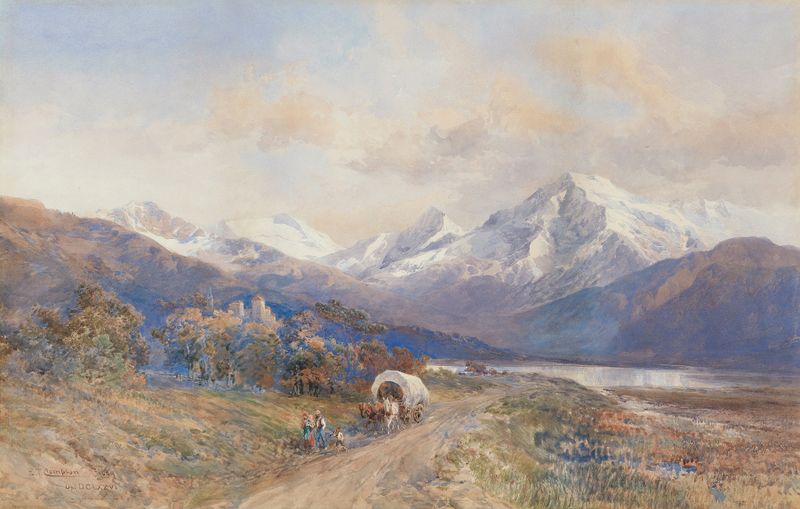
In the realm of illusion, landscapes shimmer with fleeting beauty, beckoning us to lose ourselves in their depths. What secrets do these vistas hold, and what memories are locked within their brushstrokes? Look to the sweeping expanse of the mountains, where majestic peaks rise against a canvas of pastel skies. The soft interplay of light and shadow captures the sublime beauty of the Dolomites, drawing the eye to the intricate details of rocky outcrops and lush green valleys.
Notice how the artist employs a delicate palette of blues and greens, harmonizing the coolness of the shadows with the warmth of the sun-drenched surfaces, creating a sense of serenity and wonder. Within this enchanting scene lies a tension between the immensity of nature and the fleeting human experience. The illusion of depth is masterfully crafted, inviting viewers to meander through the foreground, only to be reminded of their own smallness in the face of such grandeur. The vibrant colors, while breathtaking, also evoke a sense of nostalgia; they are reminiscent of a moment forever captured yet always slipping through our fingers. Compton painted this work between 1870 and 1880 during a time when the Romantic movement was at its peak, celebrating the beauty of nature as an escape from the industrial age.
Living in Germany, he was influenced by both the emerging plein air techniques and the growing fascination with the Alps. This period marked a significant shift in landscape painting, as artists sought to convey not just the physicality of the land but also the emotional resonance it stirred within the human soul.
More Artworks by Edward Theodore Compton
Browse all →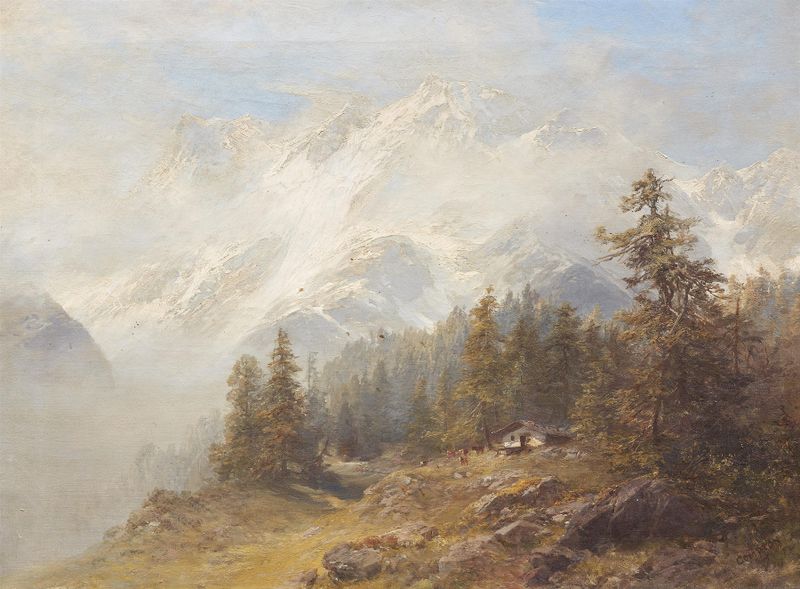
Alpenlandschaft vor schneebedecktem Massiv
Edward Theodore Compton
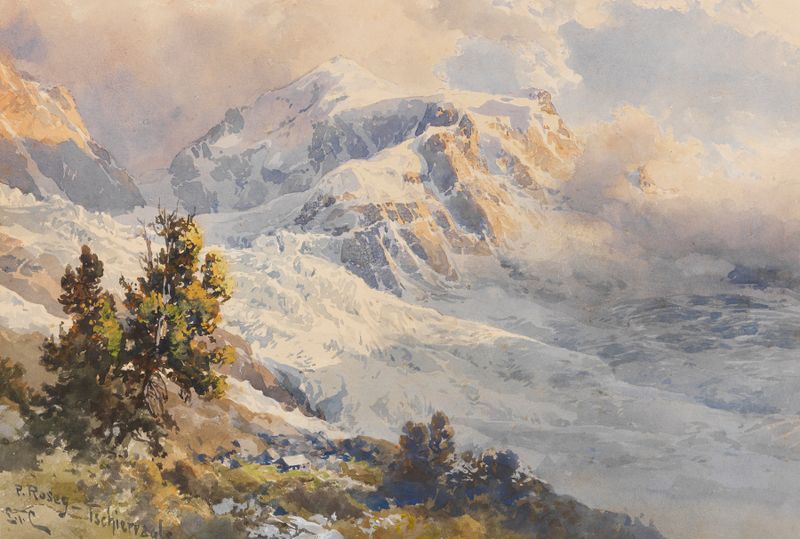
Piz Roseg – Tschiervagletscher
Edward Theodore Compton
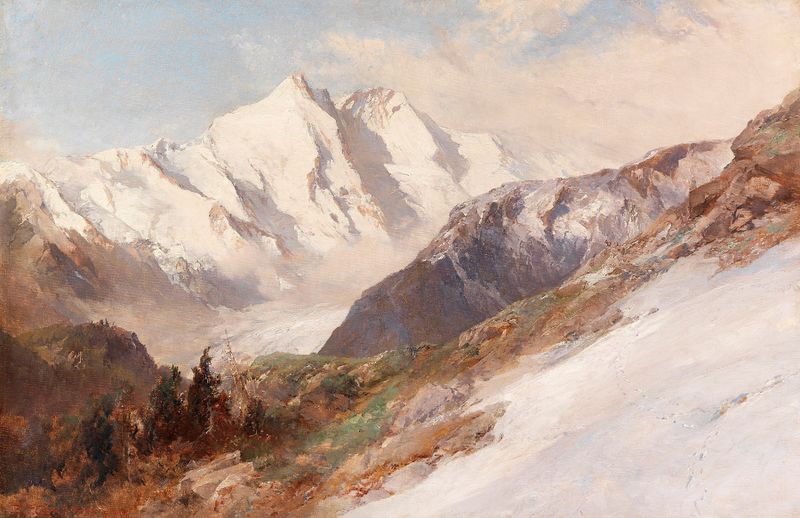
Blick auf die Nordseite des Großglockners
Edward Theodore Compton
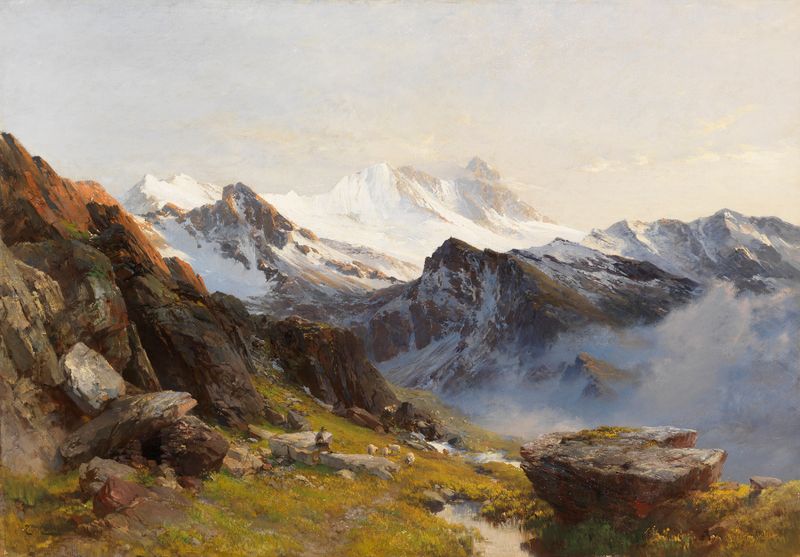
Großglockner von der Prager Hütte aus, früh
Edward Theodore Compton
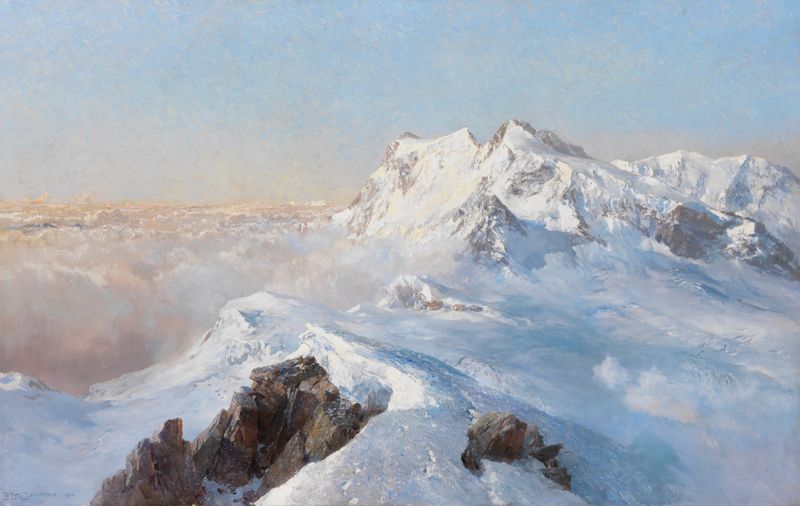
Über dem Nebelmeer (Monte Rosa vom Rimpfischhorn)
Edward Theodore Compton
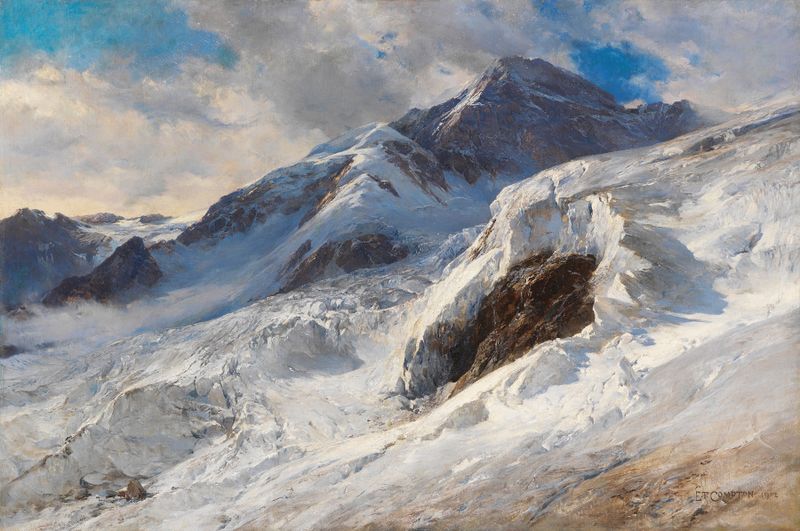
Lyskamm (Monte-Rosa)
Edward Theodore Compton
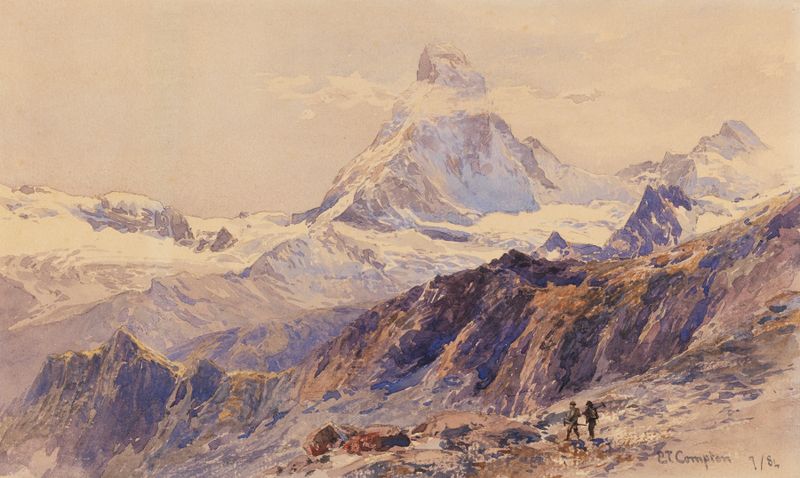
Das Matterhorn von der Triftkumme
Edward Theodore Compton
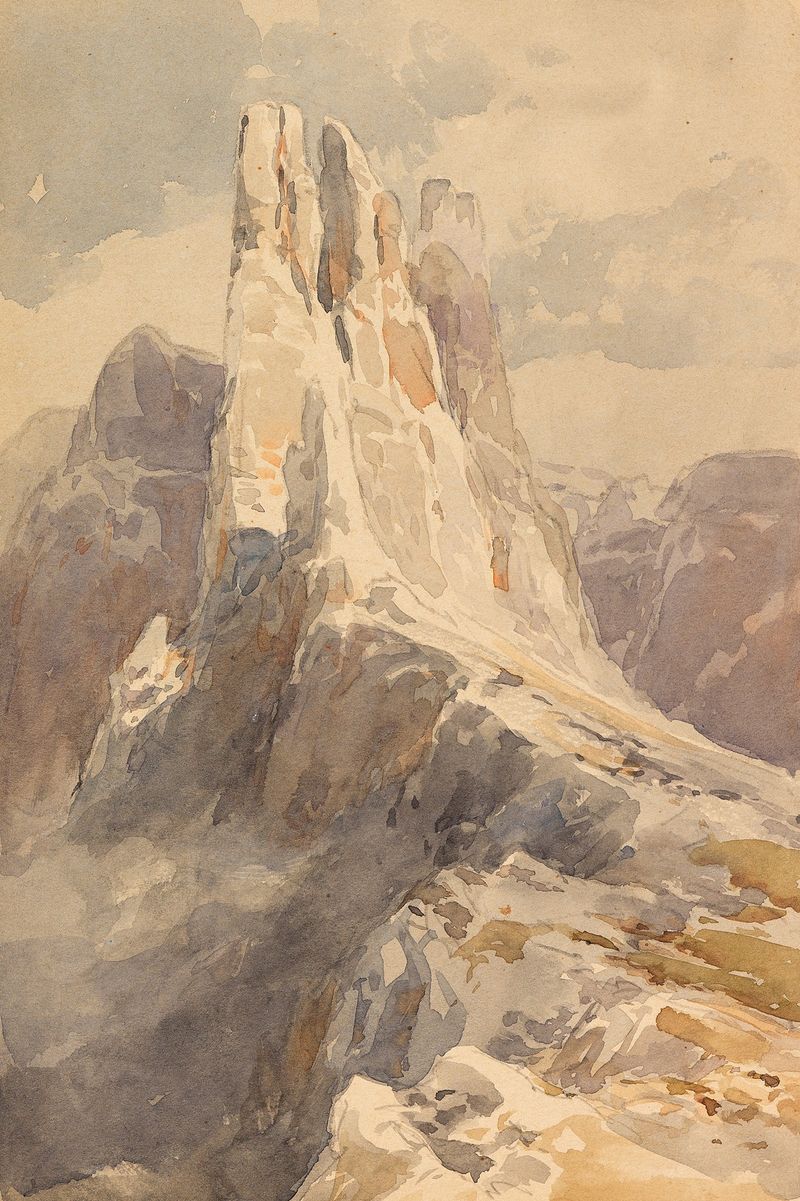
Blick auf die Vajolet-Türme in den Dolomiten
Edward Theodore Compton
Blick auf den Ortler von St. Valentin
Edward Theodore Compton
View of the Matterhorn
Edward Theodore Compton





