
In the Camp Vaccinio at Rome — History & Facts
What secret hides in the quiet of the canvas? In the stillness of In the Camp Vaccinio at Rome, memory weaves through light and shadow, whispering unspoken tales of a past filled with beauty and yearning. Look to the foreground where the soft greys of the sky blend seamlessly into the muted greens of the landscape. The gentle brushstrokes create a serene, almost ethereal atmosphere. Notice how the light filters through the trees, casting delicate patterns on the ground, guiding your gaze towards the distant figures engaged in their daily pursuits.
Each element—the grazing livestock, the clustered trees—adds to the composition's tranquil harmony, inviting a moment of reflection. Yet, the painting is not merely a pastoral scene; it captures a tension between presence and absence. The figures, though busy in their activities, seem enveloped in a haze of nostalgia, hinting at stories untold. The contrast of the vibrant natural world against the muted human presence suggests a deeper exploration of memory, anchoring the viewer between the joy of the moment and the inevitability of its fleeting nature. Created in 1777, at the height of the Romantic movement, the artist found himself in a shifting landscape of artistic expression.
Smith was an English painter who had relocated to Italy, where he was influenced by its rich history and vibrant scenery. As the world around him evolved, this piece became a testament to both personal and collective memory, reflecting a longing for beauty in a transient world.
More Artworks by John Warwick Smith
Browse all →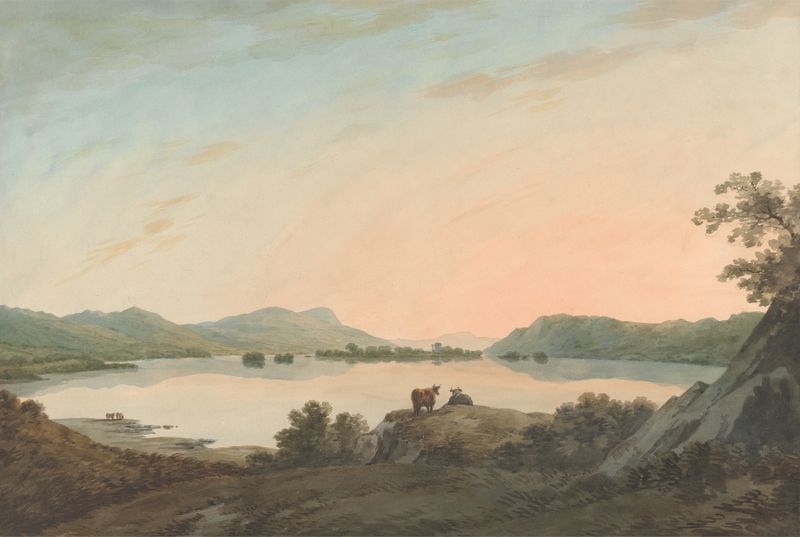
Lake Windermere from Calgarth with Belle Isle
John Warwick Smith
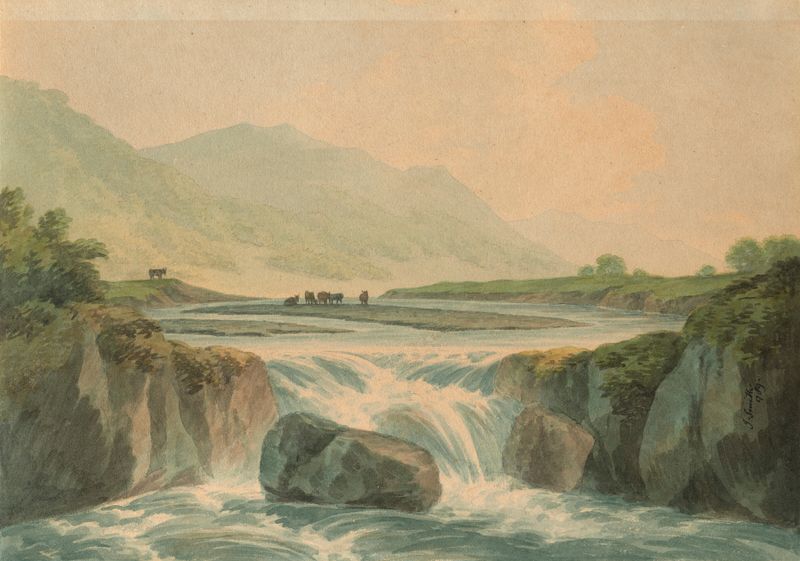
A waterfall on the River Rheidol, with cattle in the distance, North Wales
John Warwick Smith
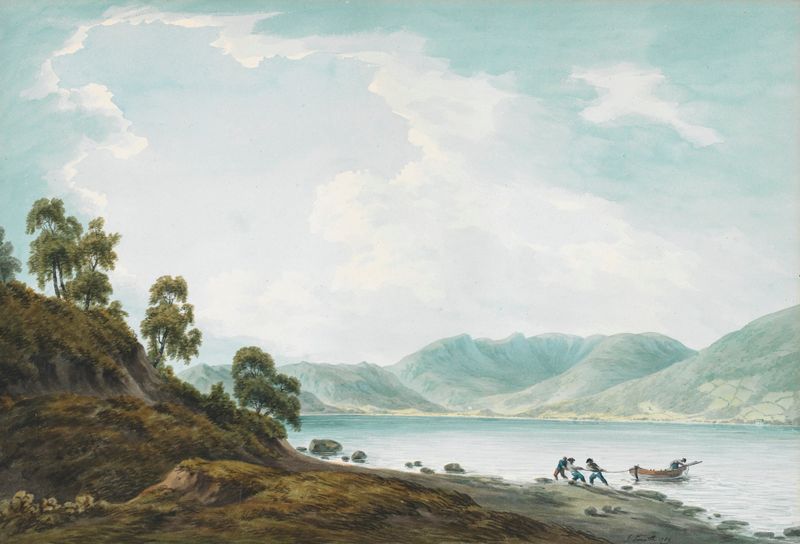
Head of Windermere from Belle Grange Farm
John Warwick Smith
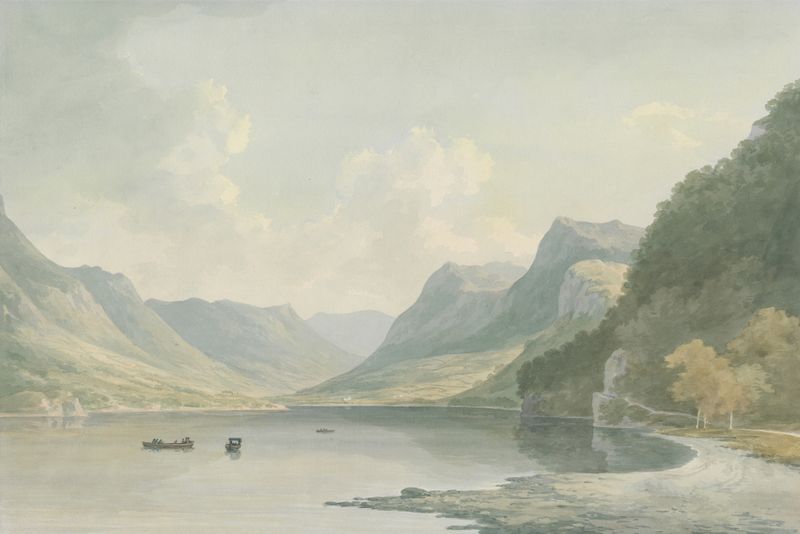
Ullswater, Looking toward Patterdale
John Warwick Smith
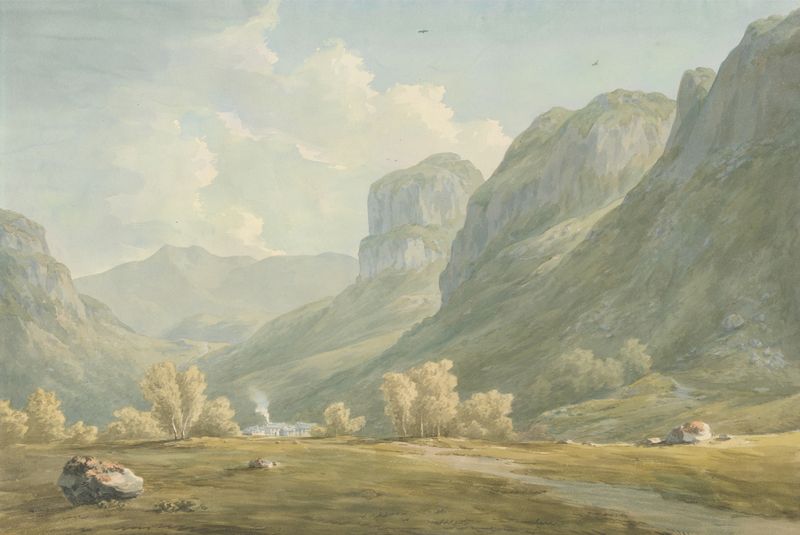
Village of Stonethwaite and Eagle Cragg, Borrowdale
John Warwick Smith
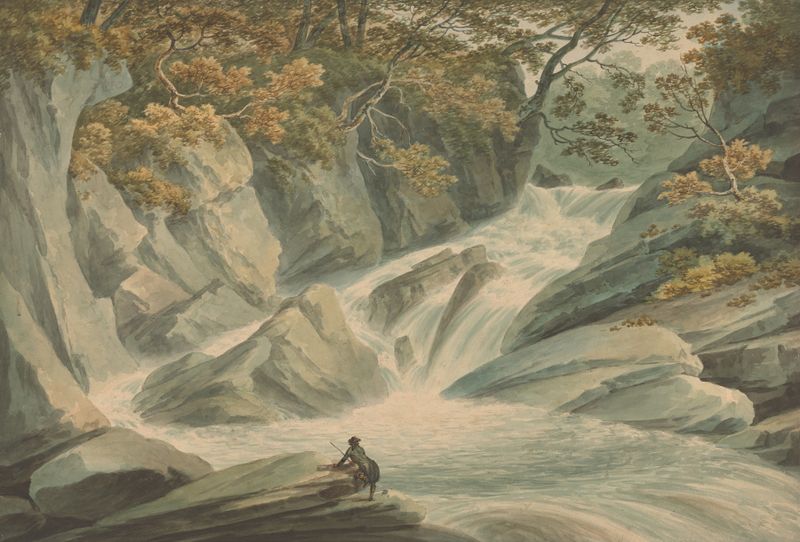
Hafod; Upper Part of Cascade
John Warwick Smith
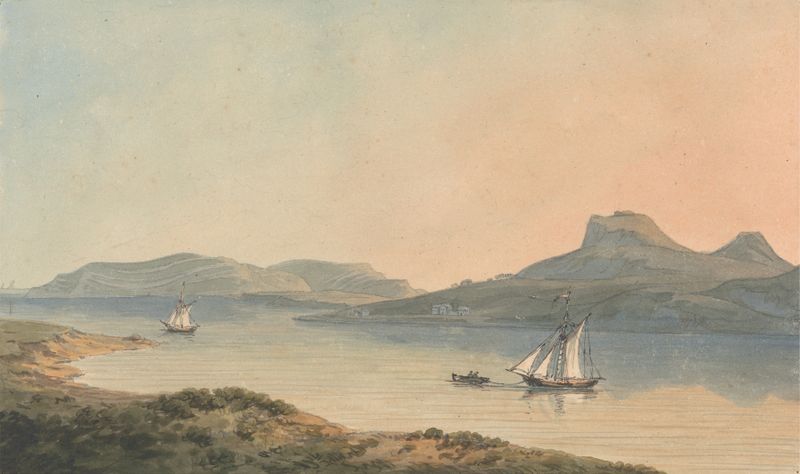
View of the Early Castle of Diganwy
John Warwick Smith
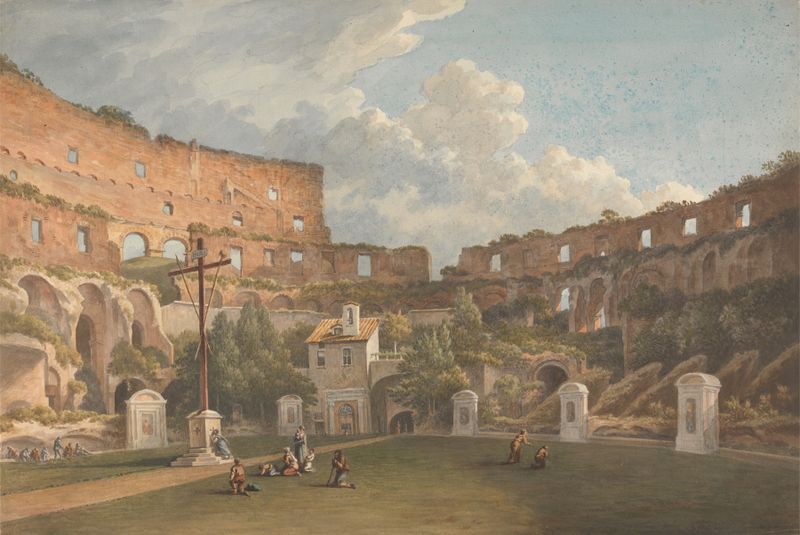
An Interior View of the Colosseum, Rome
John Warwick Smith
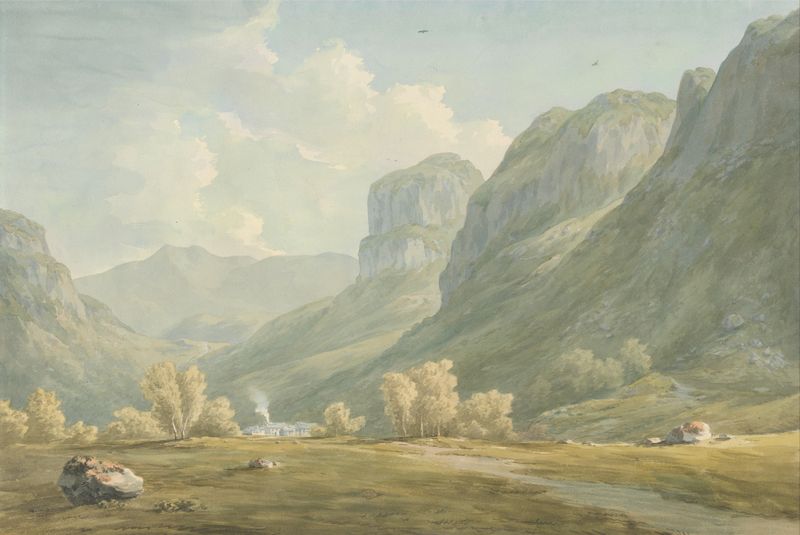
Village of Stonethwaite and Eagle Cragg, Borrowdale
John Warwick Smith
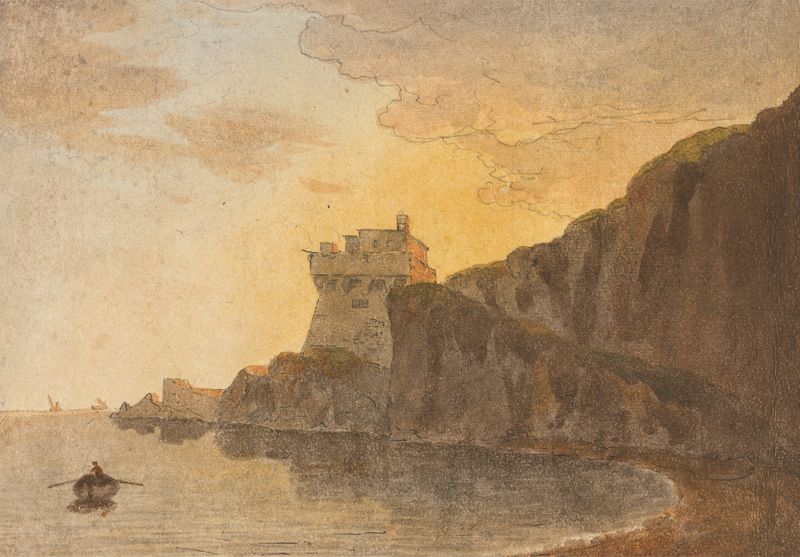
In the Bay of Salerno, near Vietri
John Warwick Smith





