
In ‘The Glen,’ Portsmouth, Rhode Island — History & Facts
In the act of creation, loss transforms into a luminous memory, captured on canvas and forever preserved against the relentless march of time. Look to the foreground, where soft, dappled sunlight filters through the trees, illuminating the path that beckons the viewer into a serene retreat. The lush greens and light blues are masterfully blended, inviting a sense of tranquility that contrasts with the underlying sorrow of absence. Notice how the brushwork varies from smooth, sweeping strokes in the foliage to a more textured approach in the earth beneath, each detail guiding your gaze deeper into the scene. As you immerse yourself in the landscape, the juxtaposition of light and shadow evokes both a sense of peace and an undercurrent of nostalgia.
The trees stand sentinel, their gnarled branches hinting at the passage of time, while the inviting pathway seems to lead toward an unknown destination, a metaphor for lost opportunities or unfulfilled memories. The beauty of the glen encapsulates a longing, whispering the stories of those who once inhabited this haven, now just echoes. John La Farge painted this piece in 1859 while living in Rhode Island, a period marked by his exploration of nature and the blending of light and color. The artist was deeply influenced by the transcendentalist movement, which sought to capture the essence of the American landscape.
At this time, La Farge was also gaining recognition for his innovative use of glass in architectural stained glass windows, signaling a pivotal moment in his career as he balanced between painting and the decorative arts.
More Artworks by John La Farge
Browse all →
Red Pagoda, Nikko
John La Farge
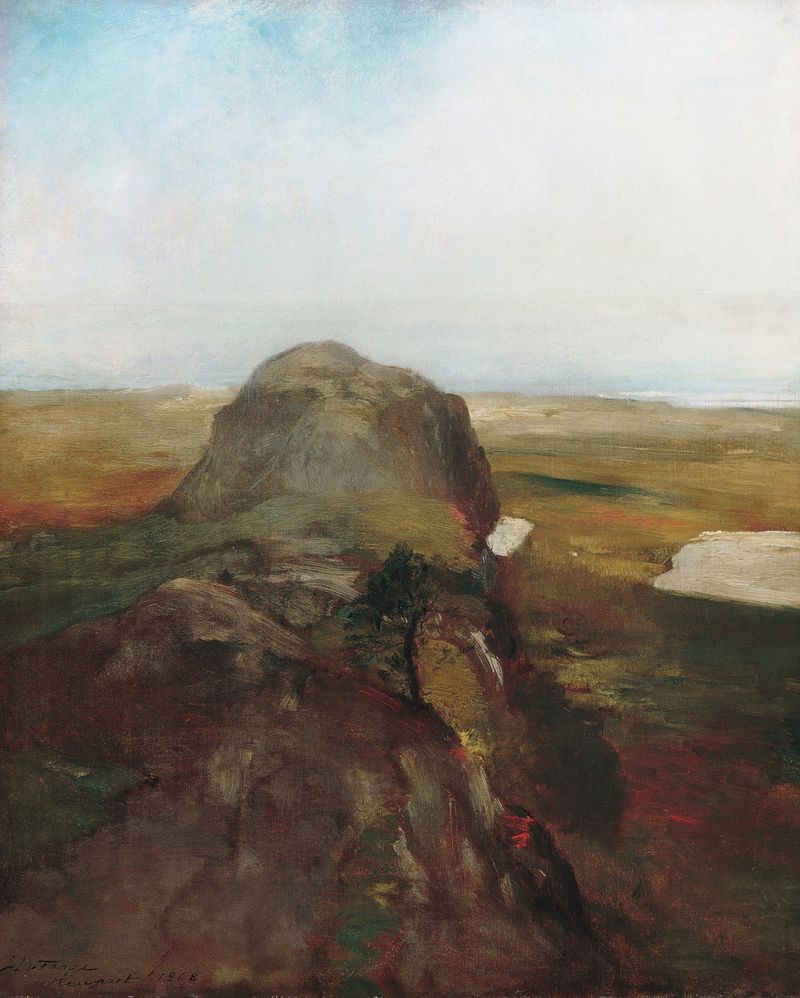
Autumn Study, View over Hanging Rock, Newport, R.I.
John La Farge
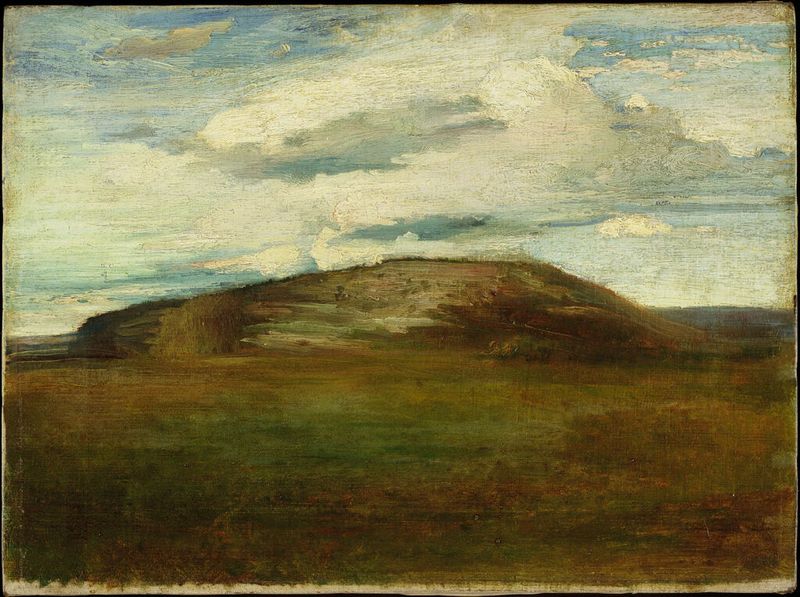
Autumn: Mid-Day, Looking North, Table-Rock Hill, Peekskill, New York
John La Farge
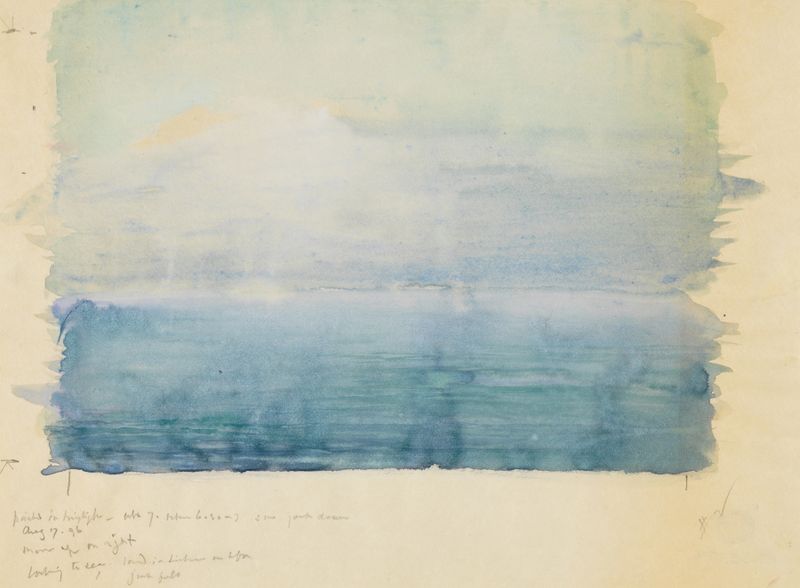
Bar Harbor, Twilight
John La Farge

The Island of Moorea Looking across the Strait from Tahiti, January 1891
John La Farge
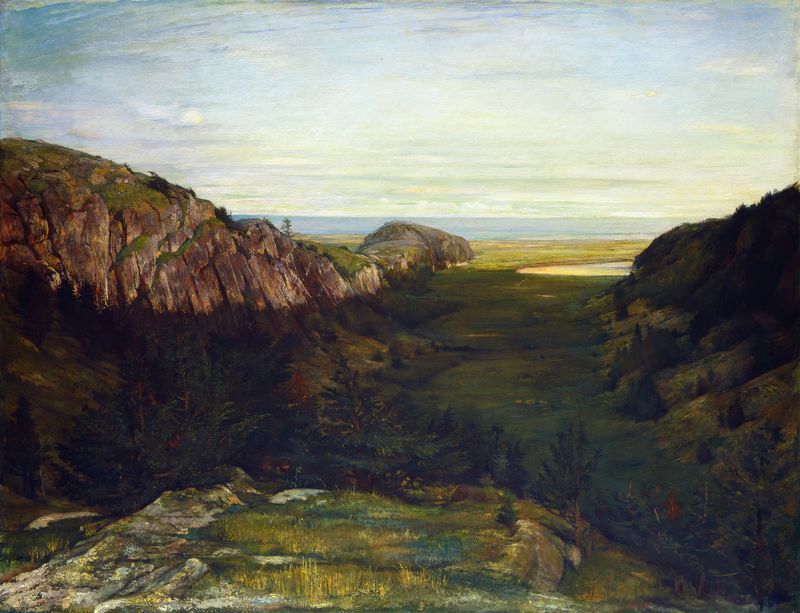
The Last Valley – Paradise Rocks
John La Farge
The Entrance to the Tautira River,Tahiti. Fisherman Spearing a Fish
John La Farge

Snow Field, Morning, Roxbury
John La Farge
The Dawn
John La Farge

Old Boathouse Beach, Newport
John La Farge





