
The Last Valley – Paradise Rocks — History & Facts
Who listens when art speaks of silence? In John La Farge's The Last Valley – Paradise Rocks, the answer is clear: those who seek beauty. This captivating landscape invites contemplation, drawing viewers into a serene, unspoiled haven that whispers secrets of nature and tranquility. Look to the center of the canvas, where lush greenery envelops a winding river, its crystalline waters reflecting the soft hues of the sky. Notice how the light filters through the trees, creating dappled patterns of gold and emerald across the tranquil scene.
The skillful layering of vibrant colors showcases La Farge’s mastery of the medium, evoking the rich textures of foliage and the gentle flow of the water, making the viewer feel as if they could step into this idyllic world. Delve deeper, and you will find the emotional tensions woven into the fabric of this landscape. The harmonious balance of light and shadow suggests an interplay between serenity and the inevitable passage of time. The rocky outcrops stand as ancient sentinels, reminding us of nature's permanence amidst the fleeting beauty of the moment.
This duality speaks to the viewer about both the peace found in nature and the transient nature of existence. La Farge created The Last Valley – Paradise Rocks between 1867 and 1868, during a transformative period in American art. At this time, he was exploring themes of nature and spirituality, seeking to convey a sense of the divine in the natural world. His experimentation with color and composition reflected the broader movement towards Impressionism, capturing the essence of beauty while also contemplating the deeper layers of human experience intertwined with the landscape.
More Artworks by John La Farge
Browse all →
Red Pagoda, Nikko
John La Farge
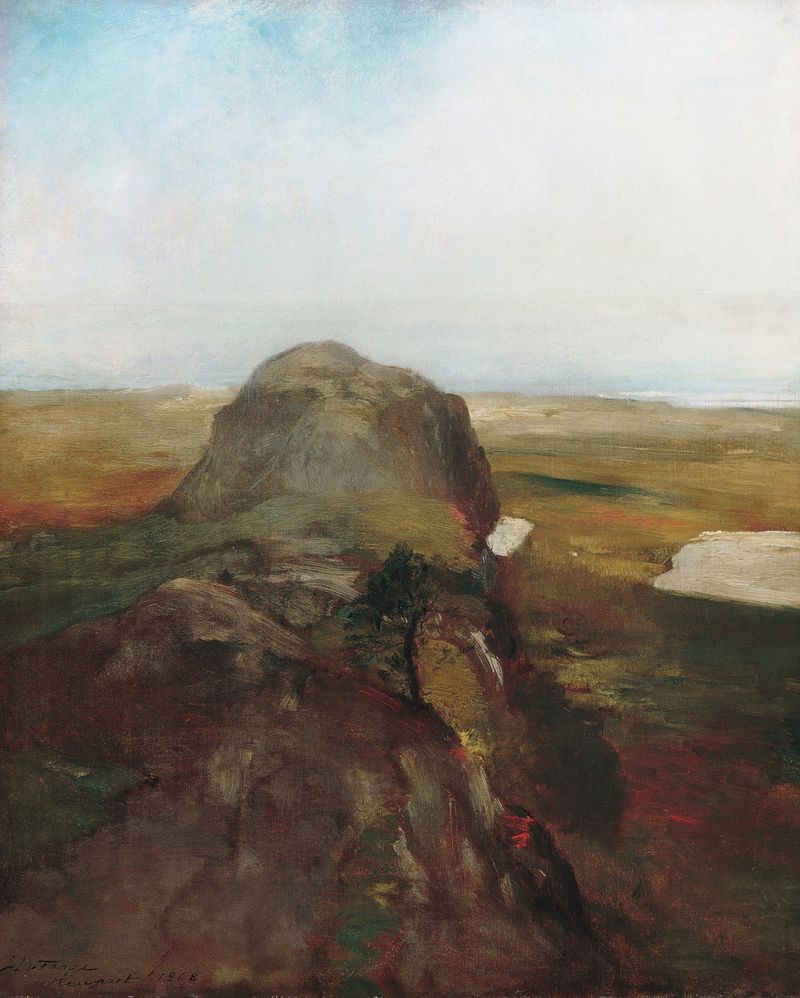
Autumn Study, View over Hanging Rock, Newport, R.I.
John La Farge
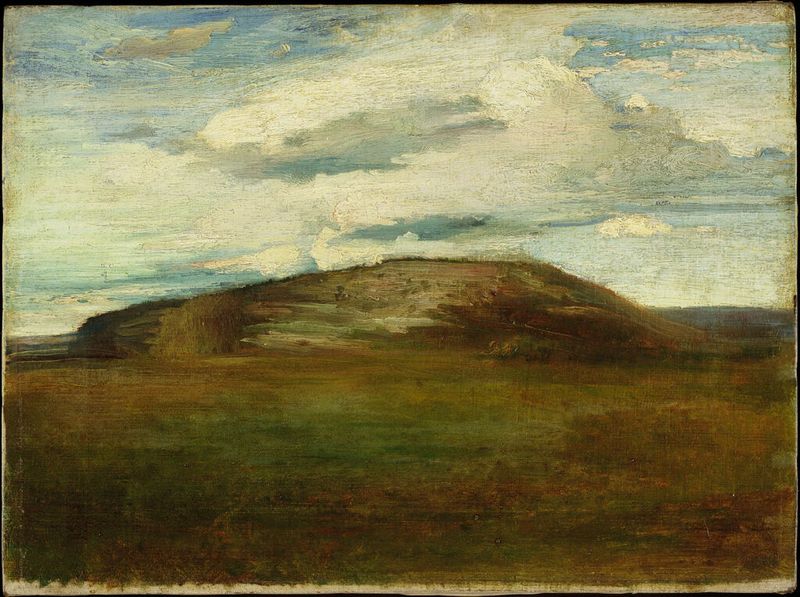
Autumn: Mid-Day, Looking North, Table-Rock Hill, Peekskill, New York
John La Farge
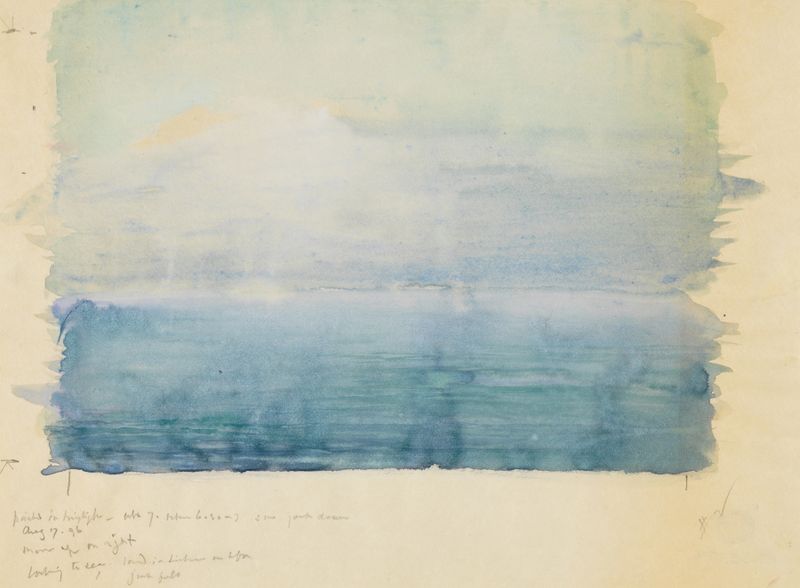
Bar Harbor, Twilight
John La Farge
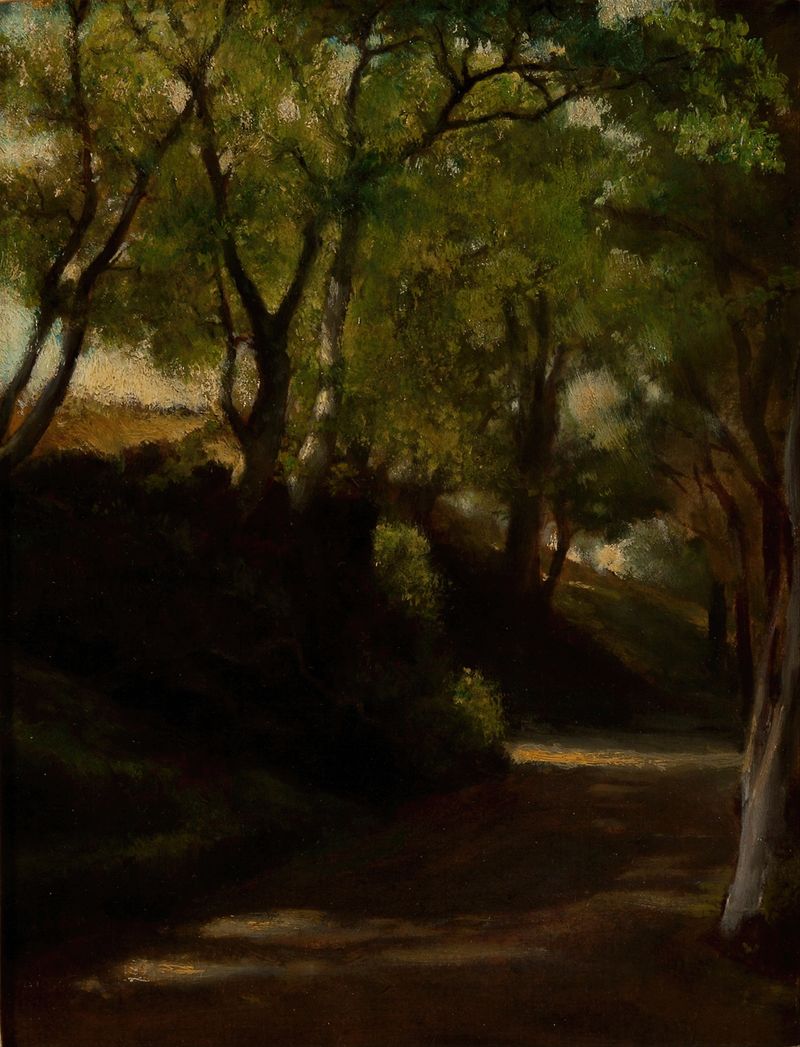
In ‘The Glen,’ Portsmouth, Rhode Island
John La Farge

The Island of Moorea Looking across the Strait from Tahiti, January 1891
John La Farge
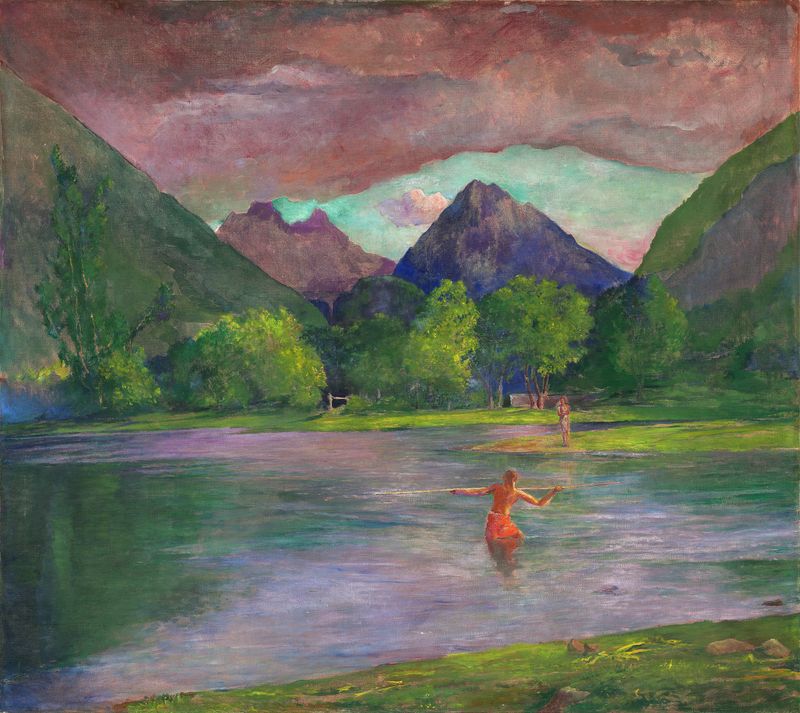
The Entrance to the Tautira River,Tahiti. Fisherman Spearing a Fish
John La Farge

Snow Field, Morning, Roxbury
John La Farge
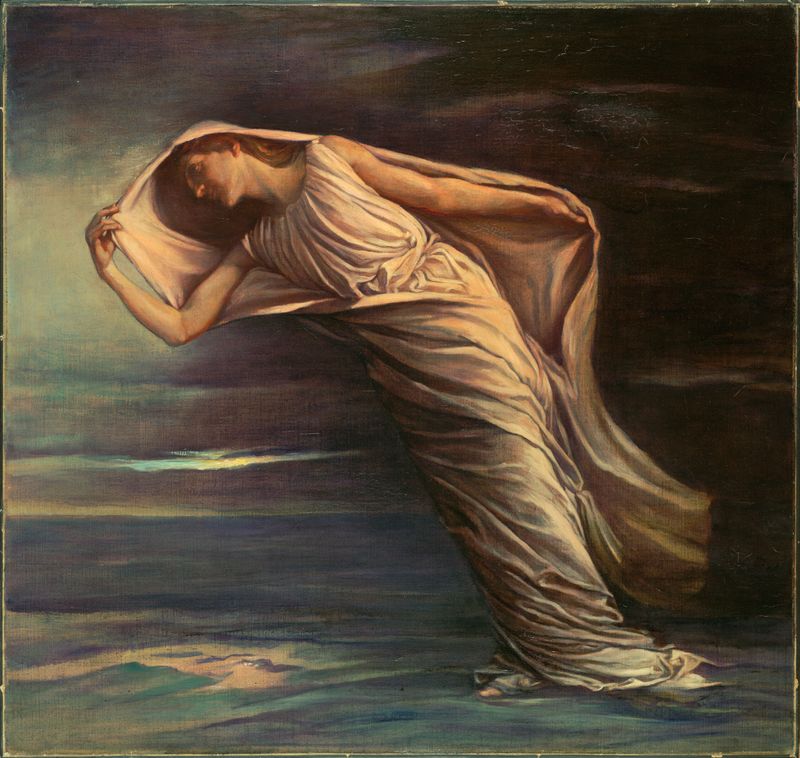
The Dawn
John La Farge

Old Boathouse Beach, Newport
John La Farge





