
Bar Harbor, Twilight — History & Facts
Can beauty exist without sorrow? In John La Farge’s Bar Harbor, Twilight, the lingering hues of dusk evoke a poignant reminder of life's delicate balance. Each brushstroke captures the transient moments when day surrenders to night, where fragility and tranquility intertwine, creating a world both enchanting and ephemeral. Look to the horizon where the sun begins its descent, casting a warm, golden glow upon the water. The reflection in the rippling waves shimmers like fragmented glass, inviting you to explore its depths.
Notice how La Farge employs a delicate palette of blues and oranges, harmonizing the natural elements in a soft embrace. The composition draws the eye to the silhouette of the distant shore, framed by trees, evoking a sense of serenity that invites contemplation. In this work, there is an underlying tension between light and shadow, suggesting the fleeting nature of beauty. The vibrant colors, while breathtaking, serve as a reminder of the inevitable twilight that follows even the brightest day.
Each element — from the gentle waves to the encroaching darkness — embodies a sense of fragility, urging viewers to appreciate the moment before it fades away. Created in 1896, Bar Harbor, Twilight reflects La Farge’s deep engagement with the Impressionist movement, which celebrated the play of light and color. During this period, the artist was exploring the intersection of nature and spirituality. With a growing interest in capturing ephemeral beauty, La Farge’s work was influenced by both personal experiences and broader artistic dialogues, positioning him as a pivotal figure in American art at the turn of the century.
More Artworks by John La Farge
Browse all →
Red Pagoda, Nikko
John La Farge
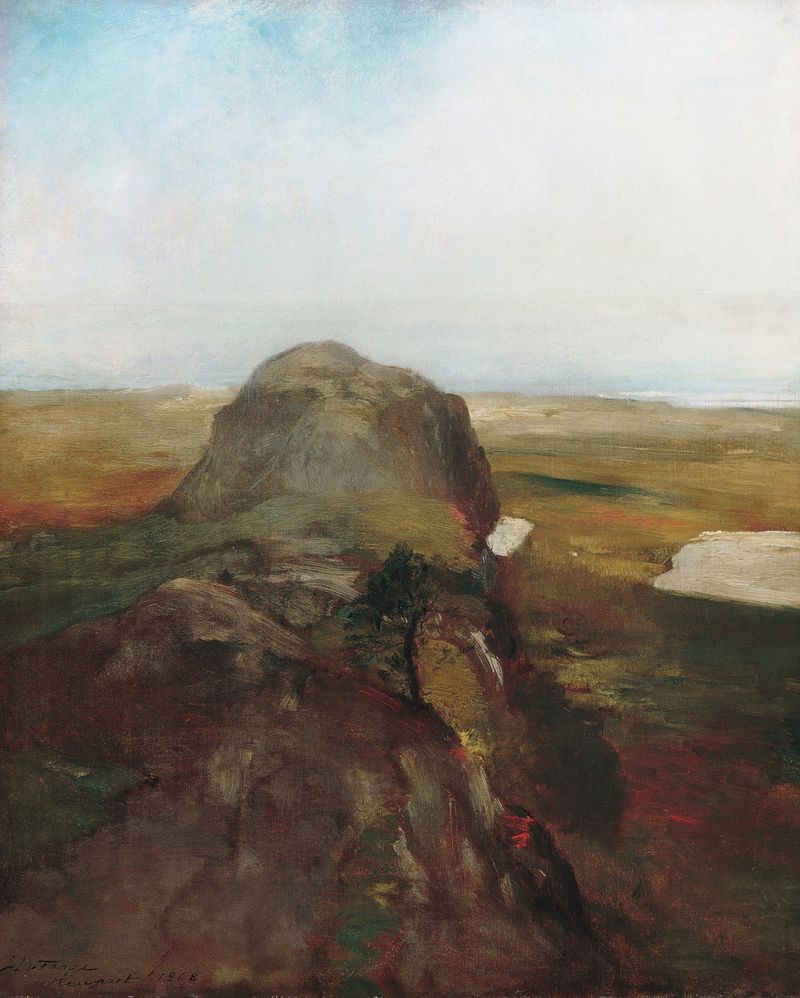
Autumn Study, View over Hanging Rock, Newport, R.I.
John La Farge
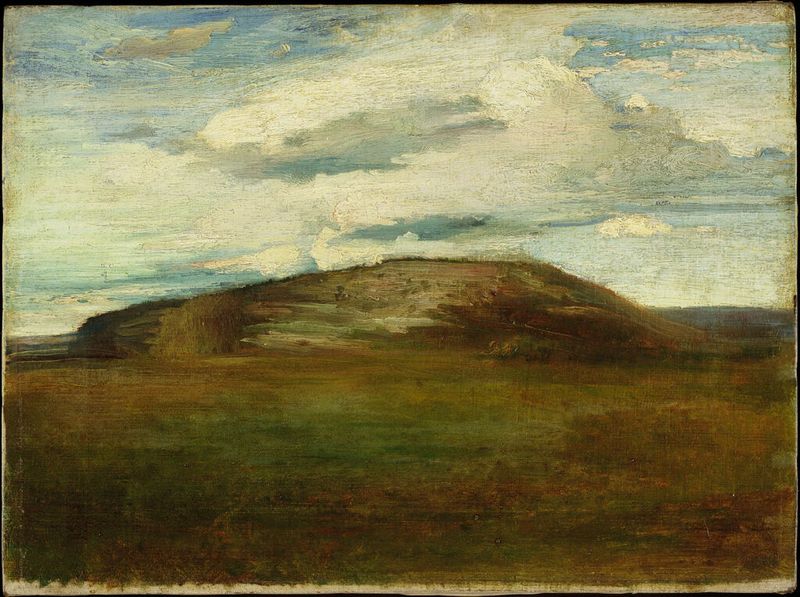
Autumn: Mid-Day, Looking North, Table-Rock Hill, Peekskill, New York
John La Farge
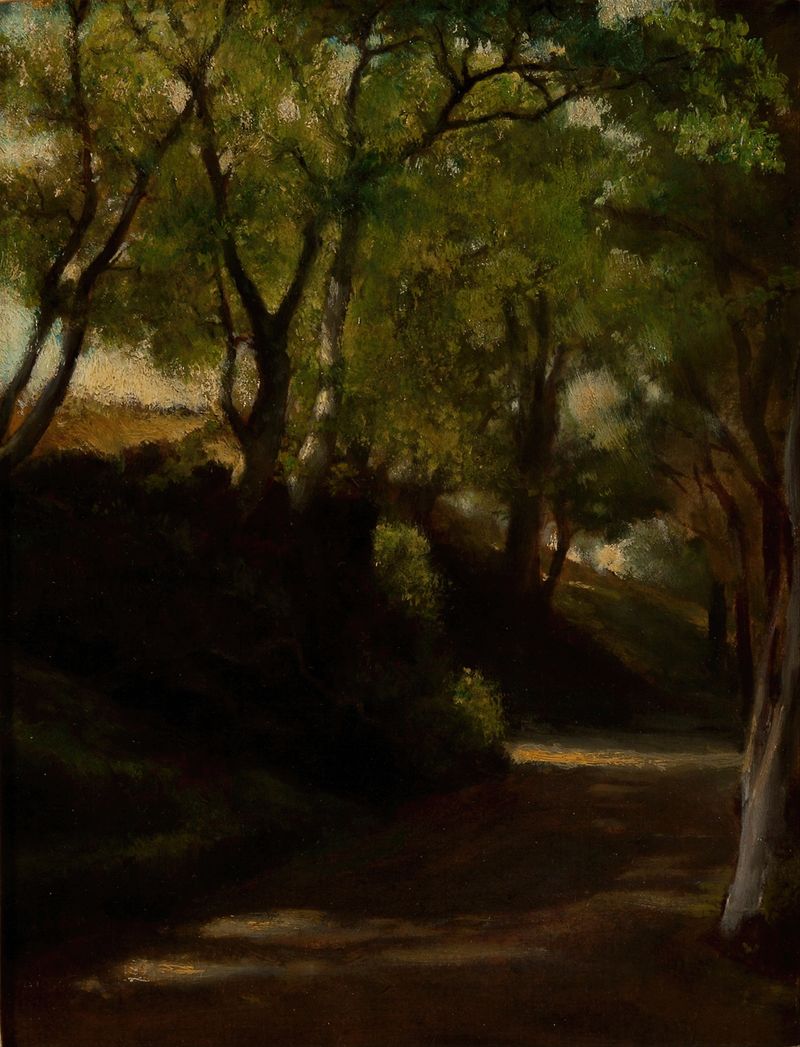
In ‘The Glen,’ Portsmouth, Rhode Island
John La Farge

The Island of Moorea Looking across the Strait from Tahiti, January 1891
John La Farge
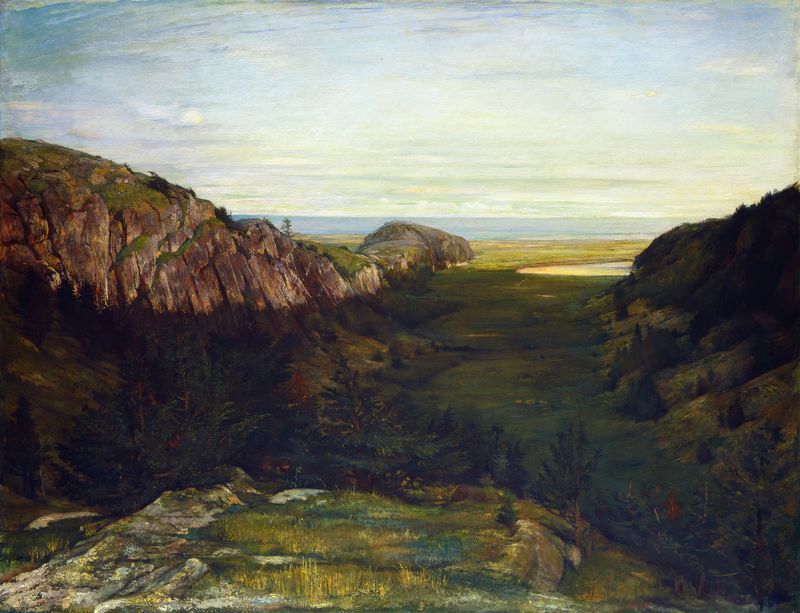
The Last Valley – Paradise Rocks
John La Farge
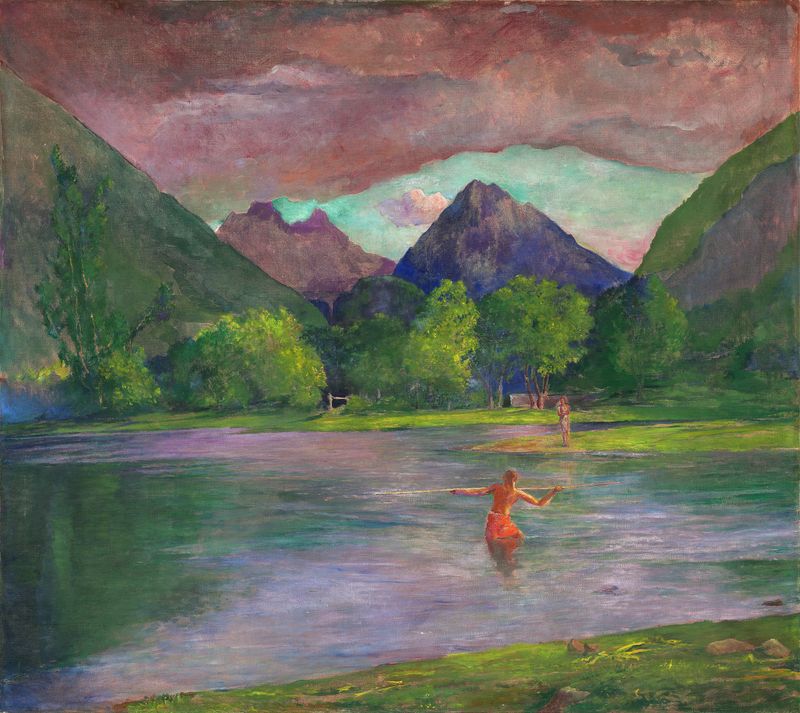
The Entrance to the Tautira River,Tahiti. Fisherman Spearing a Fish
John La Farge

Snow Field, Morning, Roxbury
John La Farge
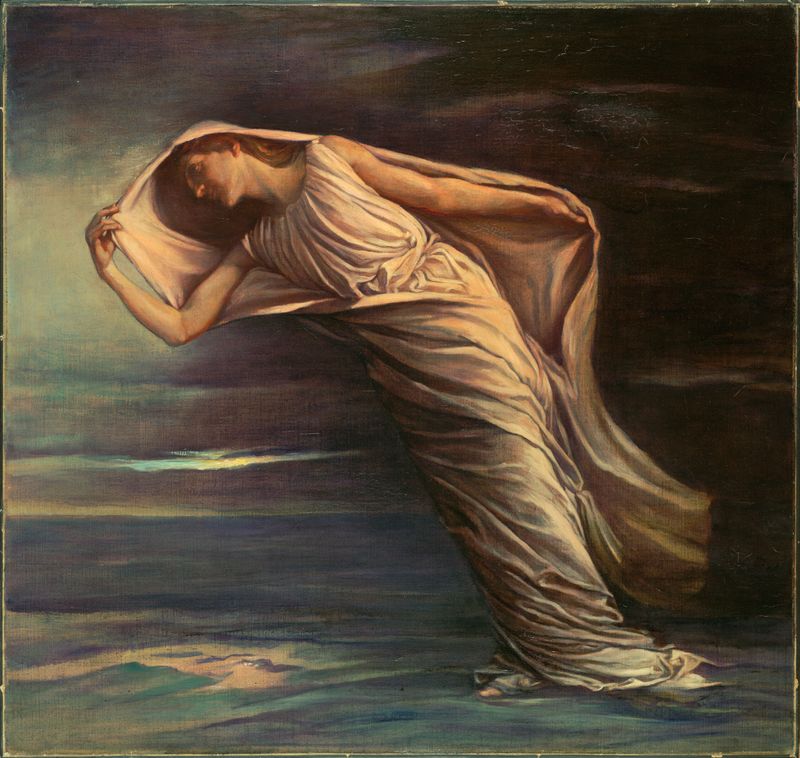
The Dawn
John La Farge

Old Boathouse Beach, Newport
John La Farge





