
Red Pagoda, Nikko — History & Facts
Who listens when art speaks of silence? In Red Pagoda, Nikko, the quietude of the scene evokes a profound yearning, inviting us to ponder the whispers of nature and tradition. Look to the center of the canvas, where the vibrant red of the pagoda commands attention, rising majestically against a backdrop of lush greenery. The artist's brushstrokes reveal an intricate interplay of light and shadow, capturing the essence of the structure with a delicate precision. Notice how the dappled sunlight filters through the trees, casting a soft glow that highlights the pagoda's architectural details and frames the scene with an ethereal warmth. As you absorb the visual harmony, consider the emotional undercurrents.
The juxtaposition of the man-made pagoda against the surrounding wilderness speaks to a timeless yearning for balance between civilization and nature. The stillness of the painting captures a moment where time seems suspended, inviting contemplation on the impermanence of beauty. Each element, from the gently swaying branches to the tranquil waters below, reflects a yearning not only for serenity but also for a connection to the past. In 1886, when this work was created, John La Farge was deeply immersed in his exploration of color and light, moving beyond mere representation to evoke emotional resonance.
He painted this scene during a visit to Japan, a time when Western artists were beginning to embrace Eastern aesthetics. The world was in transformation, and La Farge’s nuanced approach to landscapes was a bold testament to the era's artistic evolution.
More Artworks by John La Farge
Browse all →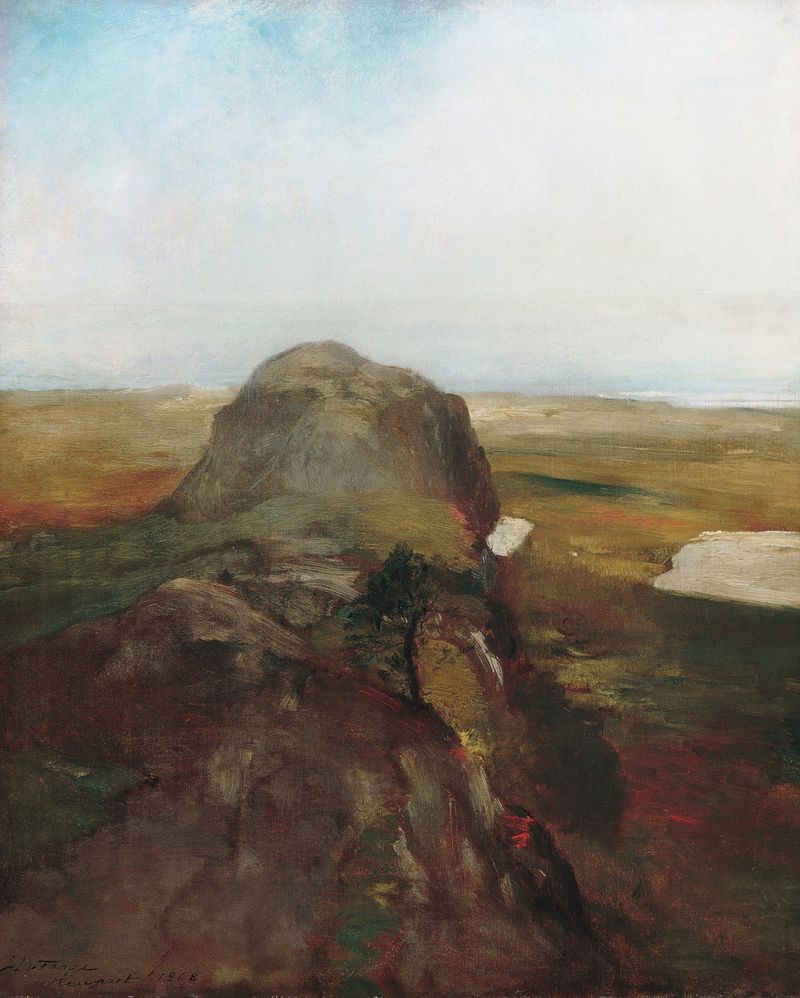
Autumn Study, View over Hanging Rock, Newport, R.I.
John La Farge
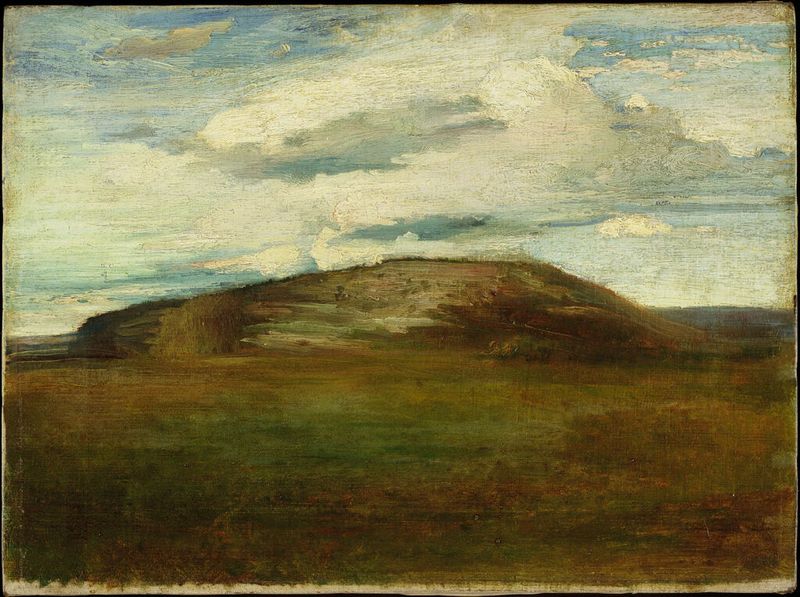
Autumn: Mid-Day, Looking North, Table-Rock Hill, Peekskill, New York
John La Farge
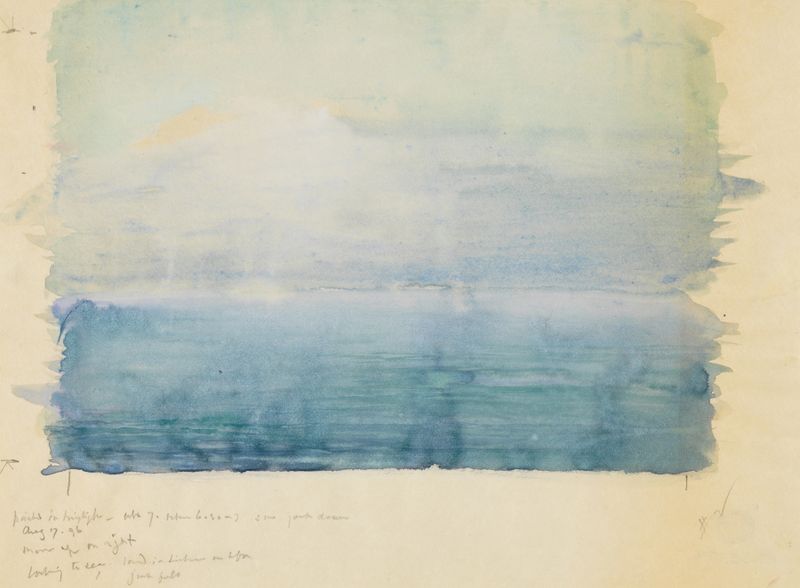
Bar Harbor, Twilight
John La Farge
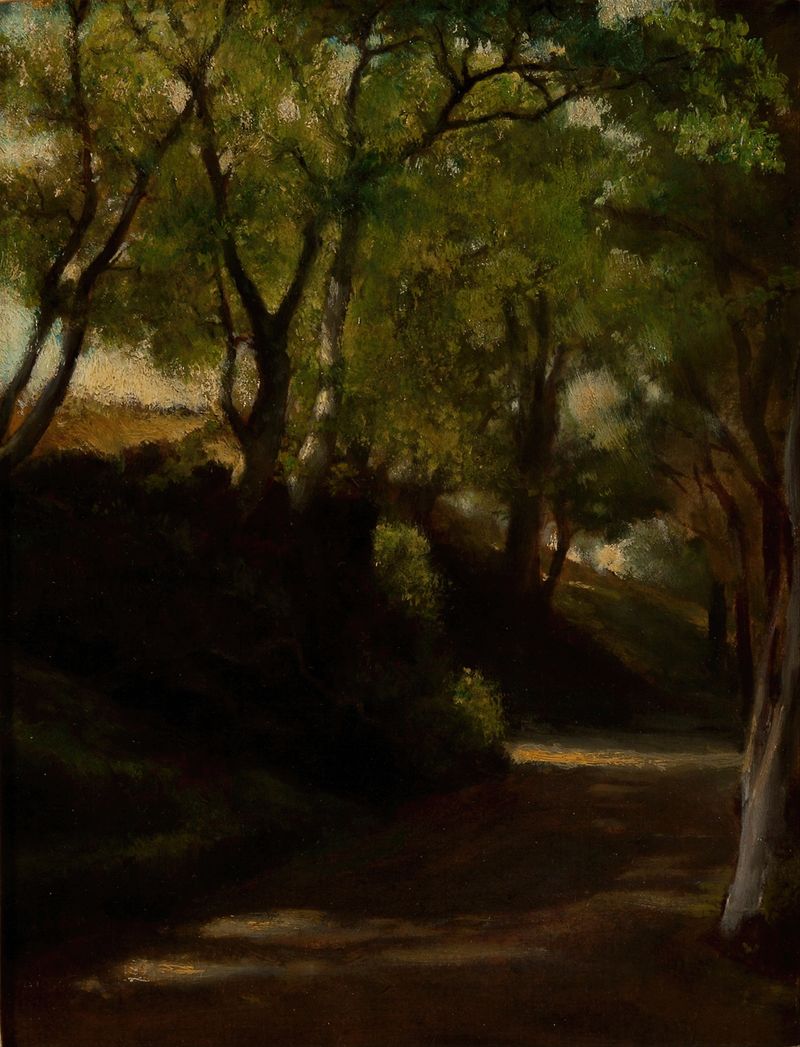
In ‘The Glen,’ Portsmouth, Rhode Island
John La Farge

The Island of Moorea Looking across the Strait from Tahiti, January 1891
John La Farge
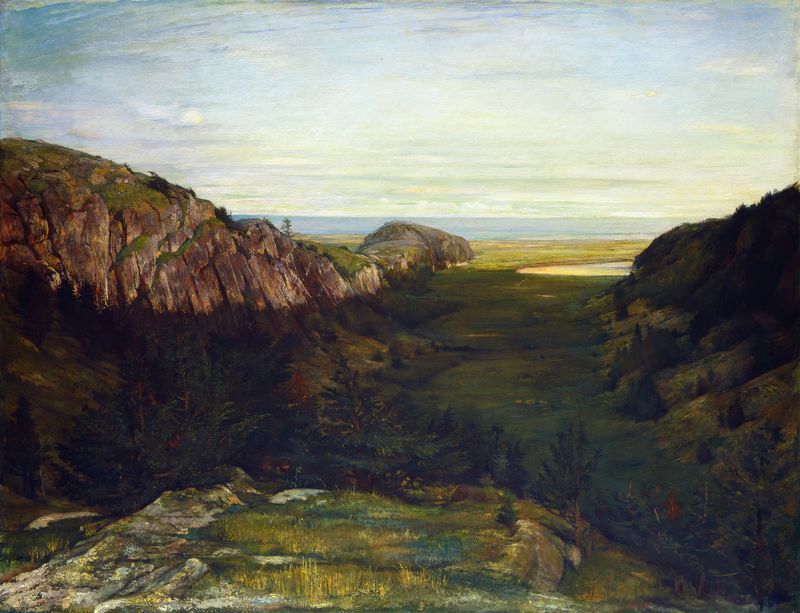
The Last Valley – Paradise Rocks
John La Farge
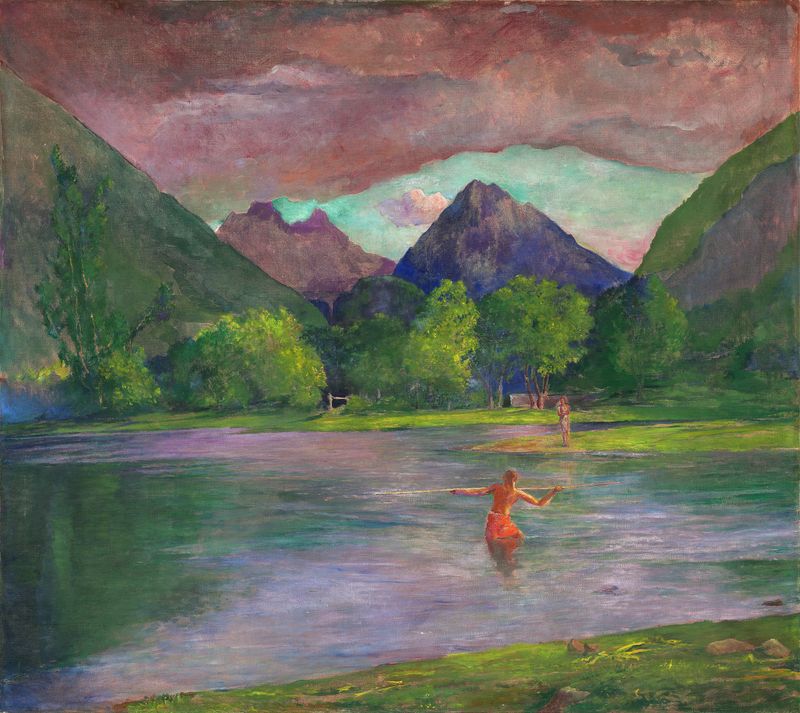
The Entrance to the Tautira River,Tahiti. Fisherman Spearing a Fish
John La Farge

Snow Field, Morning, Roxbury
John La Farge
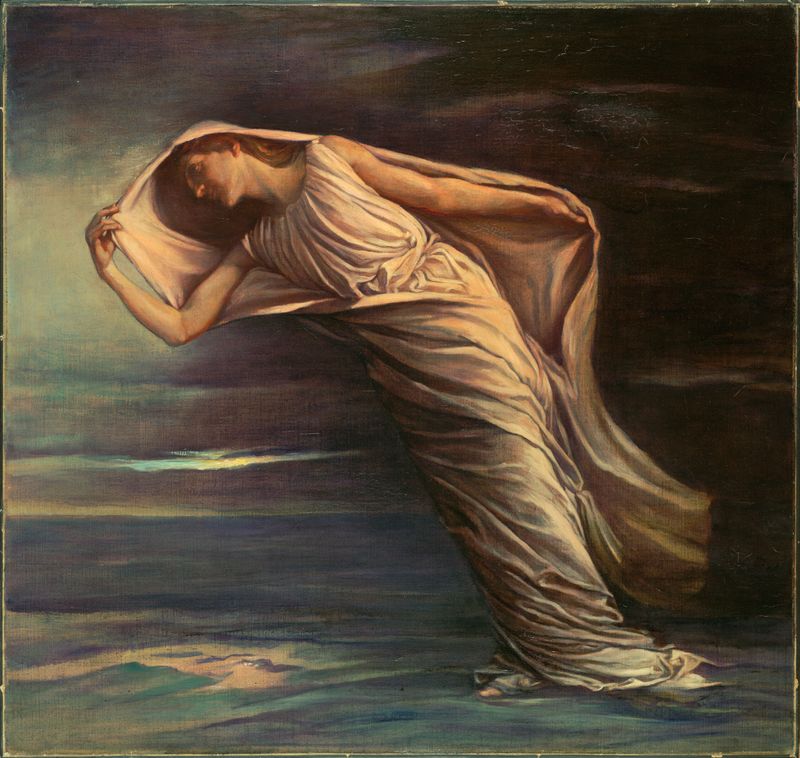
The Dawn
John La Farge

Old Boathouse Beach, Newport
John La Farge





