
Old Boathouse Beach, Newport — History & Facts
In its quiet embrace, a memory lingers, beckoning us to dive deeper into the past. Each brushstroke serves as a portal, inviting one to traverse the ephemeral nature of time and place. Look to the bottom left at the gentle curve of the shoreline, where the water meets the land, painted in soft blues and muted greens. The boathouse stands sentinel, its weathered wood and subtle hues capturing both the passage of time and the erosion of memory.
Notice how the light dances across the water’s surface, reflecting golden flecks that evoke a sense of nostalgia. La Farge’s delicate brushwork creates a harmonious balance between the softness of the clouds and the solidity of the structure, inviting our gaze to linger and reflect. Beneath this serene landscape lies a tension between permanence and transience. The boathouse, while rooted in the physical realm, symbolizes the fleeting nature of human experience—both a gathering place for memories and a reminder of their eventual fading.
The stillness of the scene contrasts with the rippling water, which suggests the ever-flowing passage of time, a fleeting moment captured yet continuously shifting. This interplay draws us into a contemplation of our own memories and the landscapes they inhabit. In 1859, La Farge painted this piece in Newport, a period marked by his exploration of color and light within the American landscape. At the time, he was deeply influenced by the burgeoning Impressionist movement, which sought to capture the essence of a moment rather than its mere representation.
This work reflects not only La Farge’s artistic evolution but also the broader shift in the art world towards embracing personal experience within the landscape genre.
More Artworks by John La Farge
Browse all →
Red Pagoda, Nikko
John La Farge
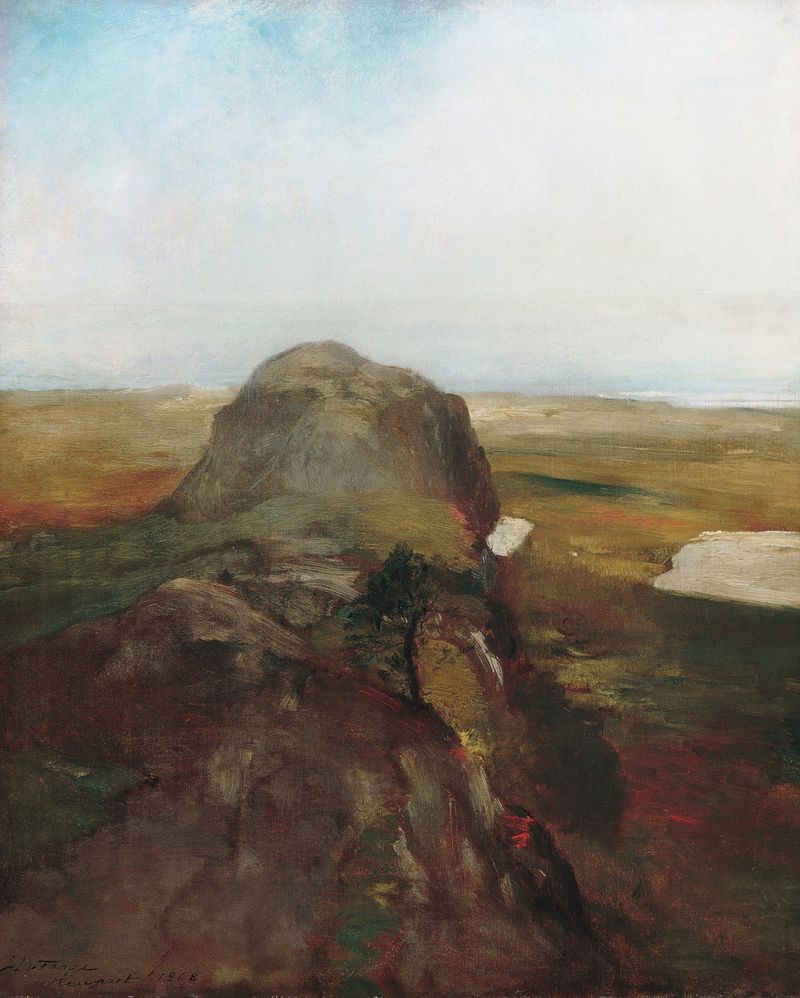
Autumn Study, View over Hanging Rock, Newport, R.I.
John La Farge
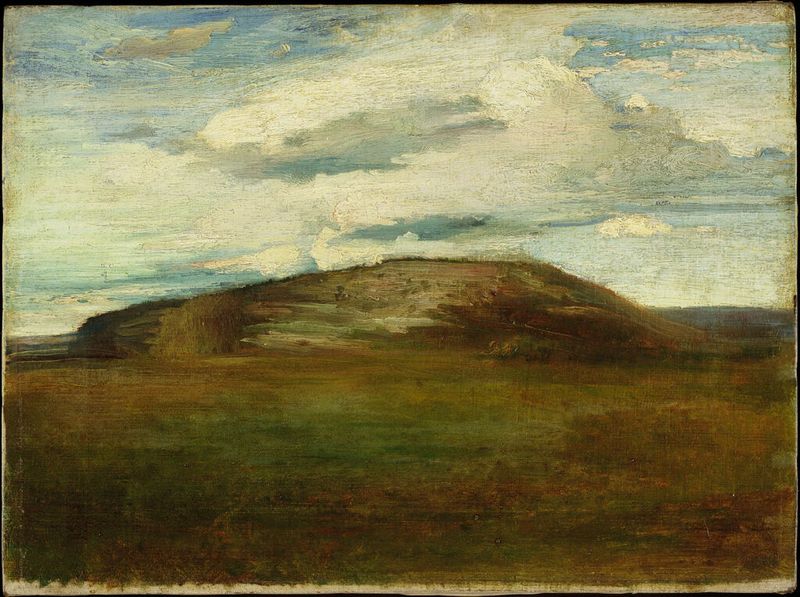
Autumn: Mid-Day, Looking North, Table-Rock Hill, Peekskill, New York
John La Farge
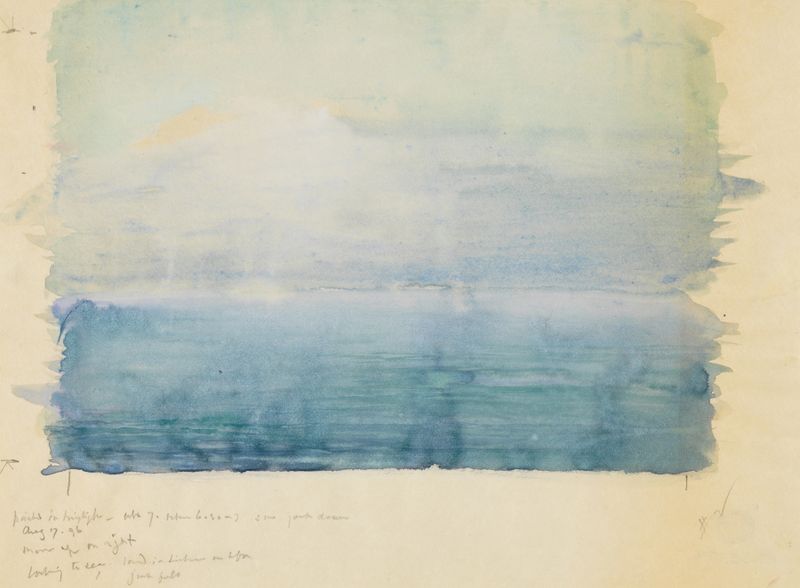
Bar Harbor, Twilight
John La Farge
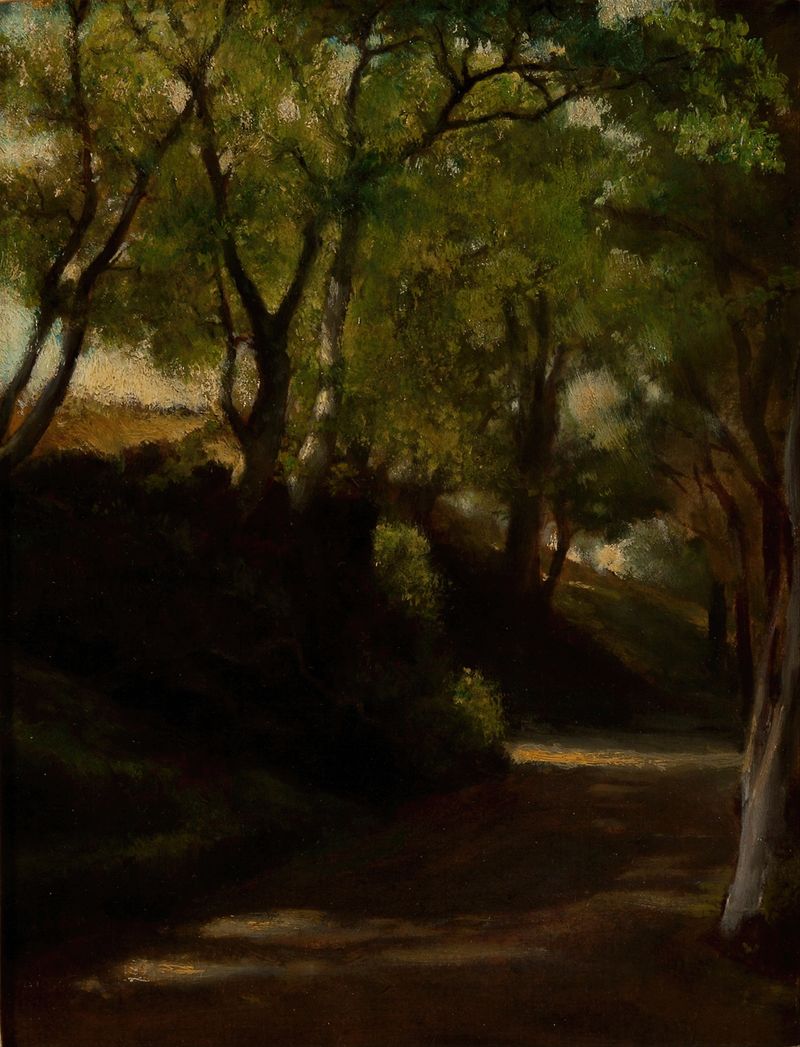
In ‘The Glen,’ Portsmouth, Rhode Island
John La Farge

The Island of Moorea Looking across the Strait from Tahiti, January 1891
John La Farge
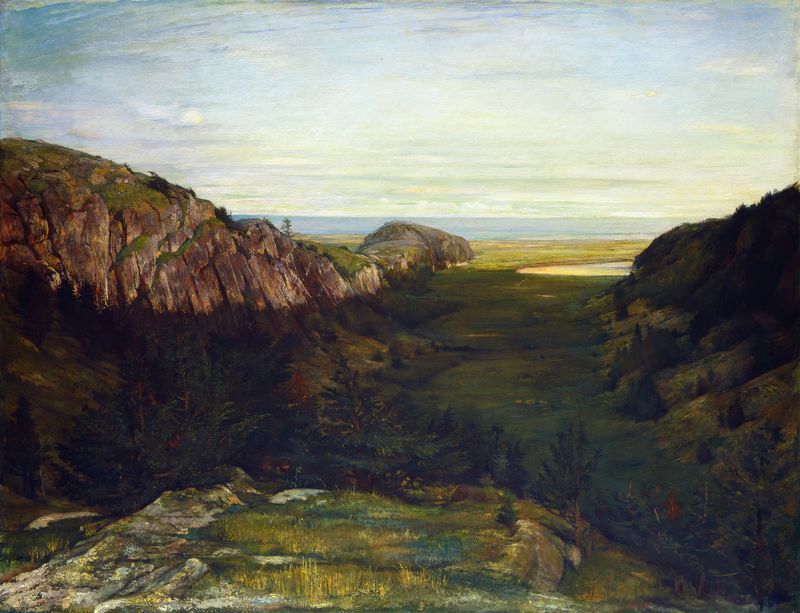
The Last Valley – Paradise Rocks
John La Farge
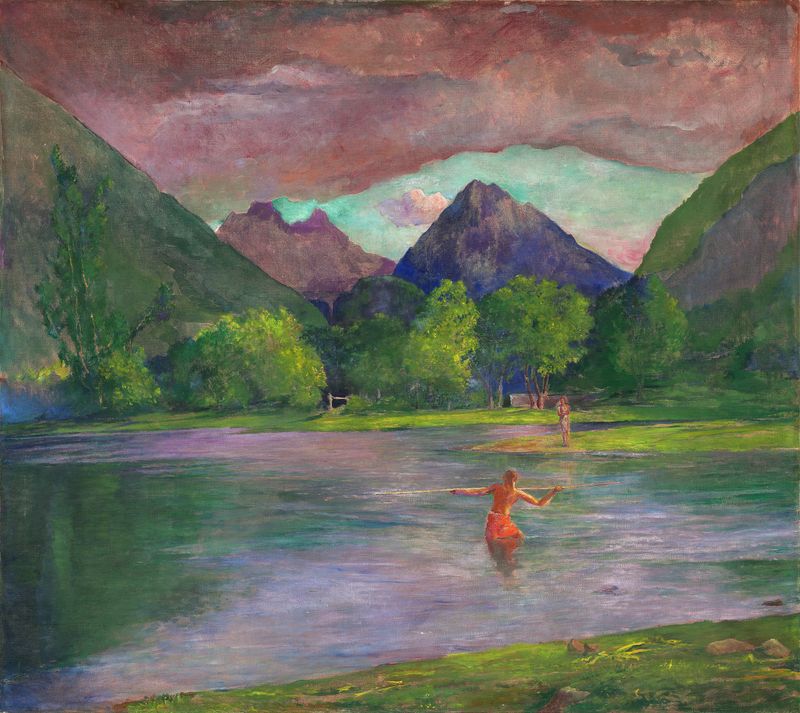
The Entrance to the Tautira River,Tahiti. Fisherman Spearing a Fish
John La Farge

Snow Field, Morning, Roxbury
John La Farge
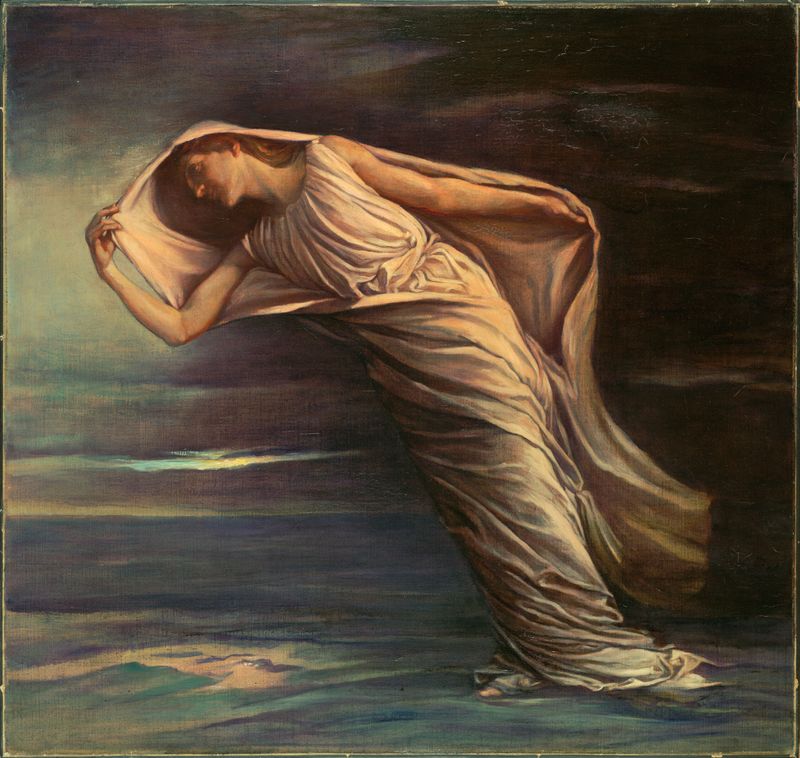
The Dawn
John La Farge





