In The Nunnery Garden — History & Facts
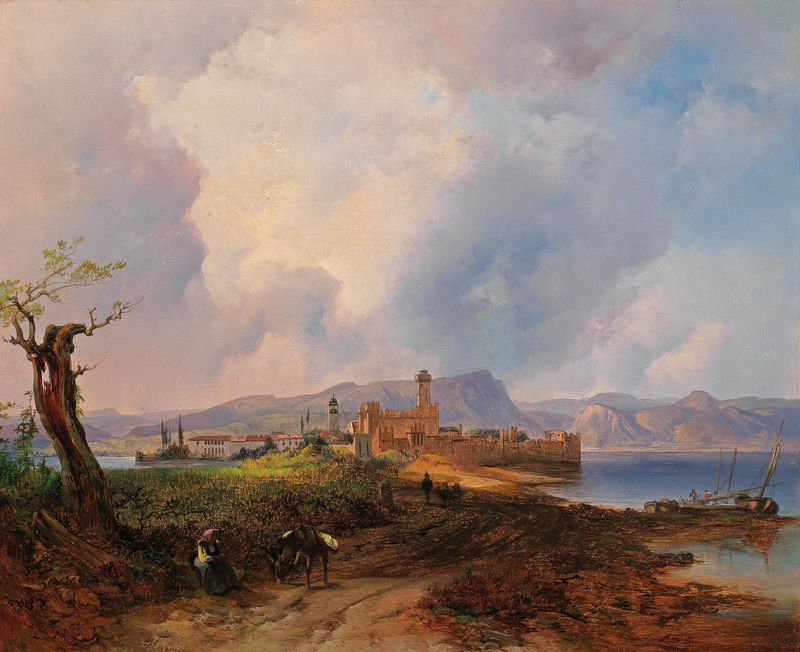
In a tranquil garden framed by whispering trees, soft sunlight filters through the leaves, dappling the cobblestone path below. A solitary figure, robed in muted tones, tends to vibrant blooms, her gentle hands weaving through petals and thorns, creating a fragile balance between nature and solitude. The air is thick with the scent of blossoming flowers, and the stillness is punctuated only by the distant sound of a soft breeze, as if the world outside this sacred space is holding its breath. Look to the left, where an array of colorful flowers bursts forth, each hue vibrating with life against the cool greens of the foliage.
Notice how the light falls delicately upon the woman, illuminating her features yet casting shadows that suggest a deeper contemplation. The composition leads the eye through the garden, inviting you to explore the interplay of color and texture, while the meticulous brushwork reveals the artist's intent to capture both the beauty and the transient nature of this serene setting. In this intimate portrayal, the contrast between the exuberance of the blooms and the woman’s quiet presence speaks volumes about the search for harmony. The juxtaposition of vibrant colors against the more subdued palette of her attire reflects the duality of life and contemplation, emphasizing a silent dialogue between the inner and outer worlds.
The garden acts as a metaphor for spiritual growth, where the act of nurturing plants mirrors the nurturing of one’s soul. Anton Hansch painted In The Nunnery Garden during an undetermined period, likely amid the flourishing of artistic exploration in the late 19th or early 20th century. Little is known about his life during this time, yet he was part of a larger movement that sought to connect nature with introspection, reflecting the burgeoning interest in personal expression and the spiritual dimensions of art.
More Artworks by Anton Hansch
Browse all →
Eiger Mönch Jungfrau
Anton Hansch

Partie vom Hintersee mit Mühlsturzhorn (Bayern)
Anton Hansch

Blick Auf Den Gardasee (Lake Garda)
Anton Hansch

A Mountain Landscape With A Smithy
Anton Hansch

A Mountain Torrent
Anton Hansch
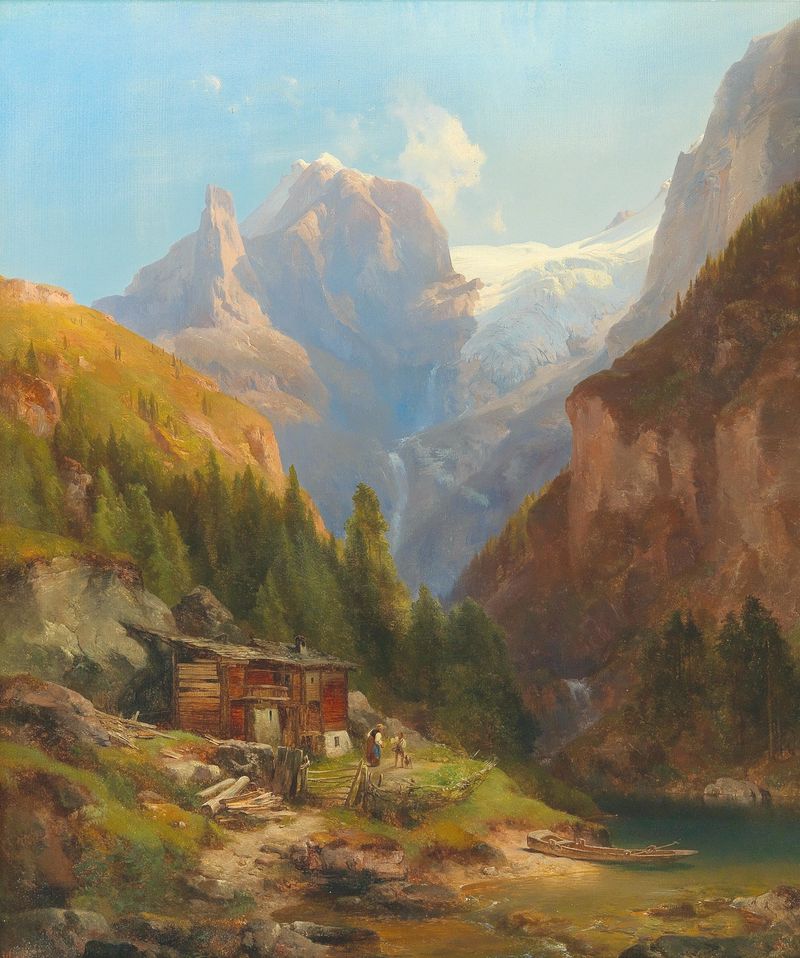
Blick Auf Den Goldeck Kees
Anton Hansch

Der Großglockner
Anton Hansch

A View of the Gurgler Eissee in the Ötztal Alps, Tyrol
Anton Hansch
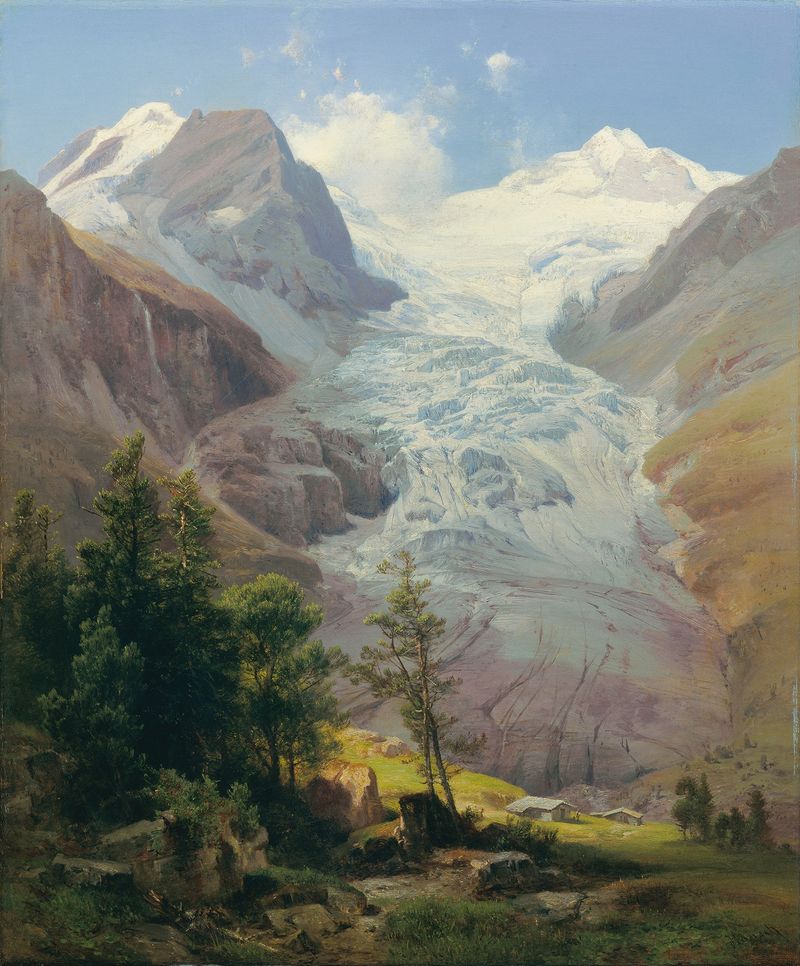
Der Palügletscher
Anton Hansch
Sirmione
Anton Hansch