
In the Nursery — History & Facts
What draws the viewer in first is the quiet drama unfolding at floor level: a baby, naked and determined, crawls across a sunlit carpet while two women—one in crisp white apron and cap, the other in a delicate blue gown—watch with encouragement and delight. The artist, Albert Edelfelt, has chosen a moment of everyday triumph, where the smallest movement is met with anticipation and pride. The light falls generously on the child, making the baby’s skin almost glow against the darker, richly furnished room, while the adults remain half in shadow, their attention wholly absorbed by this simple milestone.
The composition pulls the eye from the baby's tentative hands to the gentle smiles of the women, creating a circle of care and intimacy. Painted in 1885, In the Nursery belongs to a period when scenes of domestic life were gaining new importance in European art, reflecting changing attitudes toward childhood and family. Artists like Edelfelt, working in the late nineteenth century, responded to a growing middle class that valued comfort, privacy, and the rituals of home. Such works were often commissioned or collected to celebrate these ideals, and today this painting resides in the Hermitage Museum’s collection, a testament to its era’s fascination with the ordinary wonders of family life.
The world outside may be turbulent, but here, in the nursery, every gesture and glance is a quiet act of hope—inviting us to look again and find meaning in the everyday.
More Artworks by Albert Edelfelt

The Day of Rest
Albert Edelfelt
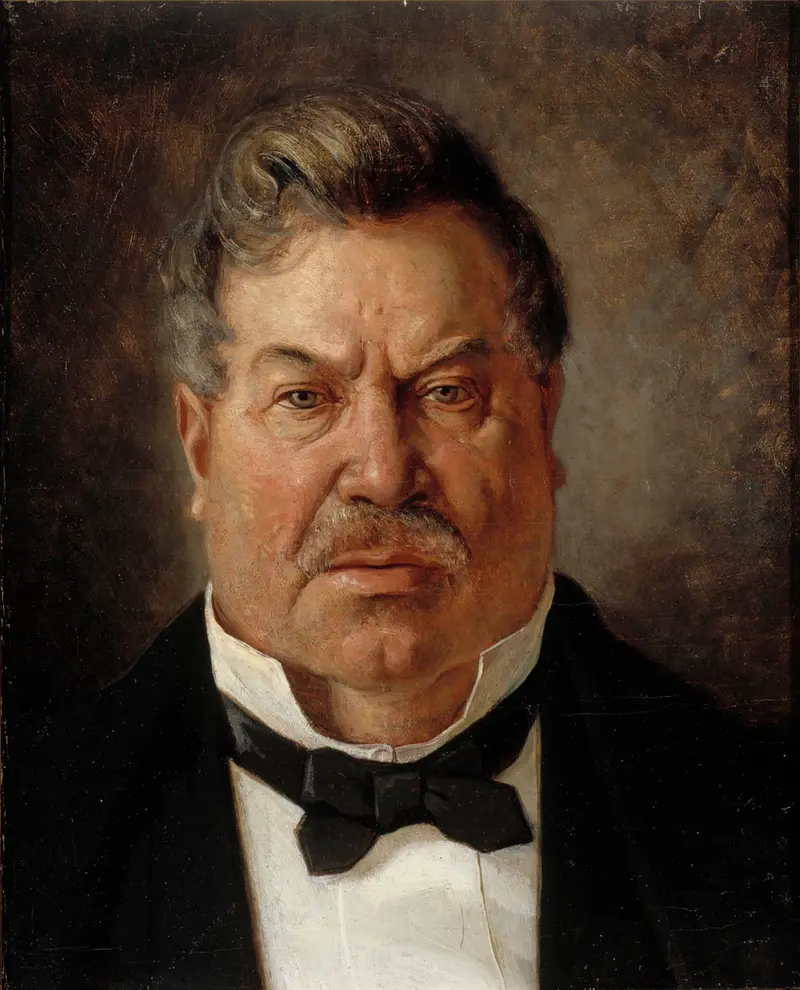
Portrait of August Streng
Albert Edelfelt
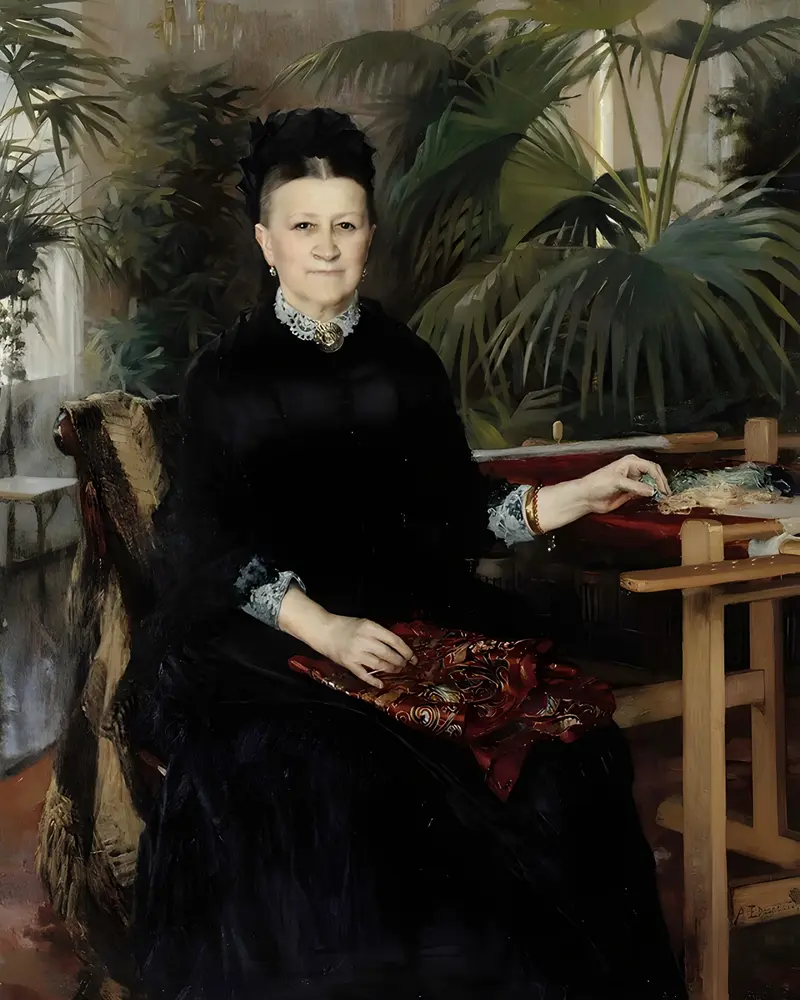
Portrait Of Mrs. Anna Sinebrychoff
Albert Edelfelt

The Poet, Larin Paraske
Albert Edelfelt

Parisian lady in a Peignoir
Albert Edelfelt
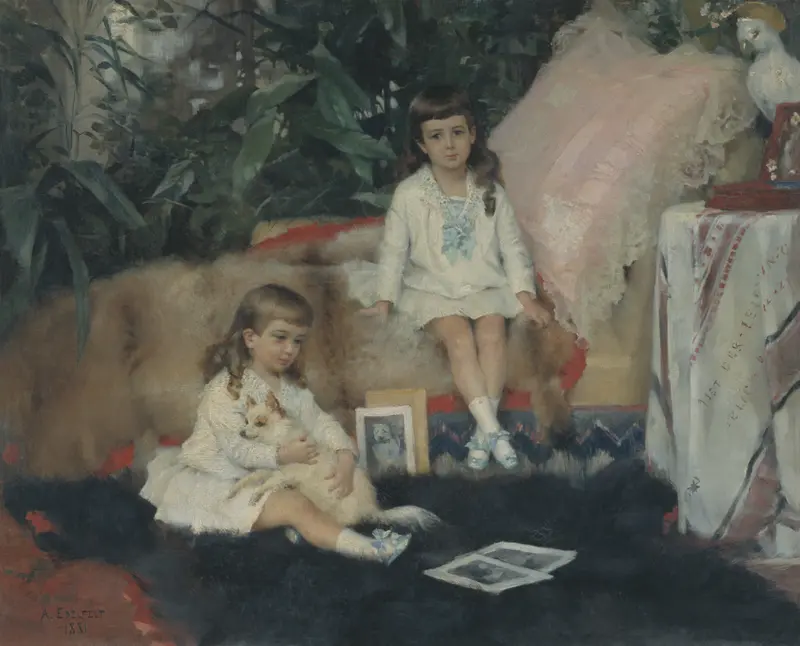
The Grand Dukes Boris and Kirill Vladimirovich as Children
Albert Edelfelt
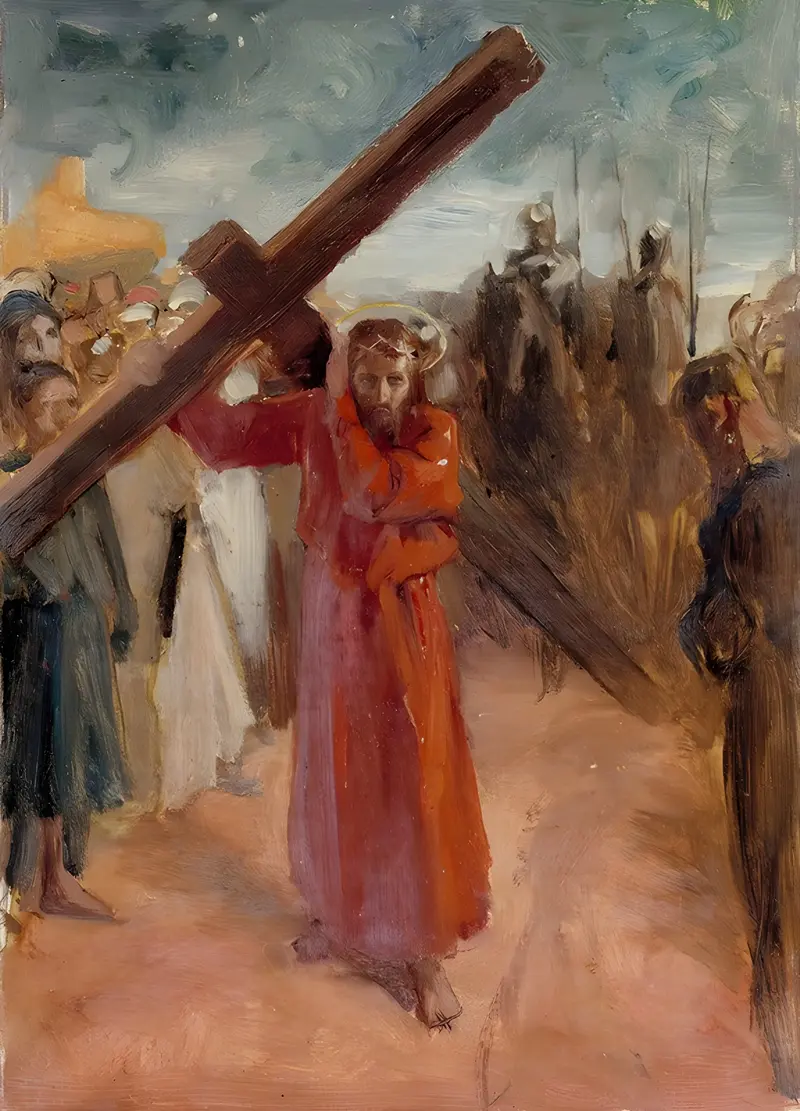
Christ Bears The Cross
Albert Edelfelt
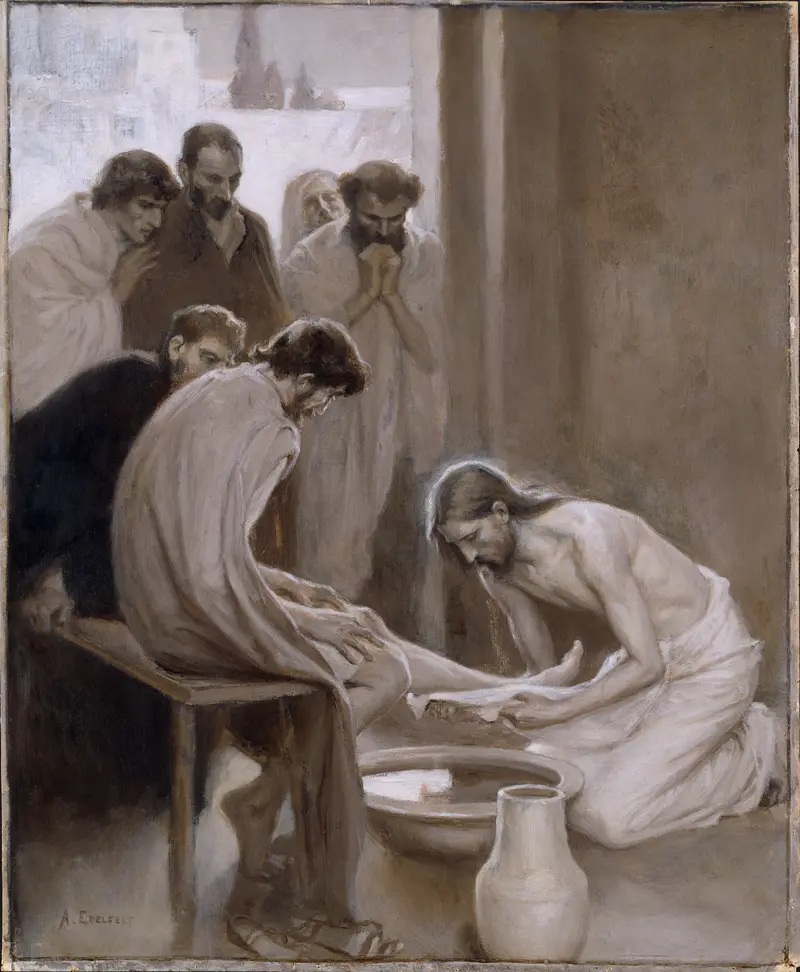
Jesus Washing the Feet of his Disciples
Albert Edelfelt

Larin Paraske with Kantele
Albert Edelfelt
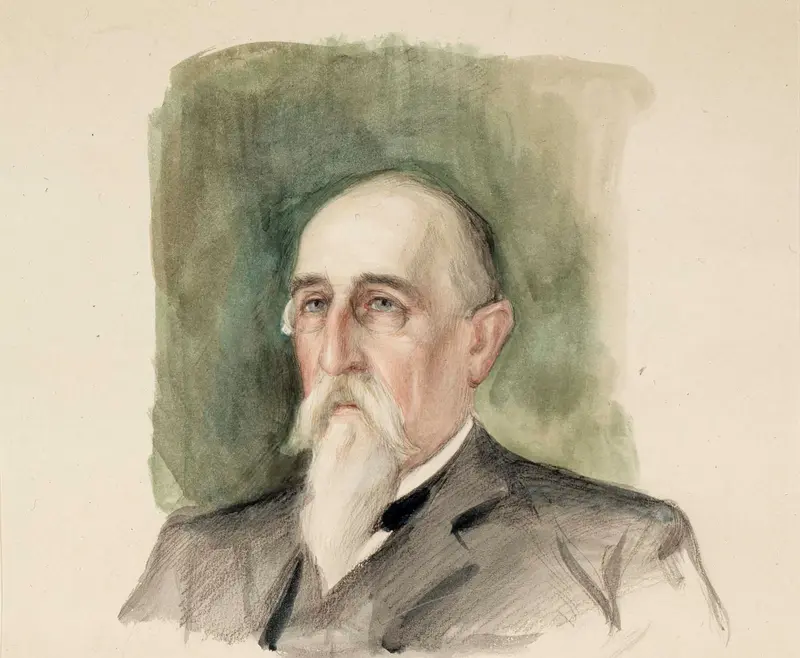
Leo Mechelin, Portrait Study
Albert Edelfelt
More Genre Scene Art

Banquet of the Officers of the St George Civic Guard
Frans Hals

Rembrandt and Saskia in the Scene of the Prodigal Son
Rembrandt van Rijn

Bal du moulin de la Galette
Pierre-Auguste Renoir

Quadrille at the Moulin Rouge
Henri de Toulouse-Lautrec

A Burial at Ornans
Gustave Courbet

When Will You Marry?
Paul Gauguin