
In the port of Veere — History & Facts
When did color learn to lie? As the hues of In the port of Veere shimmer and blend, the questions linger, inviting us to peer deeper into the essence of existence and perception. This artwork beckons us to confront the void—a space filled with unspoken narratives and whispered contemplations. Look to the center of the canvas, where the gentle play of light kisses the surface of the tranquil water. The soft blues and greens seem to dance in harmony, guiding the viewer's gaze toward the distant horizon.
Notice how the boats, tenderly rendered, appear almost ethereal, their outlines blurred, suggesting a fleeting moment caught between reality and imagination. Morgenstern's brushwork and choice of pastel colors imbue the scene with a meditative quality, as if time itself has slowed, urging a deeper reflection. In the delicate balance between the boats and the serene water, there exists a tension between presence and absence. The empty spaces echo with a sense of longing, hinting at life beyond the frame.
Each wave, painted with a gentle hand, speaks to the passage of time, while the stillness serves as a reminder of the perpetual dance between solitude and connection. The interplay of light and shadow creates a dialogue that challenges our understanding of perception, ultimately revealing the beauty in what is left unspoken. Friedrich Ernst Morgenstern painted In the port of Veere in 1882 during a period marked by a growing interest in impressionism across Europe. Living in the Netherlands, he was influenced by the coastal landscapes and the interplay of light, which became central themes in his work.
This was a time when artists were increasingly exploring the emotional resonance of color and form, breaking free from traditional realism to explore the inner workings of perception.
More Artworks by Friedrich Ernst Morgenstern
Browse all →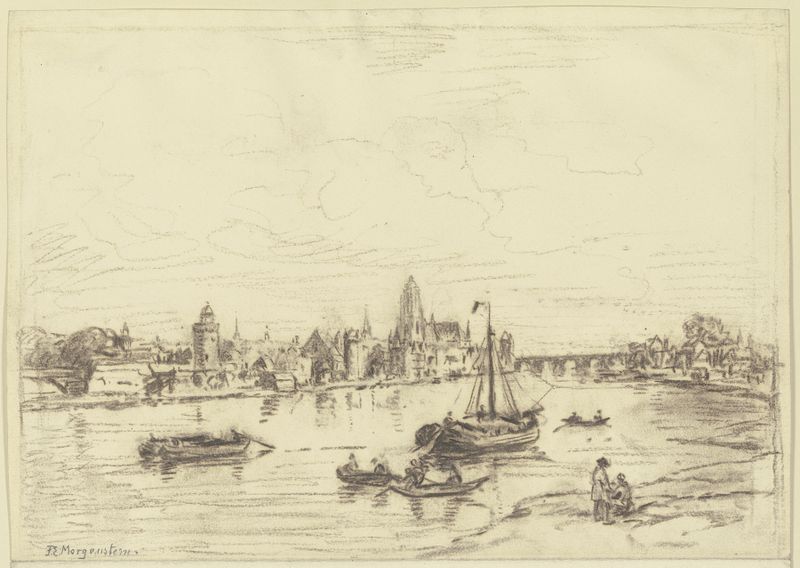
View of Frankfurt
Friedrich Ernst Morgenstern

On the Scheldt near Veere
Friedrich Ernst Morgenstern
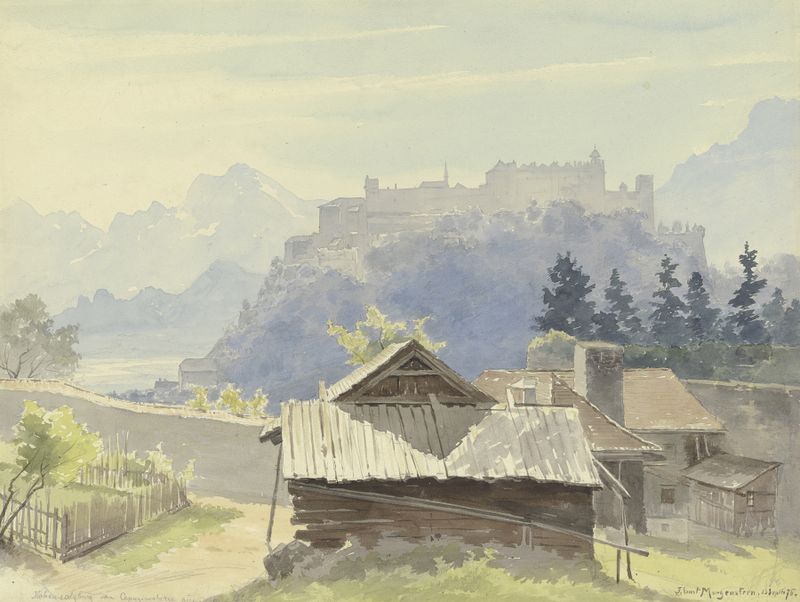
Hohensalzburg vom Kapuzinerberg aus gesehen
Friedrich Ernst Morgenstern
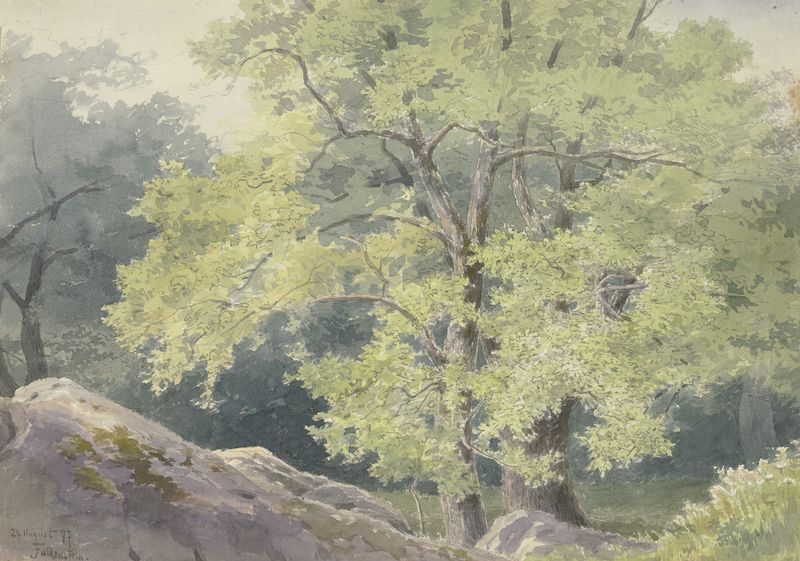
In the forest near Falkenstein
Friedrich Ernst Morgenstern
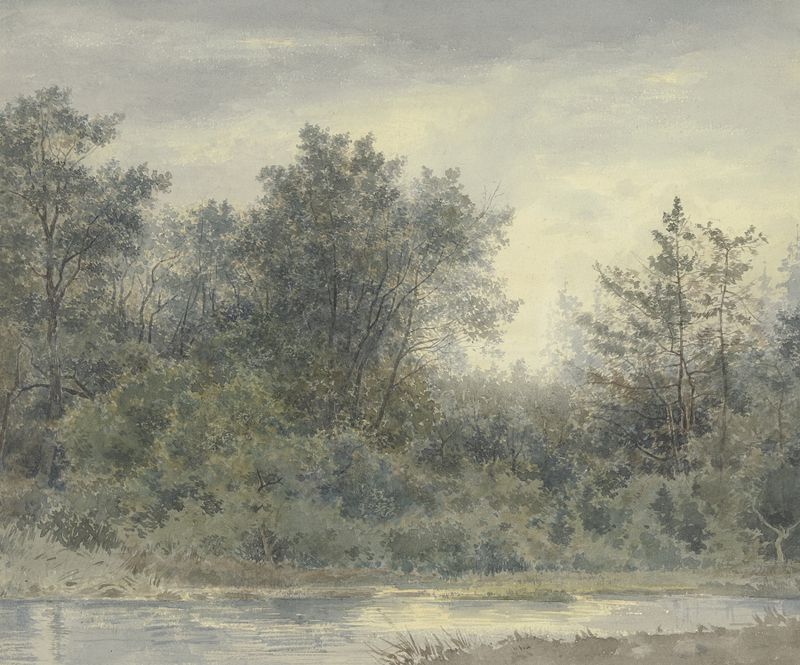
Wood by the water
Friedrich Ernst Morgenstern
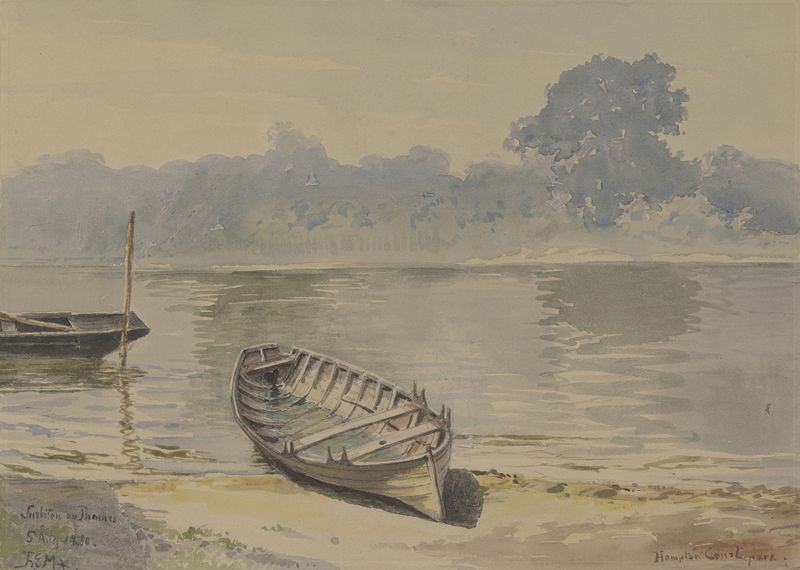
From Hampton Court Park
Friedrich Ernst Morgenstern
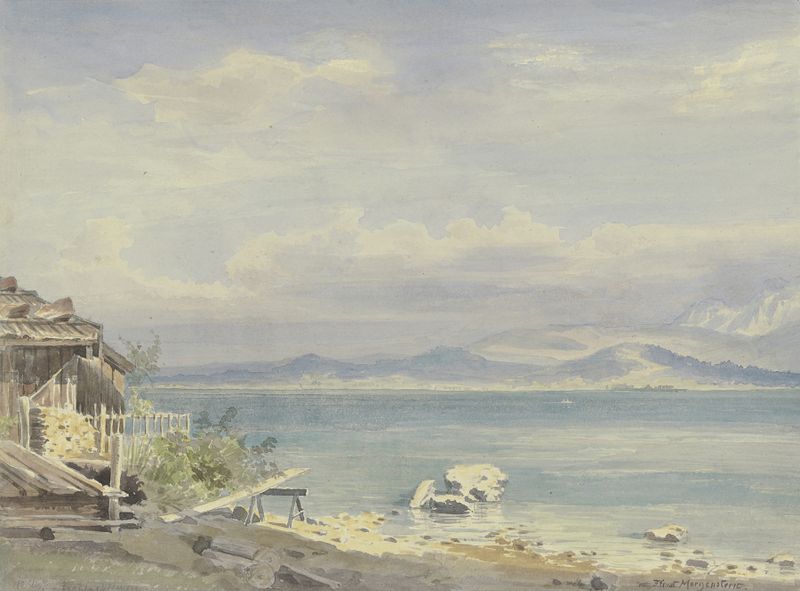
Frauenchiemsee
Friedrich Ernst Morgenstern
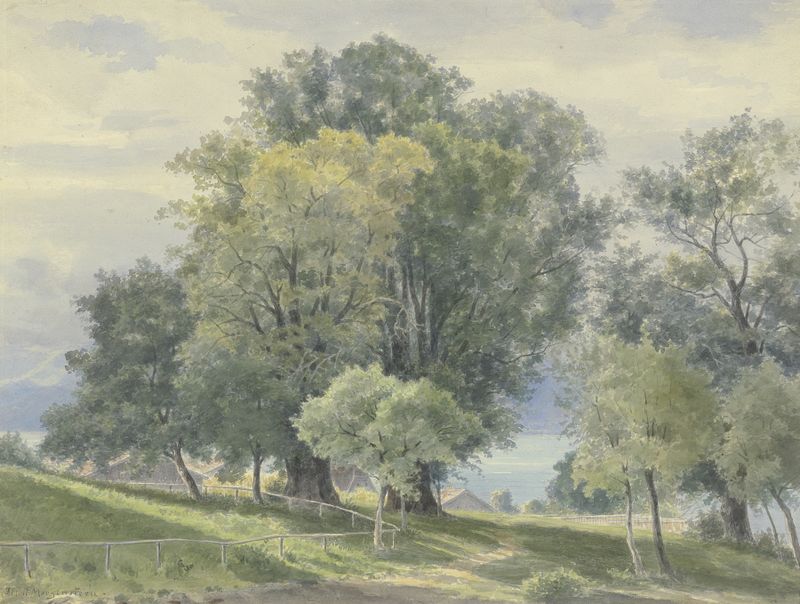
Frauenchiemsee
Friedrich Ernst Morgenstern
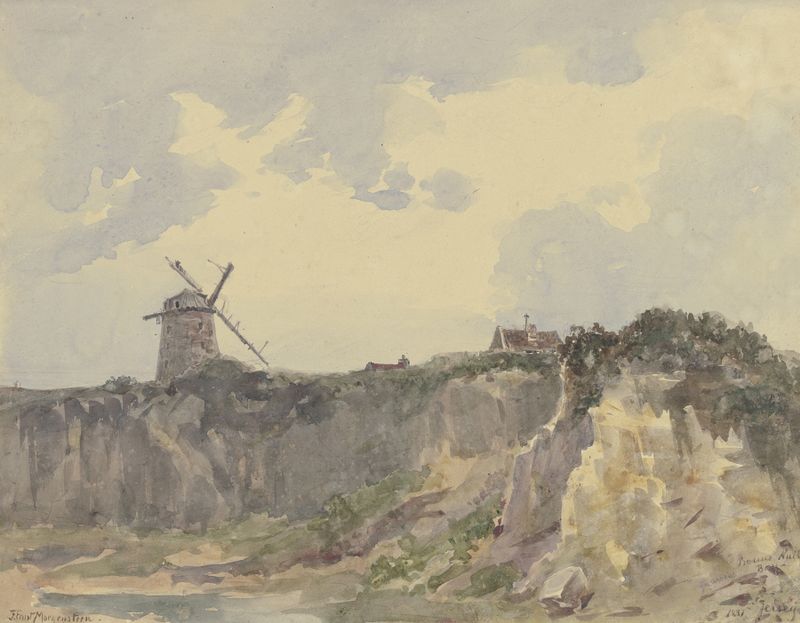
Küstenlandschaft der Bonne Nuit Bay
Friedrich Ernst Morgenstern
Dune near De Panne
Friedrich Ernst Morgenstern





