
In the Woods — History & Facts
What draws the eye first in In the Woods by Albert Anker is not just the stillness, but the gentle collapse of a young girl into sleep, her body surrendered to the roots and leaf-litter at the base of an ancient tree. The careful rendering of her relaxed hand, still loosely clutching a branch, hints at the task abandoned—gathering wood, perhaps, interrupted by fatigue too deep to resist. The forest does not threaten; instead, it shelters, with the filtered light softly illuminating her face and the rough textures of bark and moss.
The artist’s palette is earthy and subdued, reinforcing the sense of quiet absorption into nature, while the careful detailing of her clothing and bare feet roots the scene in rural reality rather than fantasy. Painted in 1865, this work belongs to a period when European artists, particularly in Switzerland and France, turned their attention to the everyday lives of rural people, often with a sense of empathy and dignity. Albert Anker was renowned for his sensitive portrayals of children and village life, and here he finds a moment of vulnerability and peace within the rhythms of labor. Such images were cherished by a growing middle class, nostalgic for a vanishing countryside and the simplicity it represented.
This painting, now recorded in the Joconde database, is a testament to that era’s fascination with the poetry of ordinary existence—inviting us to pause, as the girl has, and linger over the quiet details that fill the forest floor.
More Artworks by Albert Anker

Portrait Of A Girl
Albert Anker
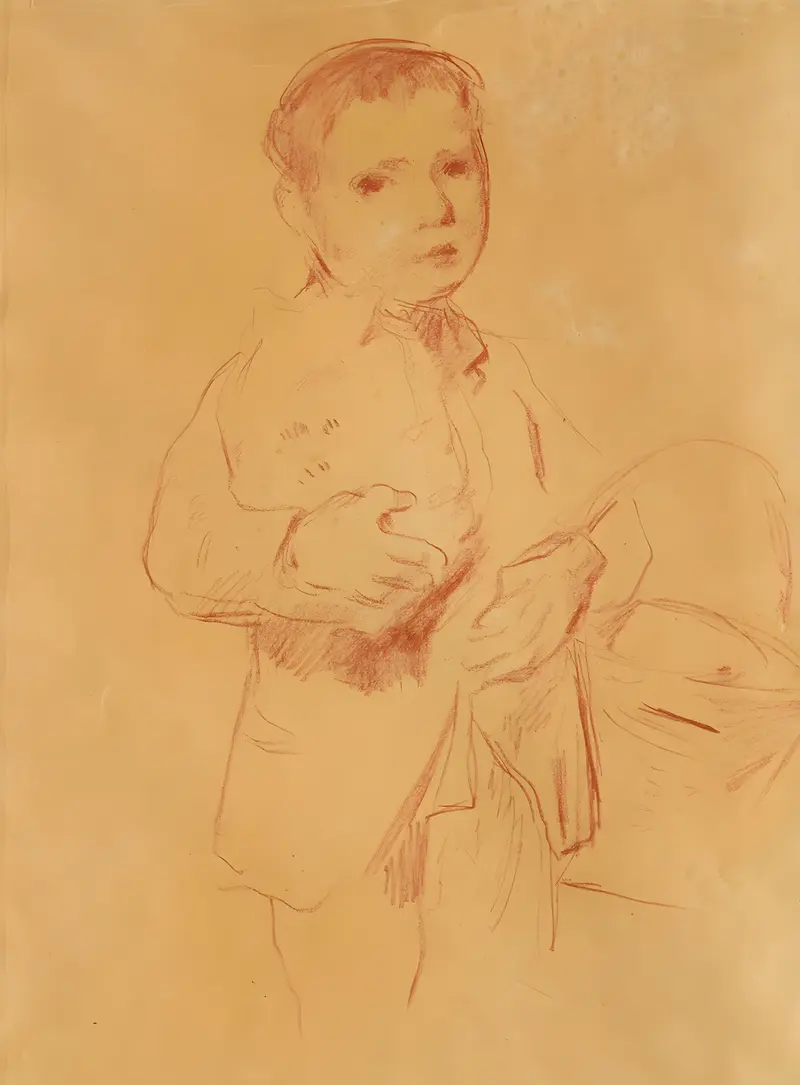
Boy with a basket
Albert Anker
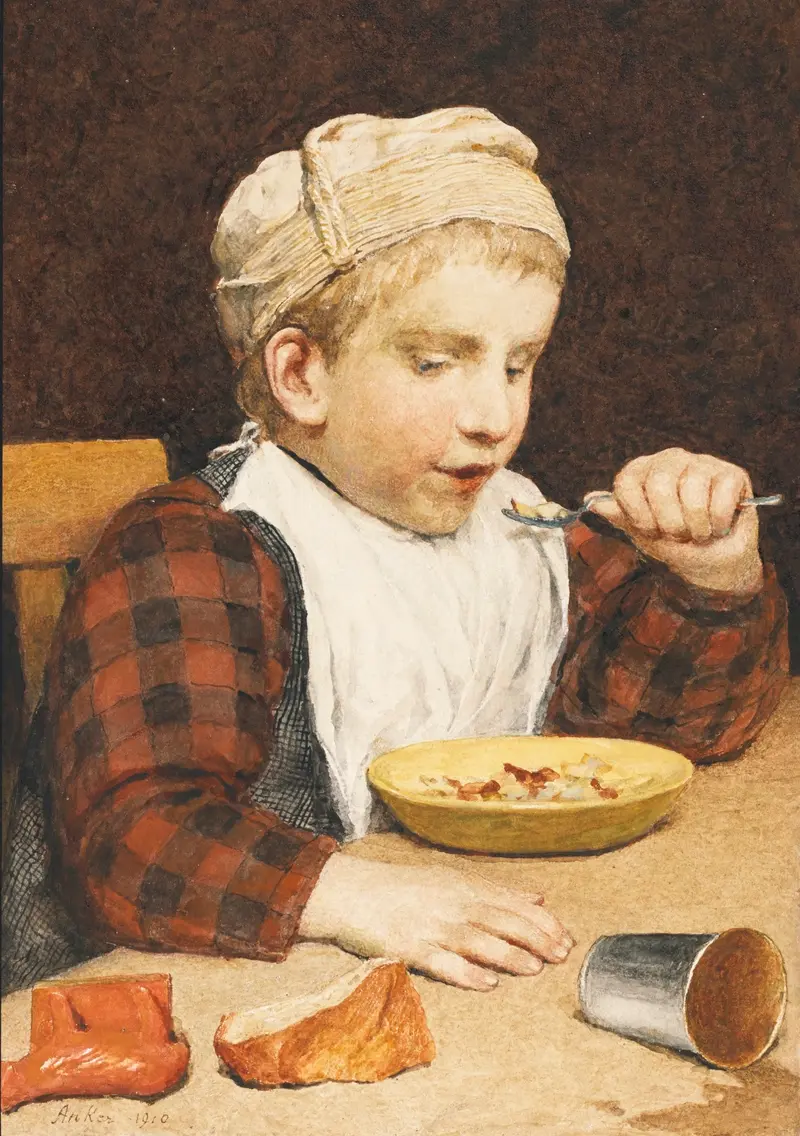
Knabe Mit Mütze Beim Essen
Albert Anker
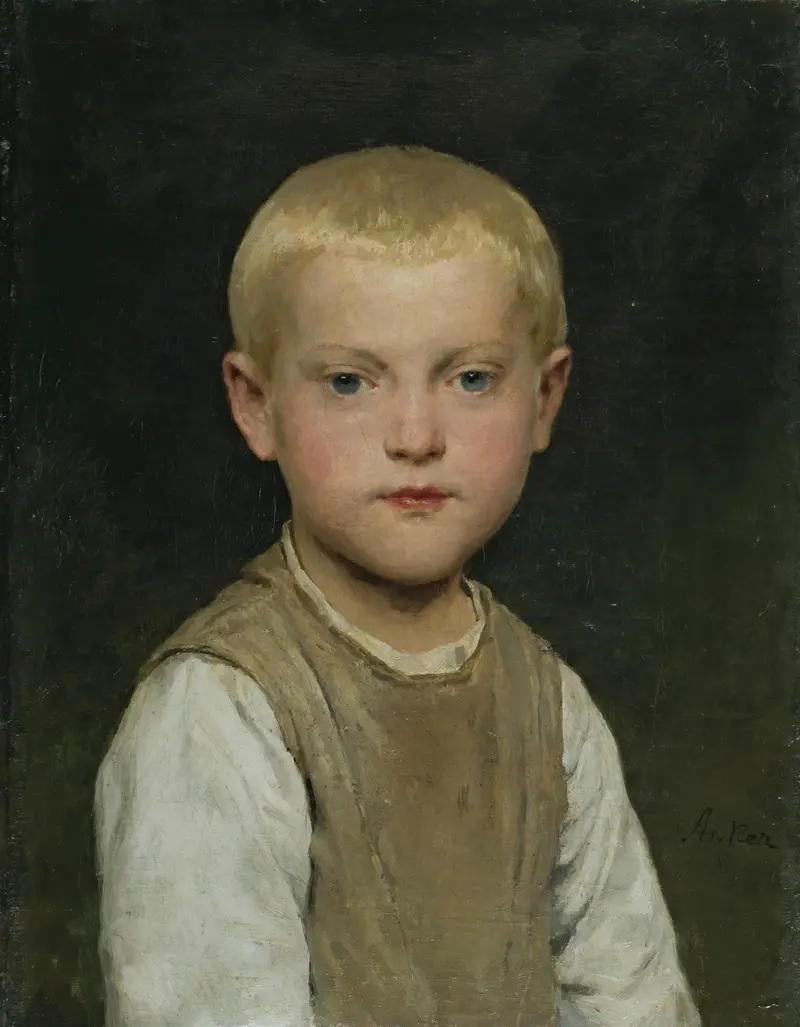
Knabenbildnis (Dr Heiri)
Albert Anker
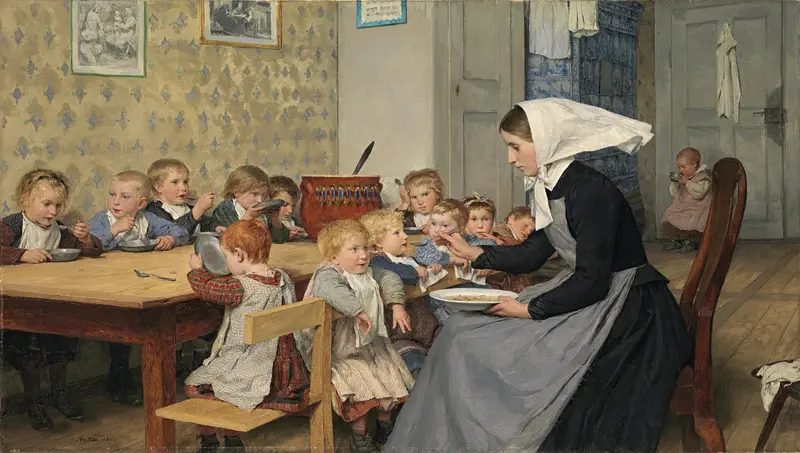
Die Kinderkrippe I
Albert Anker

L’instituteur et le pasteur
Albert Anker
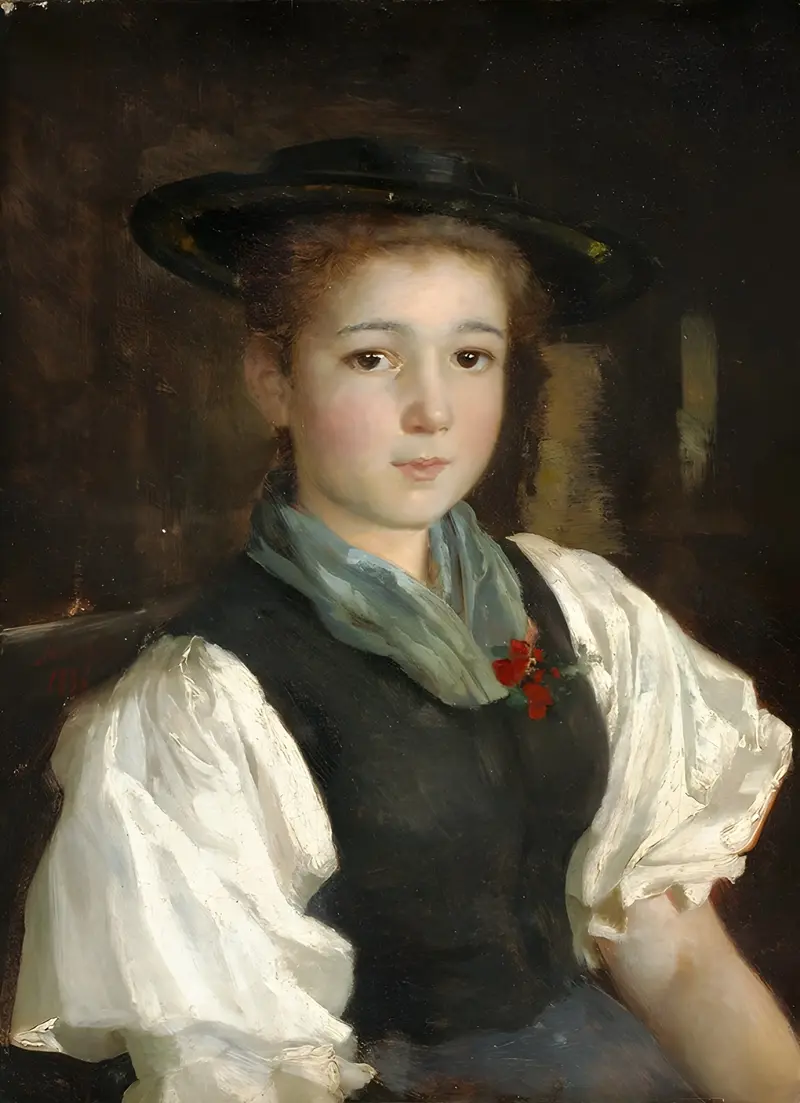
Bauernmädchen (Farm Girl)
Albert Anker
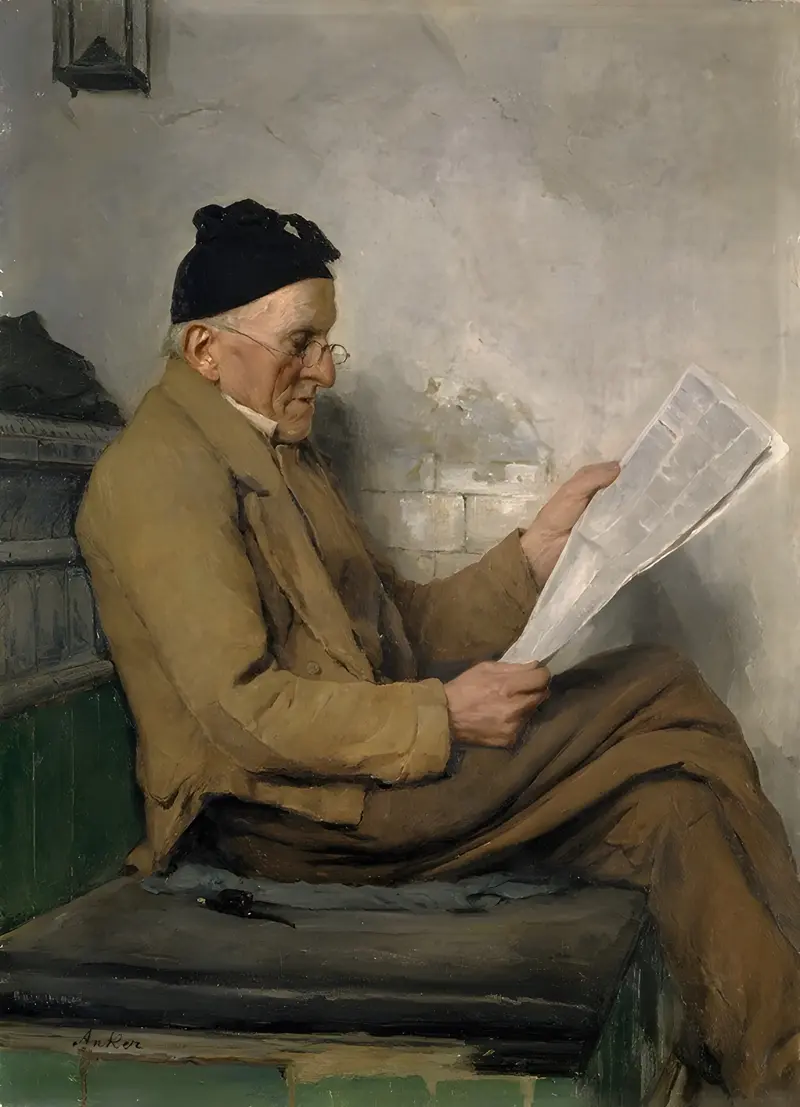
Farmer Reading on the Stove Bench
Albert Anker
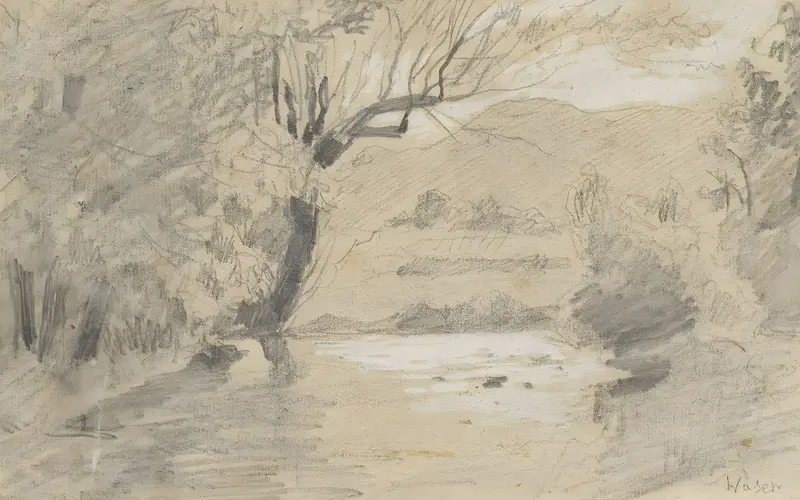
Flusslandschaft in Wasen (Emmental)
Albert Anker
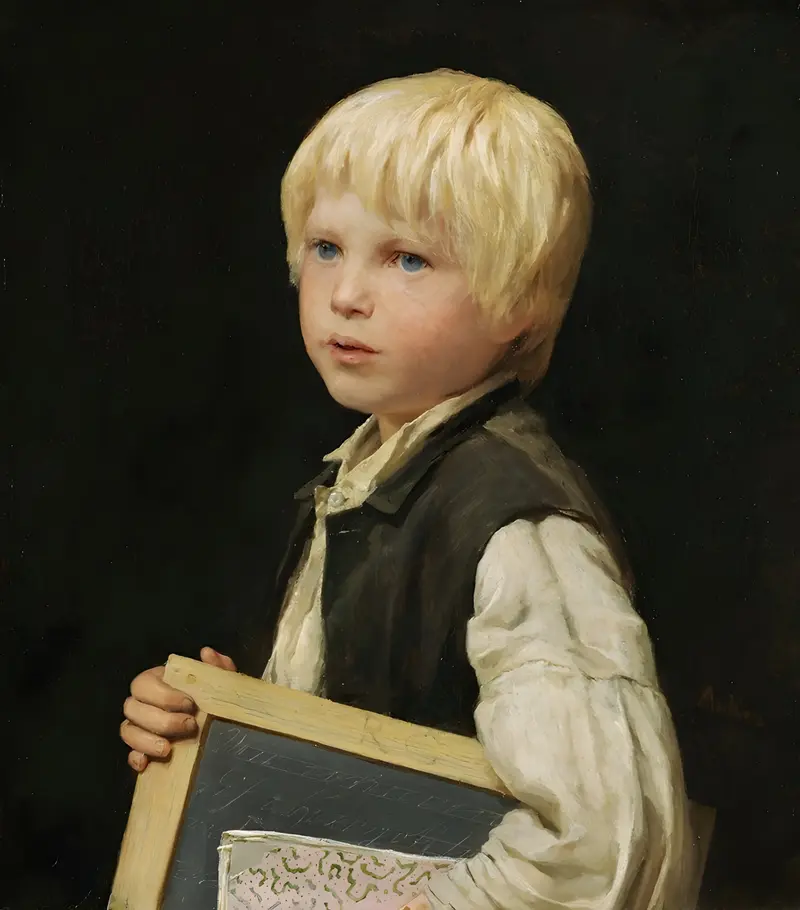
School Boy
Albert Anker
More Genre Scene Art

Banquet of the Officers of the St George Civic Guard
Frans Hals

Rembrandt and Saskia in the Scene of the Prodigal Son
Rembrandt van Rijn

Bal du moulin de la Galette
Pierre-Auguste Renoir

Quadrille at the Moulin Rouge
Henri de Toulouse-Lautrec

A Burial at Ornans
Gustave Courbet

When Will You Marry?
Paul Gauguin