
Ingang van grot Crypta Neapolitana (of Grotta di Posillipo) aan de kust van Pozzuoli — History & Facts
Did the painter know this moment would outlive them? As the coastal scene unfolds, one senses a breath of hope, a whisper of eternity captured in the stillness of the landscape. Focus on the dramatic entrance of the grotto, where the rugged cliffs cradle the ancient mouth of the cave. Notice how the light filters through the archway, casting soft shadows that dance along the textured rocks. The azure sea crashes against the shore, its lively foam contrasting with the solidity of the earth.
The palette of greens and browns evokes a sense of timelessness, grounding viewers while simultaneously inviting them to explore the unseen depths beyond the arch. Delve deeper, and you’ll find a tension between nature's beauty and its raw power. The interplay of light and darkness signifies transition—perhaps a moment of introspection or an invitation to embark on a journey of discovery. The cave, with its looming presence, suggests both shelter and mystery, echoing humanity's perpetual search for meaning amidst nature’s grandeur.
In this serene yet imposing composition, one can sense the hope that lies in the unknown. In 1778, while in Italy, Ducros created this artwork amidst a flourishing of neoclassical ideals and an evolving appreciation for landscape painting. The era was marked by a shift toward capturing the sublime, and this piece reflects not only his technical proficiency but also the broader cultural dialogue surrounding nature’s majesty. During this period, Ducros was inspired by his travels and the vibrant landscapes of the Italian coastline, merging personal experience with artistic ambition.
More Artworks by Abraham-Louis-Rodolphe Ducros
Browse all →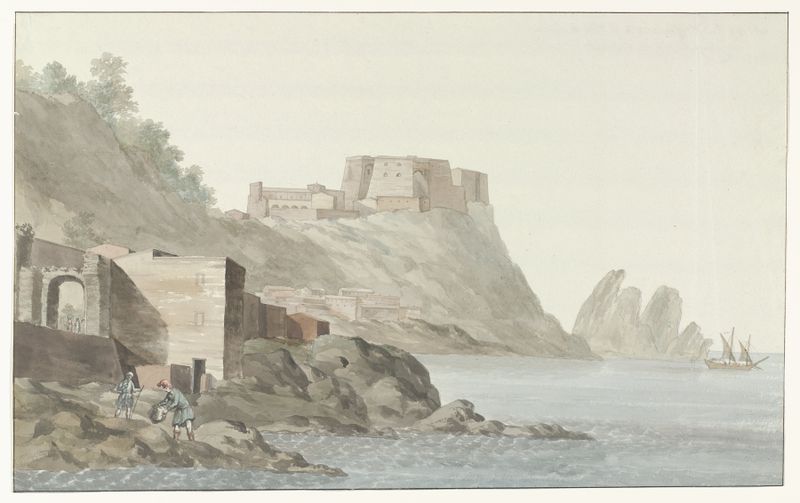
Rots en stad Scilla in de regio Calabrië aan de oostkust
Abraham-Louis-Rodolphe Ducros
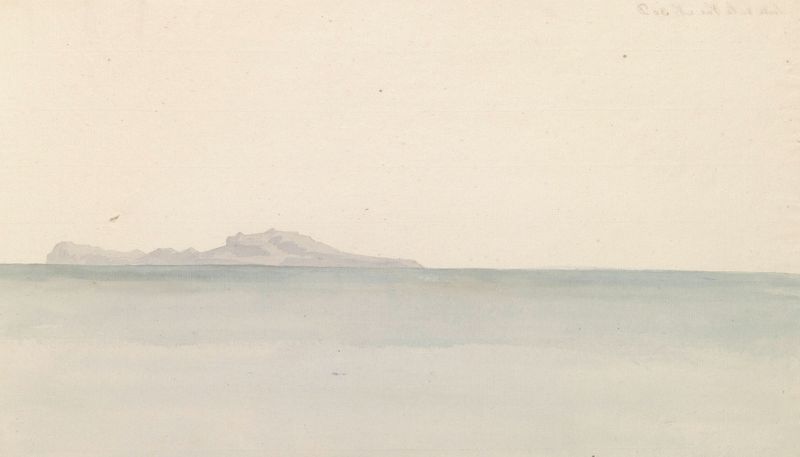
Gezicht op Golf van Napels vanaf kade bij kerk Santa Maria del Carmine
Abraham-Louis-Rodolphe Ducros
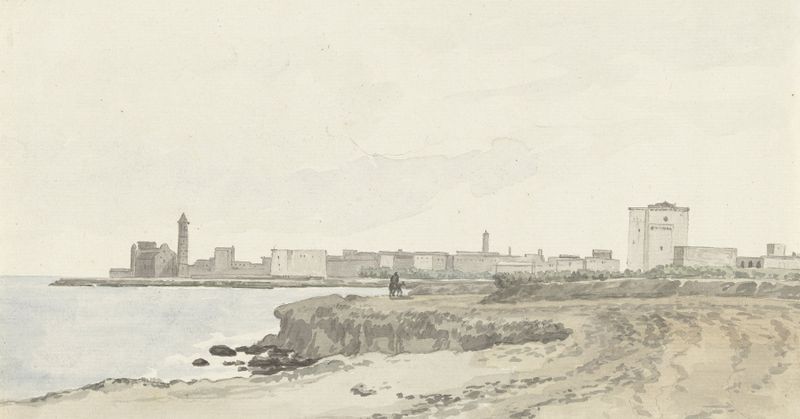
Gezicht op Trani gelegen aan de kust
Abraham-Louis-Rodolphe Ducros
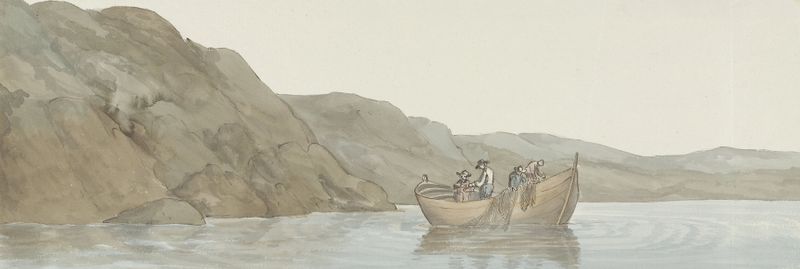
Gezicht op Kaap Paceco in Calabrië nabij de stad Scilla
Abraham-Louis-Rodolphe Ducros
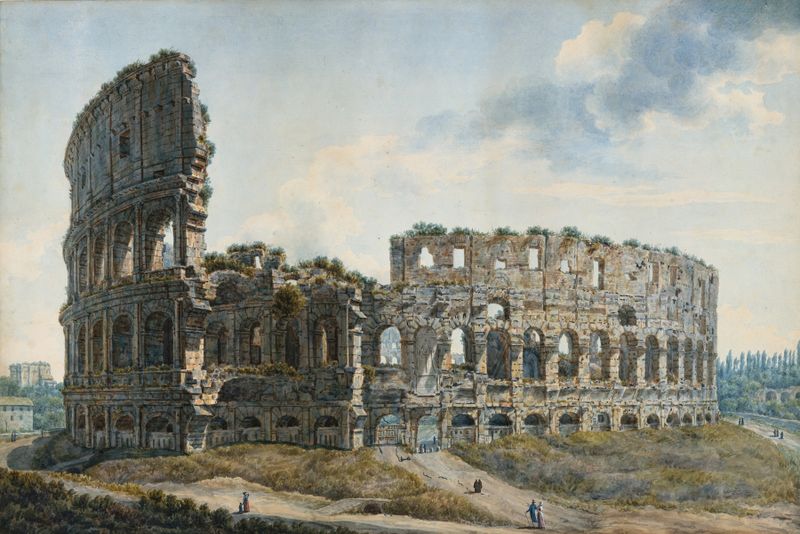
The Colosseum, Rome.
Abraham-Louis-Rodolphe Ducros
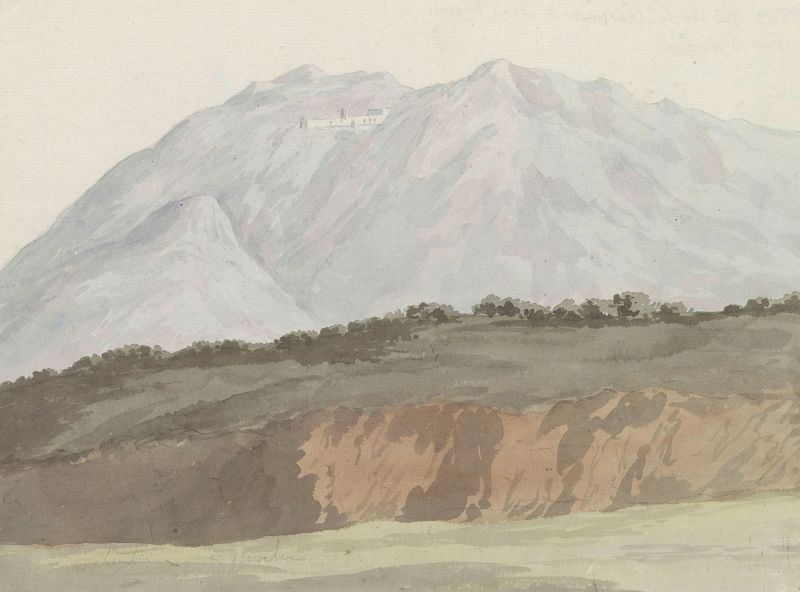
Gezicht op kartuizerklooster van Monte Vergine hoog gelegen boven Avellino
Abraham-Louis-Rodolphe Ducros
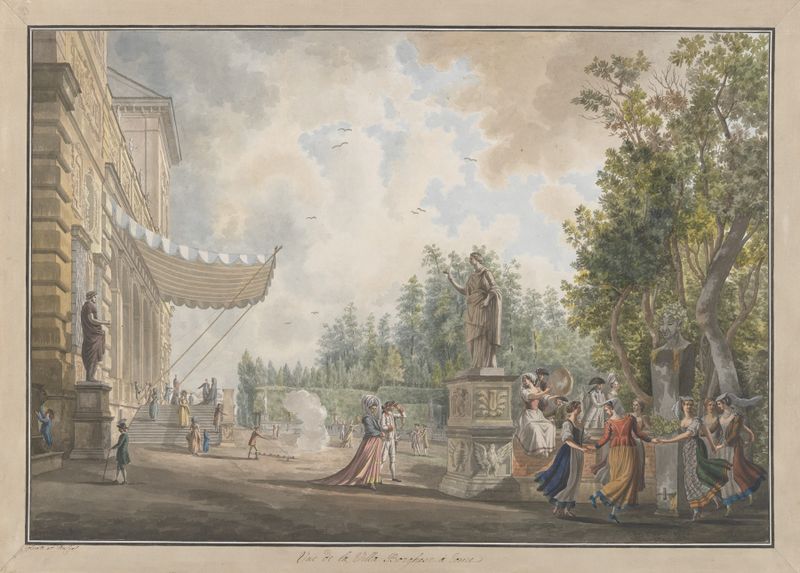
Villa Borghese
Abraham-Louis-Rodolphe Ducros
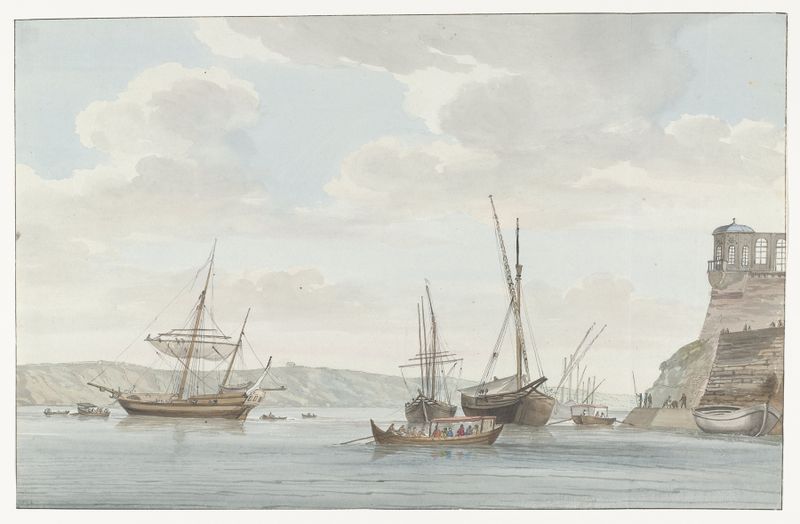
Tuinhuis van de Jardin du Grand Maître uittorend boven de haven met galei schepen op Malta
Abraham-Louis-Rodolphe Ducros
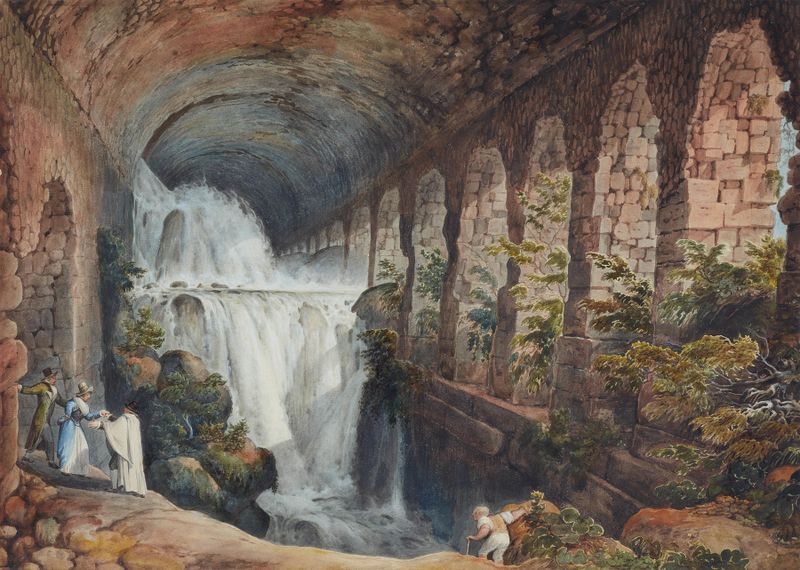
Aquädukt unter der Villa des Maecenas in Tivoli
Abraham-Louis-Rodolphe Ducros
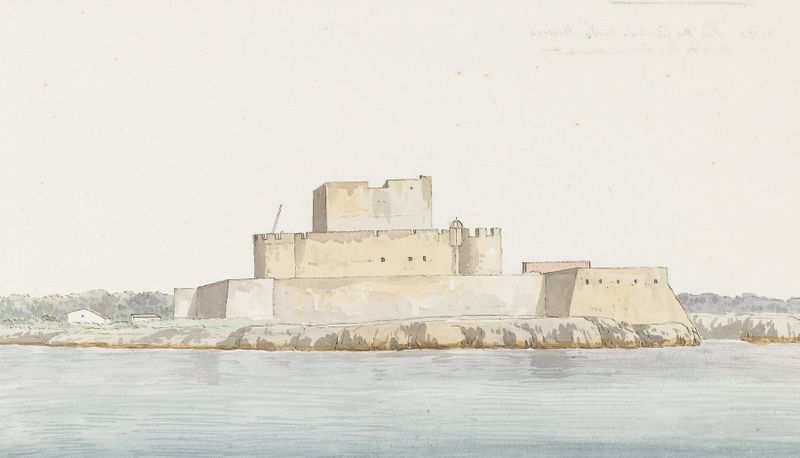
Gezicht op kasteel van San Mauro la Bruca vanaf zee bij aankomst
Abraham-Louis-Rodolphe Ducros





