
Ingang van Putten — History & Facts
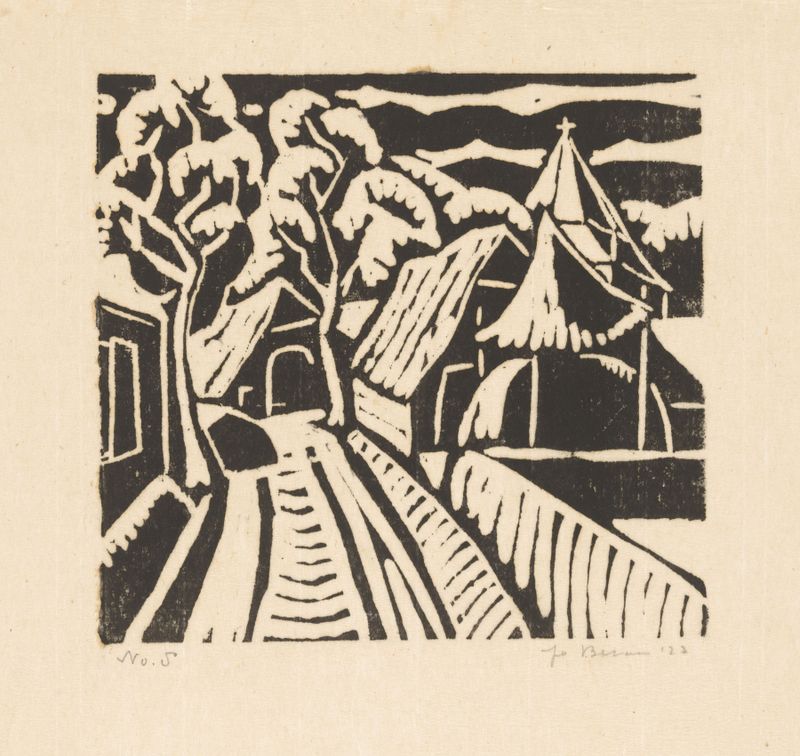
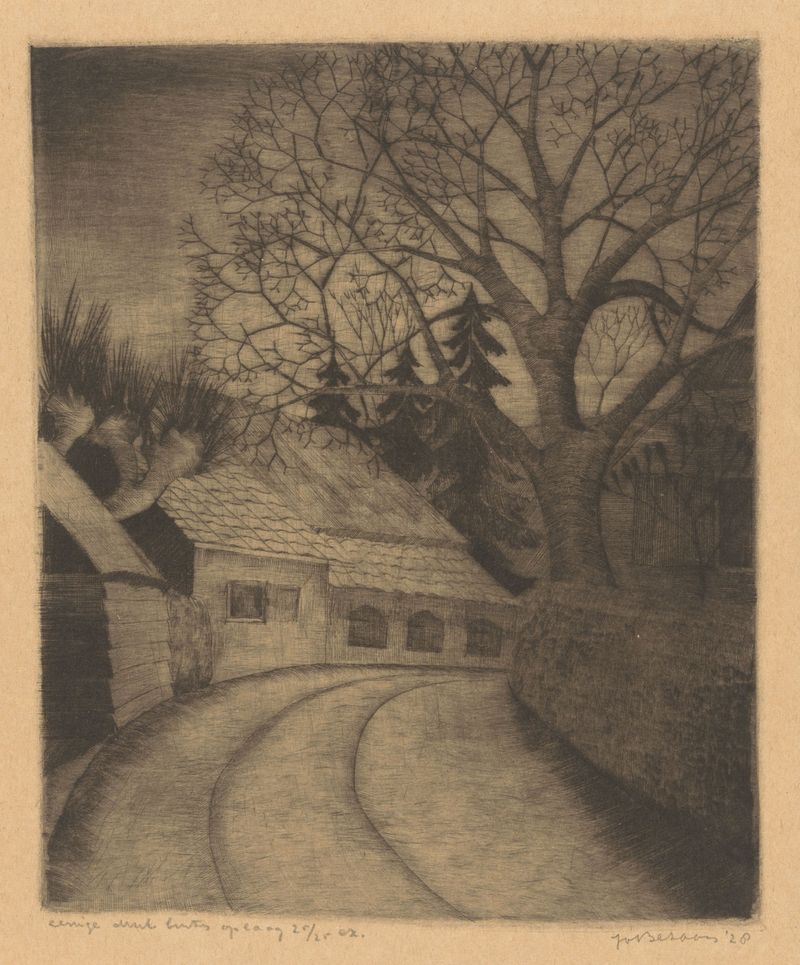
What if beauty was never meant to be finished? In Ingang van Putten, a haunting yet captivating glimpse reveals the delicate balance between order and chaos, a dance of madness that lingers just out of reach. Look to the left at the archway, where shadows entwine with the soft glow of light streaming through, illuminating the intricate details etched in the stone. The contrasting colors of muted earth tones and vibrant greens suggest a serene yet unsettling environment. The careful brushwork both defines the structure and dissolves it into an ethereal presence, inviting the viewer to step through an ambiguous portal into the unknown. Beneath the surface, a tension brews between the ornate designs that promise stability and the wild, almost manic flourishes that disrupt them.
This juxtaposition of beauty and impending chaos speaks to the artist's exploration of the mind—an intricate reflection on how beauty can often mask deeper disturbances. The organic elements, creeping vines, and fragmented forms hint at an inevitable decay, blurring the line between creation and destruction. In 1923, Jo Bezaan painted this piece amidst the rising tide of modernism, responding to a world grappling with the aftermath of war and rapidly changing societal norms. Living in the Netherlands, the artist was immersed in a vibrant art scene that sought to challenge traditional aesthetics, exploring themes of inner turmoil and existential questioning.
This work serves as a testament to that era's restless spirit, echoing a collective grappling with the madness of modern life.
More Artworks by Jo Bezaan
Browse all →
More Architecture Art
Browse all →
The statue of Liberty
Frédéric Auguste Bartholdi

View of Houses in Delft, Known as ‘The Little Street’
Johannes Vermeer

View of Houses in Delft, Known as ‘The Little Street’
Johannes Vermeer

The Cathedral in Rouen. The portal, Grey Weather
Claude Monet

The yellow house
Vincent van Gogh

The Church in Auvers-sur-Oise, View from the Chevet
Vincent van Gogh