
Ingleborough from Chapel-Le-Dale — History & Facts
What secret hides in the quiet of the canvas? Perhaps it is the weight of solitude, the unspoken presence of nature that beckons a deeper connection between the viewer and the landscape. Focus on the expansive horizon, where soft light bathes the gentle undulations of green hills. Notice how the artist employs delicate brushstrokes to create an ethereal atmosphere, meticulously layering shades of blue and cream to evoke a sense of both calm and awe. The towering Ingleborough, shrouded in mist, stands as a sentinel in the background, drawing the eye upward and inviting contemplation of its majesty. The painting contrasts the solid, unwavering mountain with the fleeting clouds above, suggesting the impermanence of human life against the timelessness of nature.
The quietude of the scene hints at a void, an absence of human presence that resonates with the viewer, inviting introspection. This interplay of light and shadow evokes a sense of mystery, as if the landscape itself holds secrets waiting to be uncovered. During this period, Turner was exploring themes of light and atmospheric effects, further developing his unique style. Painting from around 1810 to 1815, he was influenced by the Romantic movement, which emphasized emotion and the sublime in nature.
The world of art was shifting, with Turner at the forefront, breaking boundaries and embracing a new vision that would shape the future of landscape painting.
More Artworks by Joseph Mallord William Turner
Browse all →
Dort or Dordrecht- The Dort Packet-Boat from Rotterdam Becalmed
Joseph Mallord William Turner
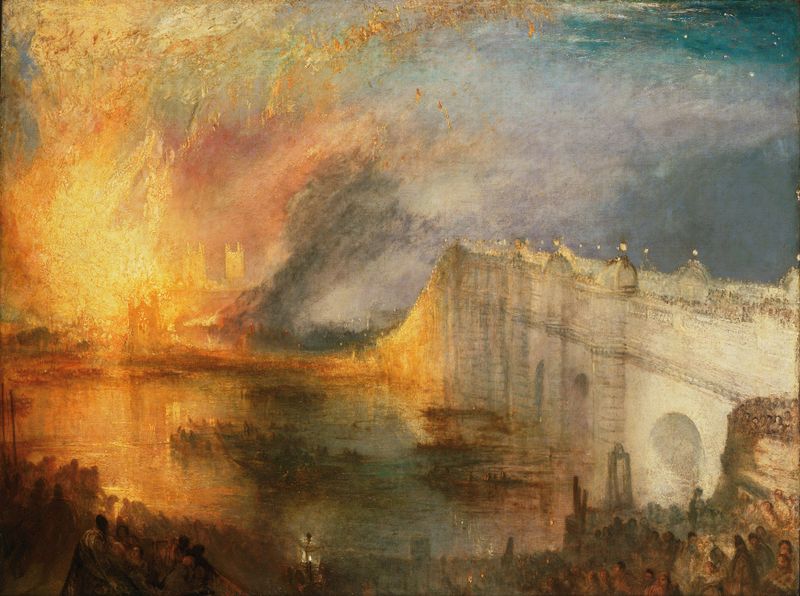
The Burning of the Houses of Lords and Commons, October 16, 1834
Joseph Mallord William Turner
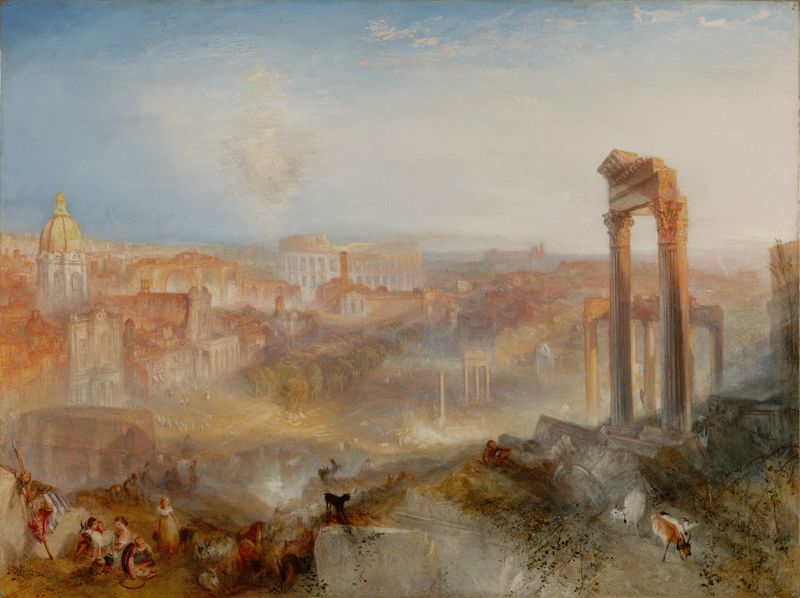
Modern Rome – Campo Vaccino
Joseph Mallord William Turner
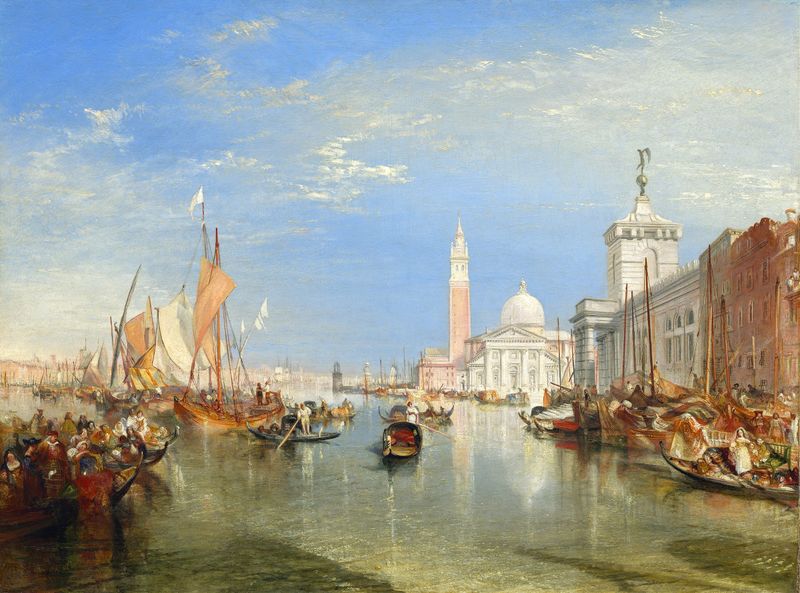
Venice – The Dogana and San Giorgio Maggiore
Joseph Mallord William Turner

The Burning of the Houses of Lords and Commons, 16 October 1834
Joseph Mallord William Turner
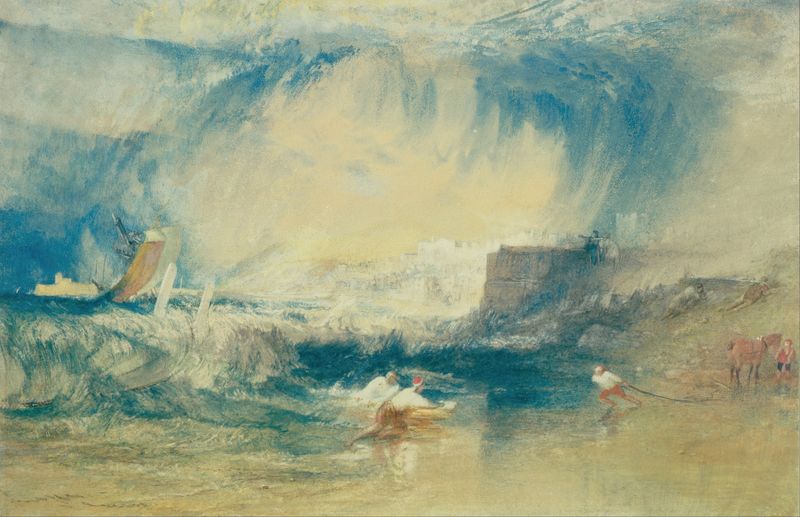
Lyme Regis, Dorsetshire, England
Joseph Mallord William Turner
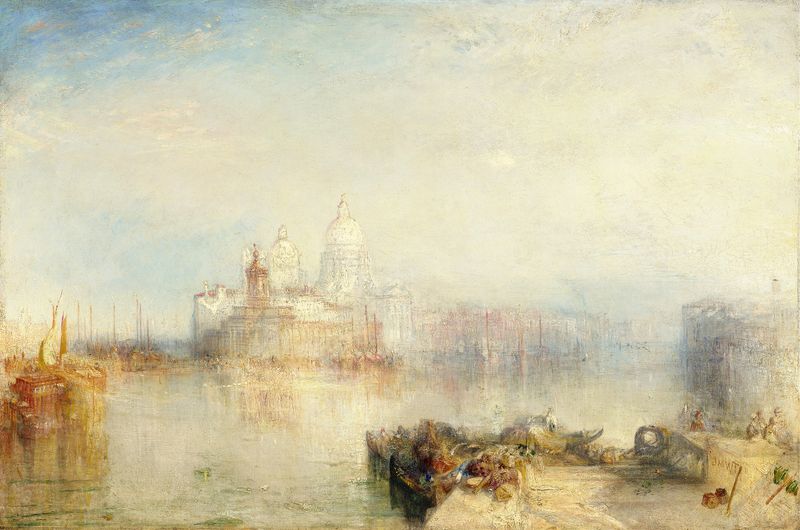
The Dogana and Santa Maria della Salute, Venice
Joseph Mallord William Turner
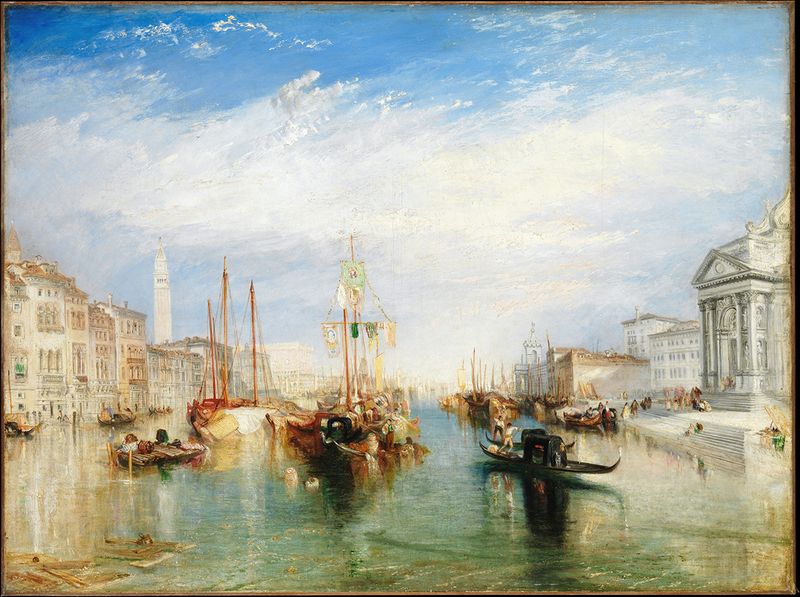
Venice, from the Porch of Madonna della Salute
Joseph Mallord William Turner
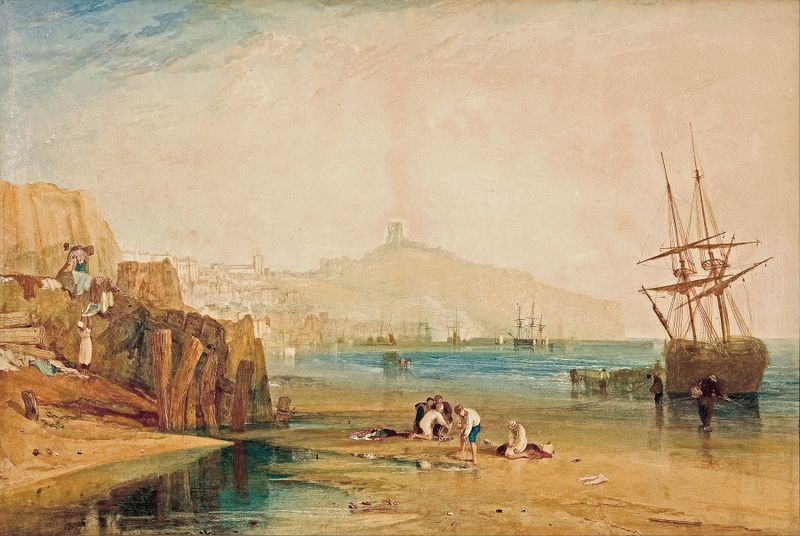
Scarborough town and castle; morning; boys catching crabs
Joseph Mallord William Turner
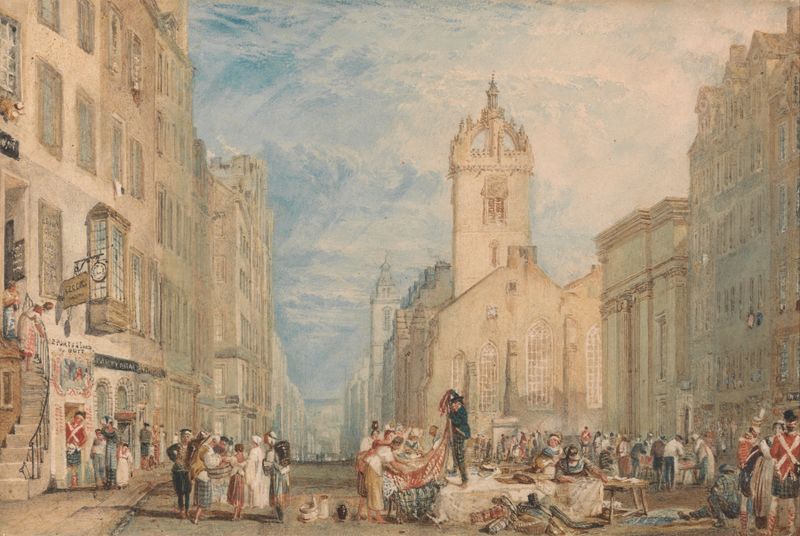
High Street, Edinburgh
Joseph Mallord William Turner





