Interieur met doorkijk naar trap — History & Facts
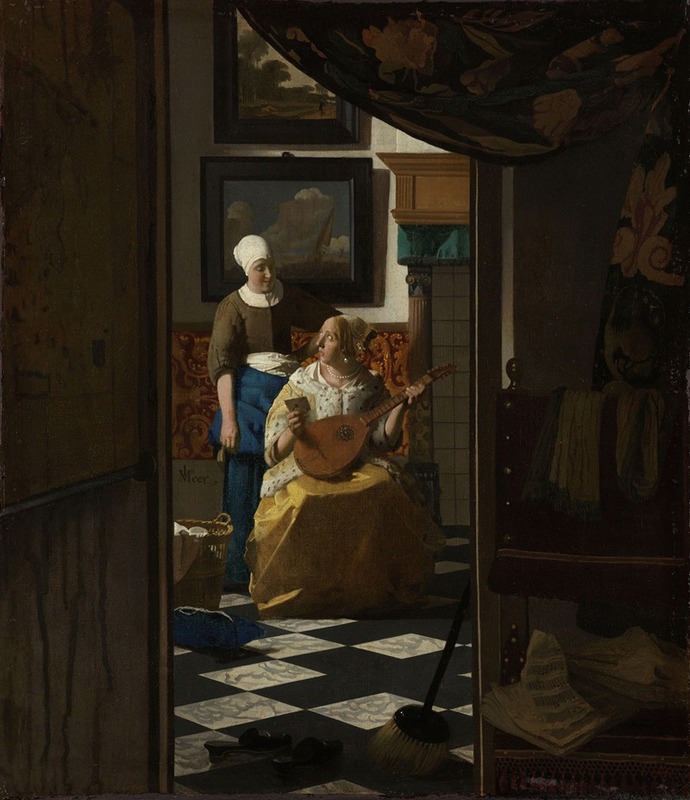
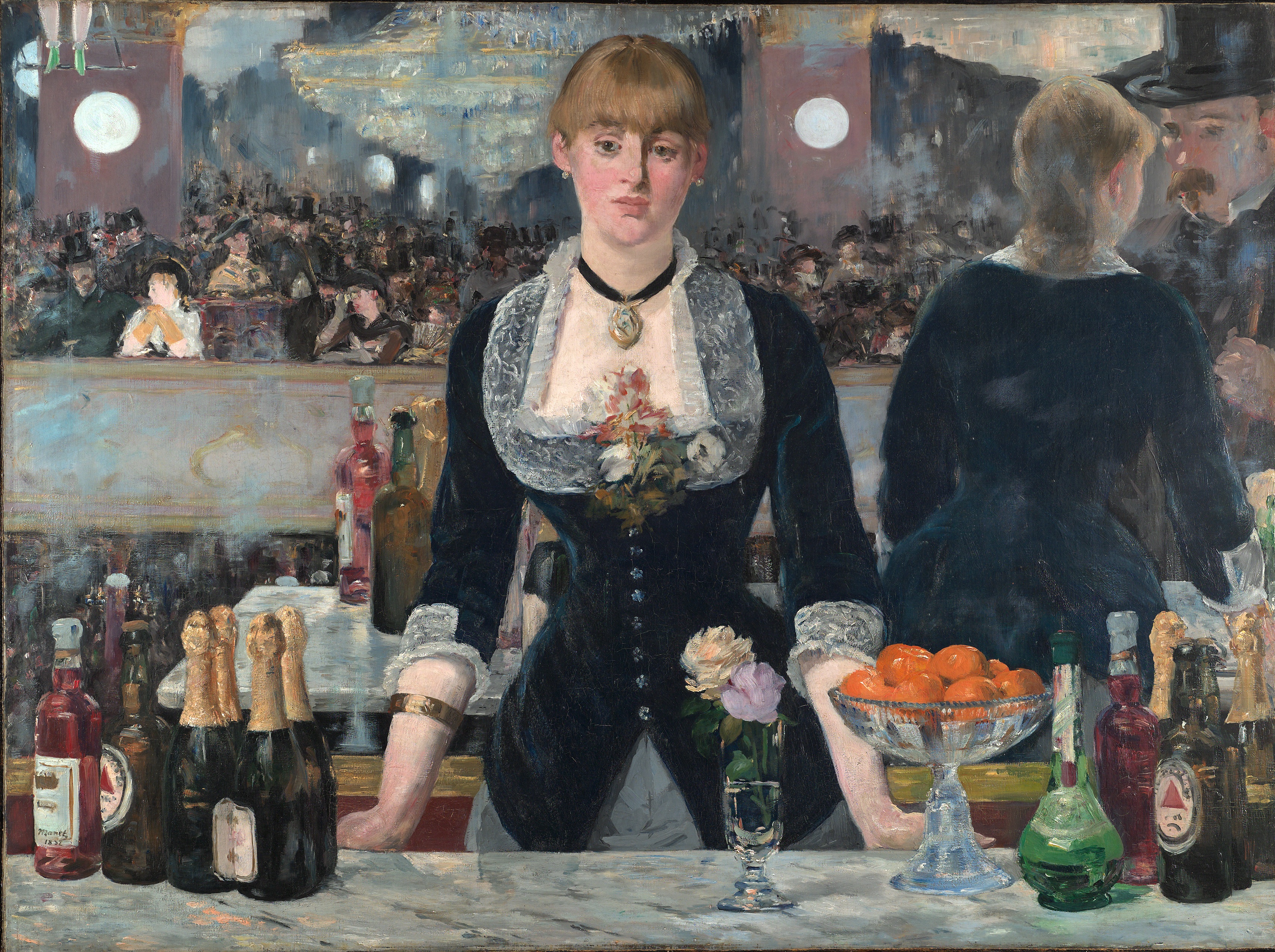
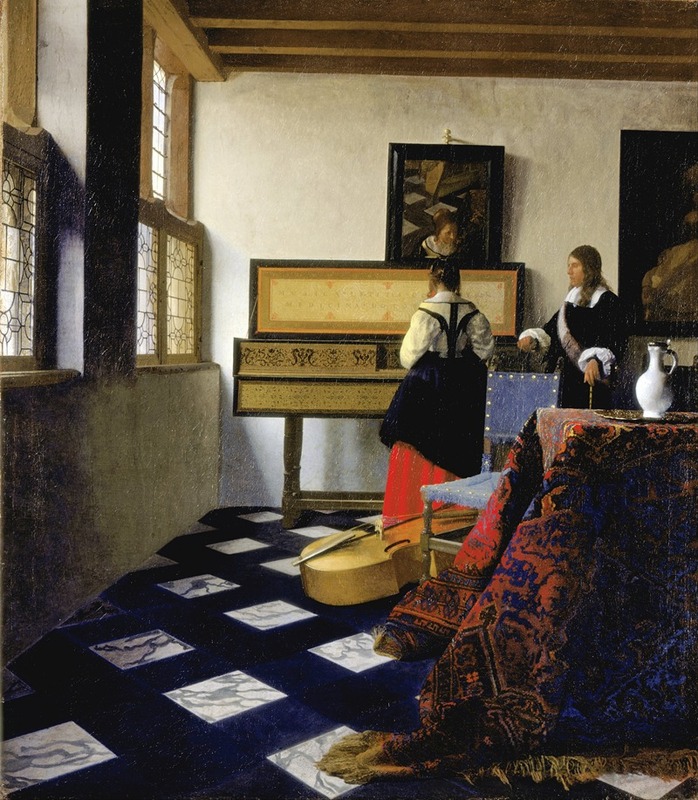
Is this a mirror — or a memory? In Interieur met doorkijk naar trap, the viewer is drawn into a quiet domestic space, where the boundaries between reality and reflection blur, evoking a profound sense of nostalgia and wonder. Look to the left at the delicate interplay of light streaming through an unseen window, illuminating the polished surfaces of the room. The staircase—an inviting pathway—beckons from the background, its gentle curve guiding the eye deeper into the scene. Notice how the rich, muted tones of ochre and umber create a warm yet somber atmosphere, while the careful brushwork brings the textures of the walls and floorboards to life.
This meticulous attention to detail invites contemplation, encouraging viewers to explore the layers of experience within the domestic realm. Delve into the emotional undercurrents of this piece, where the staircase symbolizes ascension and the potential of moving forward, contrasting with the stillness of the room. This duality evokes a tension between the familiar comforts of home and the unknown possibilities ahead. Each object—whether a simple chair or a gleaming tabletop—holds the weight of memories, suggesting stories left untold, while the reflective surfaces hint at the transient nature of time itself. Jan Fabius Czn created this work between 1830 and 1889, a period marked by significant changes in Dutch interior painting.
Living in a time when realism was increasingly celebrated, he sought to capture not just the physical space but the emotional resonance within domestic life. This painting reflects a moment in his career where he synthesized traditional forms with personal introspection, an echo of a world on the brink of modernity.