
Interiööri taiteilijan kotoa — History & Facts
A hush of domestic comfort settles over the scene, drawing the eye first to the delicate play of light filtering through gauzy curtains onto a table dressed with a floral cloth. The room feels almost weightless, as if caught in a fleeting moment between morning and afternoon. Two empty chairs, their backs echoing each other’s curves, invite the viewer to imagine a quiet conversation just ended or about to begin.
The gentle washes of watercolor—soft greens, pinks, and yellows—suggest a space cherished for its calm, each detail chosen for harmony rather than display. Works like this by Albert Edelfelt belong to a broader tradition of Nordic interior painting, where the home becomes a stage for light, memory, and the small rituals of daily life. In the late nineteenth and early twentieth centuries, artists across Finland and Scandinavia turned their attention to such intimate spaces, often as a way to explore personal identity or national character. Though little is recorded about Interiööri taiteilijan kotoa itself, its presence in the Finnish National Gallery’s collection quietly affirms the enduring appeal of these gentle, sunlit corners.
Stand before it, and you may find yourself listening for the hush it so carefully preserves.
More Artworks by Albert Edelfelt

The Day of Rest
Albert Edelfelt
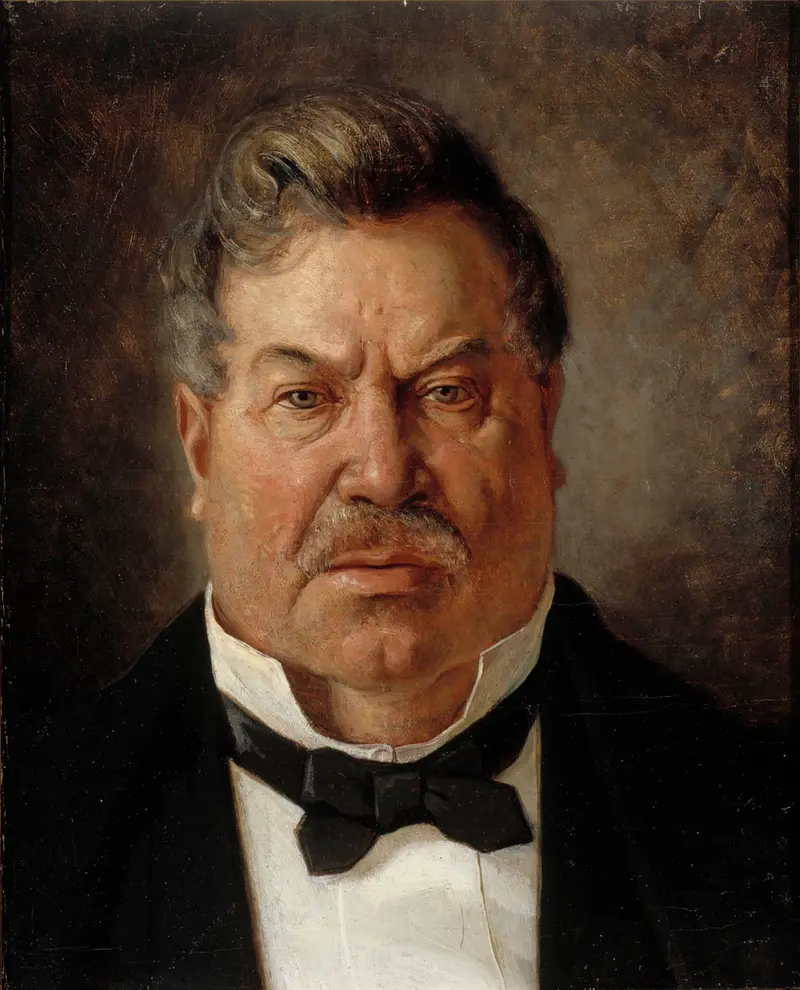
Portrait of August Streng
Albert Edelfelt
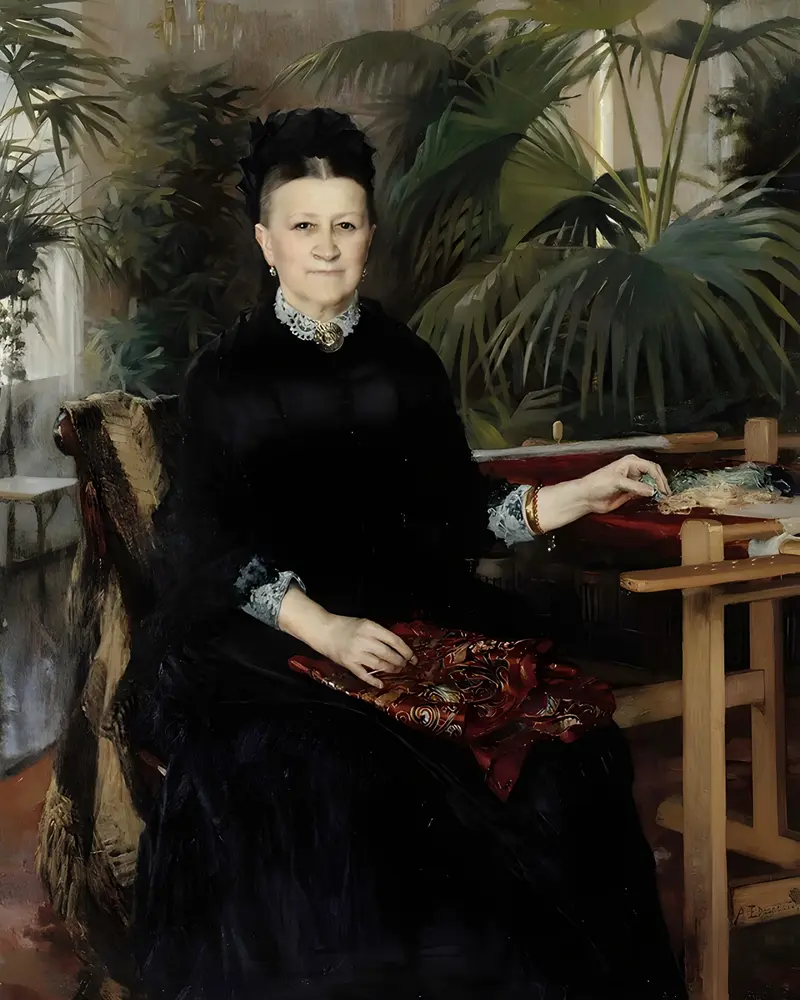
Portrait Of Mrs. Anna Sinebrychoff
Albert Edelfelt

The Poet, Larin Paraske
Albert Edelfelt

Parisian lady in a Peignoir
Albert Edelfelt
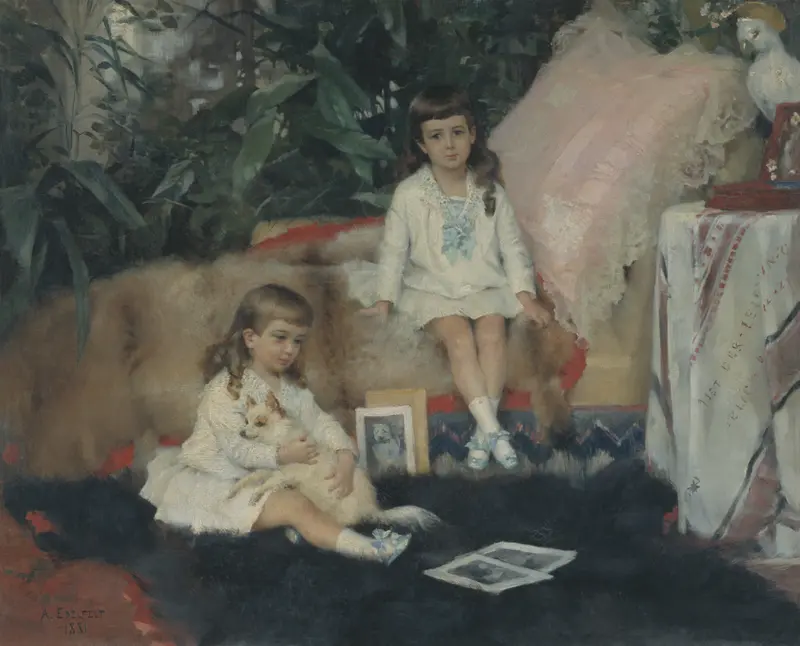
The Grand Dukes Boris and Kirill Vladimirovich as Children
Albert Edelfelt
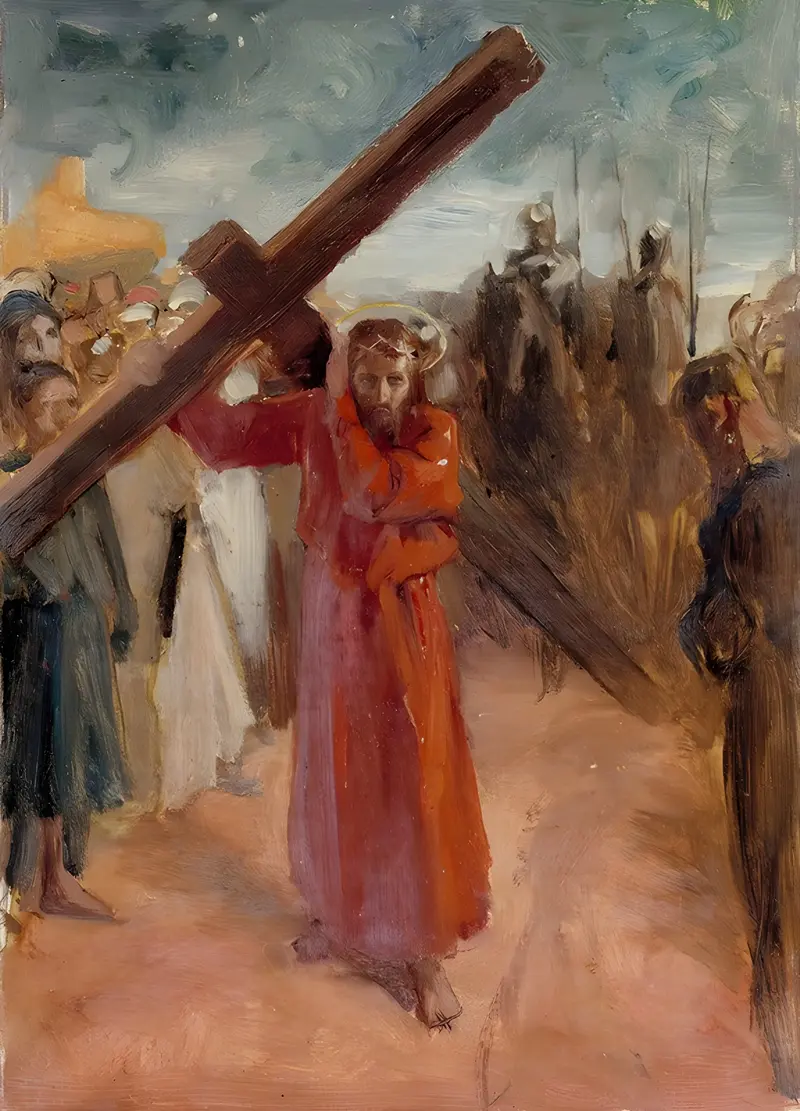
Christ Bears The Cross
Albert Edelfelt
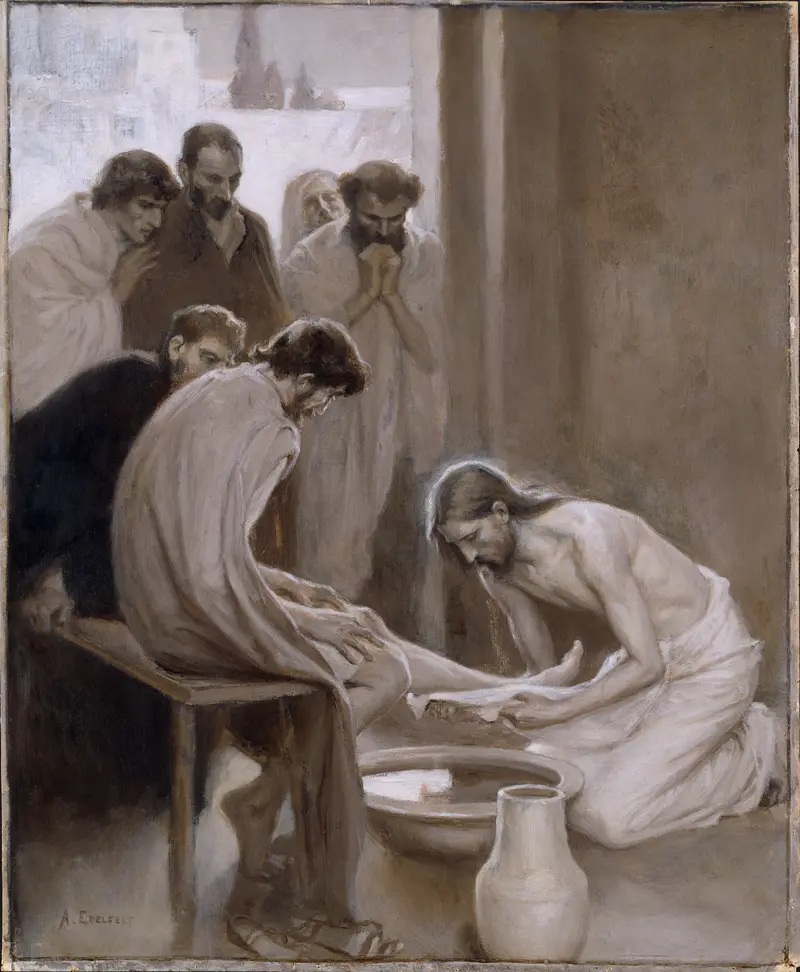
Jesus Washing the Feet of his Disciples
Albert Edelfelt

Larin Paraske with Kantele
Albert Edelfelt
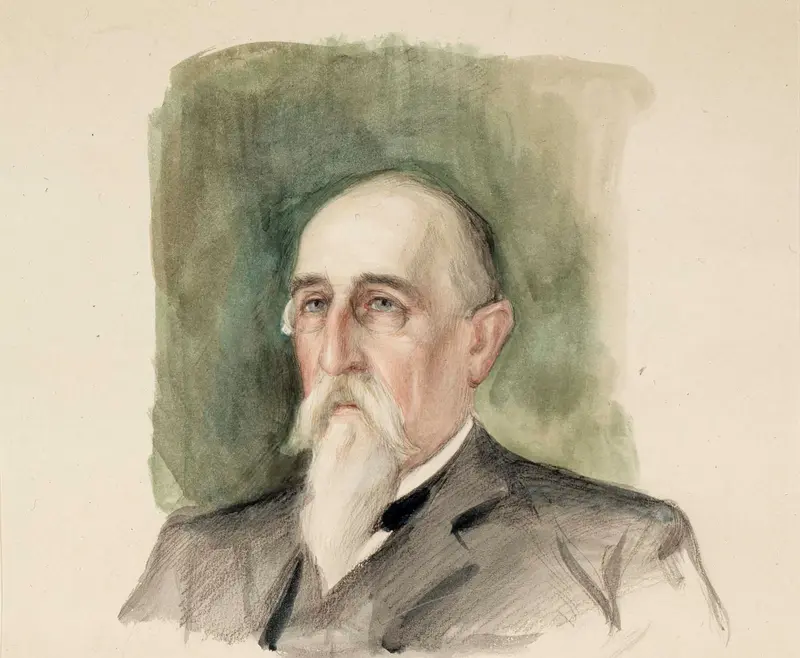
Leo Mechelin, Portrait Study
Albert Edelfelt





