
Interior of the Baths at Caracalla — History & Facts
In the grand, echoing emptiness of ancient ruins, such a thought lingers like a ghost. The remnants of civilization stand as witnesses to the passage of time, inviting reflection on the stories once woven within their walls. Each stone, each arch is a silent guardian of revelations yet to be discovered. Look to the foreground and observe the intricate details of the arches, their weathered surfaces illuminated by a soft, golden light filtering through the vast openings.
The perspective draws your eye upward, emphasizing the soaring heights of the structure, while the cool, muted palette suggests both serenity and a somber history. The artist’s deft use of chiaroscuro plays with shadow and light, creating a tangible atmosphere that invites contemplation of both the grandeur and decay of human ambition. The emotional tension in this painting lies in the contrast between the monumental beauty of the architecture and the absence of life within it. Notice the scattered fragments on the ground — remnants of what once was, hinting at vibrant gatherings, laughter, and the mingling of souls.
The stillness of the scene imparts a sense of loss, while the expansive space evokes a yearning for connection and a reminder of the fleeting nature of existence. Created in 1780, this work reflects Ducros's fascination with classical antiquity during a time of growing interest in the ruins of the past. He painted this piece while residing in Rome, where the remnants of the Baths at Caracalla served as a testament to the Roman Empire’s grandeur and a backdrop to the cultural shifts occurring in Europe. As the world grappled with revolutionary ideas, Ducros captured not only the beauty of these ruins but also their poignant silence, bridging the ancient with the contemporary.
More Artworks by Abraham-Louis-Rodolphe Ducros
Browse all →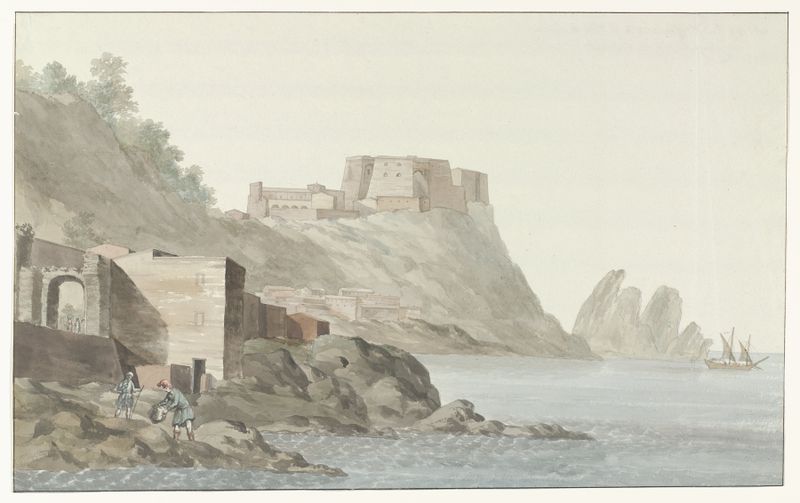
Rots en stad Scilla in de regio Calabrië aan de oostkust
Abraham-Louis-Rodolphe Ducros
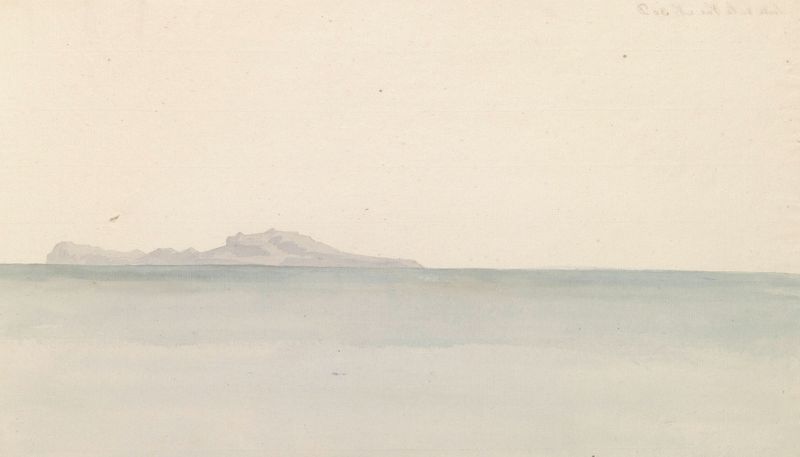
Gezicht op Golf van Napels vanaf kade bij kerk Santa Maria del Carmine
Abraham-Louis-Rodolphe Ducros
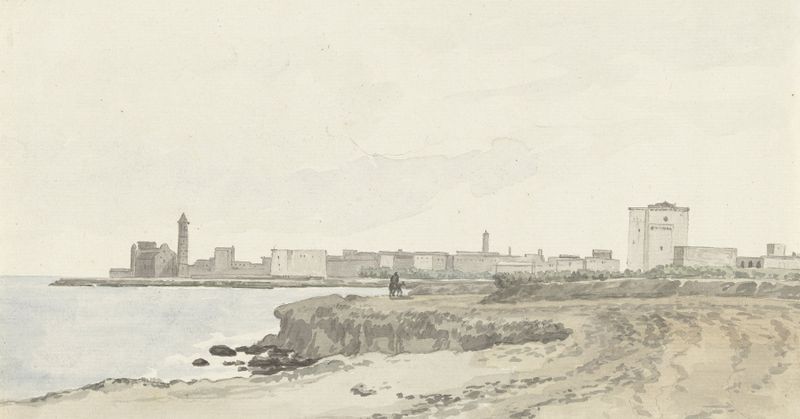
Gezicht op Trani gelegen aan de kust
Abraham-Louis-Rodolphe Ducros
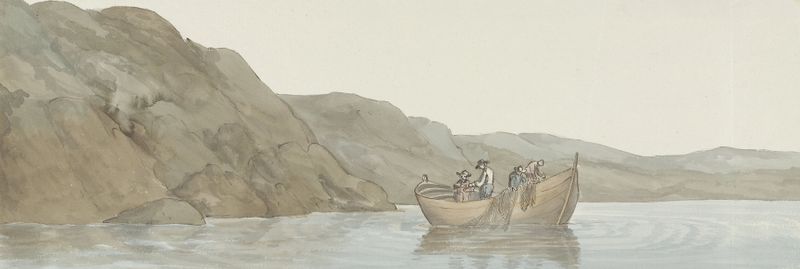
Gezicht op Kaap Paceco in Calabrië nabij de stad Scilla
Abraham-Louis-Rodolphe Ducros
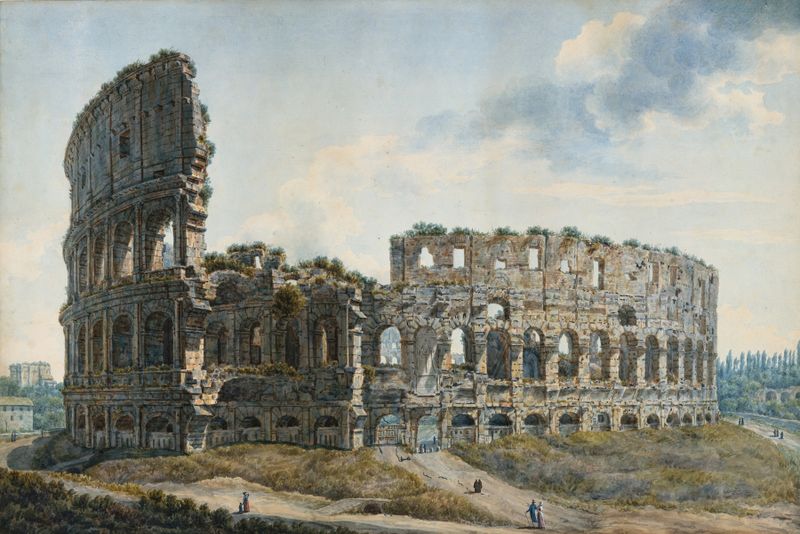
The Colosseum, Rome.
Abraham-Louis-Rodolphe Ducros
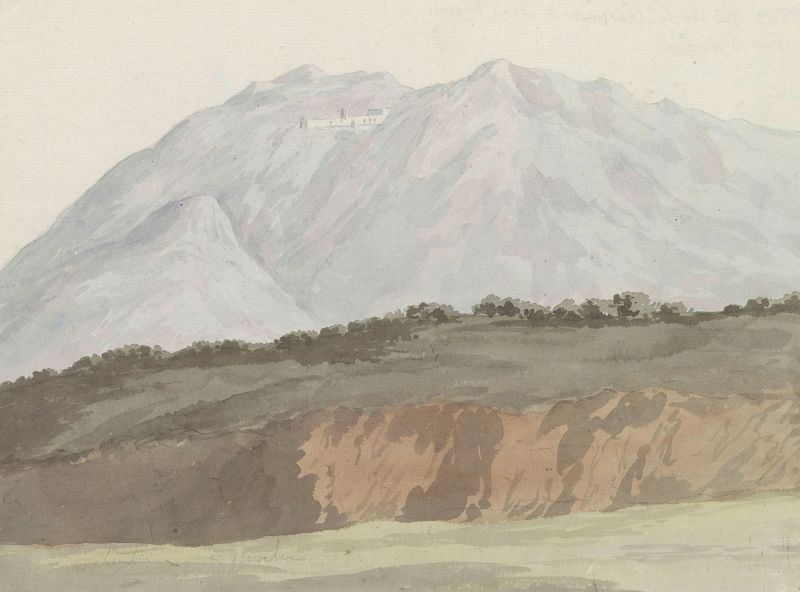
Gezicht op kartuizerklooster van Monte Vergine hoog gelegen boven Avellino
Abraham-Louis-Rodolphe Ducros
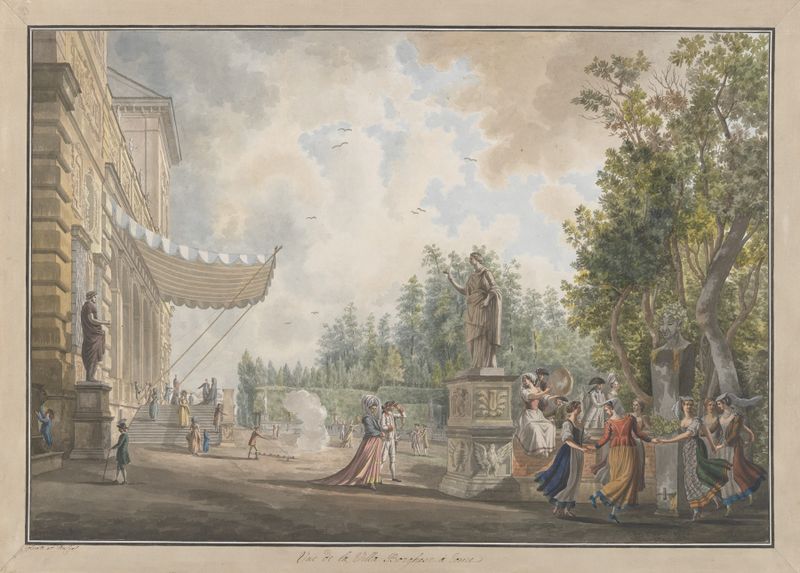
Villa Borghese
Abraham-Louis-Rodolphe Ducros
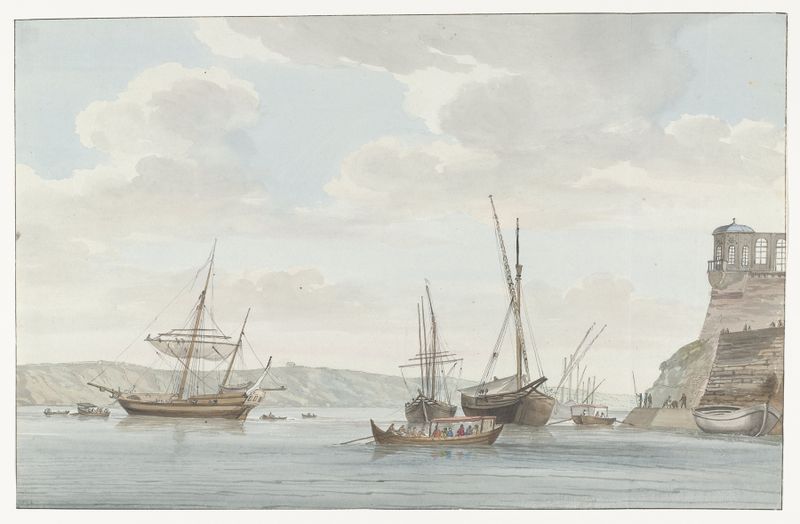
Tuinhuis van de Jardin du Grand Maître uittorend boven de haven met galei schepen op Malta
Abraham-Louis-Rodolphe Ducros
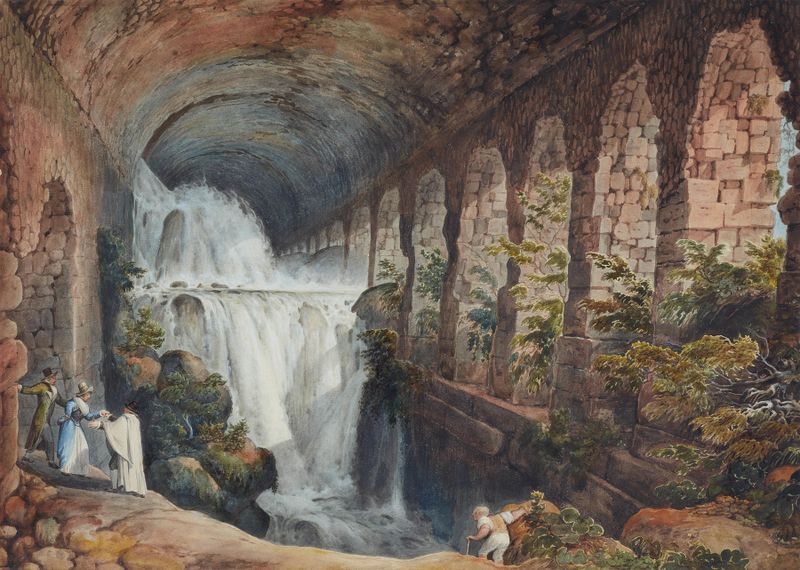
Aquädukt unter der Villa des Maecenas in Tivoli
Abraham-Louis-Rodolphe Ducros
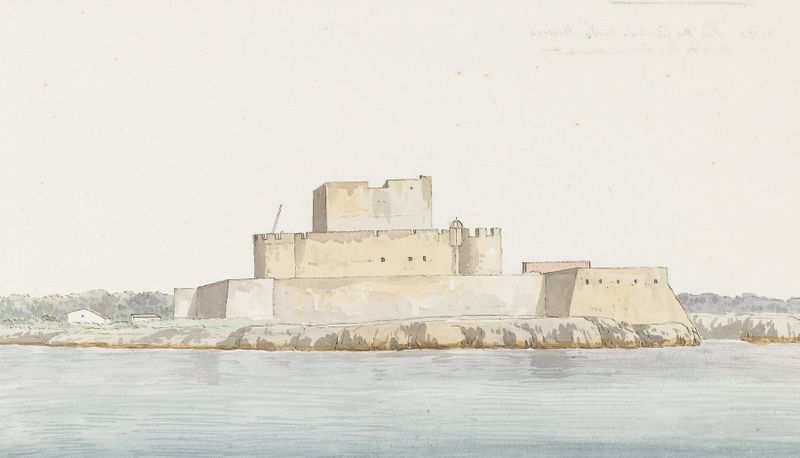
Gezicht op kasteel van San Mauro la Bruca vanaf zee bij aankomst
Abraham-Louis-Rodolphe Ducros
More Architecture Art
Browse all →
The statue of Liberty
Frédéric Auguste Bartholdi

View of Houses in Delft, Known as ‘The Little Street’
Johannes Vermeer

View of Houses in Delft, Known as ‘The Little Street’
Johannes Vermeer

The Cathedral in Rouen. The portal, Grey Weather
Claude Monet

The yellow house
Vincent van Gogh

The Church in Auvers-sur-Oise, View from the Chevet
Vincent van Gogh