Intérieur d’église en Calabre — History & Facts
What if silence could speak through light? The gentle play of colors in Intérieur d’église en Calabre invites us to listen to the whispers of a sacred space, where every hue tells a story. Look to the left at the soft amber glow emanating from the stained glass windows, casting a warm embrace across the weathered stone. Notice how the artist employs a rich palette of ochres and deep blues, creating a dialogue between light and shadow that evokes both reverence and introspection. The composition draws your gaze upward, inviting you to explore the intricate details of the vaulted ceiling, where the colors blend seamlessly into one another, embodying the sacredness of this church. Hidden meanings unfurl within the interplay of light and darkness.
The bright beams filtering through the glass symbolize hope and enlightenment, while the dim corners evoke a sense of solitude and contemplation. There’s an emotional tension present, balancing the vibrancy of faith against the backdrop of quiet reflection. Each brushstroke serves to reinforce the connection between the physical and the spiritual, encouraging viewers to ponder their own relationship with the divine. In 1829, during a period marked by artistic exploration and the rise of Romanticism, Brascassat painted this evocative work in his native France.
As he navigated personal and artistic challenges, a focus on light and color emerged in a world increasingly captivated by nature's beauty and the depths of human emotion. This painting represents not only a moment in his life but also a broader transformation in the art world, where the emotional resonance of color began to take center stage.
More Artworks by Jacques-Raymond Brascassat
Browse all →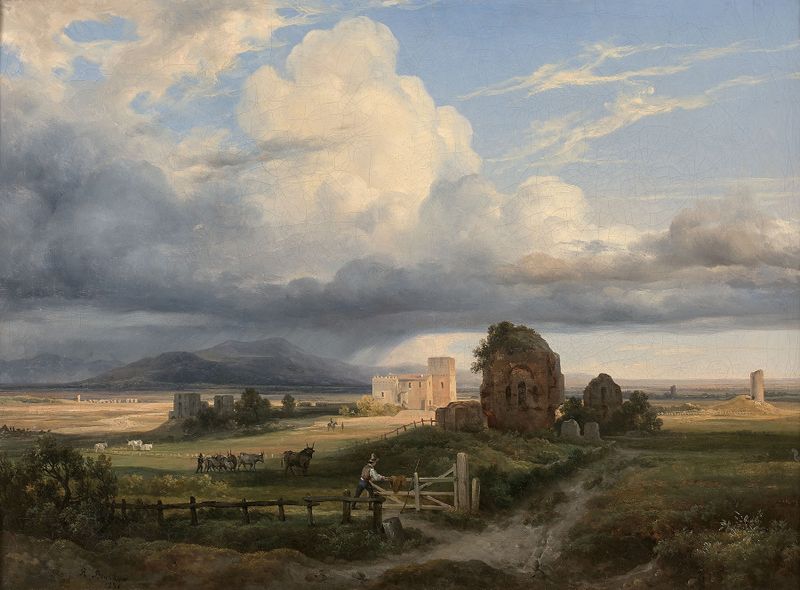
Vacher et son troupeau dans la campagne romaine, dans les environs de la via Appia
Jacques-Raymond Brascassat

Puits
Jacques-Raymond Brascassat

Paysage d’Italie
Jacques-Raymond Brascassat

Tour en bordure de mer
Jacques-Raymond Brascassat

Le Monastère
Jacques-Raymond Brascassat

Cascade et rochers
Jacques-Raymond Brascassat

Le Vieux chêne
Jacques-Raymond Brascassat

View of Bordeaux
Jacques-Raymond Brascassat
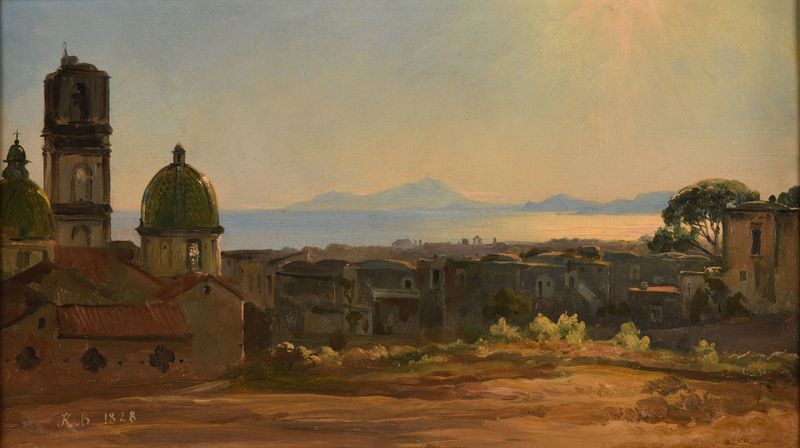
Vue de ville d’Italie
Jacques-Raymond Brascassat
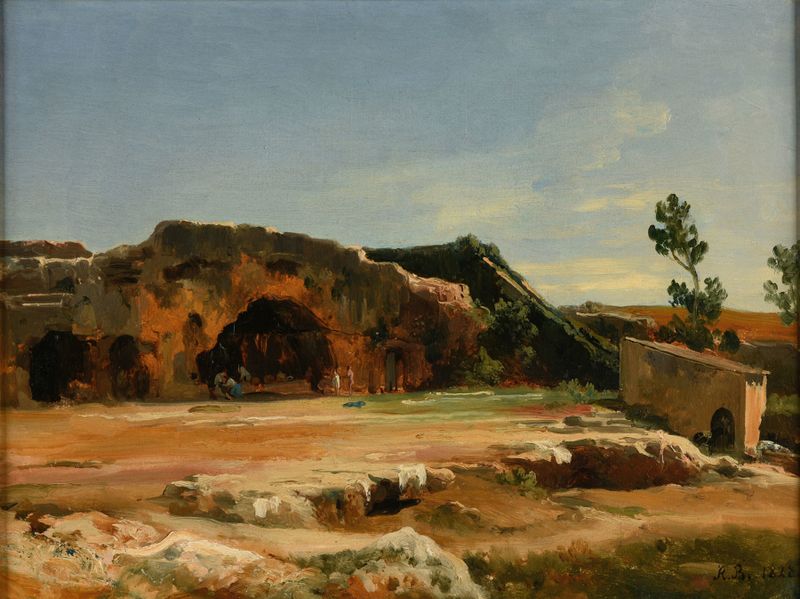
Grotte du Nymphée (Syracuse)
Jacques-Raymond Brascassat