
Isar valley near Mittenwald — History & Facts
Can beauty exist without sorrow? In the serene embrace of nature, the Isar valley whispers stories of both joy and melancholy, inviting contemplation through its haunting yet exquisite landscape. Look to the foreground, where lush greenery is painted with delicate strokes, each blade of grass alive with a vibrant hue. Notice how the winding river snakes through the valley, its reflective surface capturing the soft blues and greens of the surrounding mountains. The composition draws your eye upward, where the majestic peaks rise, cloaked in a gentle mist, hinting at the mysteries held within their rugged forms.
The interplay of light and shadow evokes a sense of tranquility, yet underneath the beauty lies an unspoken tension. Hidden meanings weave through this pastoral scene, revealing a dichotomy between the idyllic landscape and the weight of nature's transience. The river, a symbol of time's passage, flows inexorably forward, reminding us that beauty can be fleeting. Each element—be it the towering trees or the distant mountains—carries a sense of solitude that resonates with the viewer, suggesting that with sublime beauty often comes a shadow of longing or loss. At the time this work was created, the artist found himself navigating the transformative currents of the 19th century, a period marked by Romanticism's embrace of nature.
Living in Germany during this era, he sought to capture the essence of the landscape and its emotional resonance, reflecting a shift in artistic focus toward the sublime. This painting exemplifies that journey, a moment frozen in time where the harmony of nature reveals deeper revelations within the human experience.
More Artworks by Eduard Wilhelm Pose
Browse all →
Italian Landscape with Wide Valley and Castle
Eduard Wilhelm Pose

Ruine der Burg Are über dem Ahrtal mit rastenden Wanderern
Eduard Wilhelm Pose
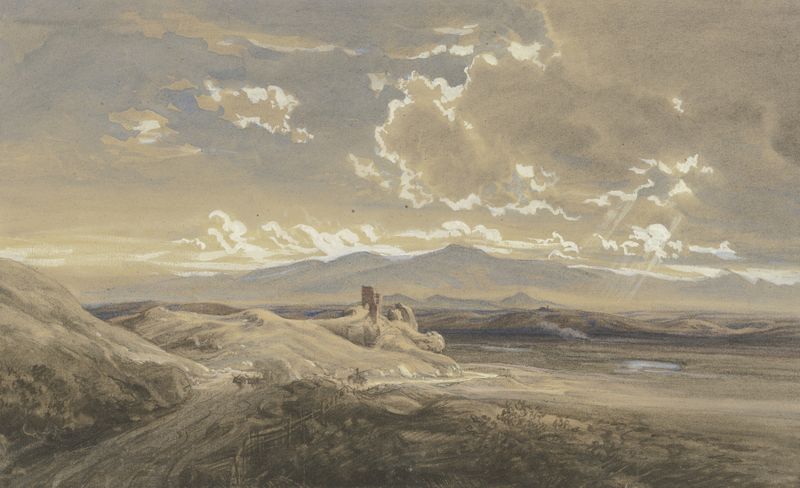
Campagna di Roma
Eduard Wilhelm Pose

Italian landscape
Eduard Wilhelm Pose
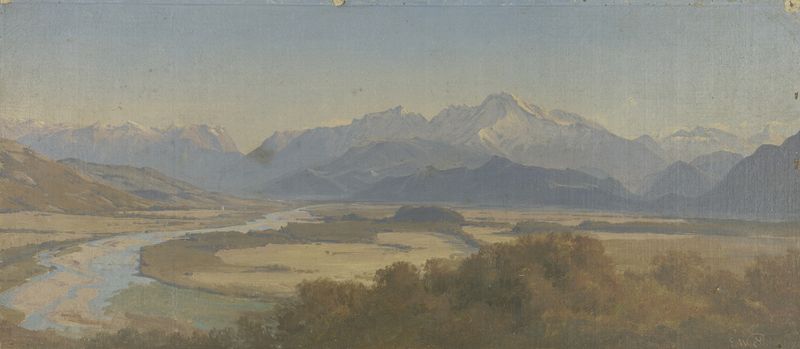
Mountainscape
Eduard Wilhelm Pose
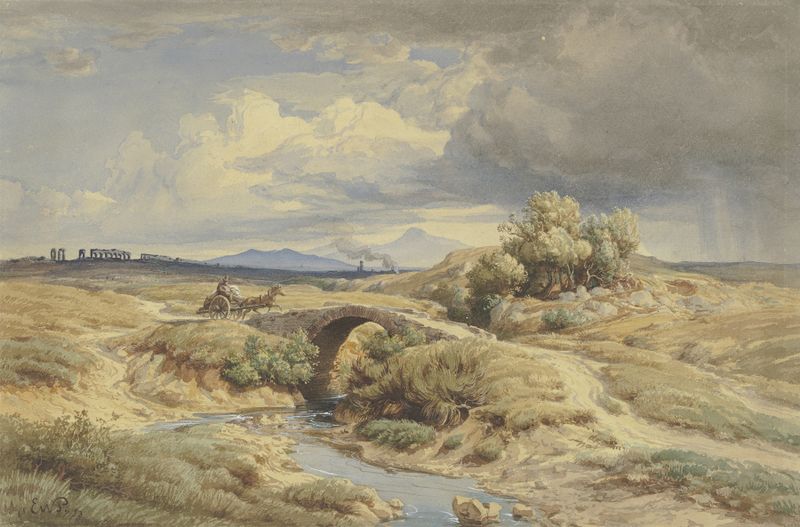
Italienische Campagna mit Aquädukten links
Eduard Wilhelm Pose





