
Islands — History & Facts
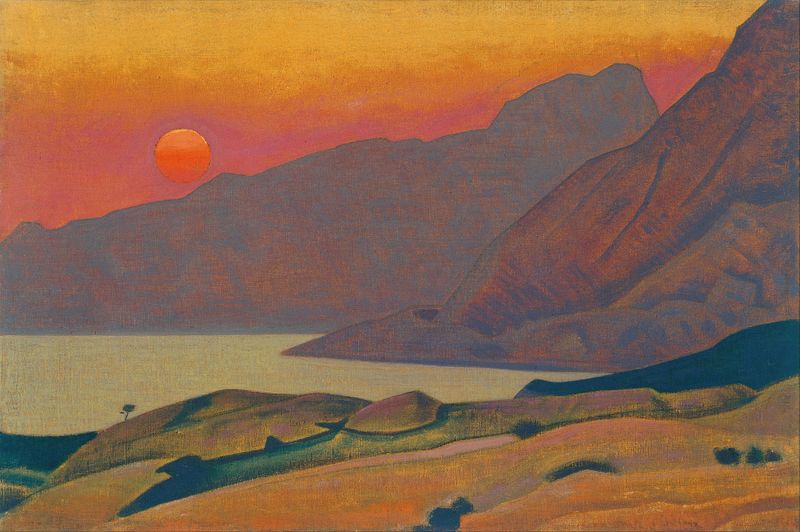
When did color learn to lie? In a world where hues can evoke both serenity and disquiet, Islands envelops the viewer in a longing that resonates deep within the soul. Focus first on the foreground, where the rich, earthy tones of the land contrast with the vibrant blues of the water that surrounds it. The islands emerge like distant memories, beckoning across the waves, while soft clouds drift above, their forms hinting at an elusive horizon. The brushstrokes are deft, capturing both the solidity of the land and the ephemeral nature of the sky; the blending of colors creates a sense of movement as if the scene is both static and alive. The central theme speaks of isolation and yearning, as the islands serve as both a destination and a symbol of unattainable dreams.
The stark juxtaposition of land and water might reflect the tension between aspiration and reality. There’s a palpable sense of melancholy in the way the colors softly merge, suggesting that the beauty of the moment is inextricably linked to an underlying sadness — a reminder that what is yearned for is often just out of reach. In 1919, Nicholas Roerich painted Islands during a time of personal and social upheaval. After his return to Russia post-revolution, he was deeply influenced by the tumultuous changes around him, both politically and artistically.
This period marked a quest for spiritual and aesthetic exploration, as Roerich sought to convey the profound connection between humanity and nature, striving to find beauty amid chaos.
More Artworks by Nicholas Roerich
Browse all →
Himalayas, Sikkim
Nicholas Roerich
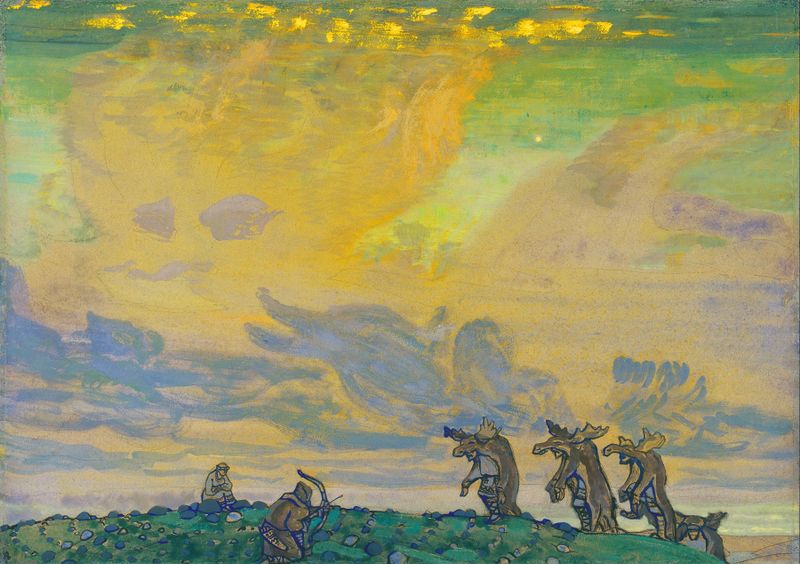
The Great Sacrifice. Setting for I.F.Stravinsky’s Ballet Sacred Spring
Nicholas Roerich
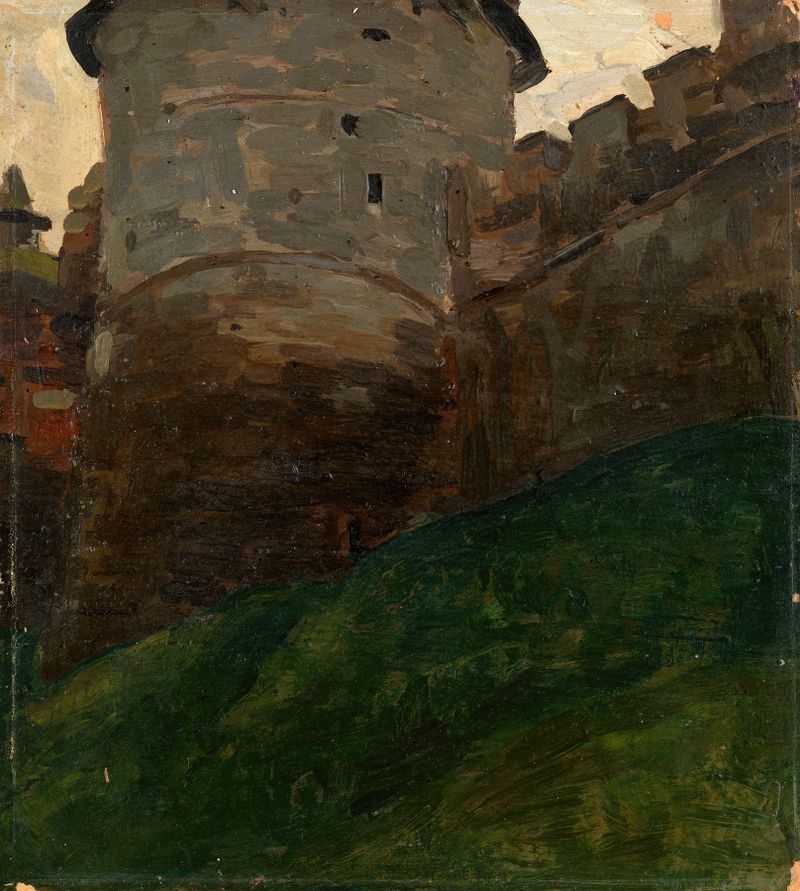
The Kremlin Tower of Nizhny Novgorod
Nicholas Roerich
The Great Sacrifice. Setting for I.F.Stravinsky’s Ballet «Sacred Spring»
Nicholas Roerich

Himalayas from Ting-kye Dzong
Nicholas Roerich
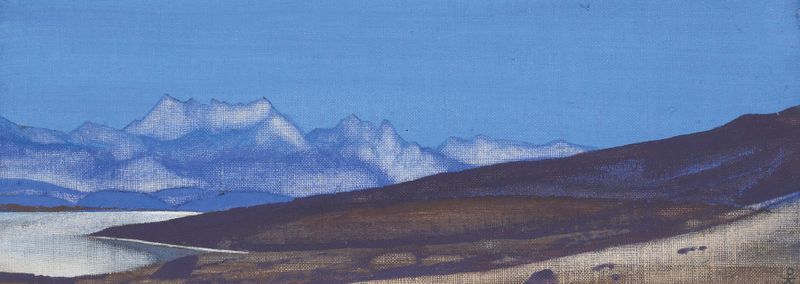
Mongolia
Nicholas Roerich

Depsang plains
Nicholas Roerich

Nag Lake
Nicholas Roerich
Monhegan. Maine
Nicholas Roerich

Trees by a Lake
Nicholas Roerich





