
Nag Lake — History & Facts
In Nag Lake, we are invited to witness a profound transformation, where nature holds the power to evoke both quiet contemplation and profound change. The scene encapsulates a moment of serenity, urging the viewer to delve deeper into the emotional landscape painted before them. Look to the center of the canvas, where the shimmering waters of the lake reflect the surrounding mountains, their peaks kissed by a gentle caress of light. Roerich masterfully uses a palette dominated by deep blues and earthy greens, creating a sense of harmony that resonates throughout the composition.
Notice how the interplay of light and shadow brings texture and depth to the surrounding landscape, inviting the viewer’s eye to wander towards the distant horizon, where earth meets sky. As you explore further, subtle details emerge; the undulating waves symbolize the ebb and flow of life, while the looming mountains stand as silent witnesses to the passage of time. This juxtaposition between the tranquil water and the majestic peaks speaks to the theme of transformation—life’s impermanence is intricately woven into the natural world, suggesting a cycle of renewal and introspection. Each brushstroke embodies a sense of reverence for the landscape, urging a connection that transcends the canvas. In 1925, Roerich painted Nag Lake during a time of personal exploration and spiritual seeking.
Living in the midst of a changing world, where traditional values often clashed with modernity, he found solace in capturing the essence of nature. His works during this period reflected a deep yearning for connection, both with the spiritual and natural dimensions, serving as a testament to the artist’s devotion to the idea of transformation through art.
More Artworks by Nicholas Roerich
Browse all →
Himalayas, Sikkim
Nicholas Roerich
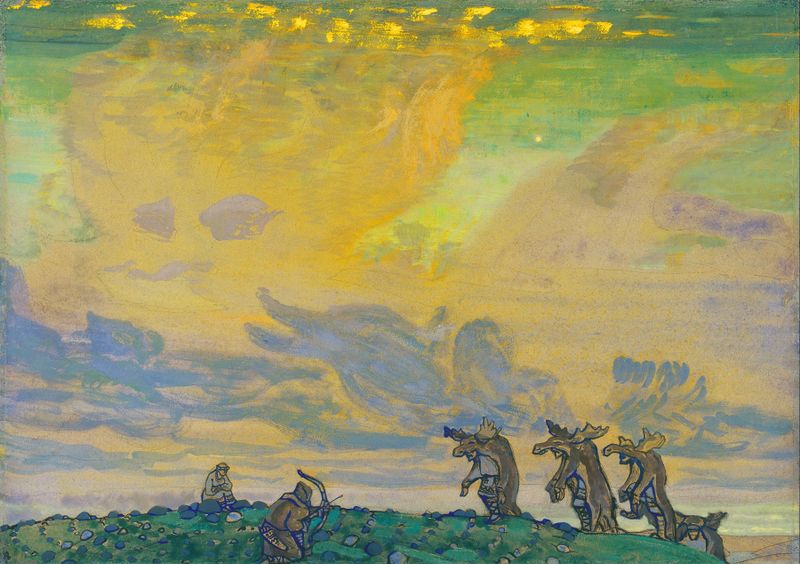
The Great Sacrifice. Setting for I.F.Stravinsky’s Ballet Sacred Spring
Nicholas Roerich
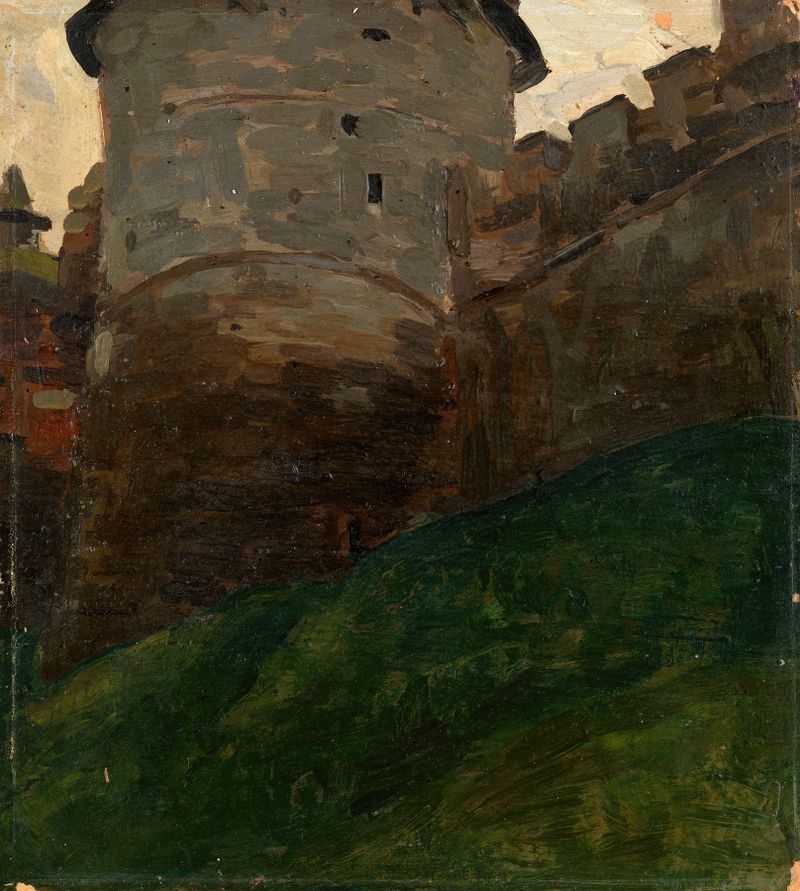
The Kremlin Tower of Nizhny Novgorod
Nicholas Roerich
The Great Sacrifice. Setting for I.F.Stravinsky’s Ballet «Sacred Spring»
Nicholas Roerich

Himalayas from Ting-kye Dzong
Nicholas Roerich
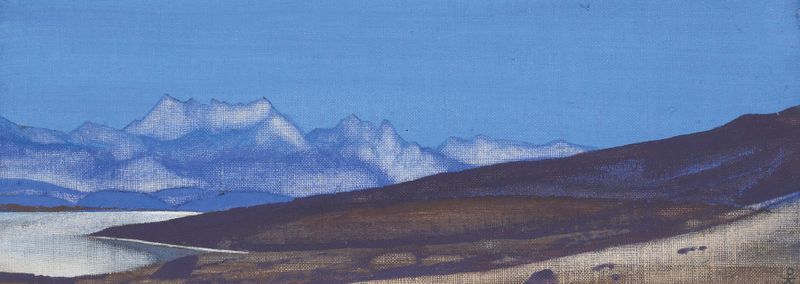
Mongolia
Nicholas Roerich
Islands
Nicholas Roerich

Depsang plains
Nicholas Roerich
Monhegan. Maine
Nicholas Roerich

Trees by a Lake
Nicholas Roerich





