The Great Sacrifice. Setting for I.F.Stravinsky’s Ballet Sacred Spring — History & Facts
Can paint confess what words never could? In the depths of creativity, the canvas becomes a vessel of emotion, revealing the unspeakable truths behind the act of creation. Focus on the central figures, their poised silhouettes emanating a palpable tension that mirrors the dance of life and death. Look closely at the interplay of rich earth tones and vibrant reds, where the colors evoke not just the physical presence of the characters but also the intense emotional stakes at play. The flowing lines and rhythmic composition suggest movement, as if the characters are caught in a moment of transcendence, ready to leap from the canvas into the viewer's heart. Amidst the vibrant tumult, there lies a profound contrast between the serenity of the background and the fervor of the foreground.
The quiet strength of the natural landscape serves as a poignant reminder of life’s cyclical nature, while the figures exude both vulnerability and determination. This tension, framed in the interplay of light and shadow, speaks to the universal themes of sacrifice and rebirth, urging viewers to reflect on their own journeys of creation and destruction. During the early 20th century, Nicholas Roerich painted The Great Sacrifice while immersed in the burgeoning world of modern art and theater, specifically inspired by I.F. Stravinsky’s groundbreaking ballet Sacred Spring.
At this time, Roerich was deeply involved in exploring the interplay between art and spirituality, seeking to convey the essence of life’s primal forces through vibrant imagery and dynamic compositions.
More Artworks by Nicholas Roerich
Browse all →
Himalayas, Sikkim
Nicholas Roerich
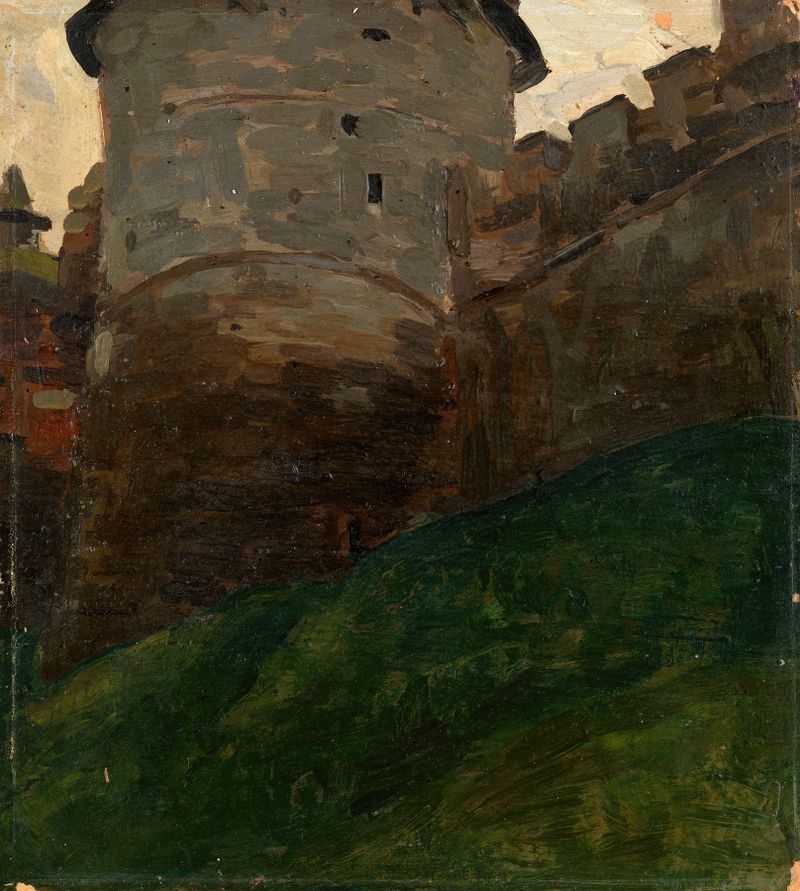
The Kremlin Tower of Nizhny Novgorod
Nicholas Roerich
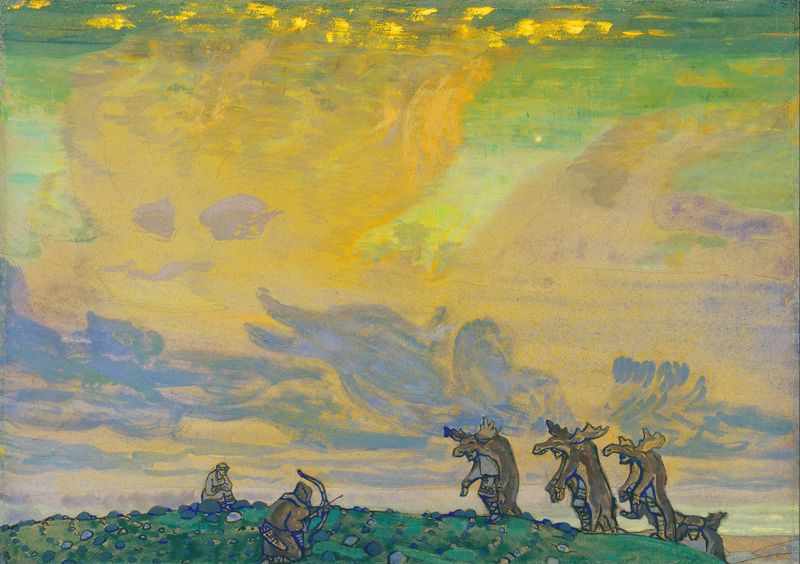
The Great Sacrifice. Setting for I.F.Stravinsky’s Ballet «Sacred Spring»
Nicholas Roerich

Himalayas from Ting-kye Dzong
Nicholas Roerich
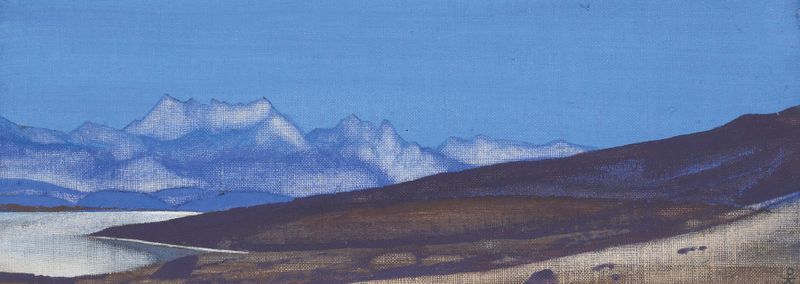
Mongolia
Nicholas Roerich
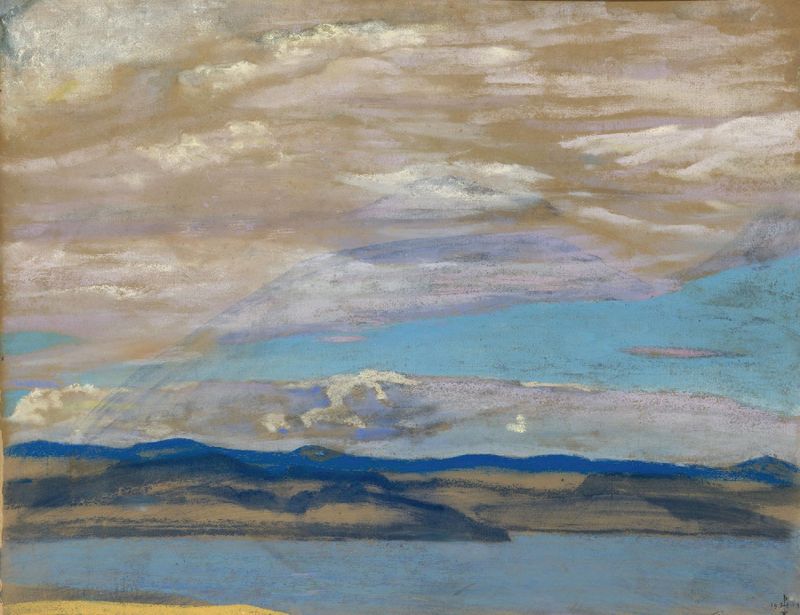
Islands
Nicholas Roerich

Depsang plains
Nicholas Roerich

Nag Lake
Nicholas Roerich
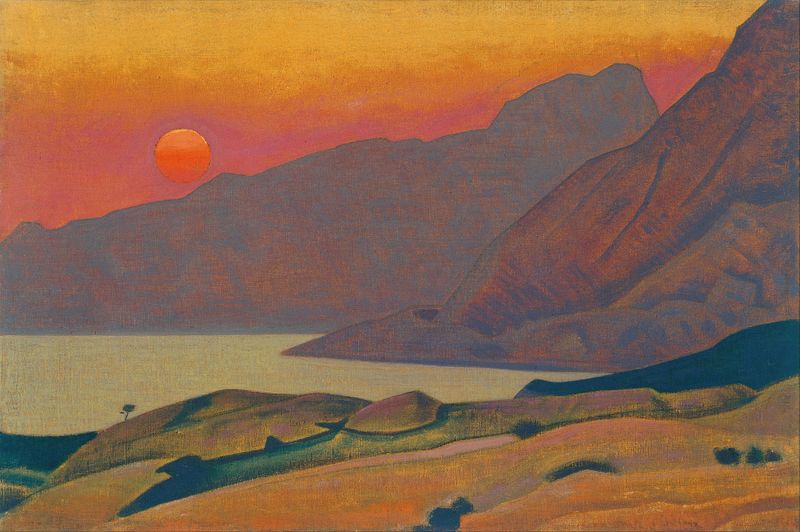
Monhegan. Maine
Nicholas Roerich

Trees by a Lake
Nicholas Roerich