
Mongolia — History & Facts
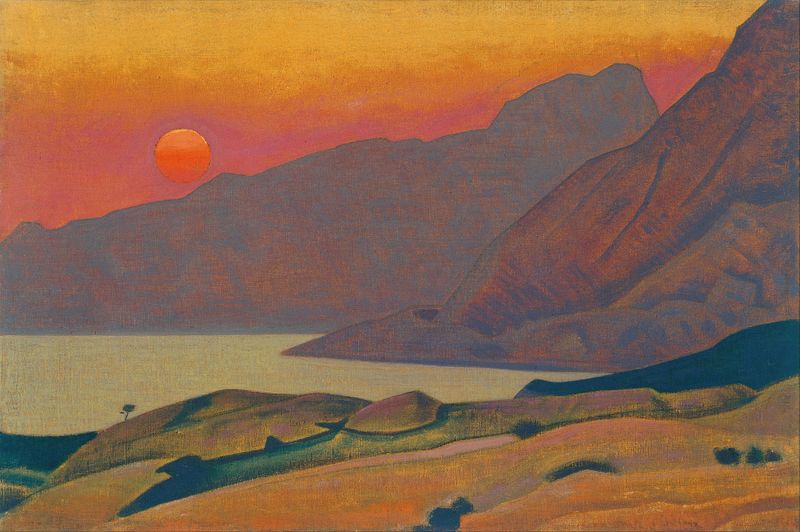
What if beauty was never meant to be finished? In a world filled with fleeting moments, Mongolia captures an eternal essence of reflection and contemplation. Look to the center of the canvas where majestic, snow-capped mountains rise against a brilliant azure sky. The composition reveals the subtle interplay of light and shadow, giving the peaks a sense of both grandeur and intimacy. Notice how the artist's palette blends cool blues with warm earth tones, crafting an atmosphere that feels both otherworldly and inviting.
Each brushstroke invites the viewer to linger, guiding the eye through the tranquil expanse of nature. Within this serene landscape lies a tension between stasis and movement. The gentle sweep of the hills juxtaposes the jagged edges of the mountains, illustrating the delicate balance of the natural world. Tiny details, such as a solitary cloud drifting across the sky or the play of light on the water's surface, evoke a sense of quiet contemplation, suggesting that beauty exists in both the grand and the minute.
This duality reflects the artist's philosophy that nature is a living entity, ever-changing yet constant, urging us to pause and reflect. Created between 1926 and 1927, Mongolia emerged during a transformative period for Nicholas Roerich. Living in Russia amidst political turmoil, he sought refuge in spirituality and the natural world, which influenced his artistic vision. This painting exemplifies his fascination with the landscapes of Central Asia, aligning with his broader aspirations of promoting peace through art and nature, solidifying his legacy as both an artist and an advocate for cultural preservation.
More Artworks by Nicholas Roerich
Browse all →
Himalayas, Sikkim
Nicholas Roerich
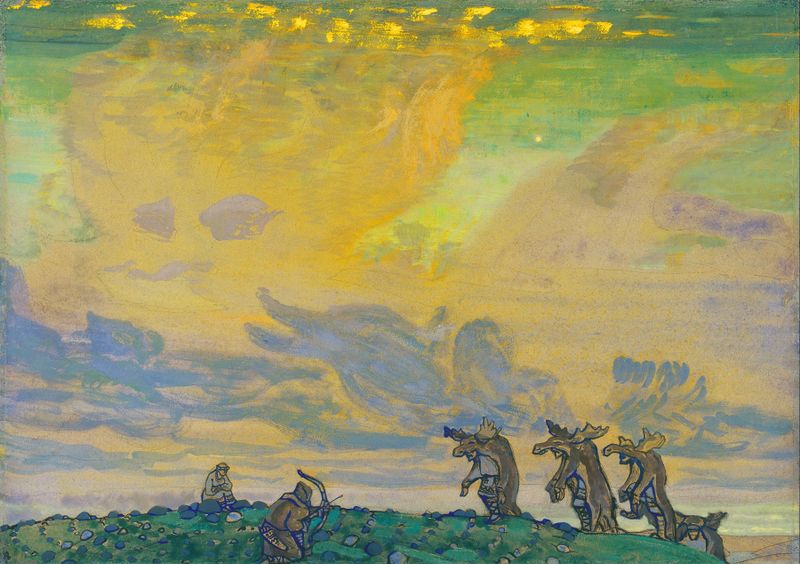
The Great Sacrifice. Setting for I.F.Stravinsky’s Ballet Sacred Spring
Nicholas Roerich
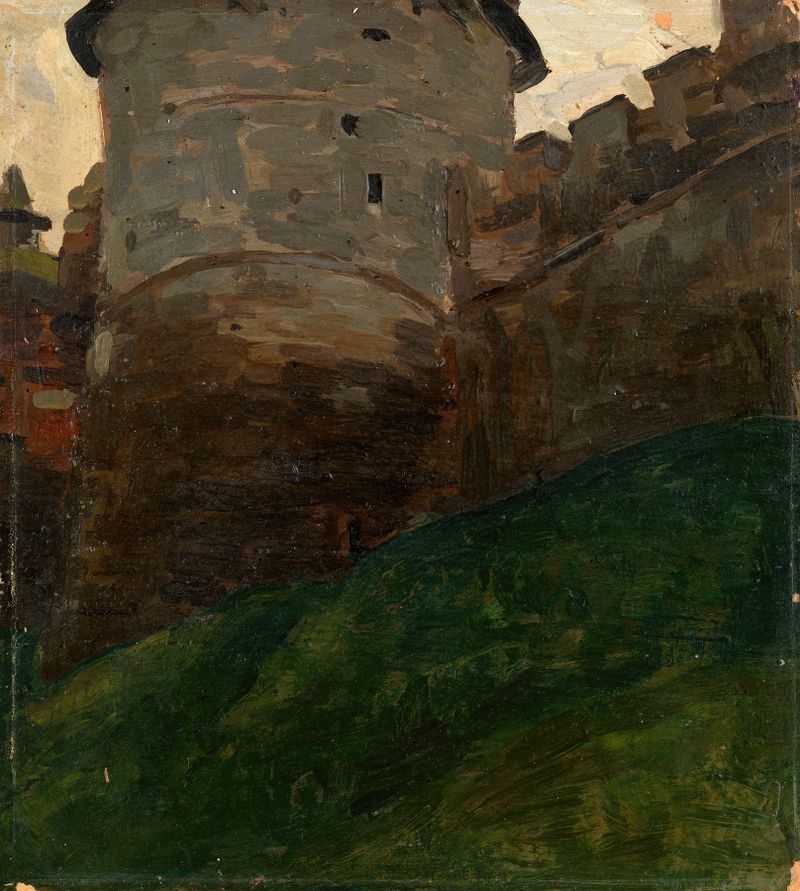
The Kremlin Tower of Nizhny Novgorod
Nicholas Roerich
The Great Sacrifice. Setting for I.F.Stravinsky’s Ballet «Sacred Spring»
Nicholas Roerich

Himalayas from Ting-kye Dzong
Nicholas Roerich
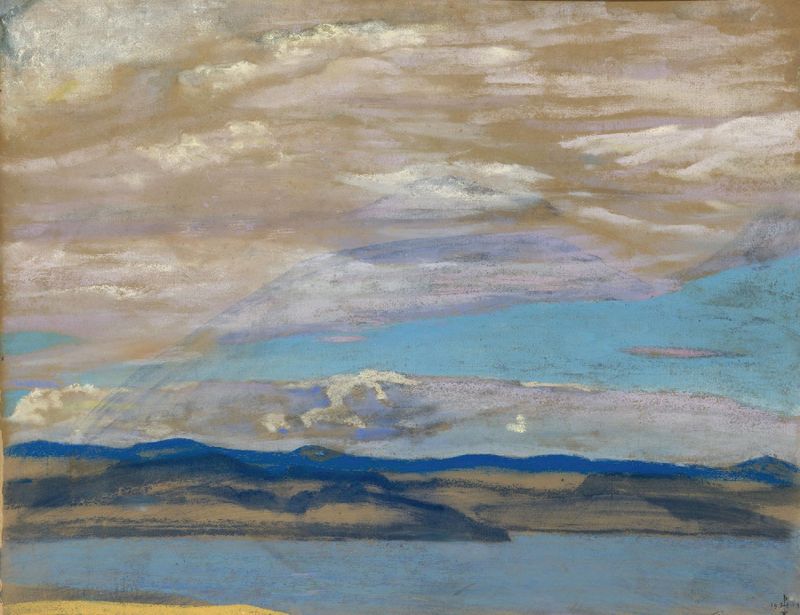
Islands
Nicholas Roerich

Depsang plains
Nicholas Roerich

Nag Lake
Nicholas Roerich
Monhegan. Maine
Nicholas Roerich

Trees by a Lake
Nicholas Roerich





