
Istuva nainen ja kaksi herraa — History & Facts
What draws the eye first in Istuva nainen ja kaksi herraa is the charged pause between the seated woman and the two uniformed men who stand before her. The woman’s posture, upright yet relaxed, hints at a poised self-possession, while the men’s military dress and attentive stances suggest a moment of formal introduction or negotiation. The artist, Albert Edelfelt, uses swift, light washes of color to set the scene, letting the creamy background and unfinished edges evoke a sense of fleeting encounter.
The composition leads the viewer from the woman’s gaze upward to the central figure in red, whose hand rests almost protectively at his chest, and then to his companion, who leans in with a subtle air of deference. Off to the side, a loosely sketched man absorbed in reading adds a layer of narrative ambiguity—perhaps a messenger, perhaps an observer, his presence amplifying the sense of a story just out of reach. Works like this, with their conversational groupings and hints of social ritual, belong to a tradition of 19th-century European genre painting, where the private dramas of the parlor or salon became worthy subjects for art. In the world of Albert Edelfelt, whose career spanned the late 1800s, such scenes often reflected the shifting boundaries of class, gender, and national identity in a rapidly modernizing society.
The collection that now holds this piece—the Finnish National Gallery—preserves it as part of a broader tapestry of Nordic art, even as the specifics of its creation remain undocumented. History has kept few traces of this particular gathering, but the unfinished lines and suggestive glances invite viewers to imagine the conversations and choices that might have unfolded in that luminous, uncertain room.
More Artworks by Albert Edelfelt

The Day of Rest
Albert Edelfelt
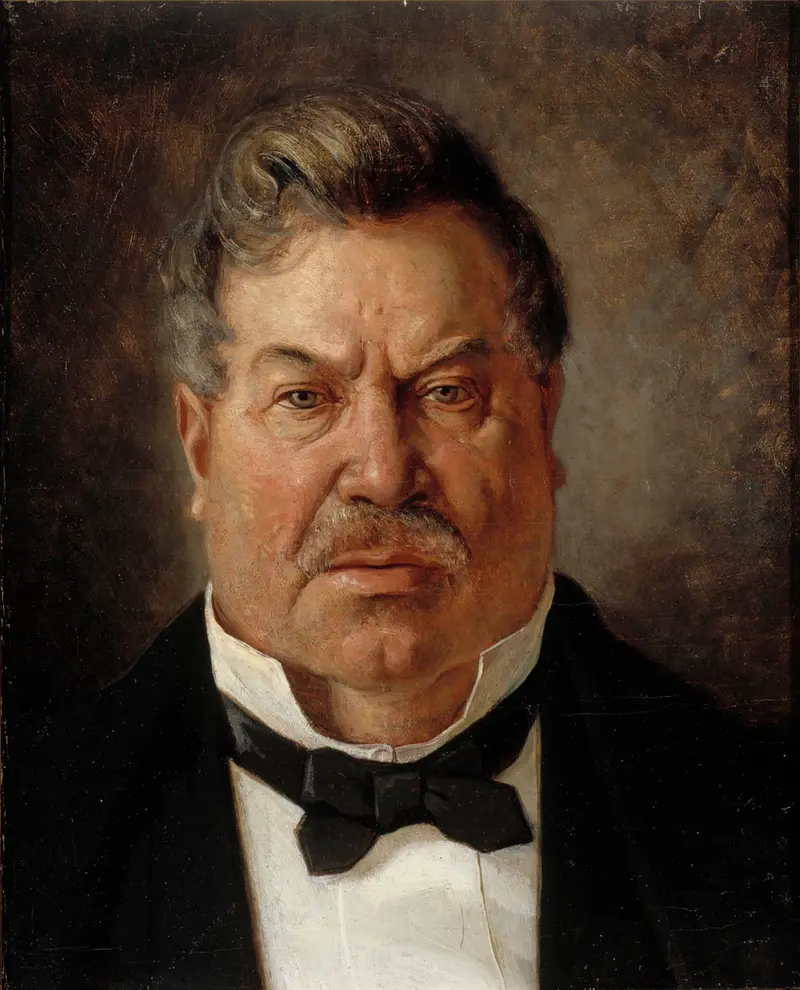
Portrait of August Streng
Albert Edelfelt
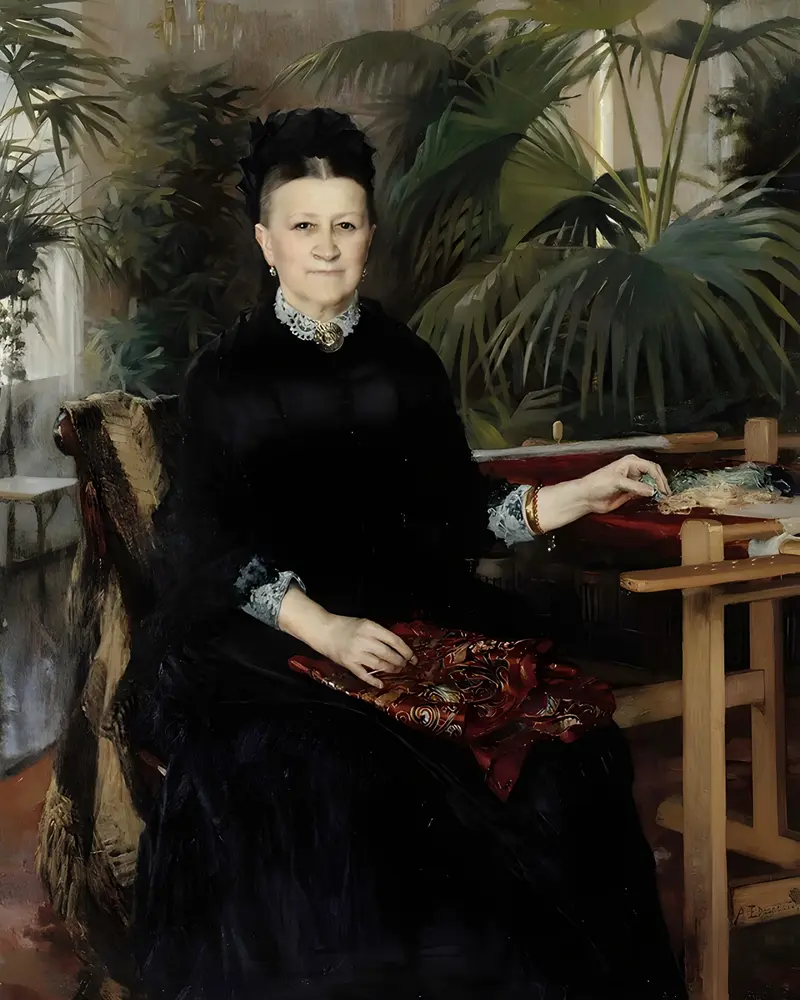
Portrait Of Mrs. Anna Sinebrychoff
Albert Edelfelt

The Poet, Larin Paraske
Albert Edelfelt

Parisian lady in a Peignoir
Albert Edelfelt
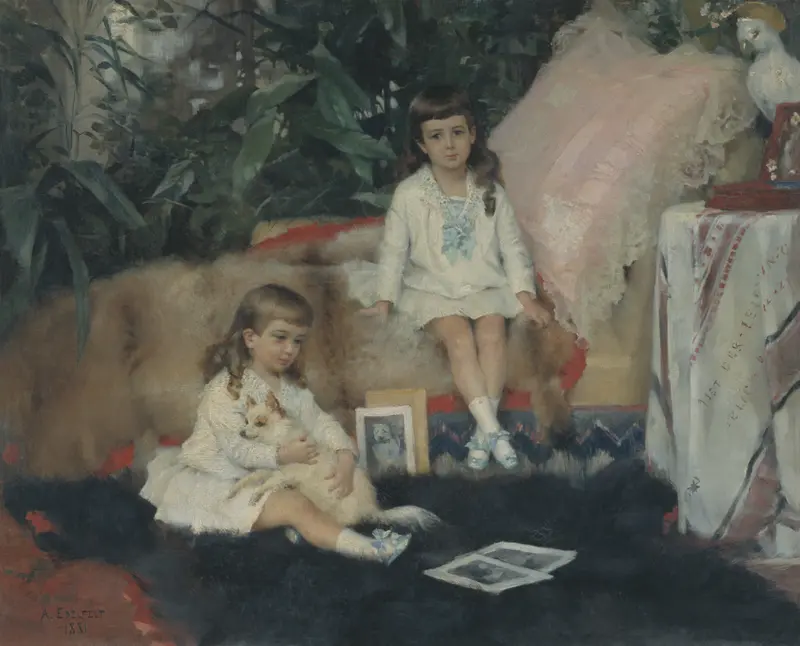
The Grand Dukes Boris and Kirill Vladimirovich as Children
Albert Edelfelt
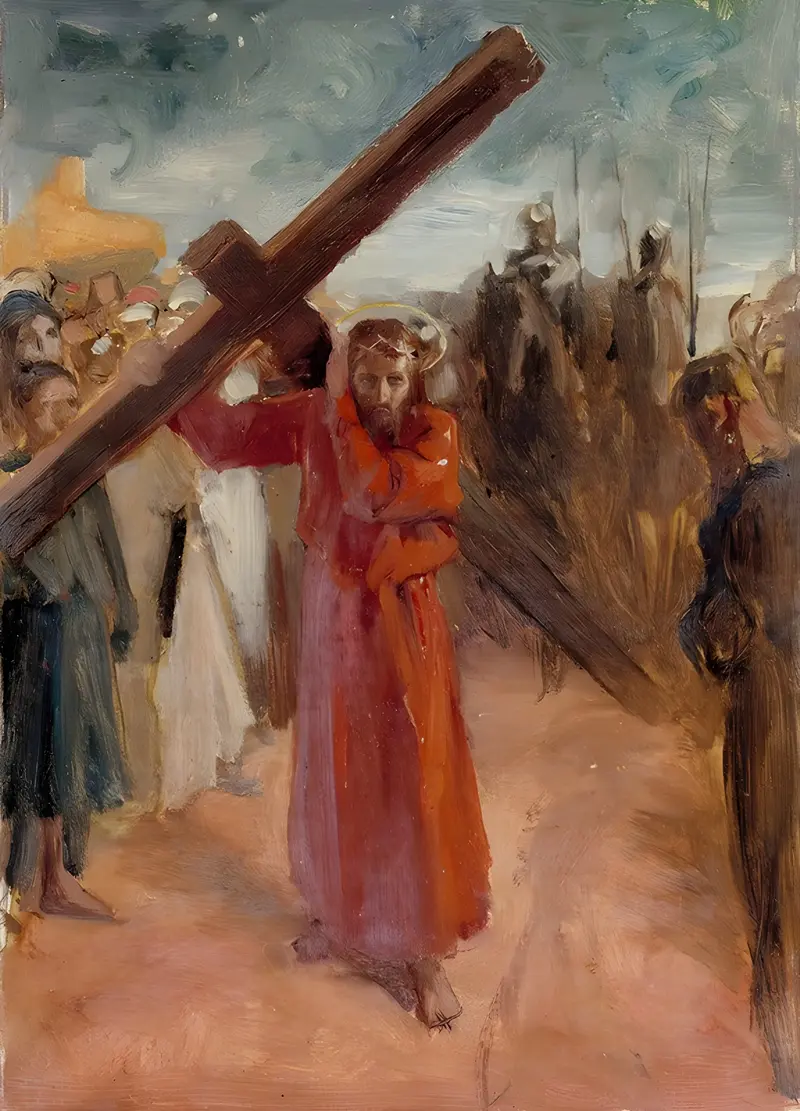
Christ Bears The Cross
Albert Edelfelt
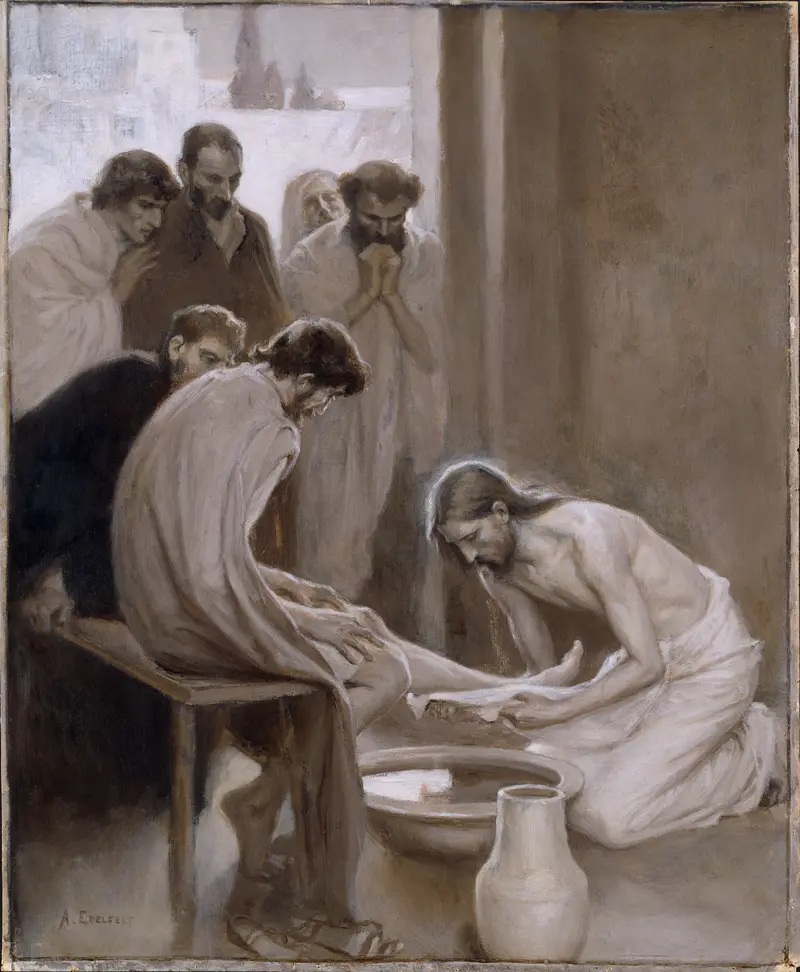
Jesus Washing the Feet of his Disciples
Albert Edelfelt

Larin Paraske with Kantele
Albert Edelfelt
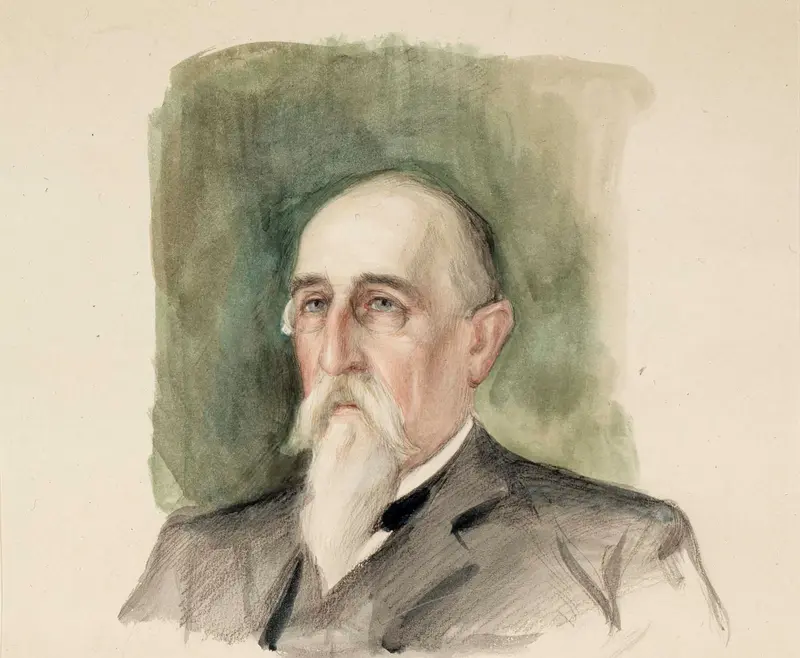
Leo Mechelin, Portrait Study
Albert Edelfelt
More Genre Scene Art

Banquet of the Officers of the St George Civic Guard
Frans Hals

Rembrandt and Saskia in the Scene of the Prodigal Son
Rembrandt van Rijn

Bal du moulin de la Galette
Pierre-Auguste Renoir

Quadrille at the Moulin Rouge
Henri de Toulouse-Lautrec

A Burial at Ornans
Gustave Courbet

When Will You Marry?
Paul Gauguin