
Italian Landscape with Ancient Tempietto — History & Facts
In the quiet embrace of nature, longing hangs in the air, whispering through the trees and the ruins. The landscape speaks of desires both fulfilled and unfulfilled, where the past gently intertwines with the present. Look to the center, where a vine-clad tempietto stands resolutely amid lush greenery. The structure, partially concealed, beckons like a secret waiting to be uncovered.
Notice how the warm light dances across the scene, illuminating the rich greens and earthy browns, creating a tapestry of tranquility that envelops the viewer. The soft interplay of shadows adds depth, inviting exploration of the hidden corners where nature and architecture coexist. The ancient ruin represents both nostalgia and impermanence—a reminder of humanity's fleeting presence against the timelessness of nature. Each detail, from the delicate brushstrokes capturing the leaves to the crumbling stones, echoes a longing for a connection to the past.
The juxtaposition of the serene landscape with the remnants of civilization challenges us to reflect on our own transient desires and the weight of history. In the mid-17th century, Pynacker painted this work during a time when Dutch art was flourishing, particularly with landscapes that conveyed emotion and storytelling. Living in the artistic hub of Haarlem, he was influenced by the emerging Baroque style that emphasized drama and light. This period was marked by a growing fascination with the natural world, and Pynacker’s landscapes embody the desire to capture beauty, history, and the essence of human experience in a single moment.
More Artworks by Adam Pynacker
Browse all →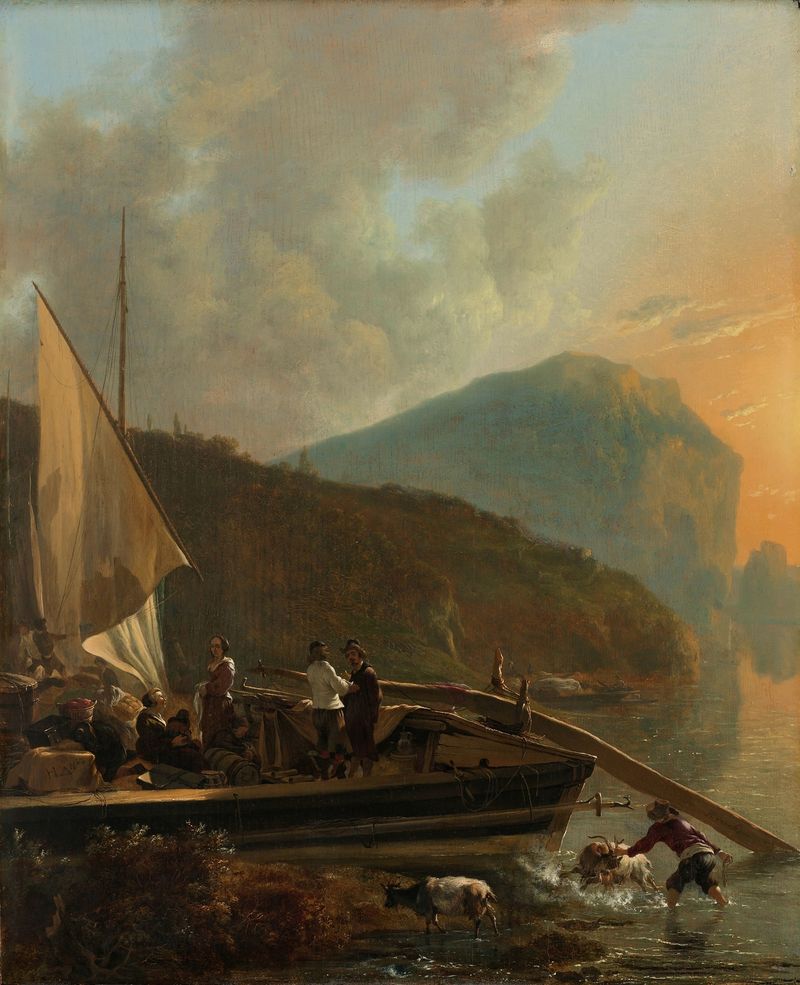
Italianate River Landscape
Adam Pynacker
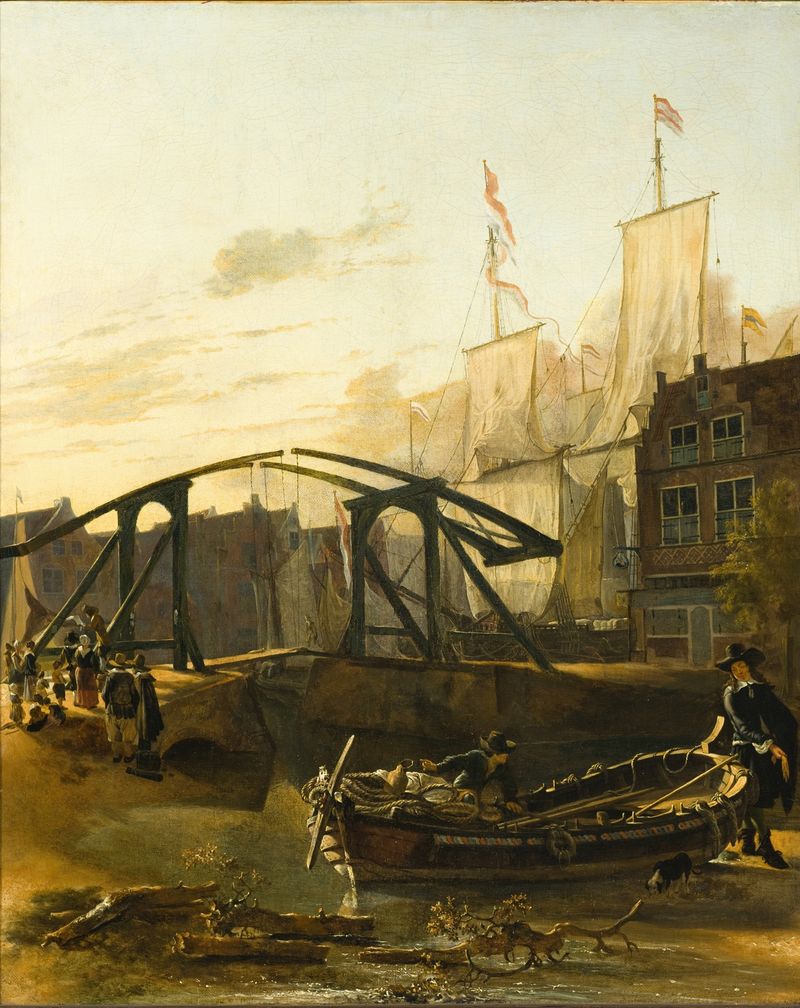
View of a Harbor in Schiedam
Adam Pynacker

Landscape with a Goatherd
Adam Pynacker

Mountainous Landscape with Waterfall
Adam Pynacker
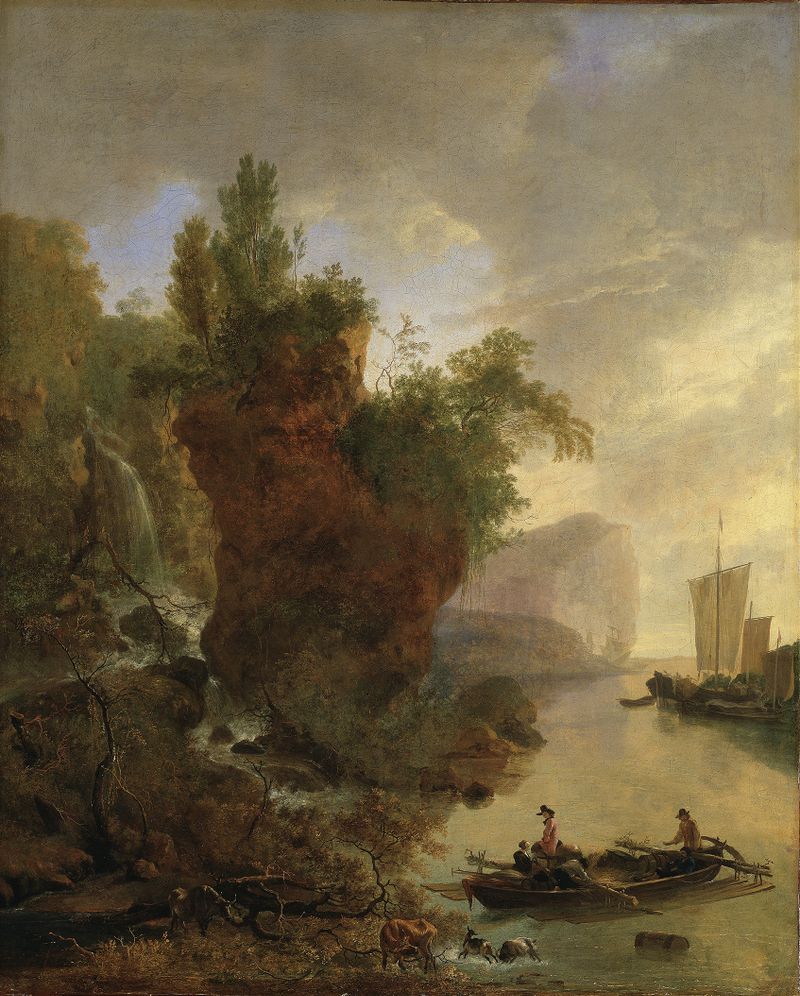
Bay with a Rocky Coast
Adam Pynacker
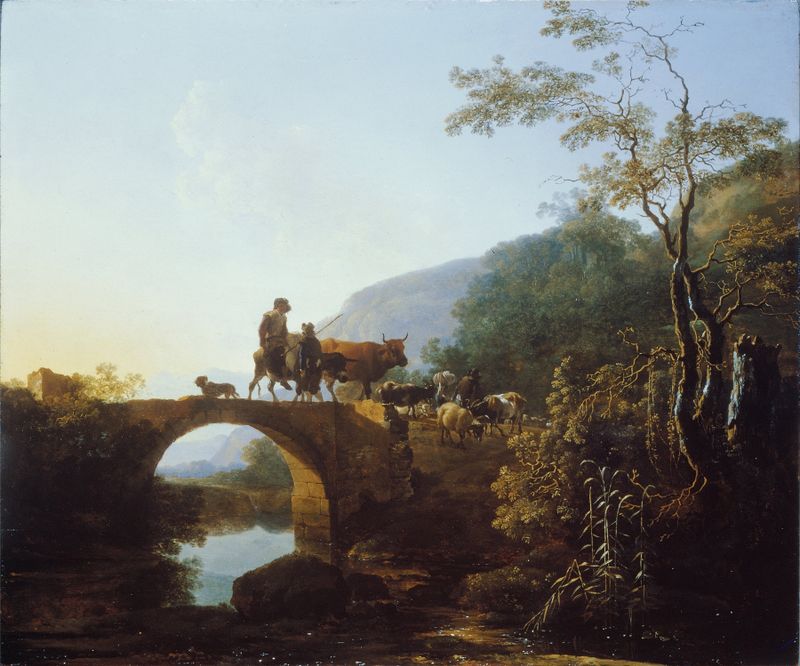
Bridge in an Italian Landscape
Adam Pynacker
Landscape
Adam Pynacker

Landscape with cattle
Adam Pynacker
An Italianate Landscape With A Traveller On A Path By A Waterfall
Adam Pynacker

A waterfall
Adam Pynacker





