
Italienische Gebirgslandschaft mit steinerner Brücke — History & Facts
When did color learn to lie? In the intricate world of Italienische Gebirgslandschaft mit steinerner Brücke, hues dance with a beguiling charm, blurring the line between reality and imagination. This landscape invites viewers to reconsider their relationship with nature, challenging the authenticity of their perceptions. Look to the center, where the stone bridge arches gracefully over a gentle stream. The earthy browns and muted grays of the bridge contrast starkly with the vibrant greens and blues of the surrounding foliage.
Notice how the light filters through the trees, casting dappled shadows on the water’s surface, creating a sense of depth and tranquility. The composition, carefully balanced, draws the eye through the scene, offering a pathway into the serene embrace of the Italian mountains. Yet, within this picturesque tableau lies an emotional complexity. The bridge, both a passage and a barrier, symbolizes the journey between two worlds: nature’s untouched beauty and man's constructed elements.
The juxtaposition of the serene landscape against the rugged mountains evokes a tension between peace and the formidable forces of nature. The color palette, rich yet restrained, speaks to an inner truth—beckoning viewers to question what lies beneath the surface of this idyllic scene. In 1827, Ernst Fries painted this work amidst the burgeoning Romantic movement in Europe, a time when artists sought to evoke emotion through nature. Living in Germany but inspired by the Italian landscape, Fries was navigating his own artistic identity while responding to the world’s shifting cultural landscapes.
His exploration of color and form in this piece is a testament to a period of dynamic change and introspection in the realm of art.
More Artworks by Ernst Fries
Browse all →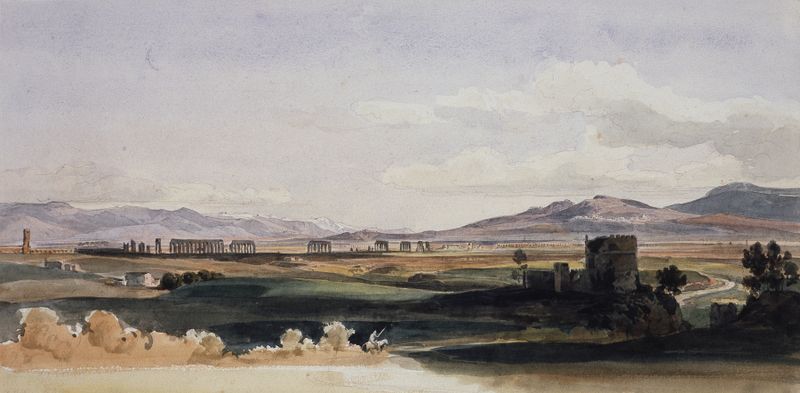
Römische Campagna und das Albaner Gebirge
Ernst Fries
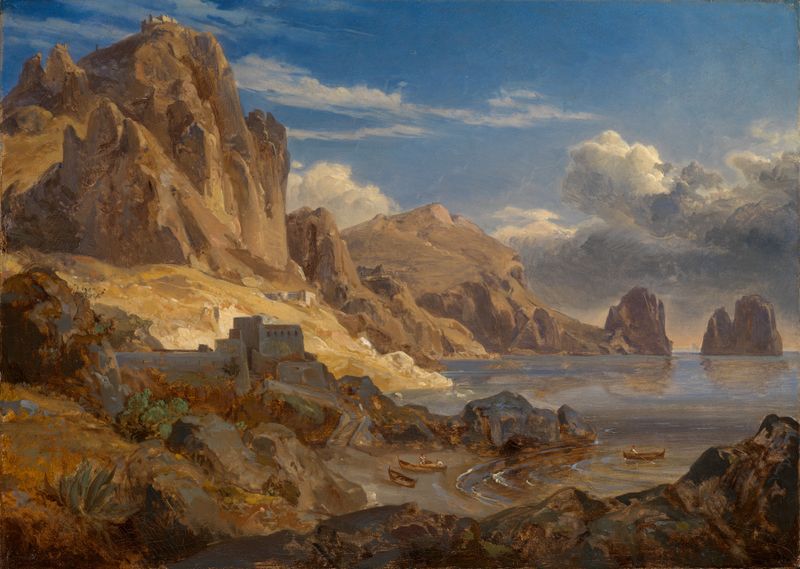
Küste bei Capri mit Blick auf die Faraglioni
Ernst Fries
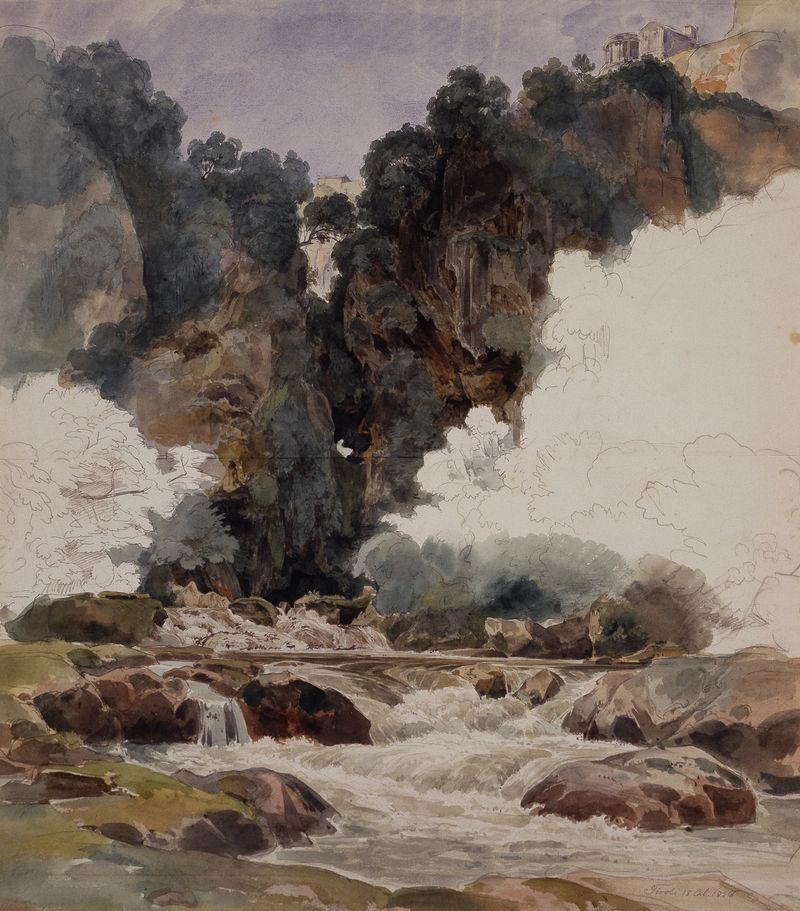
The Neptune Grotto close to Tivoli
Ernst Fries
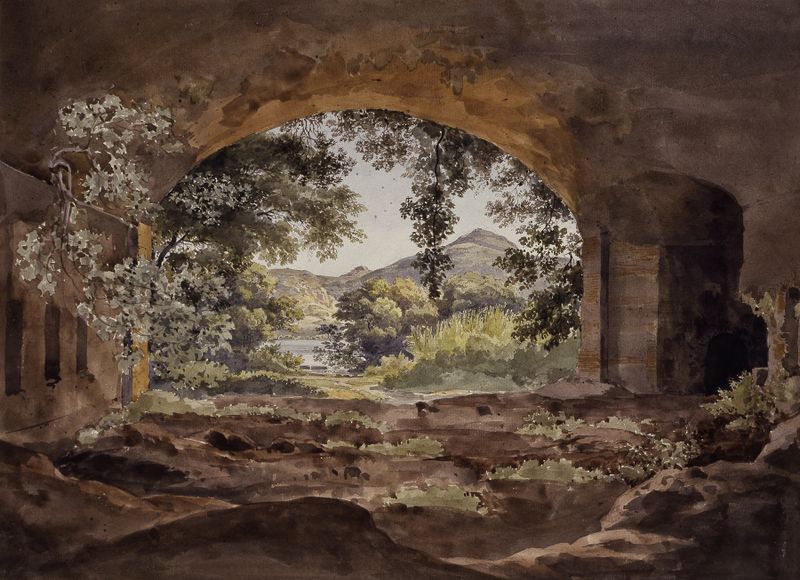
Channel of Lake Albano
Ernst Fries
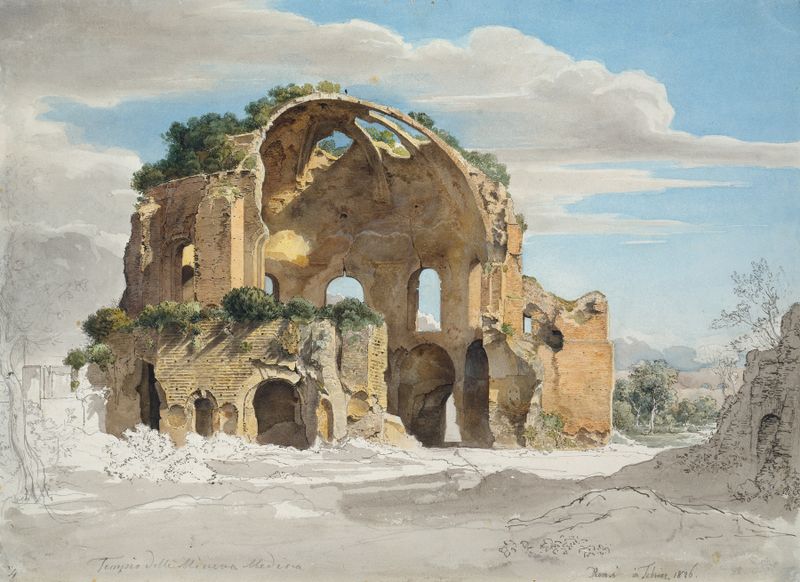
Tempel der Minerva Medica in Rom
Ernst Fries
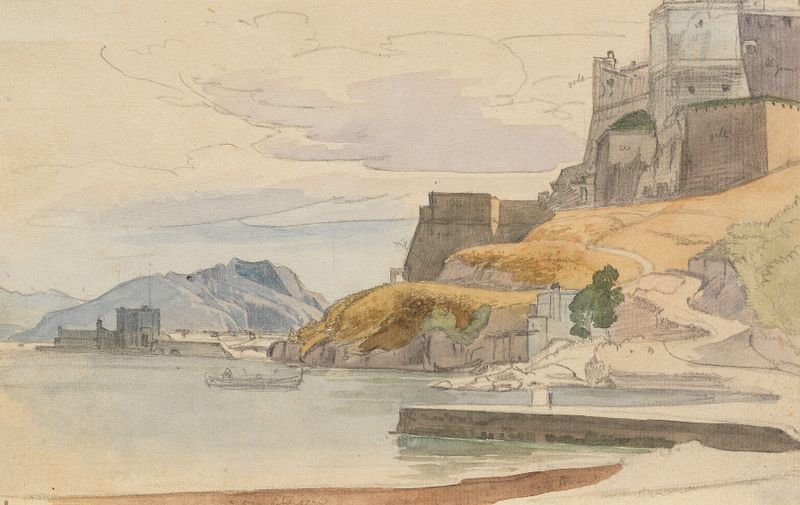
Landscape Study 2
Ernst Fries
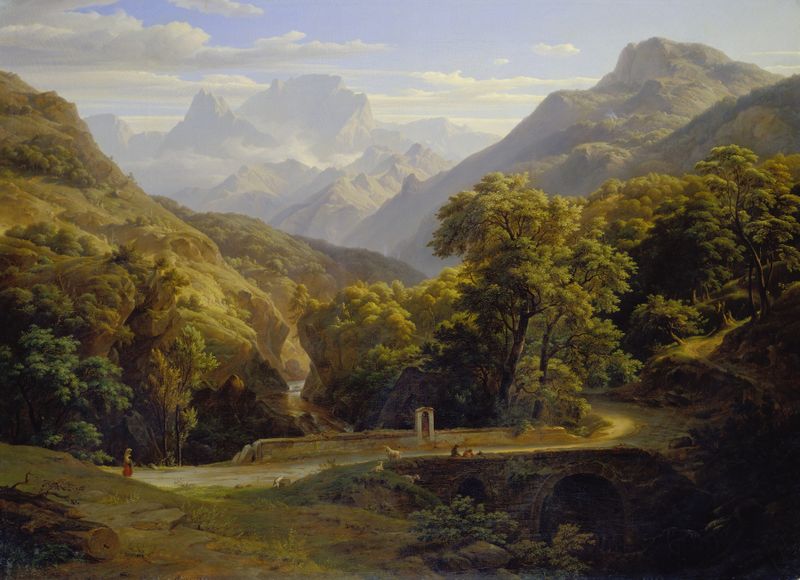
Mountainscape
Ernst Fries
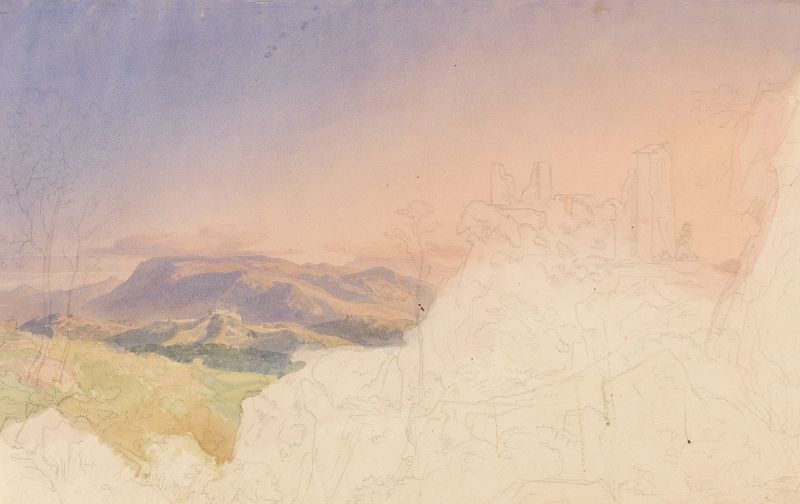
Landscape Study 3
Ernst Fries





