
Mountainscape — History & Facts
Is this a mirror — or a memory? A landscape unfolds before us, evoking both the tranquility of nature and the elusive quality of dreams. Look toward the background, where majestic mountains rise and fall, their peaks dusted with the weight of snow. The delicate brushstrokes capture the subtle play of light and shadow, creating a serene atmosphere that beckons the viewer into the scene. Notice how the pale blues and soft greens blend harmoniously, evoking a sense of calm while guiding the eye towards the horizon. Yet, beneath the surface beauty lies a deeper contrast.
The vibrant foreground teems with life, dotted with verdant trees that seem almost to breathe, while the distant mountains appear both monumental and distant, suggesting the passage of time. This juxtaposition of lush vitality against an imposing backdrop hints at the tension between aspiration and the unattainable, mirroring the human experience of longing and the fleeting nature of dreams. In 1832, Ernst Fries painted this piece in Germany, during a period when Romanticism was redefining artistic expression. Newly immersed in the ideals of the period, he sought to convey not only the grandeur of nature but also the emotional resonance it could inspire.
As the world around him changed, so too did his approach, capturing both the beauty and complexity of the natural landscapes that shaped his artistic vision.
More Artworks by Ernst Fries
Browse all →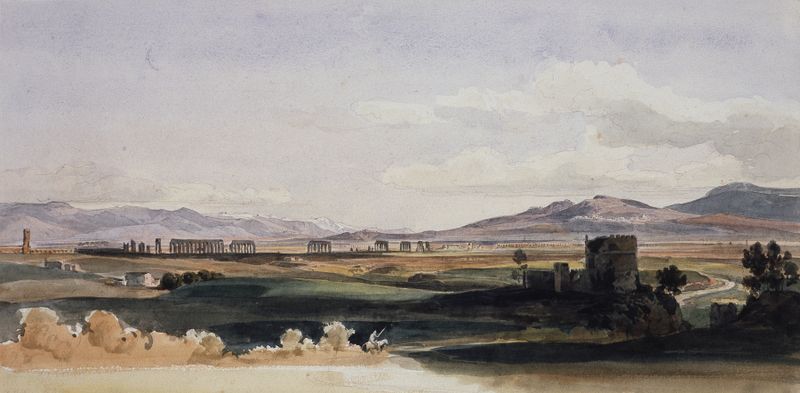
Römische Campagna und das Albaner Gebirge
Ernst Fries
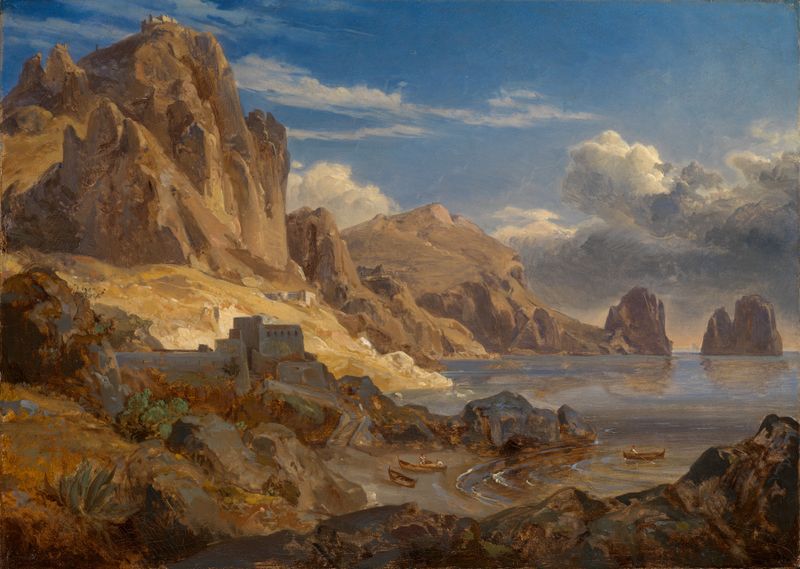
Küste bei Capri mit Blick auf die Faraglioni
Ernst Fries
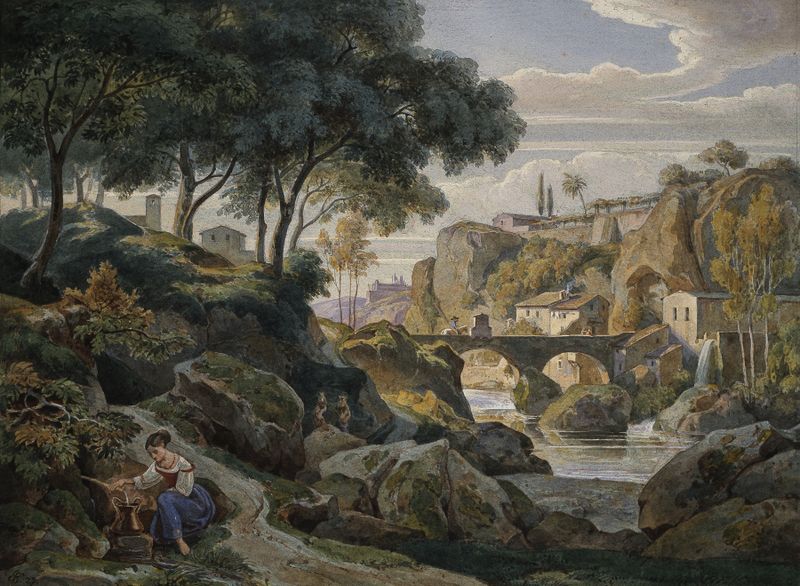
Italienische Gebirgslandschaft mit steinerner Brücke
Ernst Fries
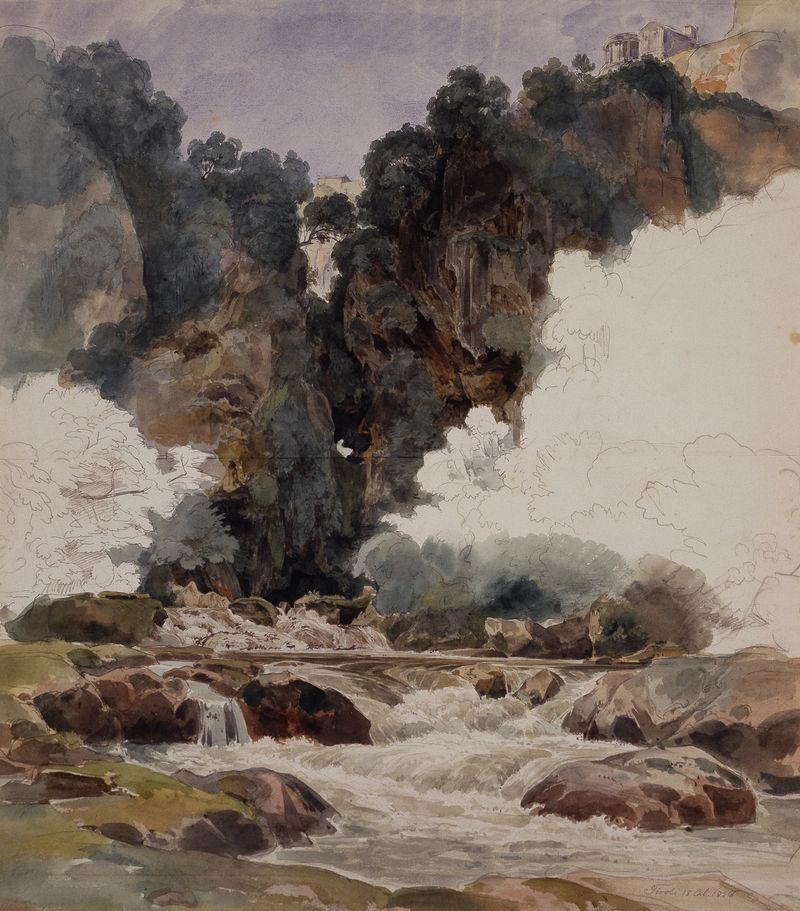
The Neptune Grotto close to Tivoli
Ernst Fries
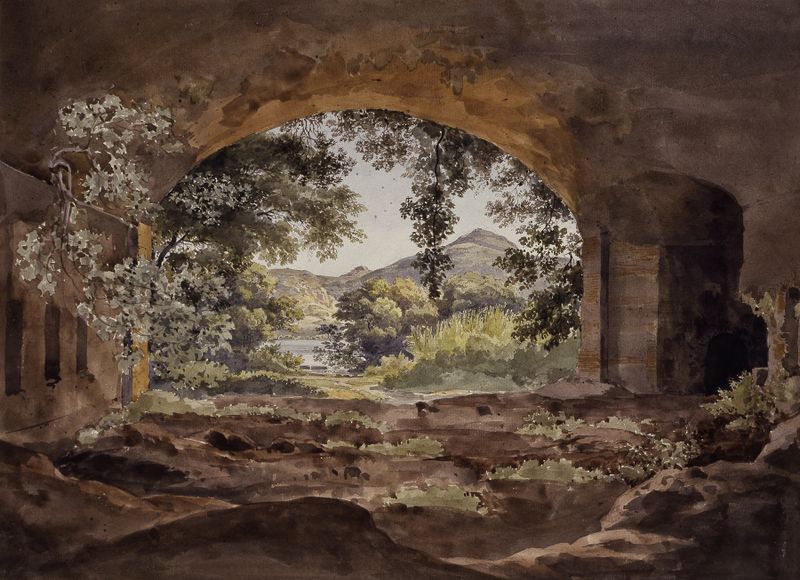
Channel of Lake Albano
Ernst Fries
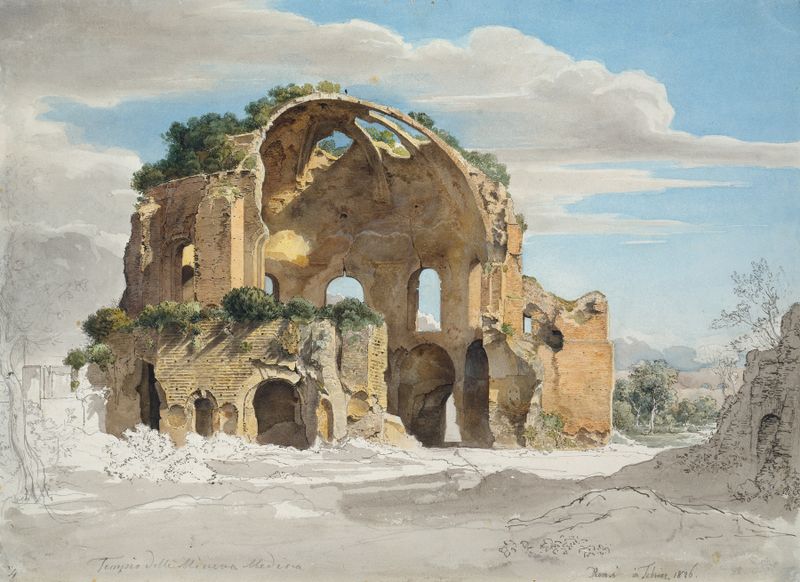
Tempel der Minerva Medica in Rom
Ernst Fries
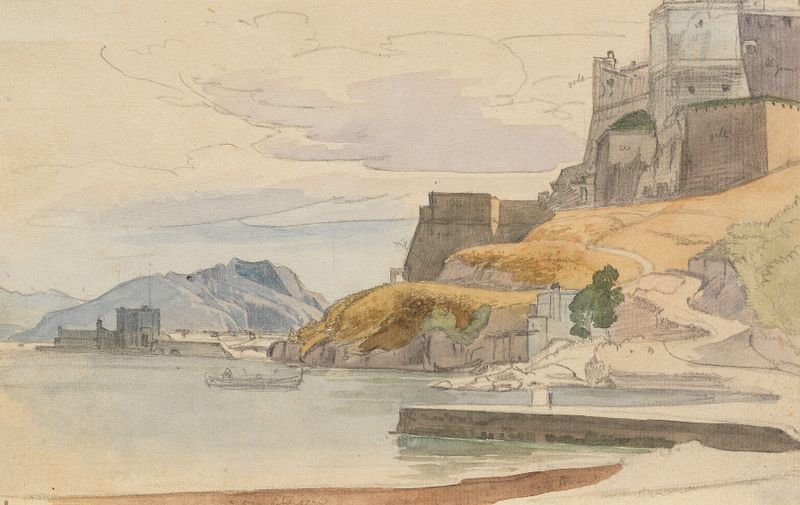
Landscape Study 2
Ernst Fries
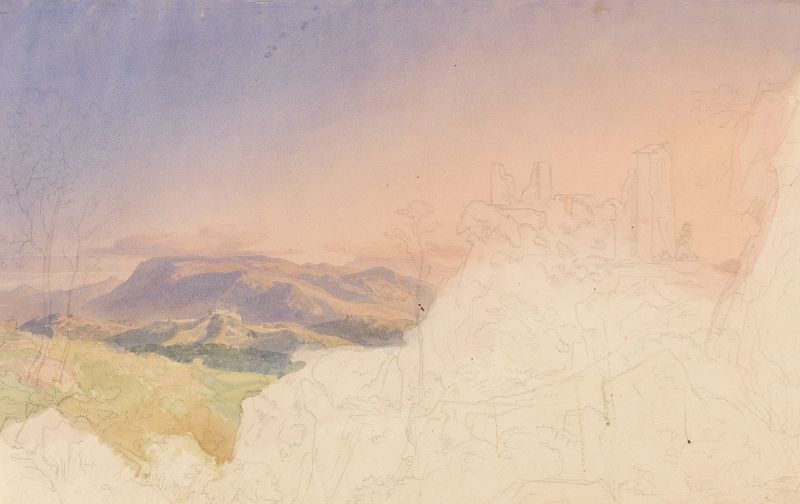
Landscape Study 3
Ernst Fries





