
Landscape Study 3 — History & Facts
In the vast expanse of nature, emptiness holds a profound weight; it speaks where words fail. The quietude of a landscape study can unveil the depths of the human spirit, revealing both solitude and serenity. Look to the horizon, where muted greens converge with soft ochres, suggesting the emergence of distant hills. The brushwork is delicate yet purposeful, inviting you to trace the subtle gradients of color that breathe life into the canvas.
Notice how light diffuses across the scene, casting gentle shadows that hint at the time of day — perhaps dawn or dusk — when the world stands still, allowing reflection to flourish. Hidden within this tranquil setting lies a tension between the vastness of nature and the intimacy of human connection. The seemingly empty spaces evoke a sense of longing, stirring emotions that resonate with anyone who has experienced solitude. The quietude of the landscape speaks to the internal struggles of existence, reminding us that emptiness can also be a canvas for new beginnings and self-discovery. In 1820, Ernst Fries painted this work while deeply engaged with the Romantic ideals of nature and emotion.
At that time, the artist was in Germany, part of a movement that sought to capture the sublime beauty of the natural world, reflecting both personal feelings and universal truths. His exploration of landscapes contributed to the growing fascination with portraying nature as a space for introspection and connection, marking a significant moment in the evolution of 19th-century art.
More Artworks by Ernst Fries
Browse all →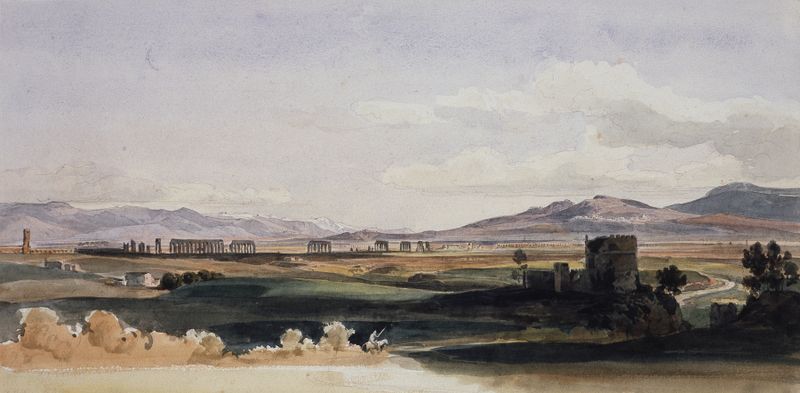
Römische Campagna und das Albaner Gebirge
Ernst Fries
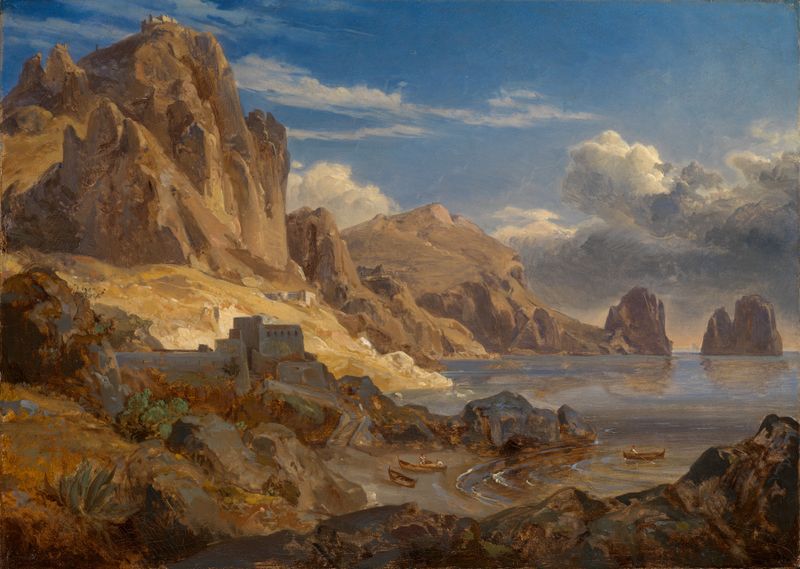
Küste bei Capri mit Blick auf die Faraglioni
Ernst Fries
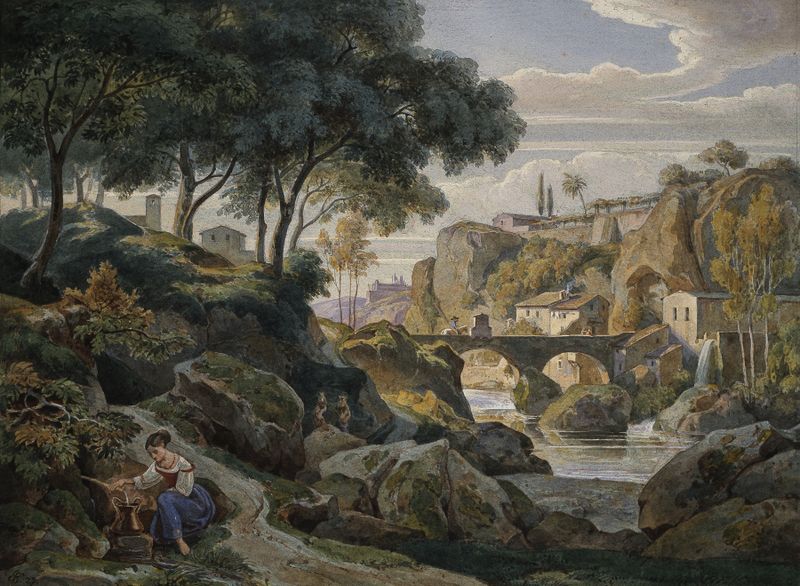
Italienische Gebirgslandschaft mit steinerner Brücke
Ernst Fries
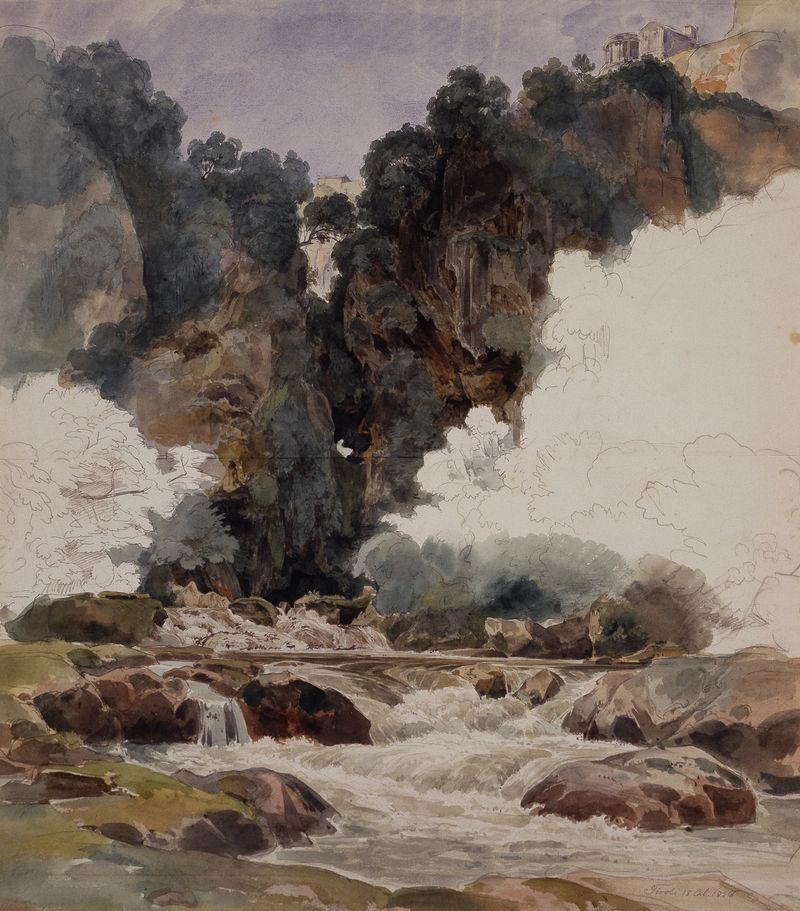
The Neptune Grotto close to Tivoli
Ernst Fries
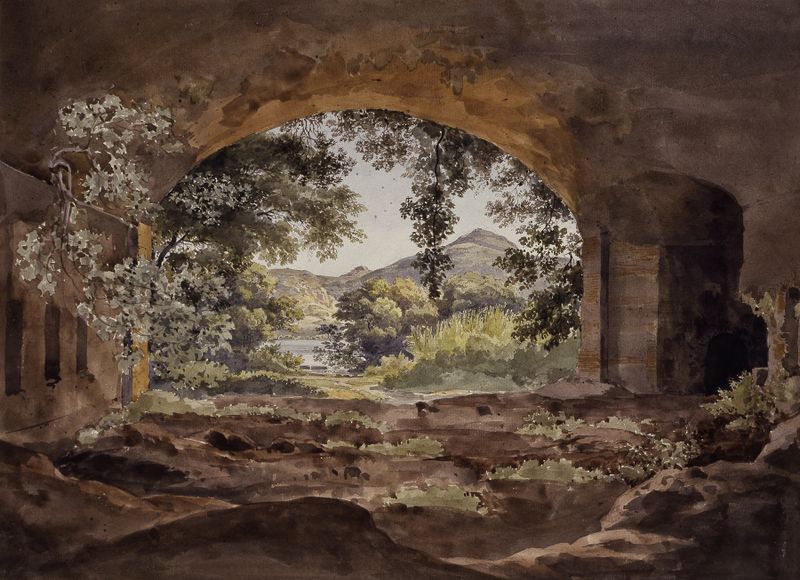
Channel of Lake Albano
Ernst Fries
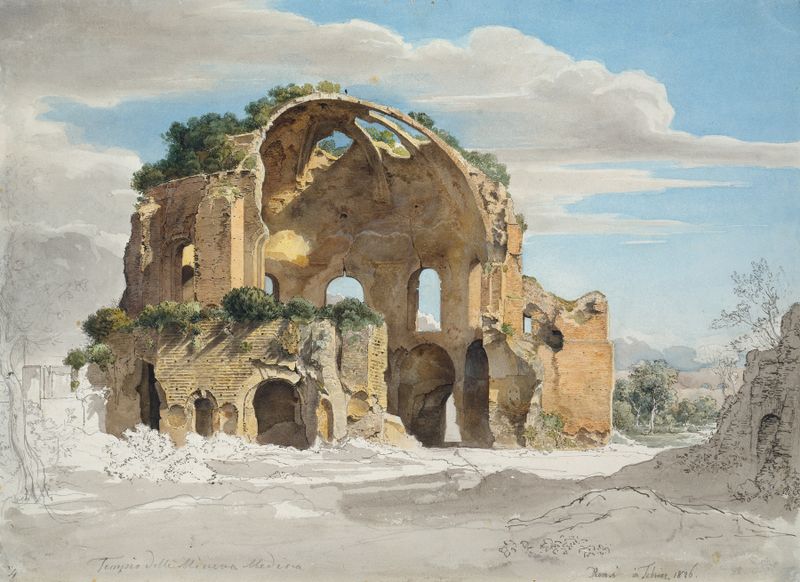
Tempel der Minerva Medica in Rom
Ernst Fries
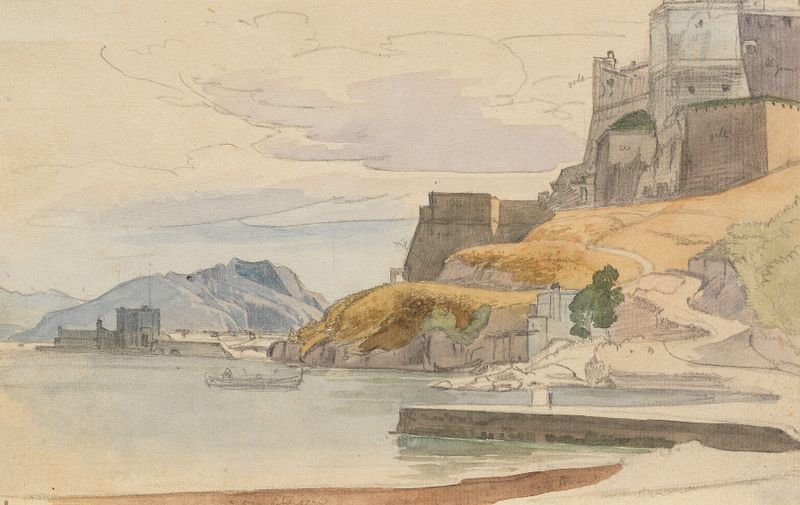
Landscape Study 2
Ernst Fries
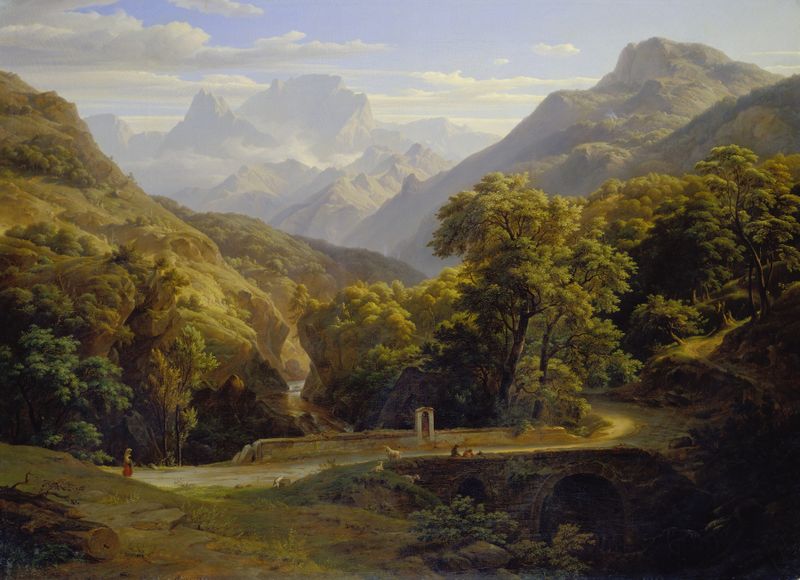
Mountainscape
Ernst Fries





