Ja dem Völkerbund — History & Facts
What grips the viewer first in Ja dem Völkerbund by Emil Cardinaux is the sheer force of the figure’s gesture: a resolute man, chest forward, arm outstretched, as if inviting or commanding an unseen audience to join him. His other hand clutches a red-and-white flag, its folds echoing the energy of his stance. The palette is pared down to earthy ochres, black, and the vivid red of the banner, which draws the eye upward and anchors the composition.
Light falls directly on his face and arm, emphasizing strength and sincerity, while the bold, monumental lettering above and below him gives the image the weight of a public declaration. Created in 1920, this work belongs to the world of postwar Europe, when posters like this were not mere decoration but urgent tools of persuasion. The League of Nations—Völkerbund in German—was a new hope for peace after the devastation of World War I, and Switzerland faced a national debate over joining. Artists such as Cardinaux were often commissioned to create images that could sway public opinion, blending the clarity of modern graphic design with the emotional charge of traditional allegory.
History has kept few traces of the individual stories behind such posters, but the bold confidence of this figure still speaks to the anxieties and aspirations of an age trying to rebuild itself. Let your eye return to his outstretched hand and consider what it meant to reach for unity in a world so recently divided.
More Artworks by Emil Cardinaux
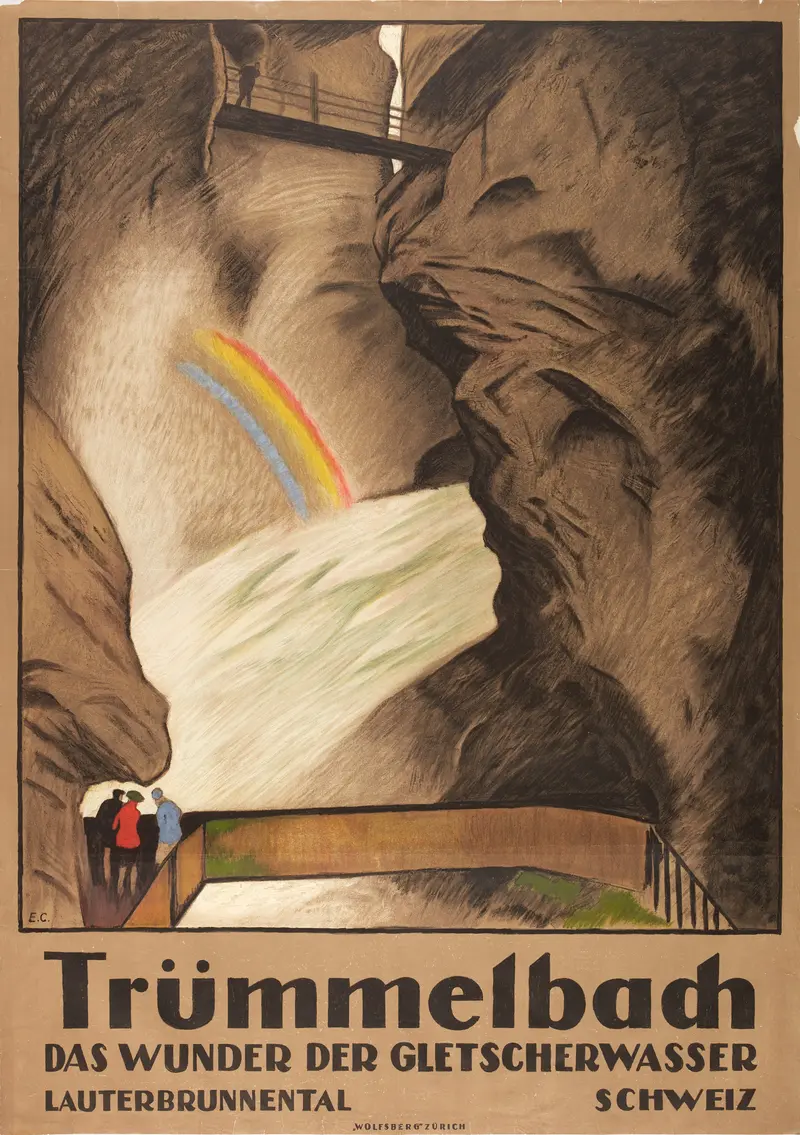
Trümmelbach
Emil Cardinaux
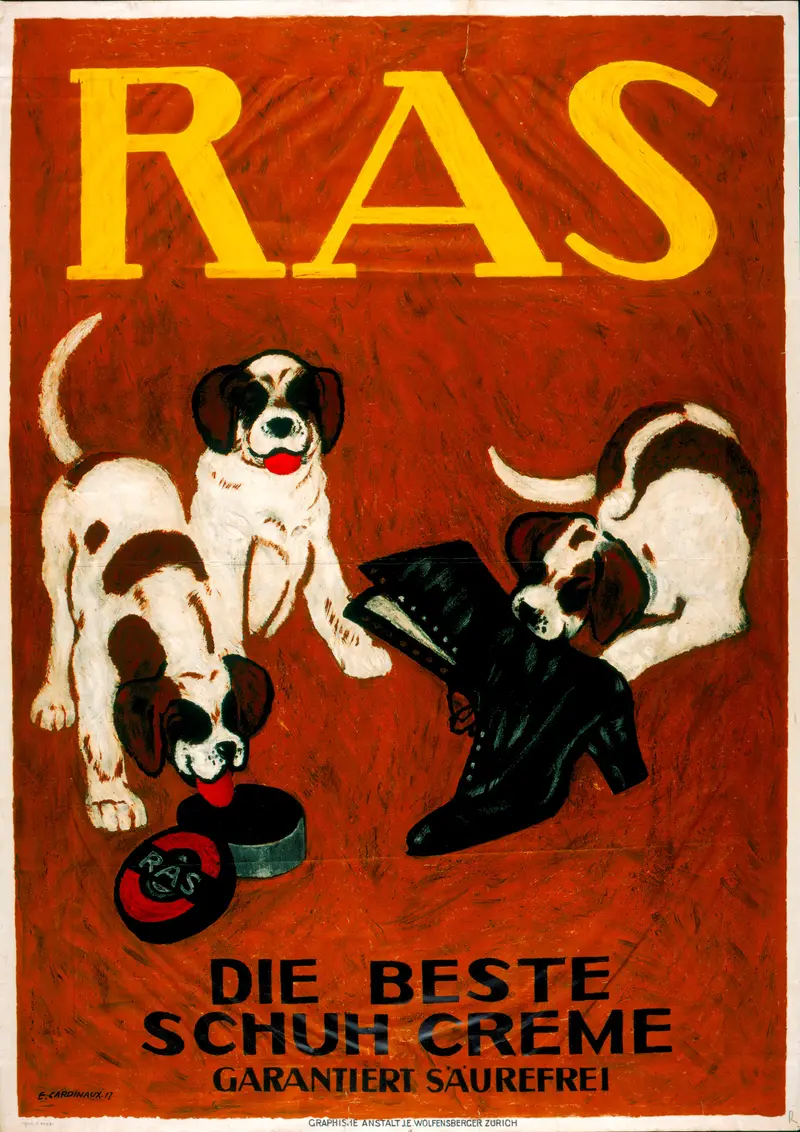
RAS, die beste Schuhcrème
Emil Cardinaux
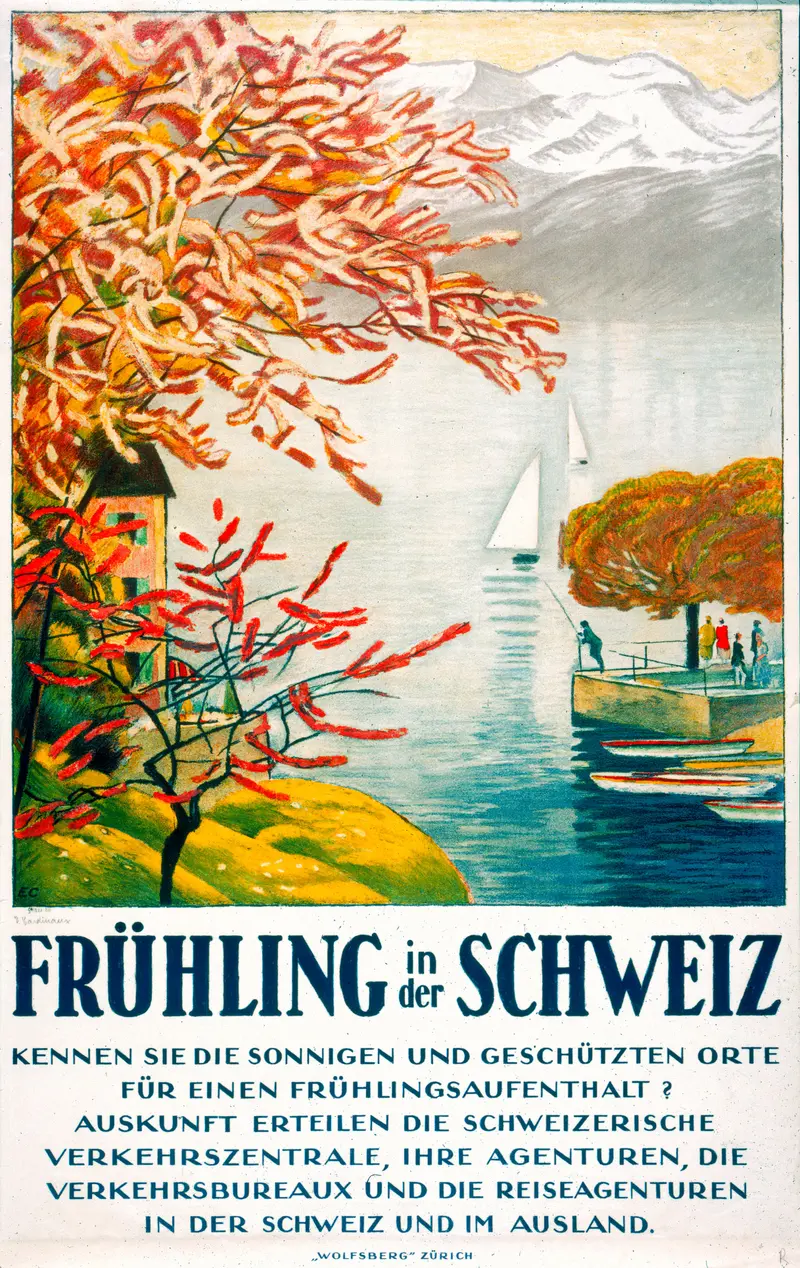
Frühling in der Schweiz
Emil Cardinaux
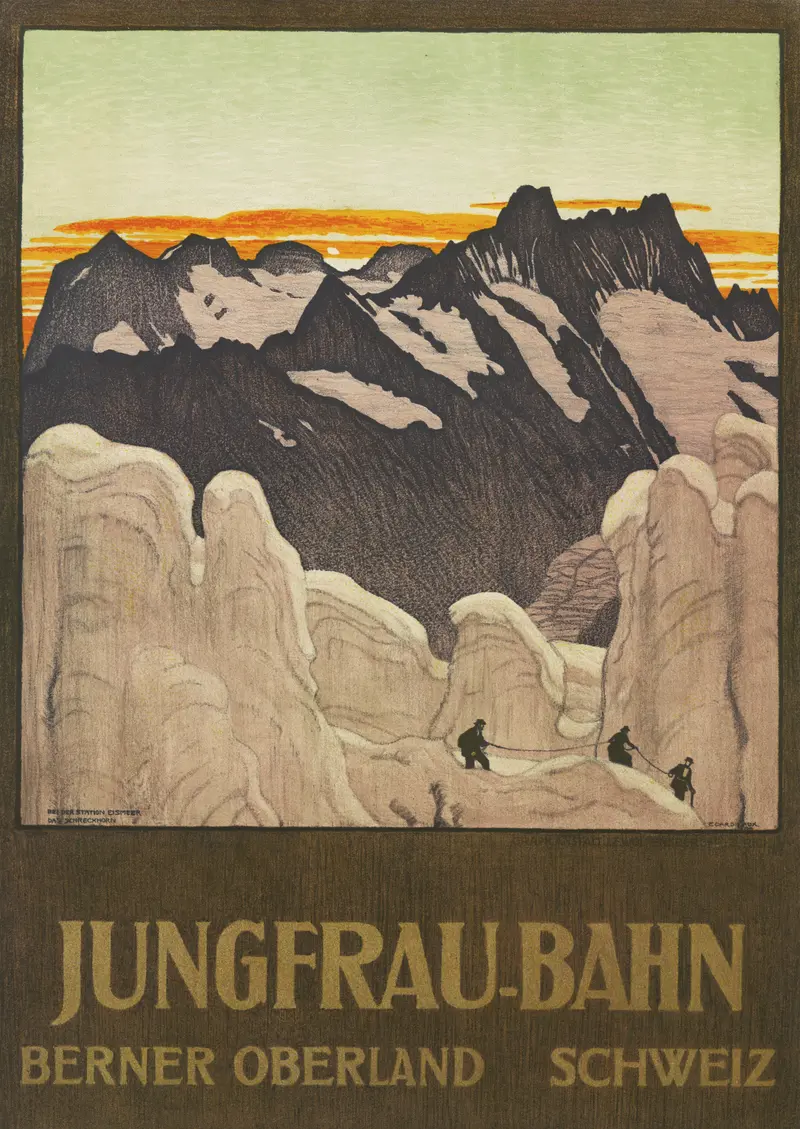
Jungfrau-Bahn, Berner Oberland
Emil Cardinaux
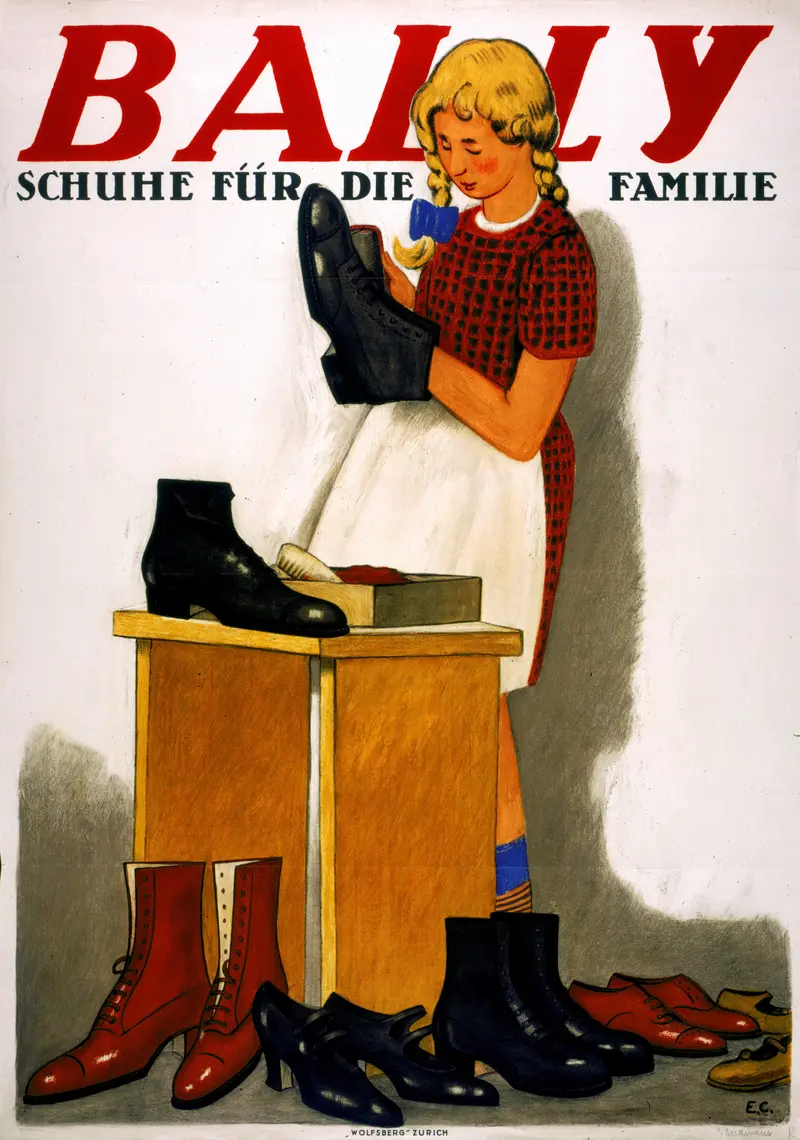
Bally – Schuhe für die Familie
Emil Cardinaux

Winter in Switzerland
Emil Cardinaux
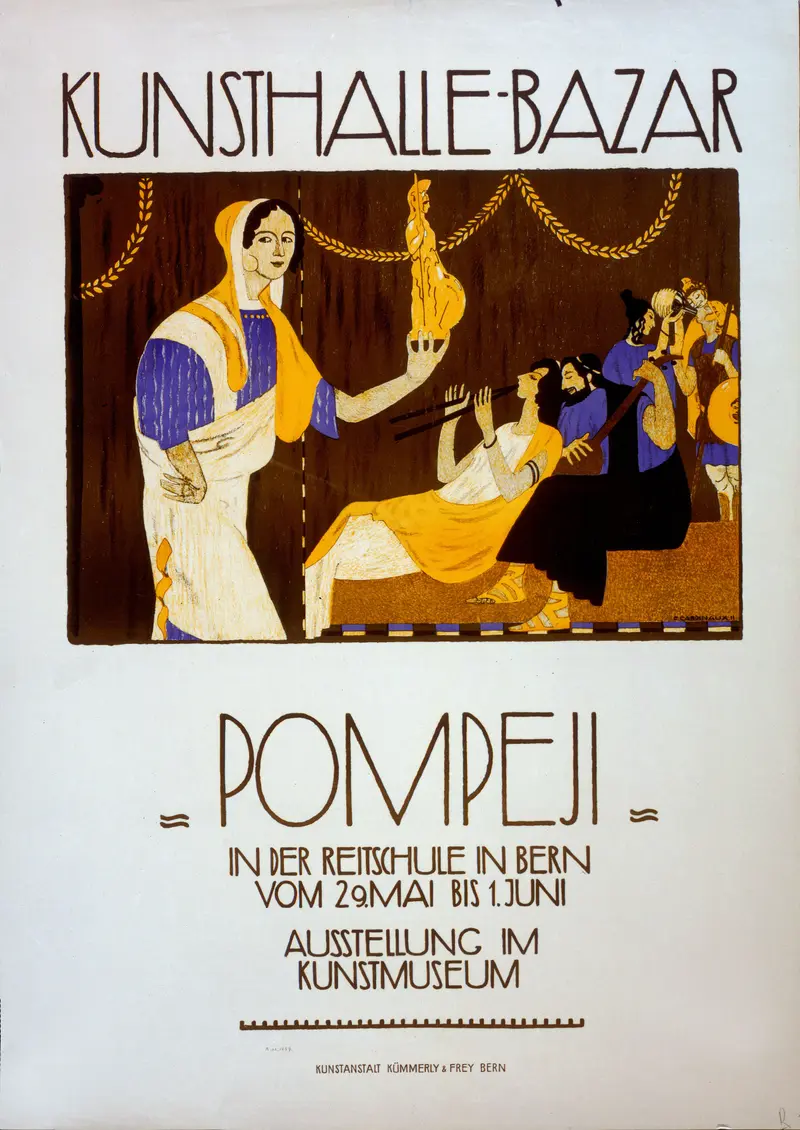
Kunsthalle-Bazar Pompeji, Bern 1911
Emil Cardinaux
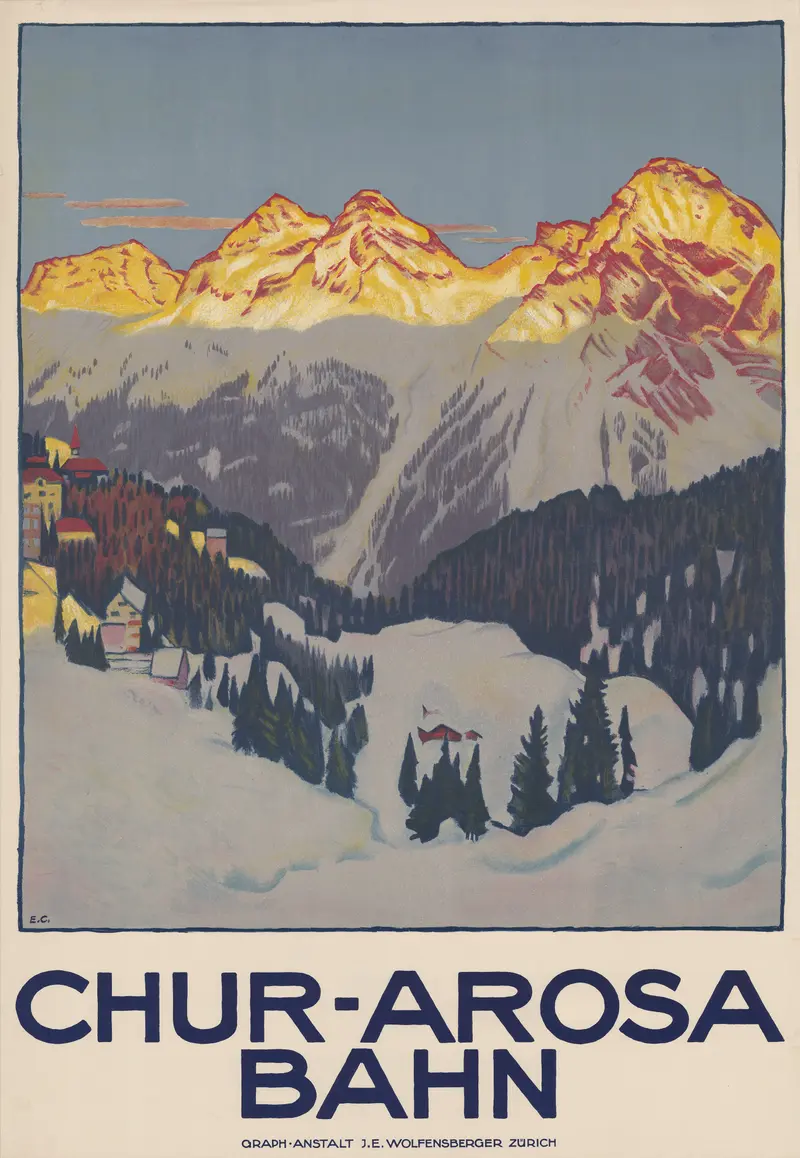
Chur-Arosa-Bahn
Emil Cardinaux
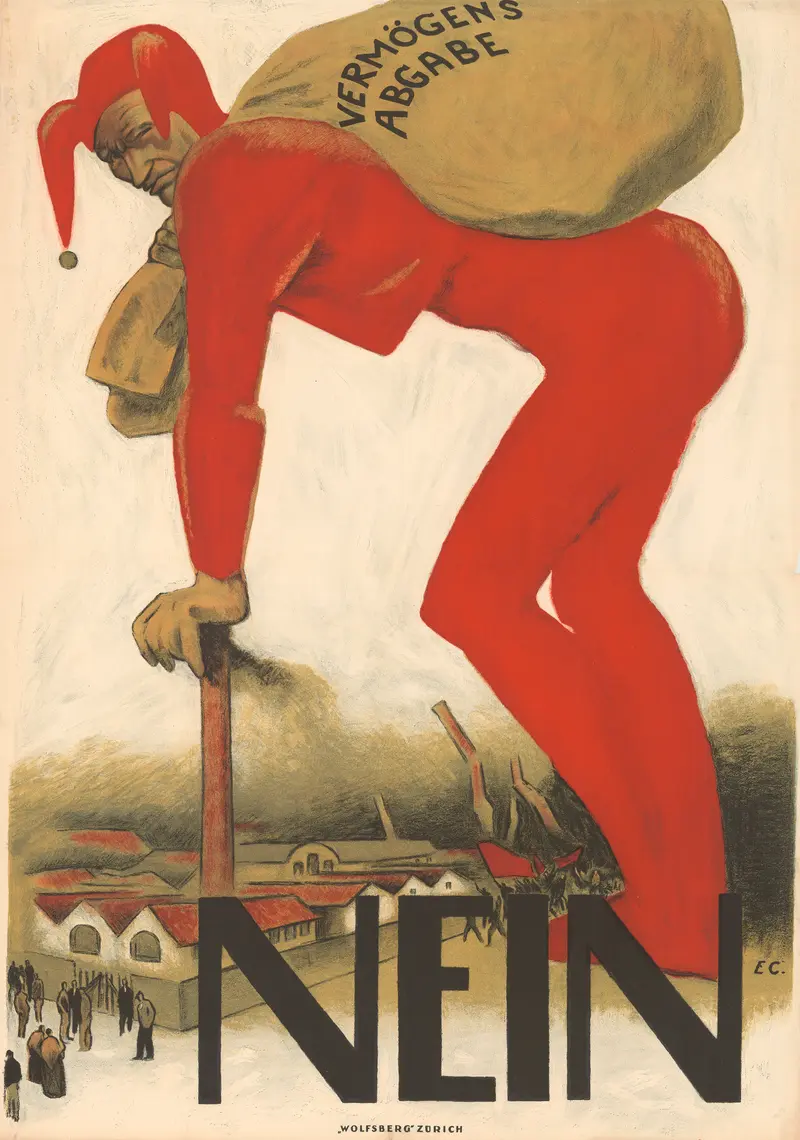
Vermögensabgabe – Nein
Emil Cardinaux
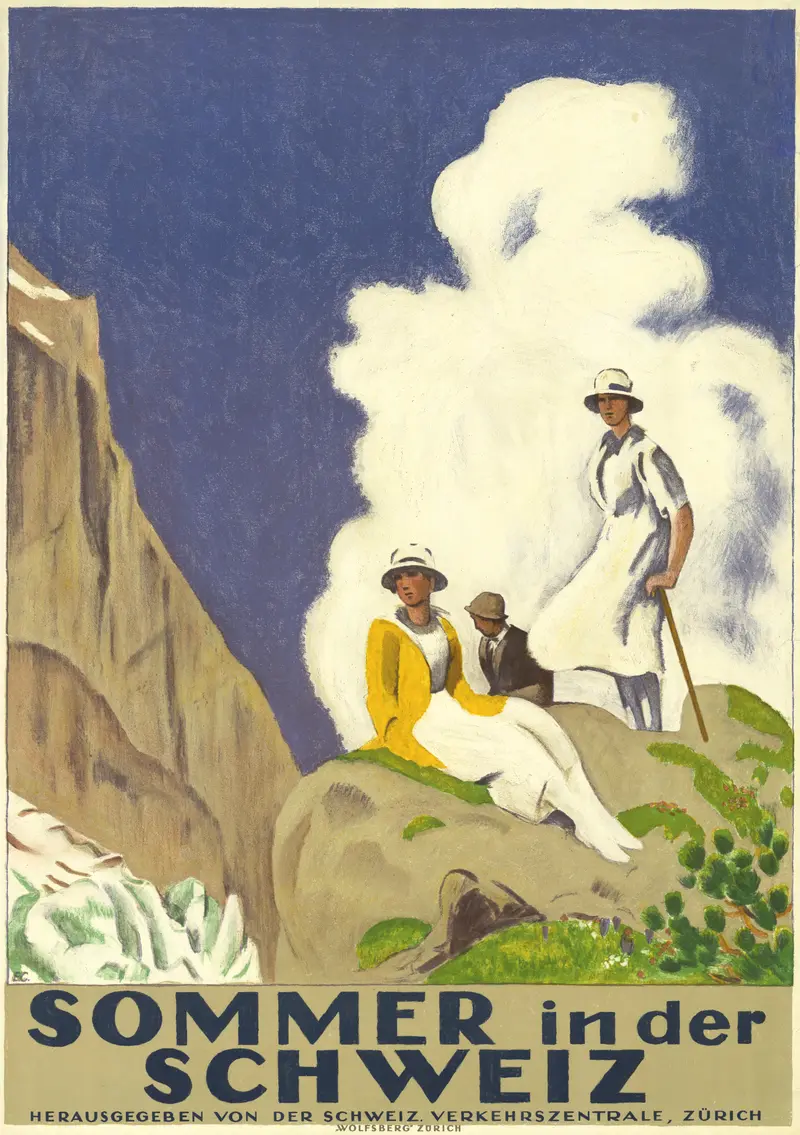
Sommer in der Schweiz
Emil Cardinaux