Discover insights about this artwork
Jaguar — History & Facts
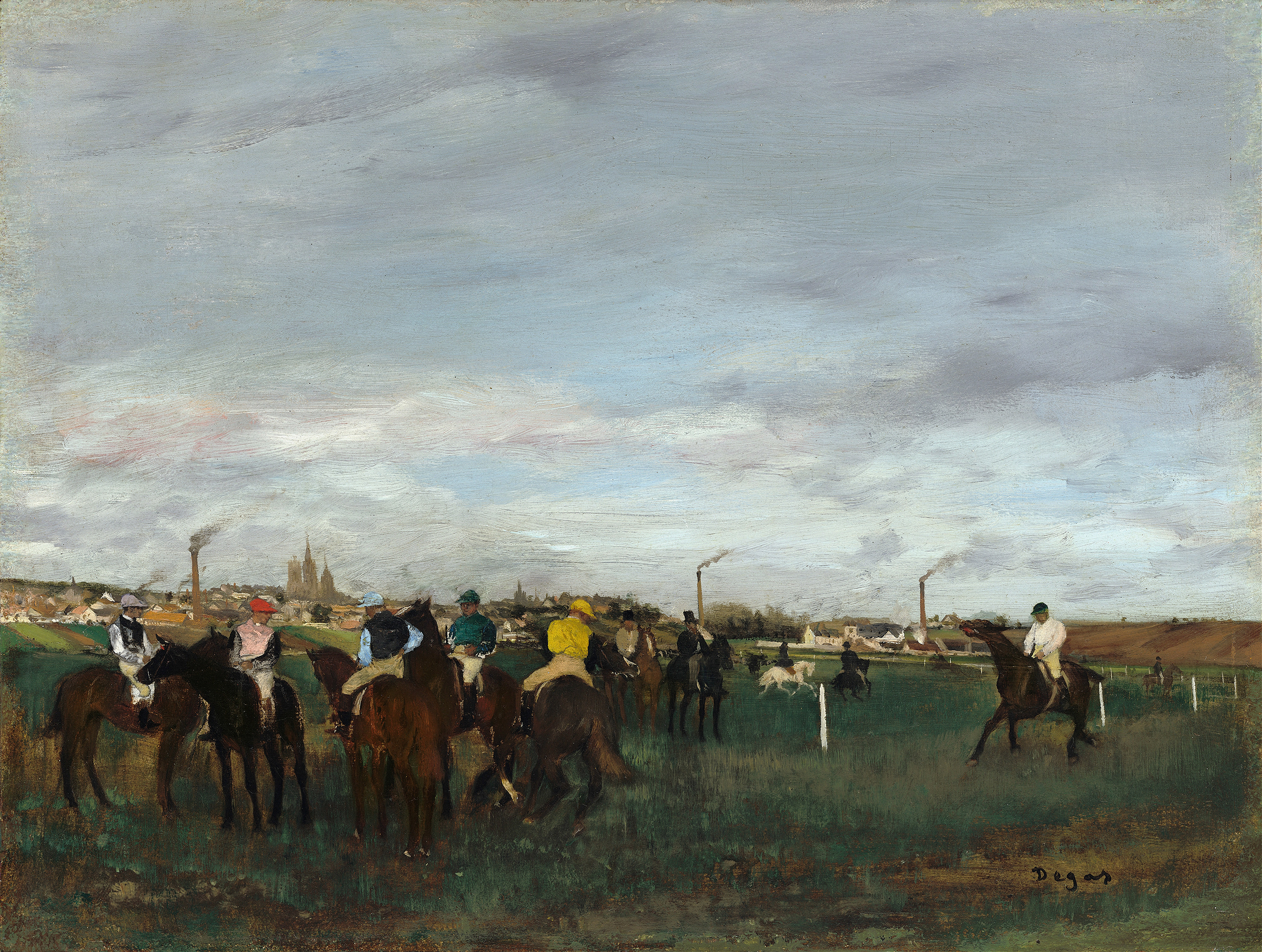
In Jaguar, Paul Cézanne presents a striking image of a jaguar, rendered with bold colors and dynamic brushstrokes. The animal is depicted in a lush, tropical setting, surrounded by vibrant greens and earthy tones. The jaguar's powerful form is emphasized through the use of contrasting colors, creating a sense of depth and movement.
The overall composition draws the viewer's attention to the majesty of this wild creature. Cézanne employs oil on canvas as his medium, allowing for rich textures and vivid colors. The painting showcases his characteristic brushwork, with thick, expressive strokes that add a sense of vitality to the scene. The dimensions are approximately 60 x 80 cm, making it a medium-sized work that invites close inspection.
The choice of colors and forms reflects Cézanne's interest in the interplay between nature and perception. Paul Cézanne, a key figure in Post-Impressionism, often explored themes of nature and form in his works. Jaguar is notable for its vibrant color palette and dynamic composition, which are hallmarks of his style. An interesting fact about this work is that it reflects Cézanne's fascination with the natural world, as he frequently painted animals and landscapes.
This piece exemplifies his innovative approach to capturing the essence of his subjects.
More Artworks by Paul Cézanne
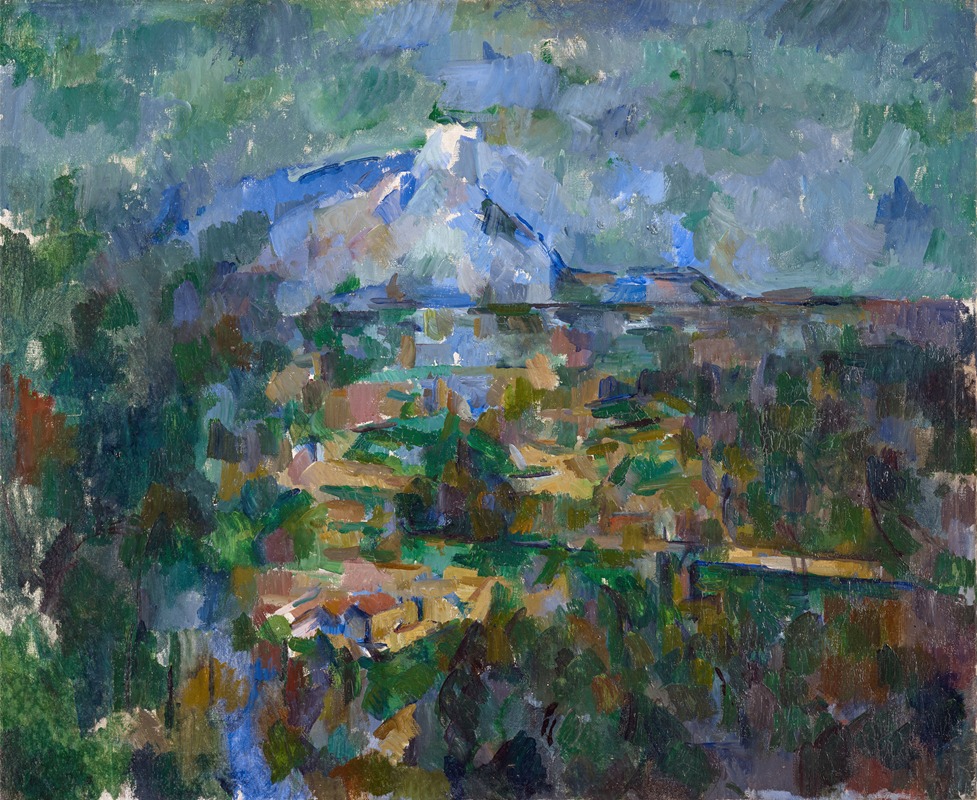
The Mont Sainte-Victoire Seen From Les Lauves
Paul Cézanne
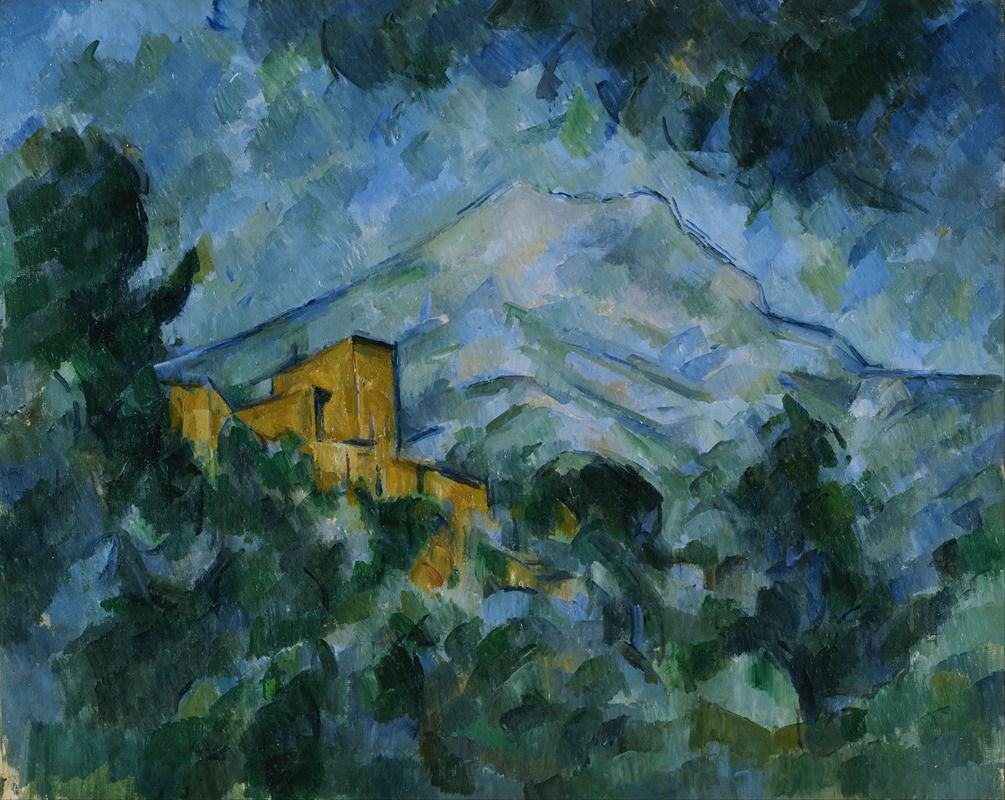
Mont Sainte-Victoire and Château Noir
Paul Cézanne
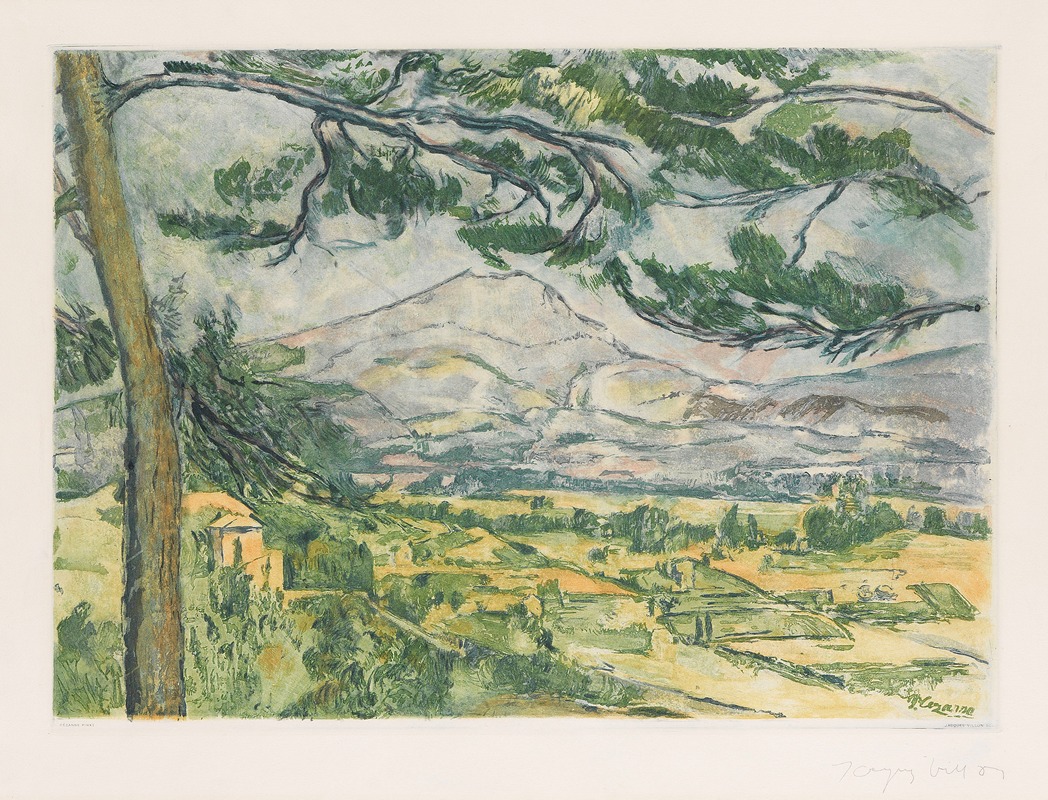
La Montagne Sainte-Victoire
Paul Cézanne
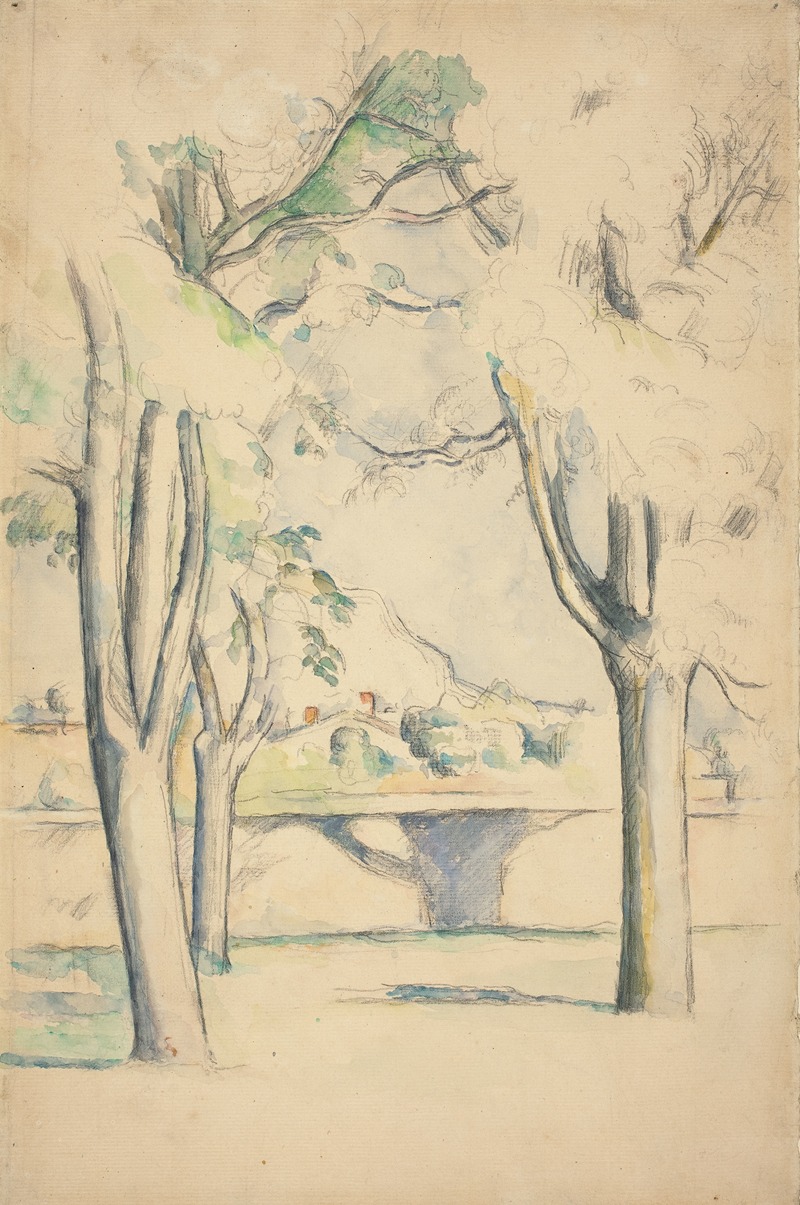
Mont Sainte-Victoire Seen beyond the Wall of the Jas de Bouffan
Paul Cézanne
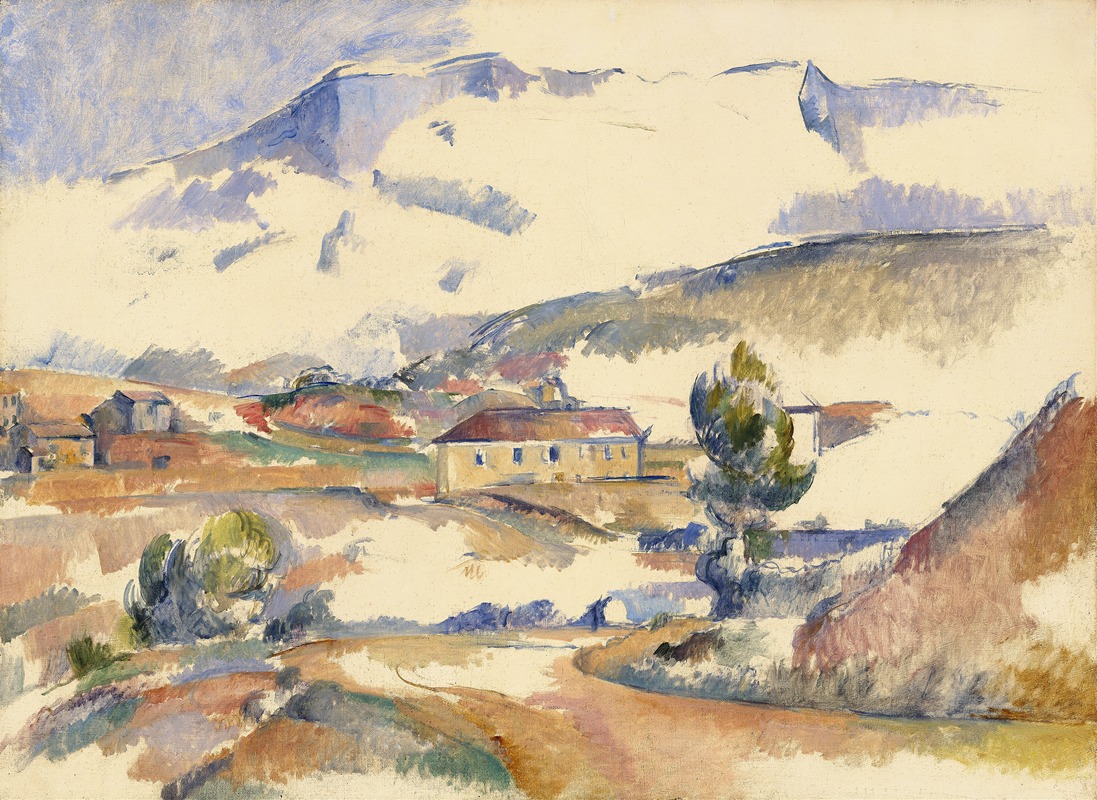
Montagne Sainte-Victoire,from near Gardanne
Paul Cézanne
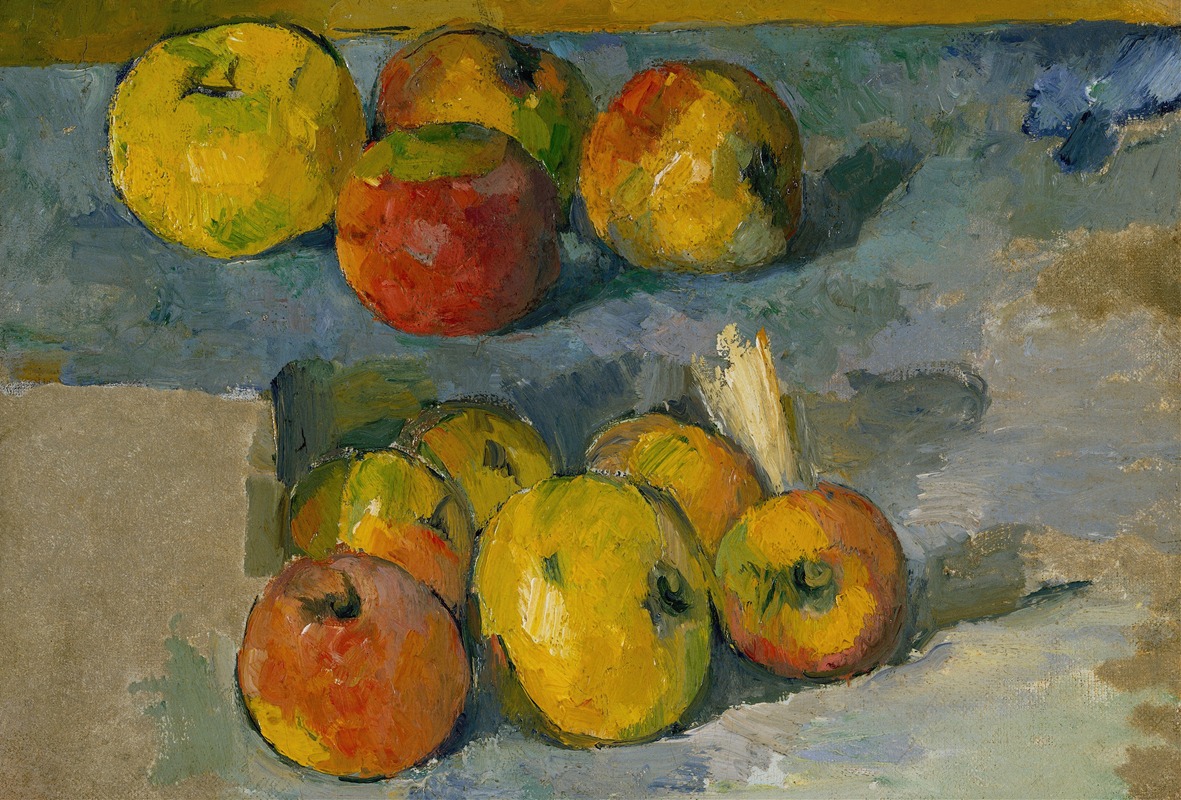
Apples
Paul Cézanne
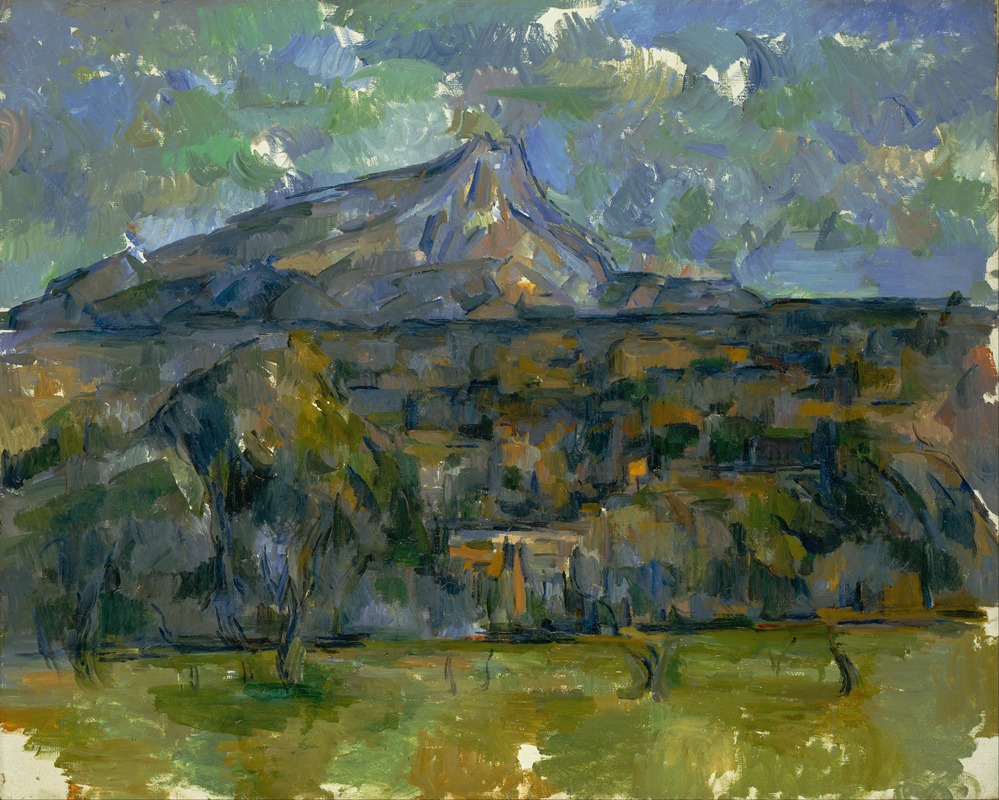
Mont Sainte-Victoire
Paul Cézanne
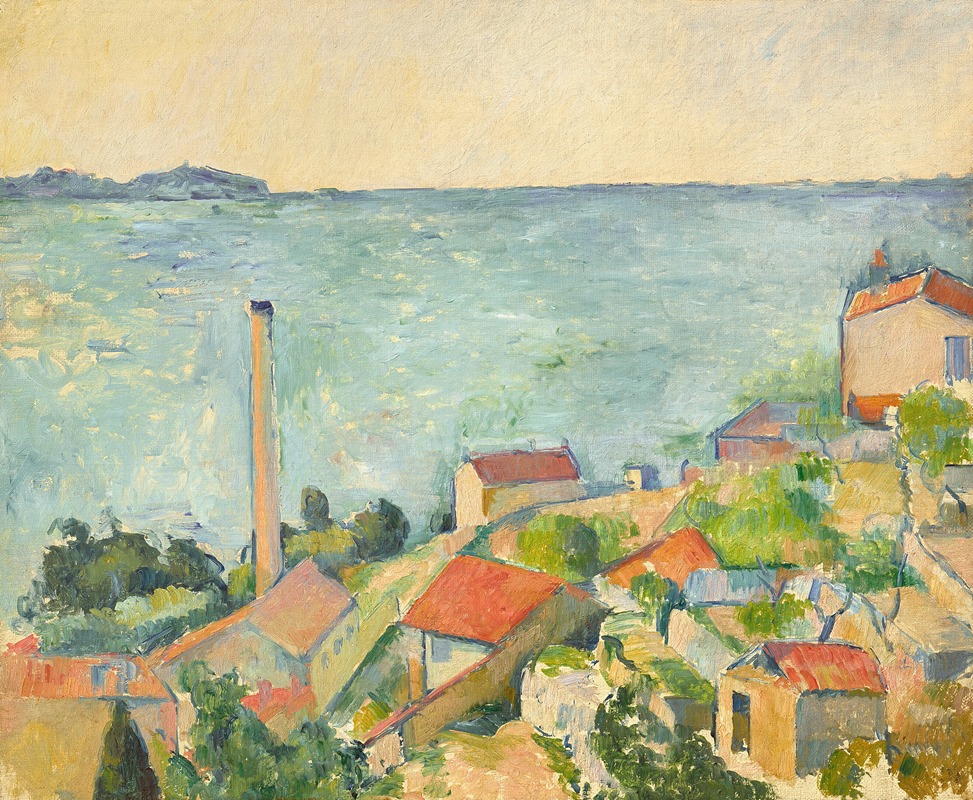
La mer à l’Estaque
Paul Cézanne
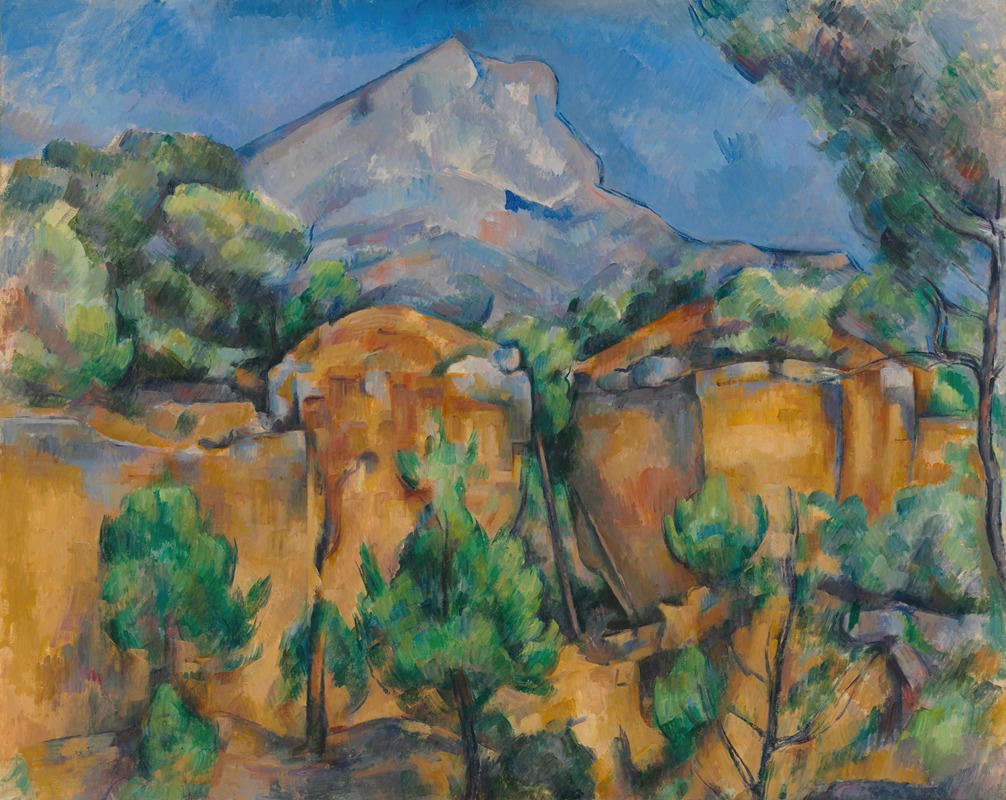
La Montagne Sainte-Victoire vue de la carrière Bibémus
Paul Cézanne
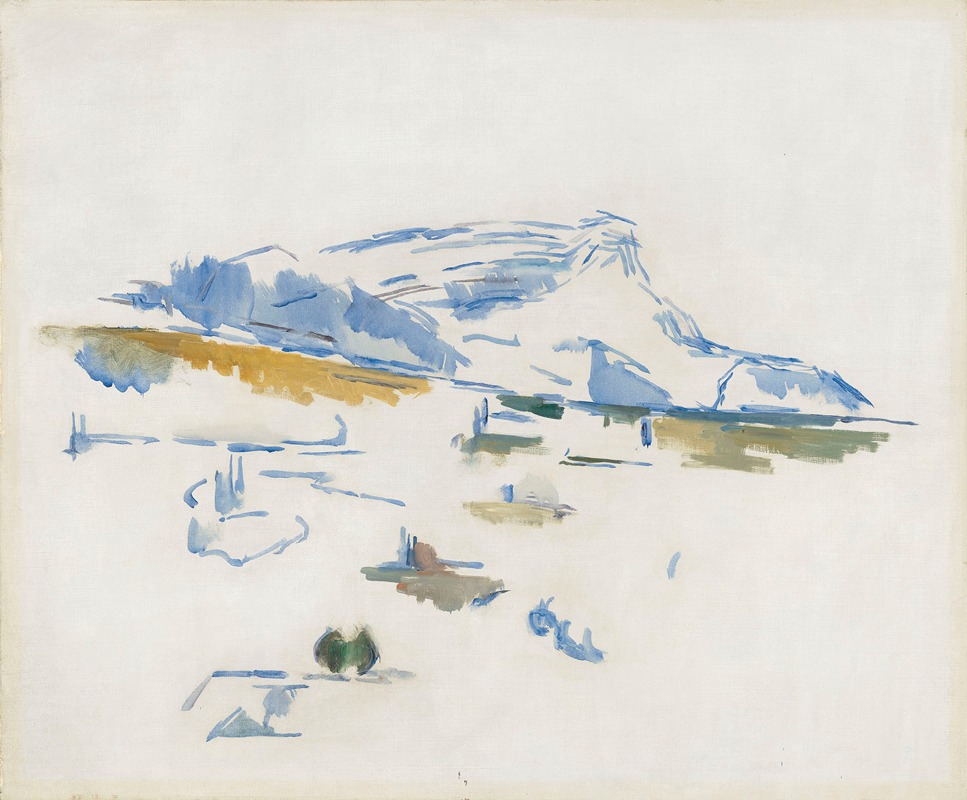
La Montagne Sainte-Victoire vue des Lauves
Paul Cézanne