
Jaipur – nude with a peacock. From the journey to India — History & Facts
Did the painter know this moment would outlive them? The quiet exchange between human and nature encapsulates a destiny wrapped in beauty. Look to the center of the canvas, where the figure of a woman reclines gracefully, her skin an ethereal contrast to the vibrant peacock beside her. The bold hues of turquoise and emerald emanate from the bird, its plumage cascading in a riot of detail, drawing the eye and inviting a closer gaze. Notice how the artist uses soft brush strokes on the figure, suggesting warmth and intimacy, while the peacock’s feathers shimmer in rich, iridescent colors, capturing the light in a way that feels almost alive.
The play of shadows and highlights paints a delicate balance between the two subjects, creating a dialogue between flesh and feather. Delve deeper, and it becomes apparent that the duality in this work speaks to the connection between the earthly and the celestial. The woman's serene pose evokes vulnerability and strength, representing the timelessness of femininity, while the peacock symbolizes grace and transcendence. The juxtaposition of soft skin against the intricate patterns of the feathers highlights the intersection of cultures; it hints at the artist's journey through India, where art and nature intertwine, bending the narrative of destiny.
Each glance at this piece reveals a new layer of meaning, entwining the viewer in an emotional dance. In 1907, Jan Ciągliński, an artist deeply inspired by his travels, painted this piece during his time in India. At this moment, the Western art scene was grappling with new influences from the East, challenging traditional perspectives. Living in Paris, he was a part of a burgeoning movement that sought to blend Eastern motifs with Western techniques, establishing a dialogue that reflected the complexities of identity in a rapidly changing world.
More Artworks by Jan Ciągliński
Browse all →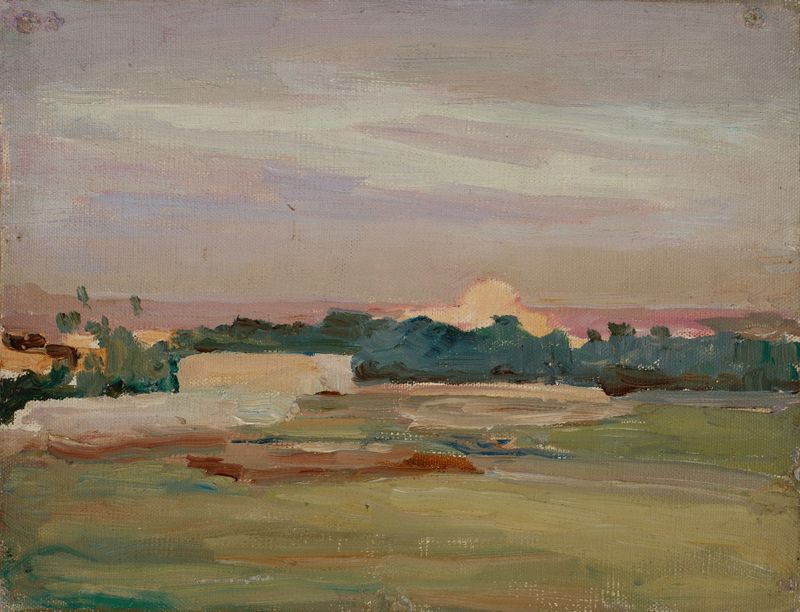
The Sirocco
Jan Ciągliński
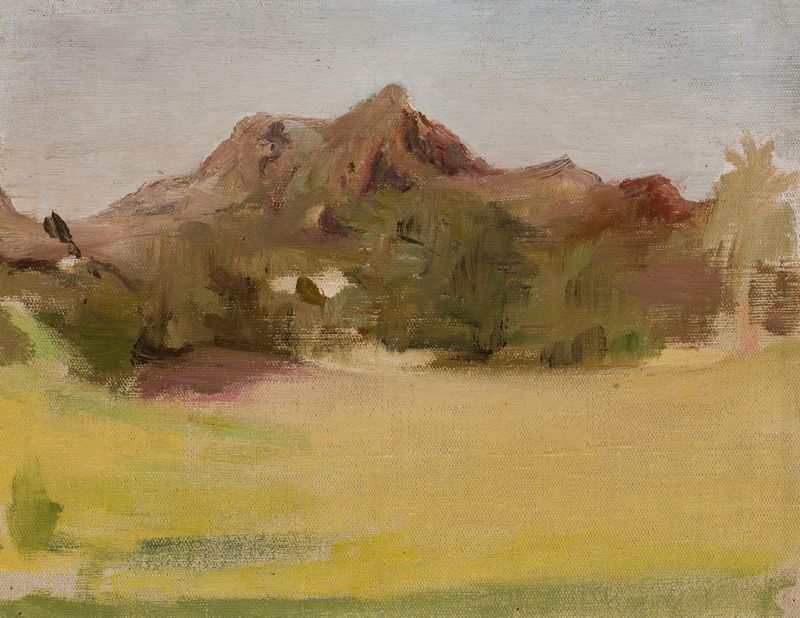
Mountain landscape. From the journey to India
Jan Ciągliński
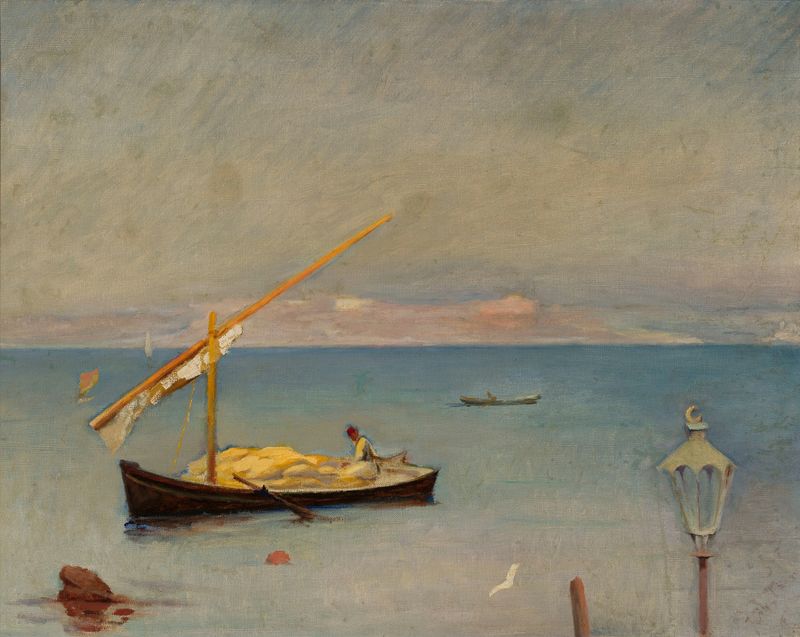
At Bosporus
Jan Ciągliński
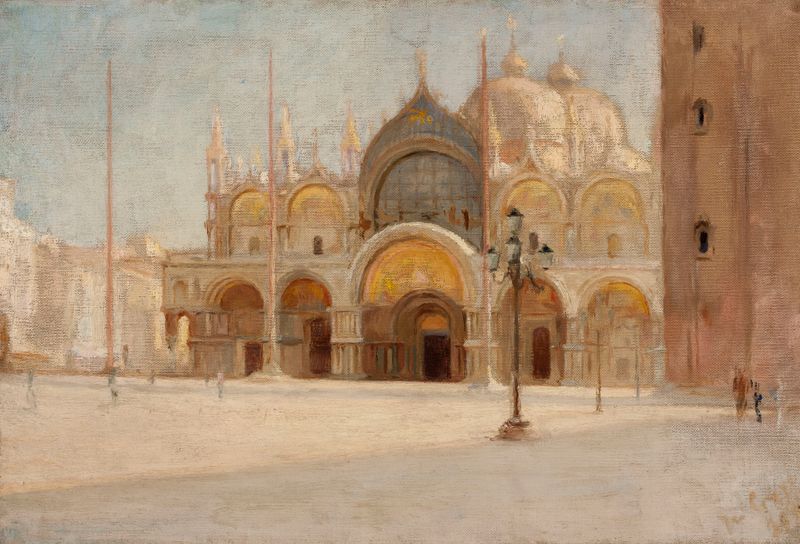
St Mark’s Square in Venice
Jan Ciągliński
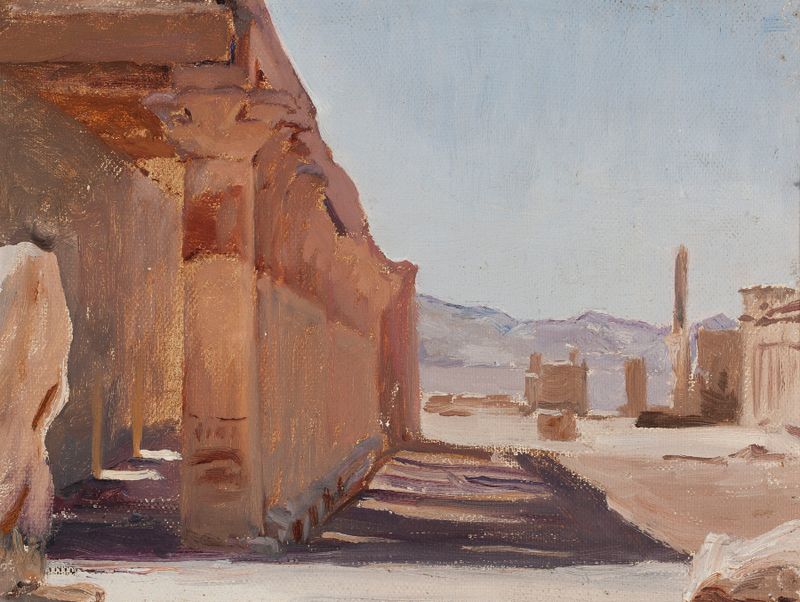
Temple. From the journey to Egypt
Jan Ciągliński
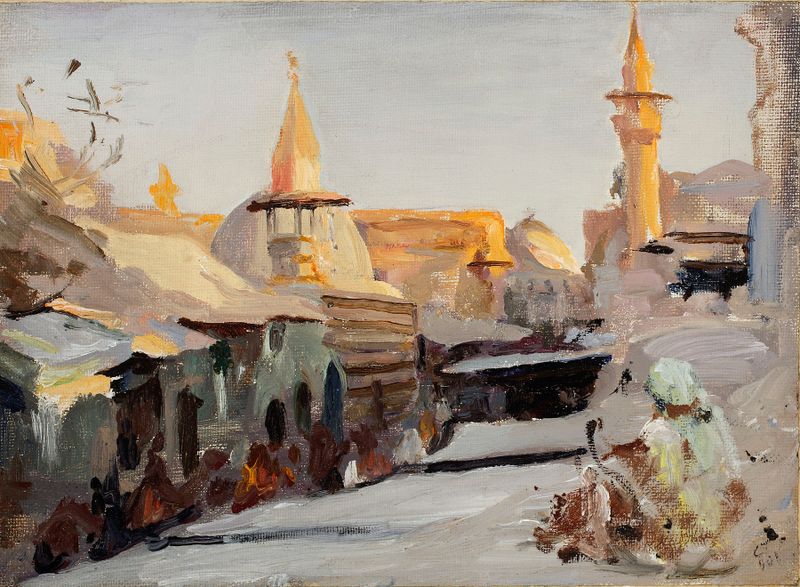
Street in Damascus. From the journey to Palestine
Jan Ciągliński
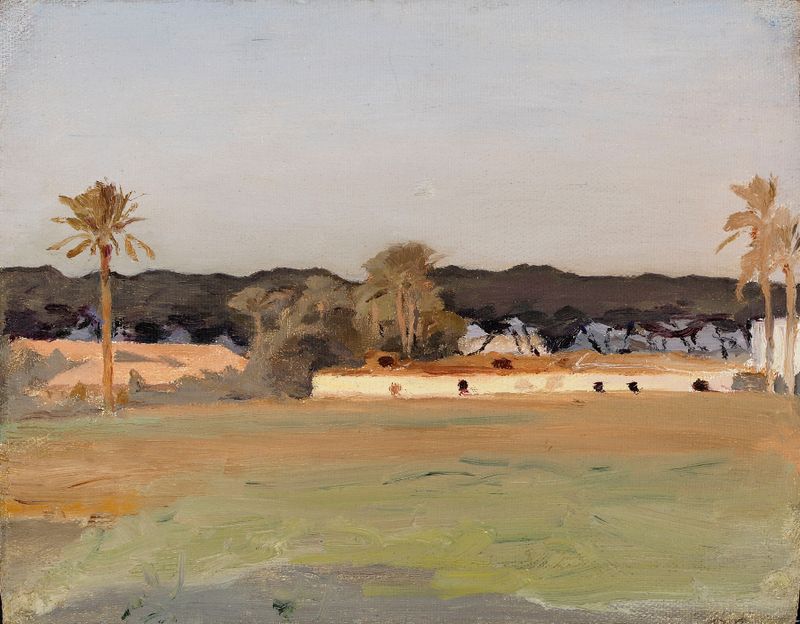
Evening. From the journey to Egypt
Jan Ciągliński
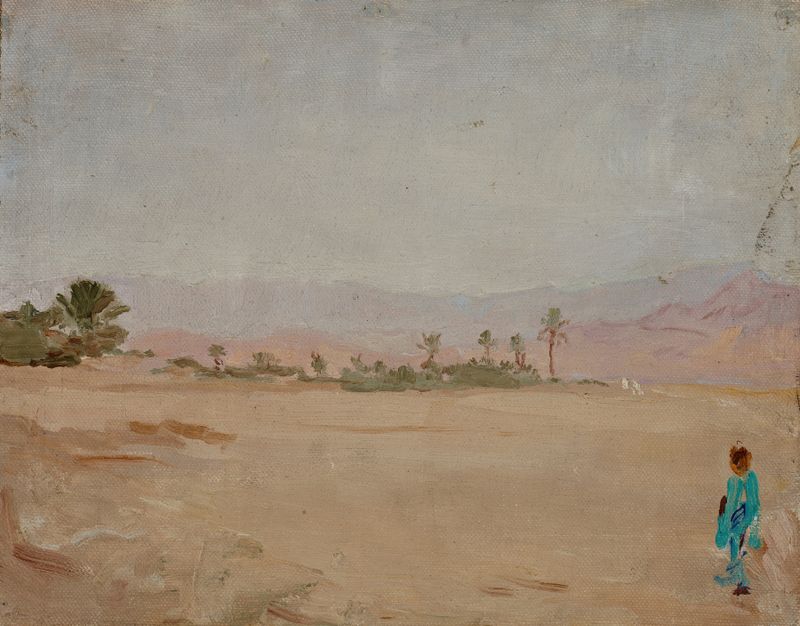
Sahara (Desert)
Jan Ciągliński
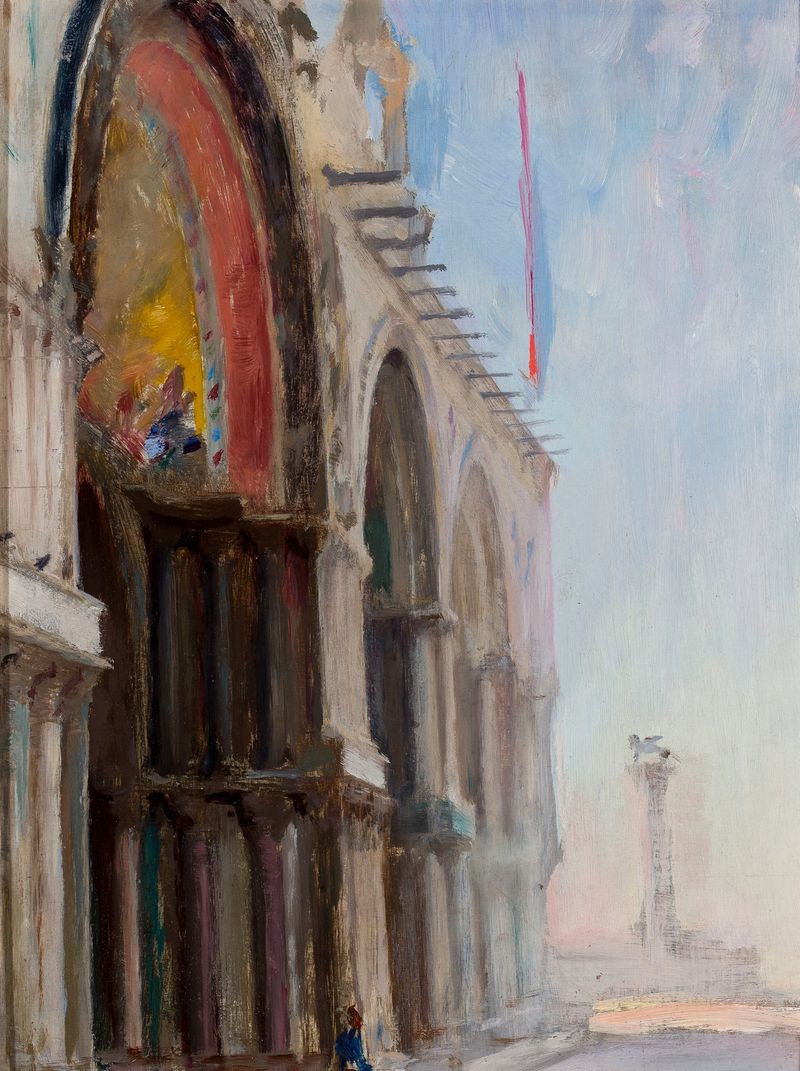
Venice – San Marco. From the journey to Italy
Jan Ciągliński
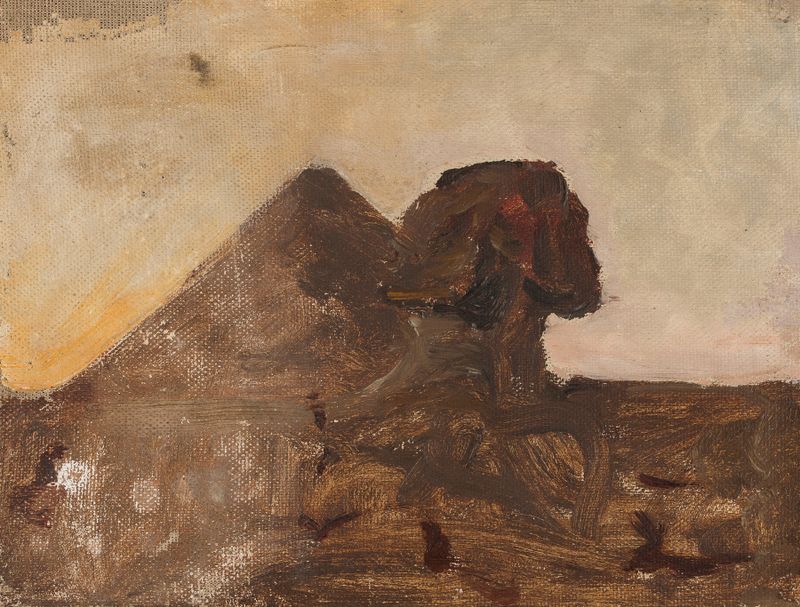
Evening in the desert – Sphinx and pyramid. From the journey to Egypt
Jan Ciągliński





