
Jalta — History & Facts
What secret hides in the quiet of the canvas? The stillness lingers like an unspoken dread, inviting viewers to confront their own emotions lurking beneath the surface. Focus on the foreground where a solitary figure stands, seemingly at the edge of a precipice, gazing into the vast expanse. Notice how the muted tones of blues and grays envelop the landscape, casting a melancholic atmosphere that contrasts sharply with the distant warmth of the sun setting on the horizon. The careful brushwork captures the soft undulations of the terrain, creating depth while evoking a profound sense of isolation.
The figure's posture, slightly hunched as if bracing against an invisible force, suggests a weight of unspoken fears that permeates the scene. Hidden within the tranquil beauty lies an unsettling tension. The expansive sky, while breathtaking, also hints at the unknown—a vastness that can inspire both awe and trepidation. The interplay between light and shadow evokes the duality of hope and despair; the figure's reflective moment is both contemplative and foreboding.
Each element, from the rocky ledge to the fading light, mirrors an internal struggle between longing and apprehension. During the time this piece was created, Edward Theodore Compton was navigating the changing tides of the art world, where Romanticism and Impressionism intertwined. Working in the late 19th century, he often drew inspiration from the dramatic landscapes of Europe, seeking to capture the sublime essence of nature. The era was marked by an emerging appreciation for emotional depth in art, reflecting the very fears that this work so quietly encapsulates.
More Artworks by Edward Theodore Compton
Browse all →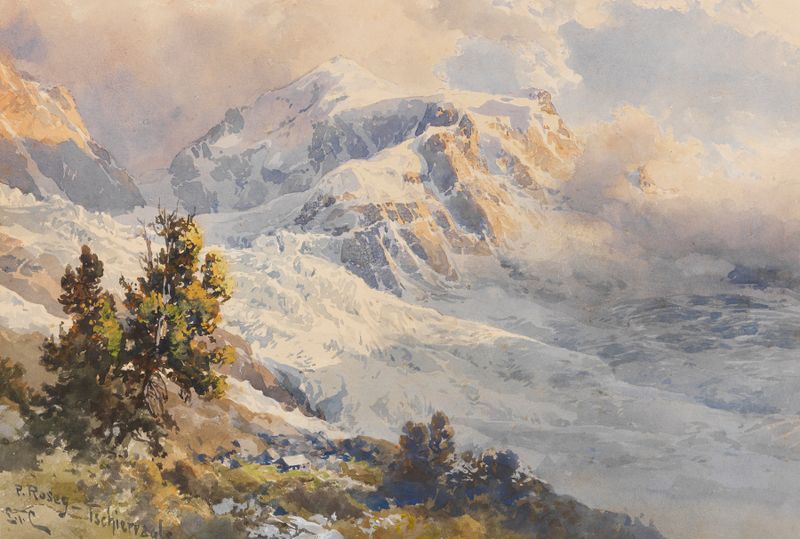
Piz Roseg – Tschiervagletscher
Edward Theodore Compton
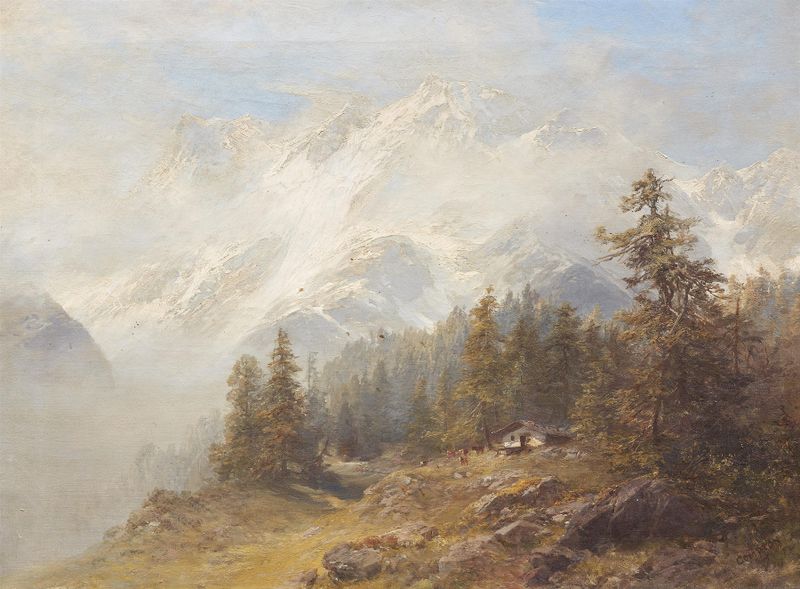
Alpenlandschaft vor schneebedecktem Massiv
Edward Theodore Compton
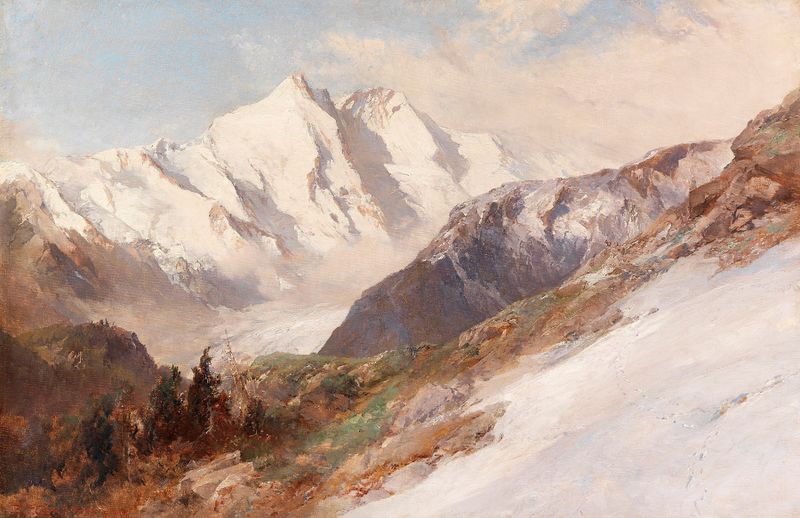
Blick auf die Nordseite des Großglockners
Edward Theodore Compton
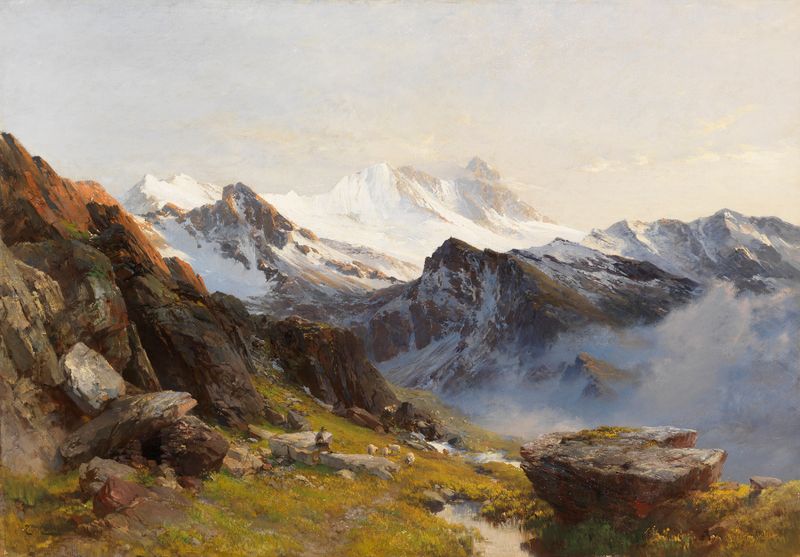
Großglockner von der Prager Hütte aus, früh
Edward Theodore Compton
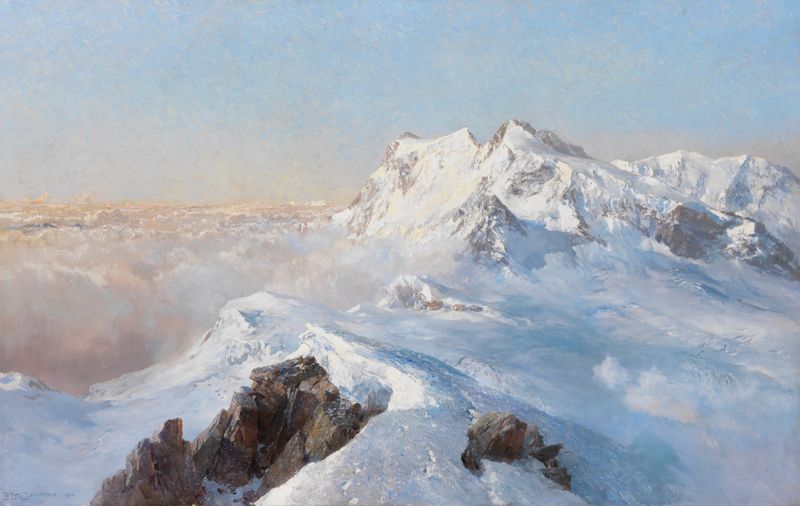
Über dem Nebelmeer (Monte Rosa vom Rimpfischhorn)
Edward Theodore Compton
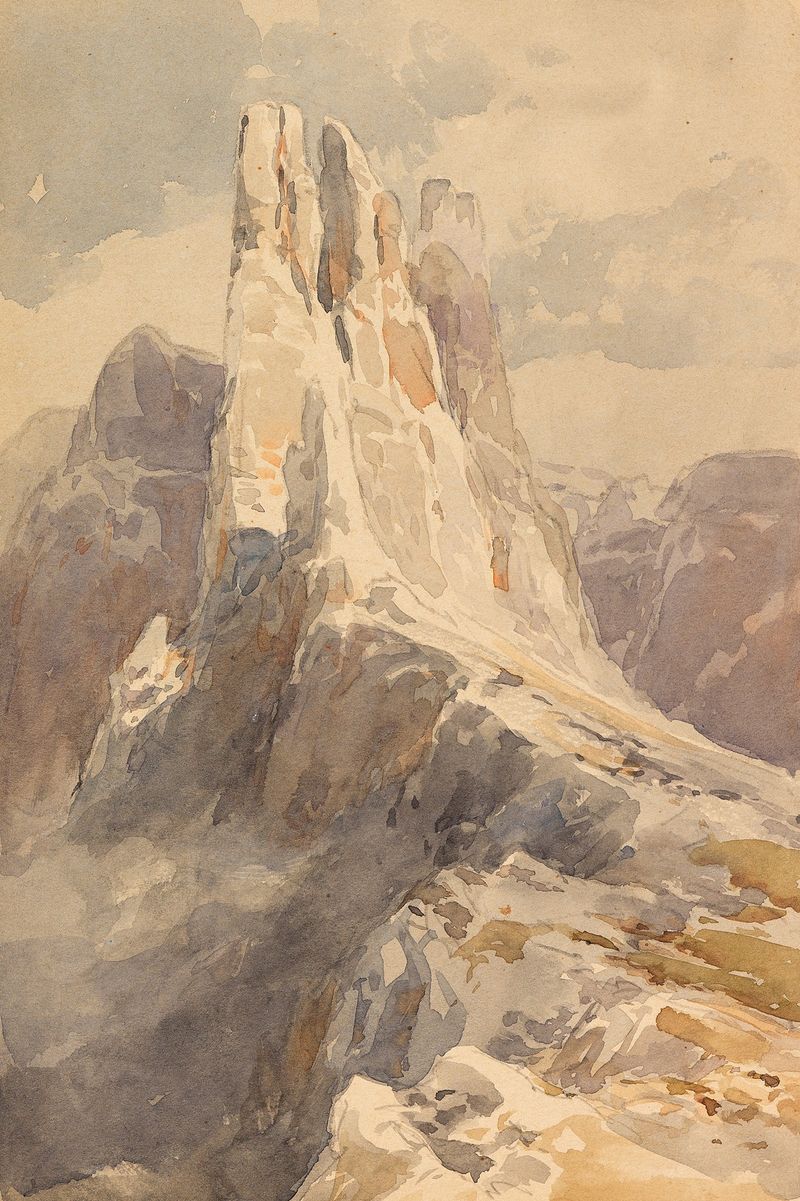
Blick auf die Vajolet-Türme in den Dolomiten
Edward Theodore Compton
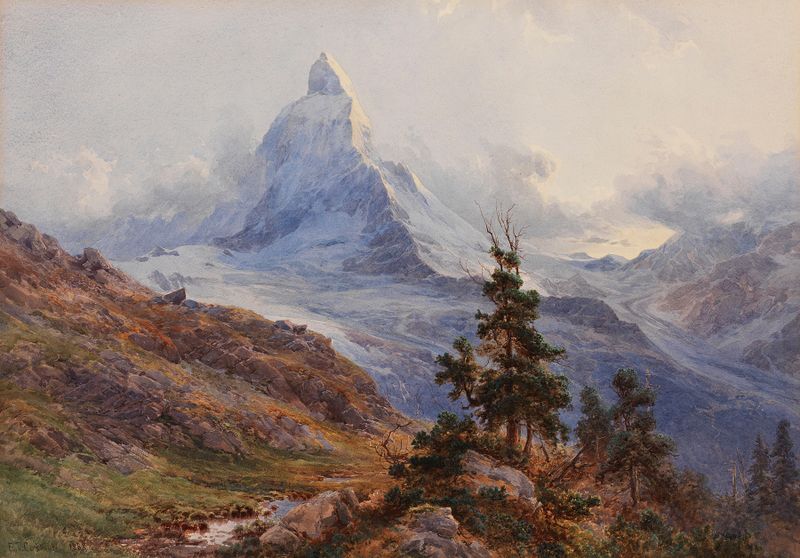
View of the Matterhorn
Edward Theodore Compton
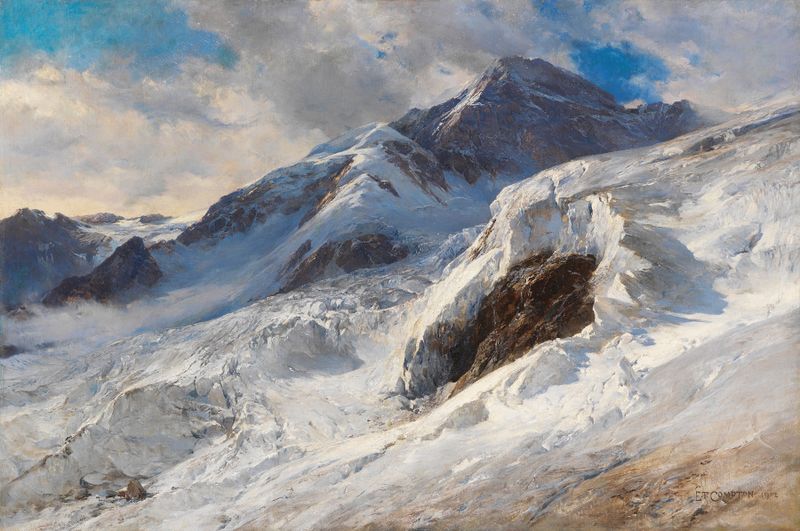
Lyskamm (Monte-Rosa)
Edward Theodore Compton
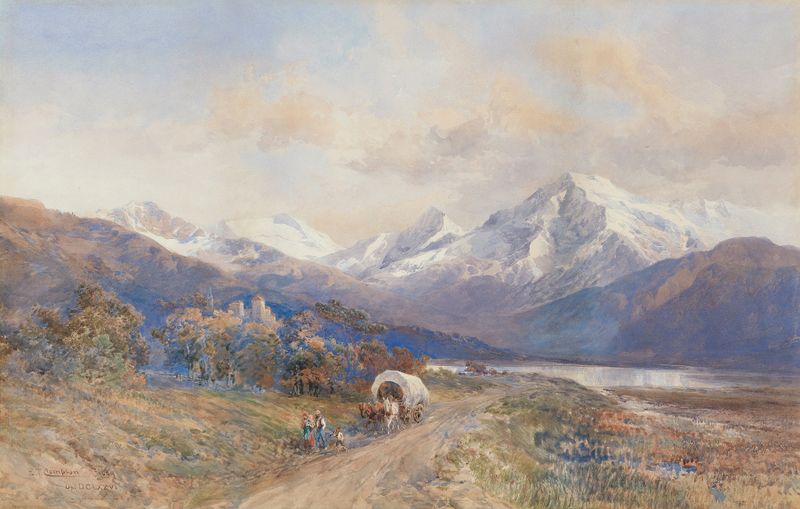
Blick auf den Ortler von St. Valentin
Edward Theodore Compton
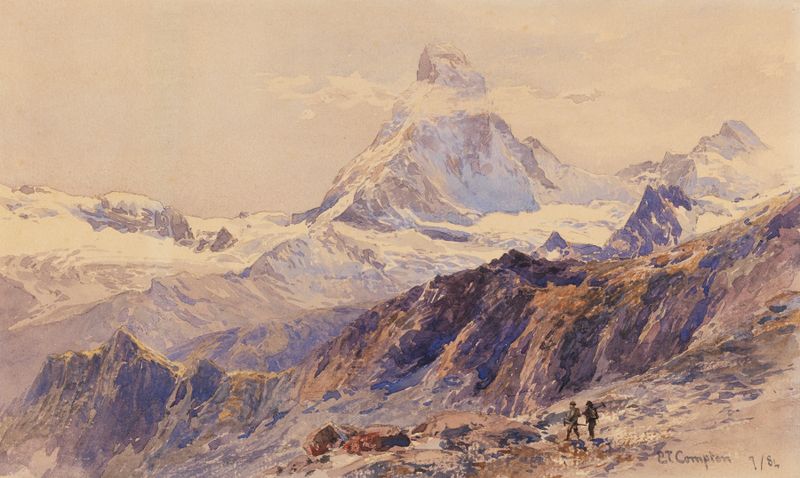
Das Matterhorn von der Triftkumme
Edward Theodore Compton





