Japonstrook van kloskant met dunne bloemguirlande — History & Facts
Did the painter know this moment would outlive them? The delicate interplay of thread and design, transcending time and intention, invites us to ponder the legacy of everyday beauty. Look closely at the intricate lacework that fills the canvas, where the thin flower garland appears to dance in the soft light. Notice how the creamy beige threads contrast with the vibrant floral motifs, their vivid colors echoing a nature both tender and wild. The composition draws your eye into the rhythmic patterns, where each curve and twist seems to whisper secrets of creation, elegantly revealing the artist's meticulous craftsmanship. Hidden within this textile masterpiece lies a dialogue between fragility and permanence.
The lace, a symbol of feminine grace, suggests vulnerability, while the floral garland carries the assertion of life and renewal. Each bloom, meticulously rendered, embodies fleeting beauty, capturing a moment that speaks to the transitory nature of existence. The tension between these elements evokes a deeper understanding of how art can preserve the ephemeral, allowing us to feel the passage of time entwined with the elegance of creation. This piece was crafted around 1820-1830, during a period of great innovation in textile arts.
While the creator remains unknown, the work reflects a burgeoning interest in decorative arts that flourished in Europe. As the Industrial Revolution advanced, it ushered in new techniques and an appreciation for handcrafted beauty, highlighting a moment in history when artistry transformed commonplace items into lasting treasures.
More Artworks by Unknown Artist
Browse all →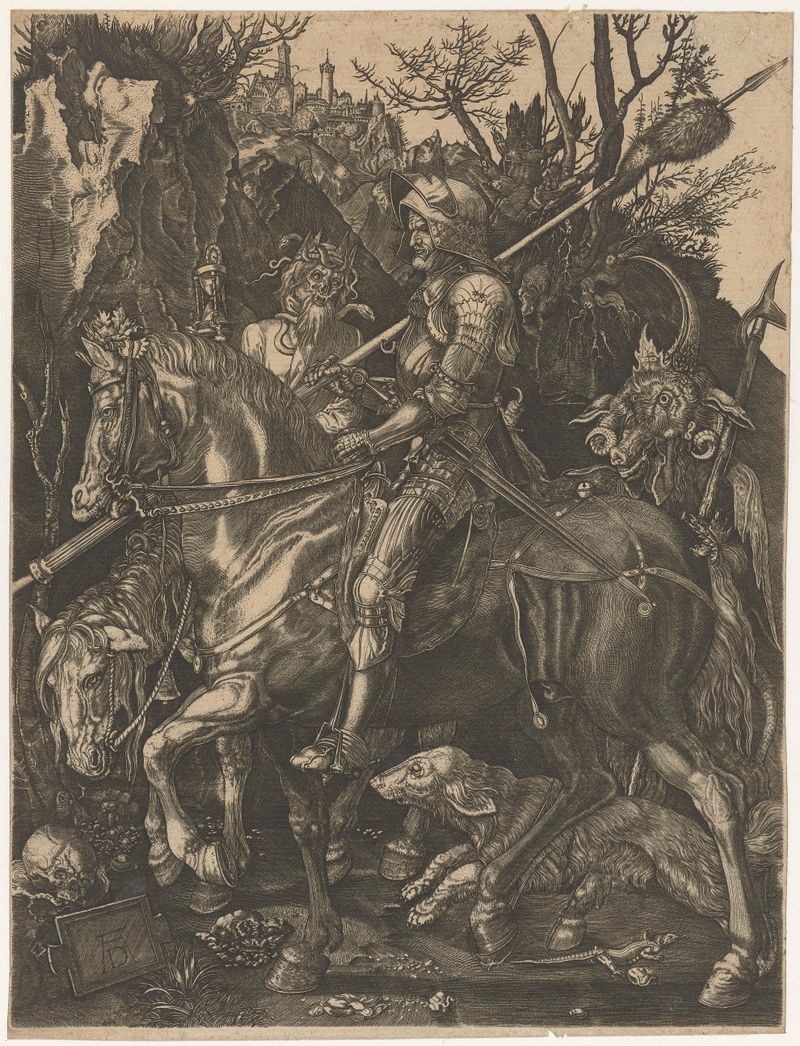
Ridder, Dood en Duivel
Unknown Artist
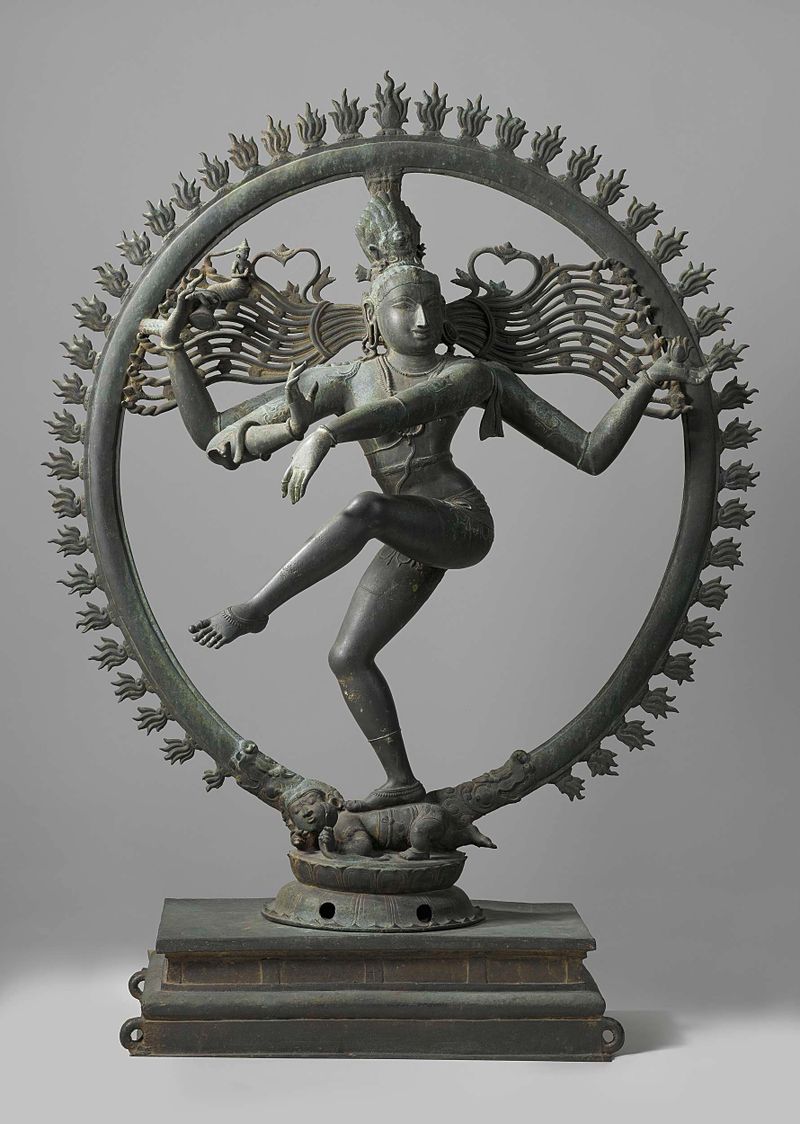
Shiva Nataraja
Unknown Artist
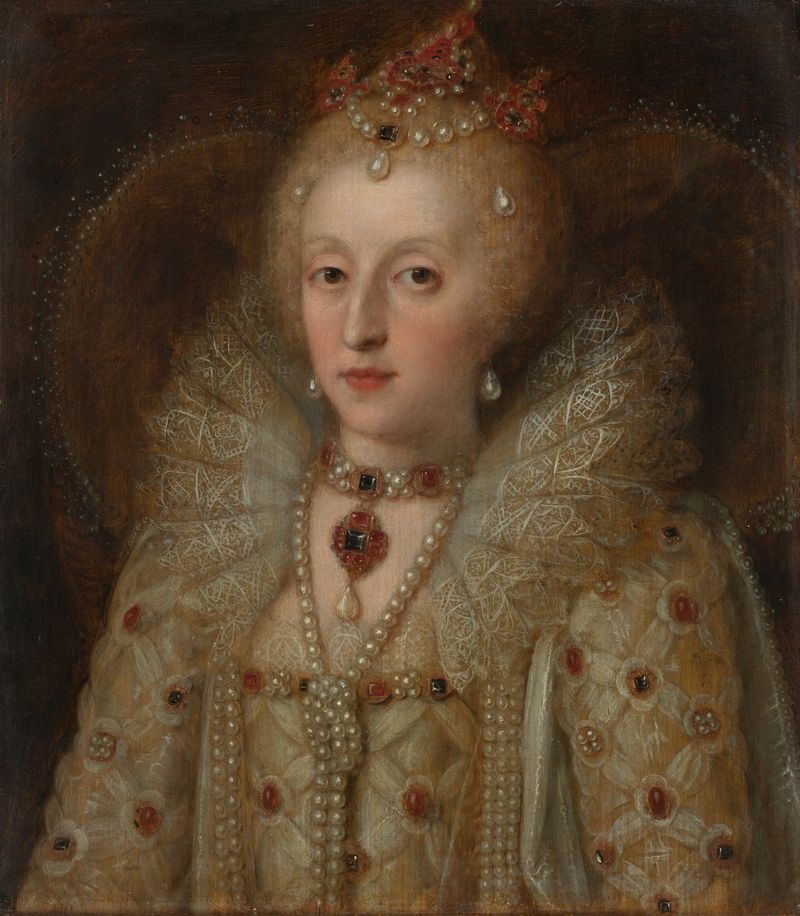
Portrait of Elizabeth I, Queen of England
Unknown Artist
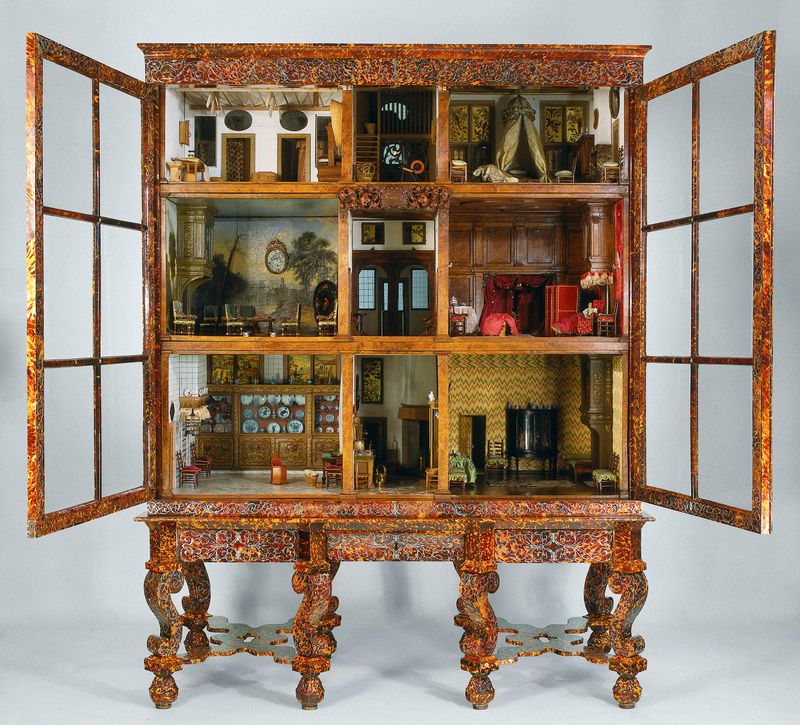
Dolls’ house of Petronella Oortman
Unknown Artist
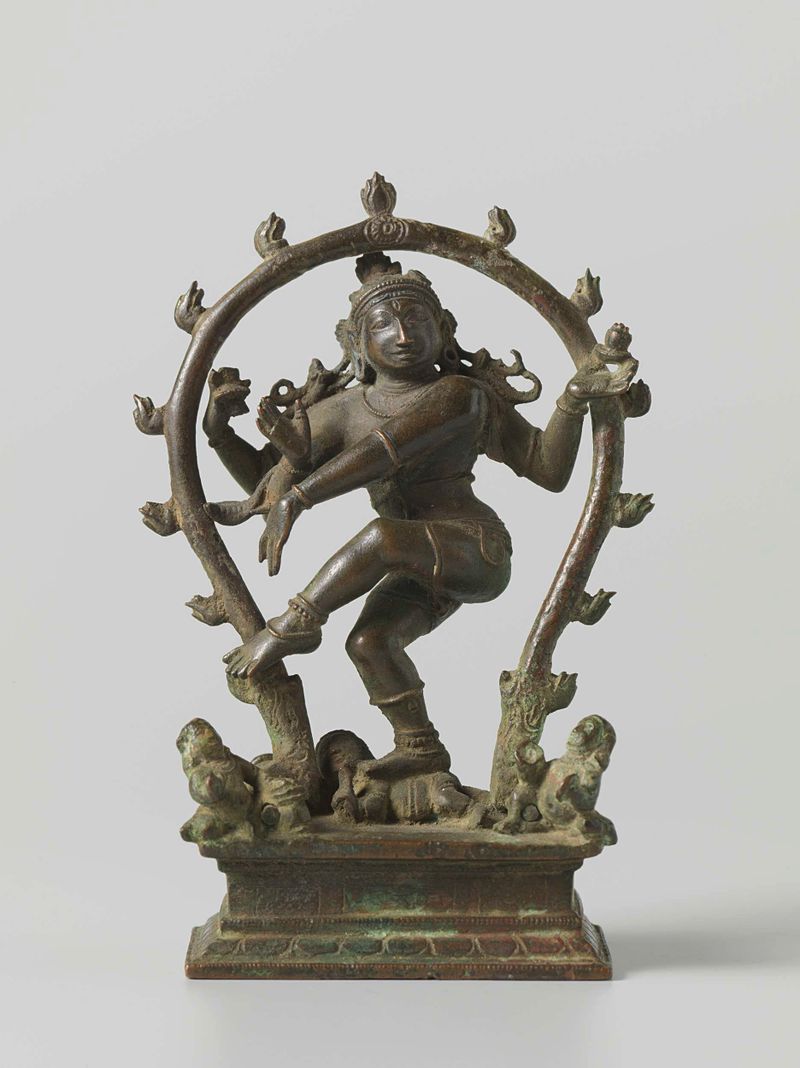
Shiva Nataraja
Unknown Artist

The Tale of Genji
Unknown Artist

The Tale of Genji
Unknown Artist

Cong
Unknown Artist
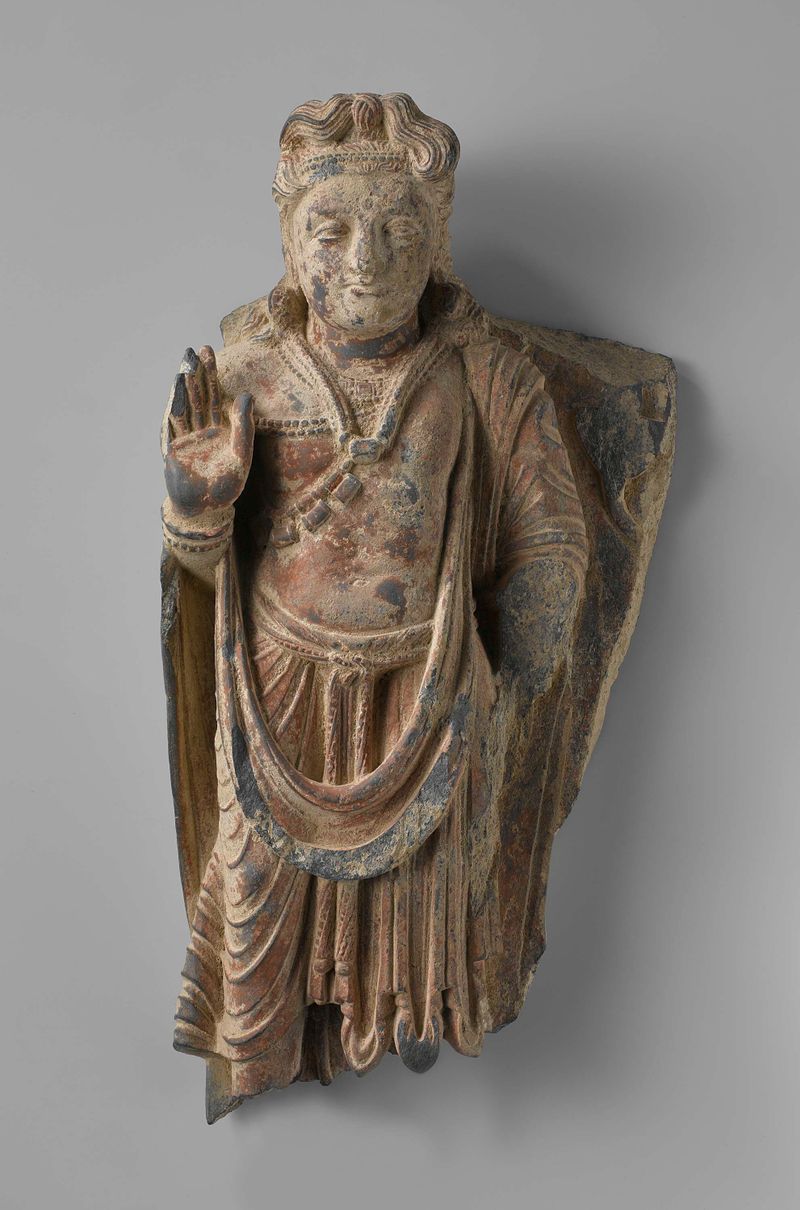
The bodhisattva Maitreya
Unknown Artist

Teabowl with a 'hare's fur' glaze
Unknown Artist