
Japonstrook van kloskant met festoenen en guirlandes — History & Facts
What secret hides in the quiet of the canvas? The delicate intricacies of lace and floral motifs dance elegantly, whispering stories of serenity and grace. Look closely at the textured patterns that adorn the surface. The flowing festoons and intricate guirlandes seem to breathe with a life of their own, as if woven with threads of nostalgia. Notice how the soft, muted colors blend seamlessly, creating a harmonious balance that invites the eye to wander and linger.
The meticulous craftsmanship draws you into a realm where every stitch tells a tale, and the interplay of light and shadow highlights the work's exquisite detail. Beneath the apparent tranquility lies a tension of cultural identity and artistic expression. The lace patterns reflect the intertwining of European techniques with Japanese influences, hinting at the cross-cultural exchanges of the period. Each motif serves as a reminder of the delicate balance between tradition and innovation, while the overarching serenity of the composition invites contemplation of the beauty found in simplicity. This piece emerged during a time of significant change in the art world, when western artists were increasingly fascinated by Eastern aesthetics.
Created between 1820 and 1830, it reflects the burgeoning interest in Japonisme, as artists sought to incorporate exotic elements into their work. The unknown artist, immersed in this cultural dialogue, captured the essence of an era marked by curiosity and the quest for new forms of beauty.
More Artworks by Unknown Artist
Browse all →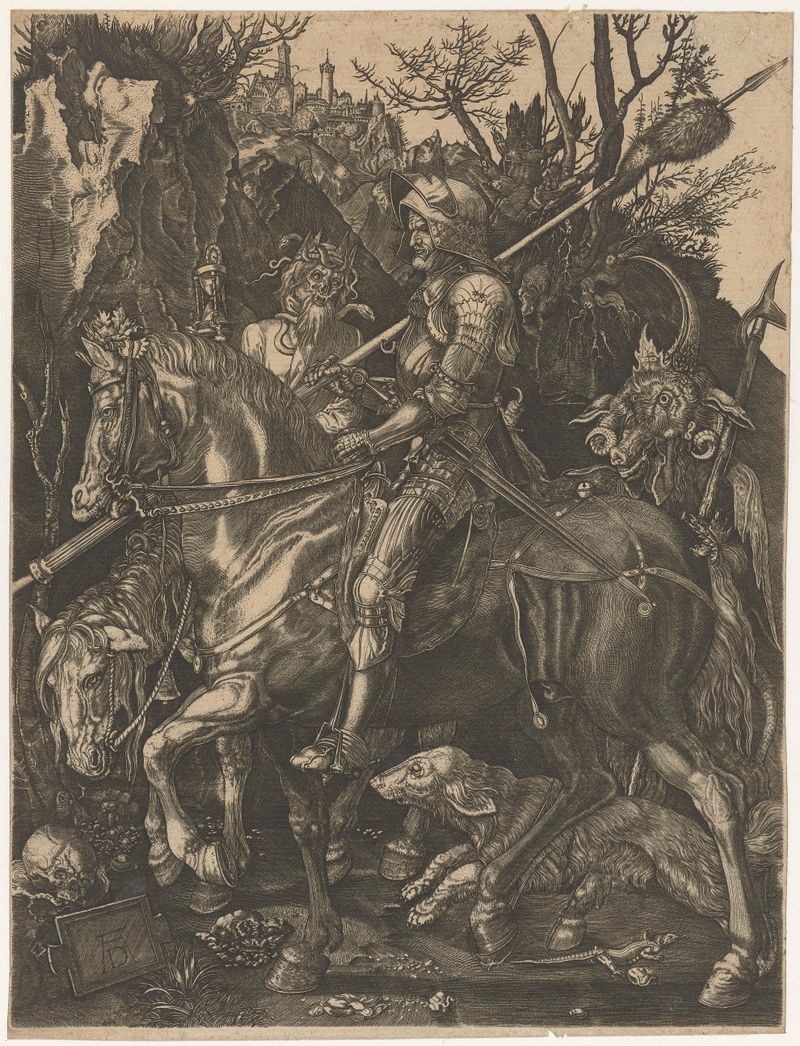
Ridder, Dood en Duivel
Unknown Artist
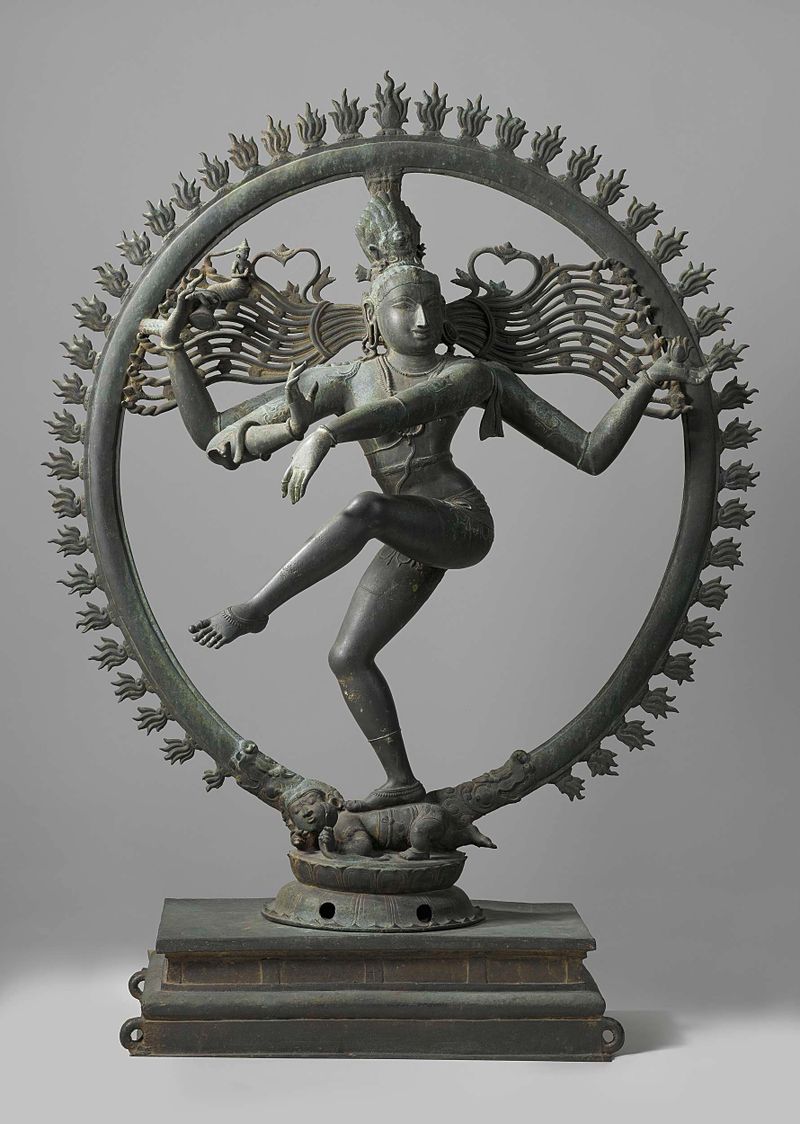
Shiva Nataraja
Unknown Artist
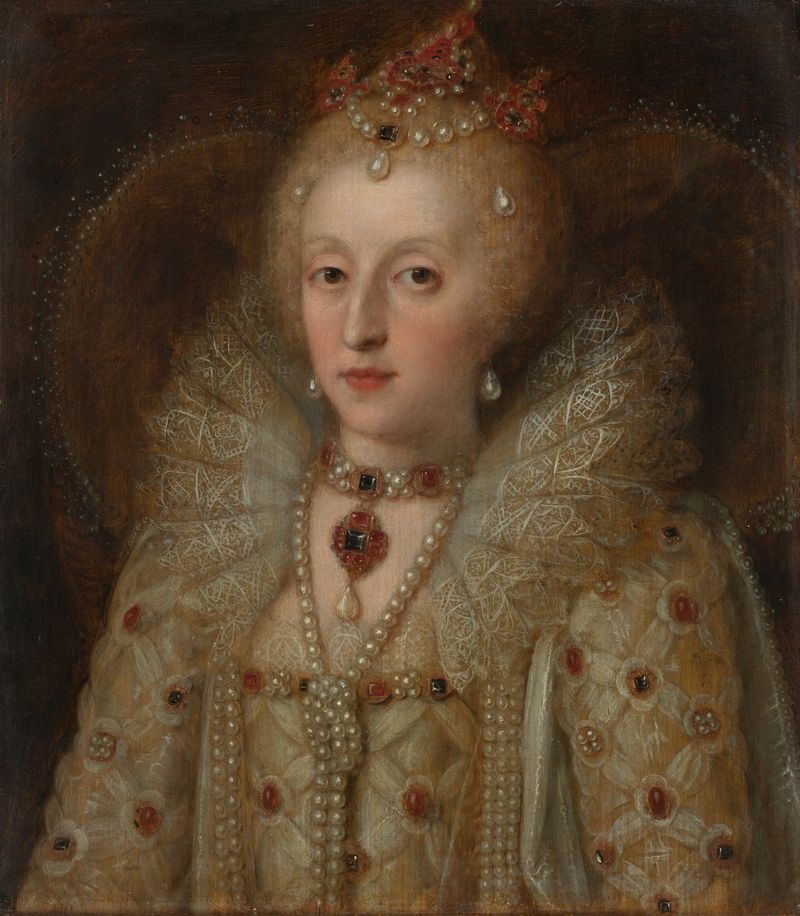
Portrait of Elizabeth I, Queen of England
Unknown Artist
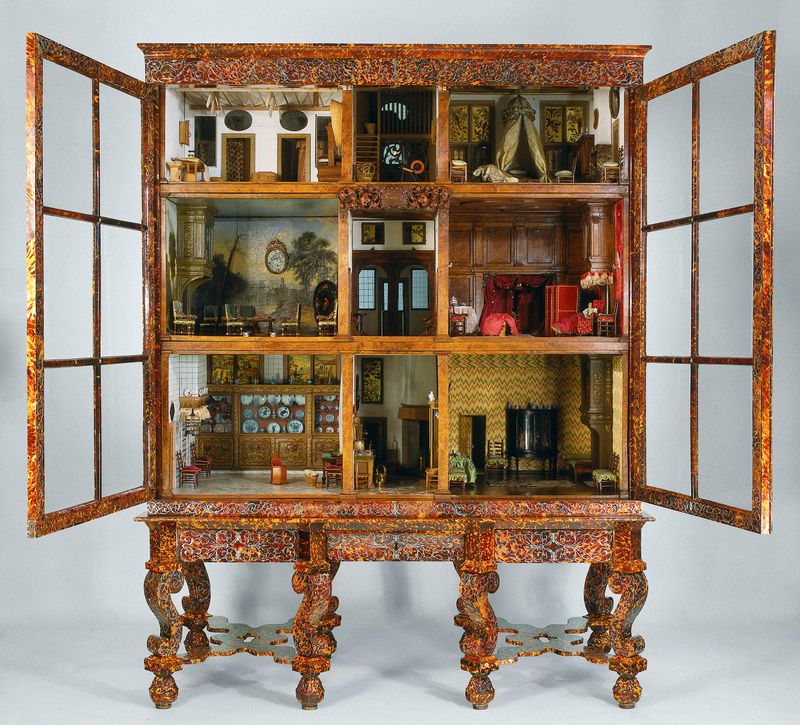
Dolls’ house of Petronella Oortman
Unknown Artist
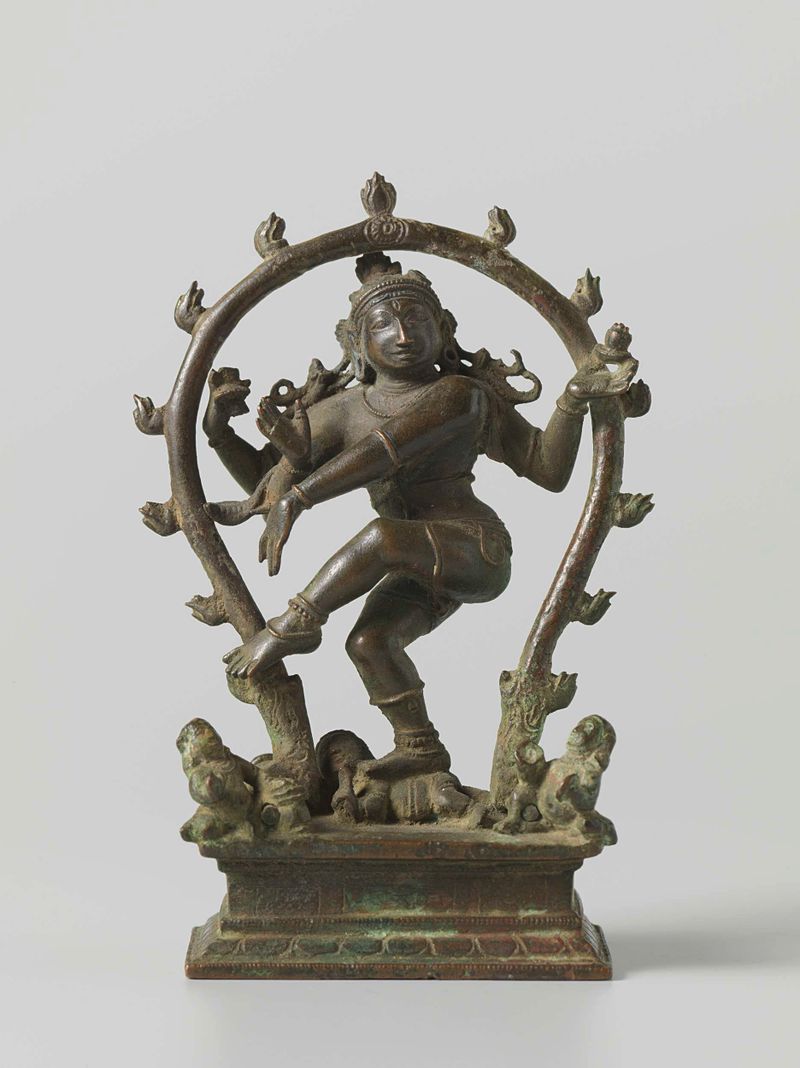
Shiva Nataraja
Unknown Artist

The Tale of Genji
Unknown Artist

The Tale of Genji
Unknown Artist

Cong
Unknown Artist
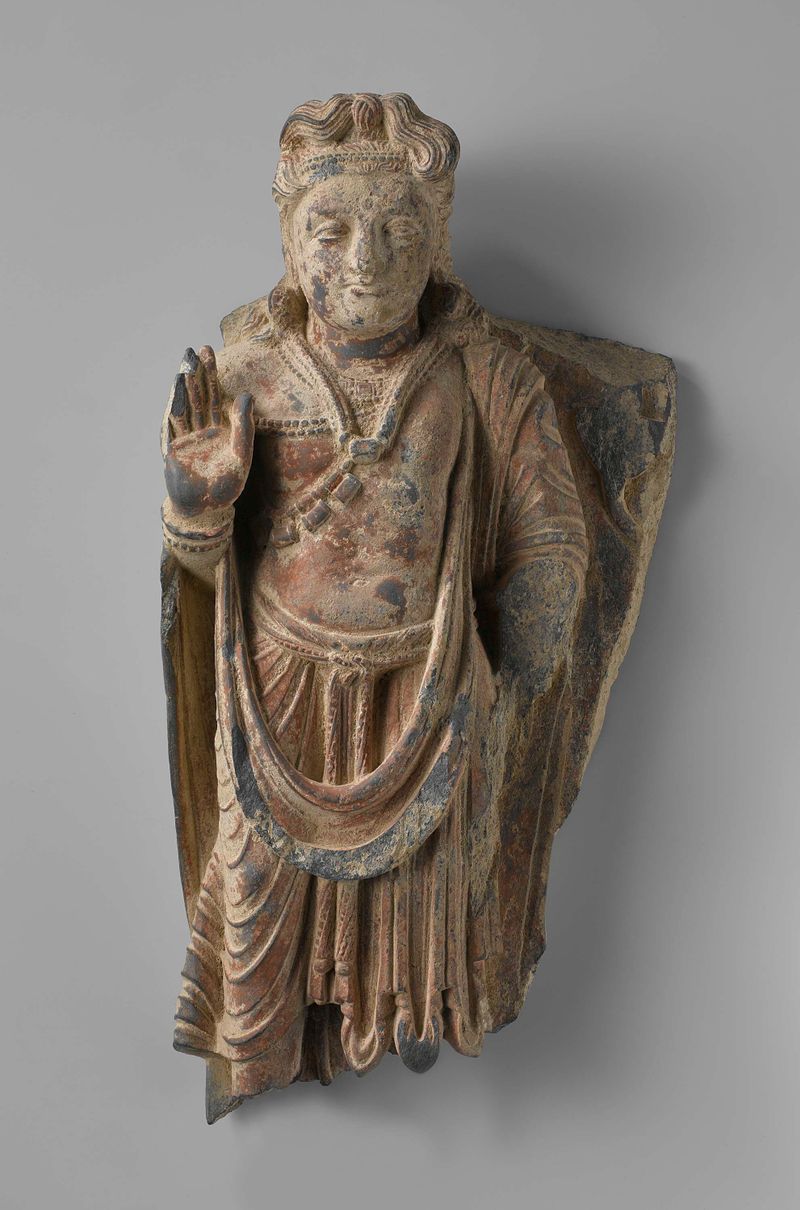
The bodhisattva Maitreya
Unknown Artist

Teabowl with a 'hare's fur' glaze
Unknown Artist



