Jardin en Fleurs — History & Facts
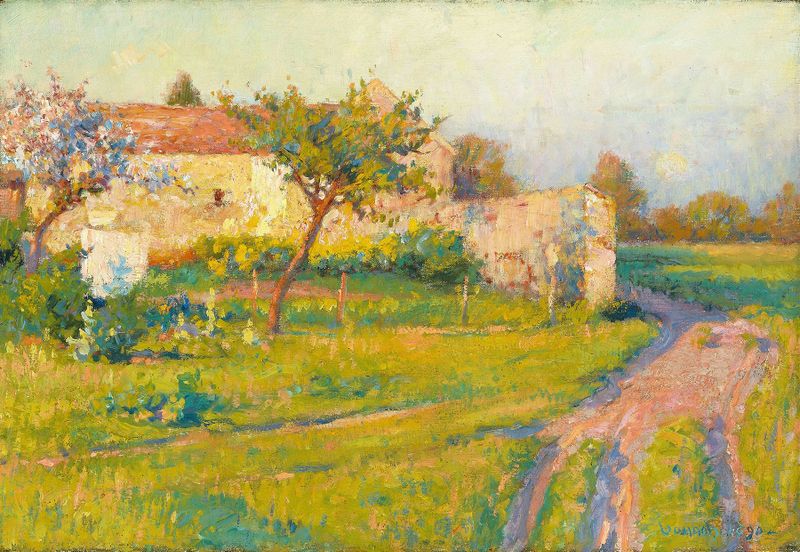
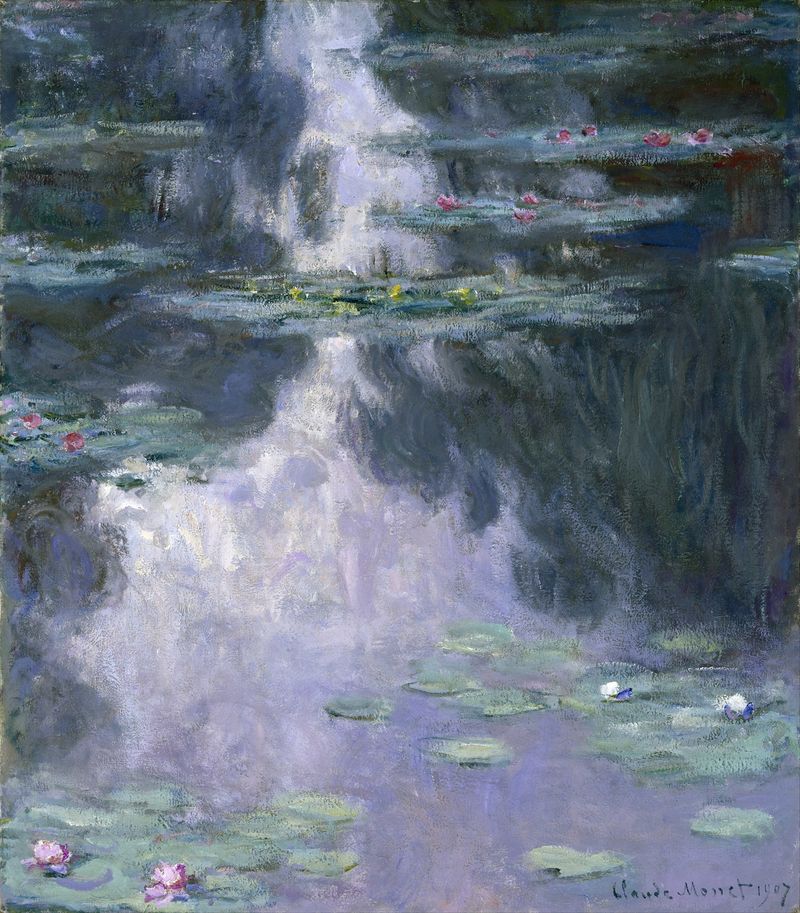
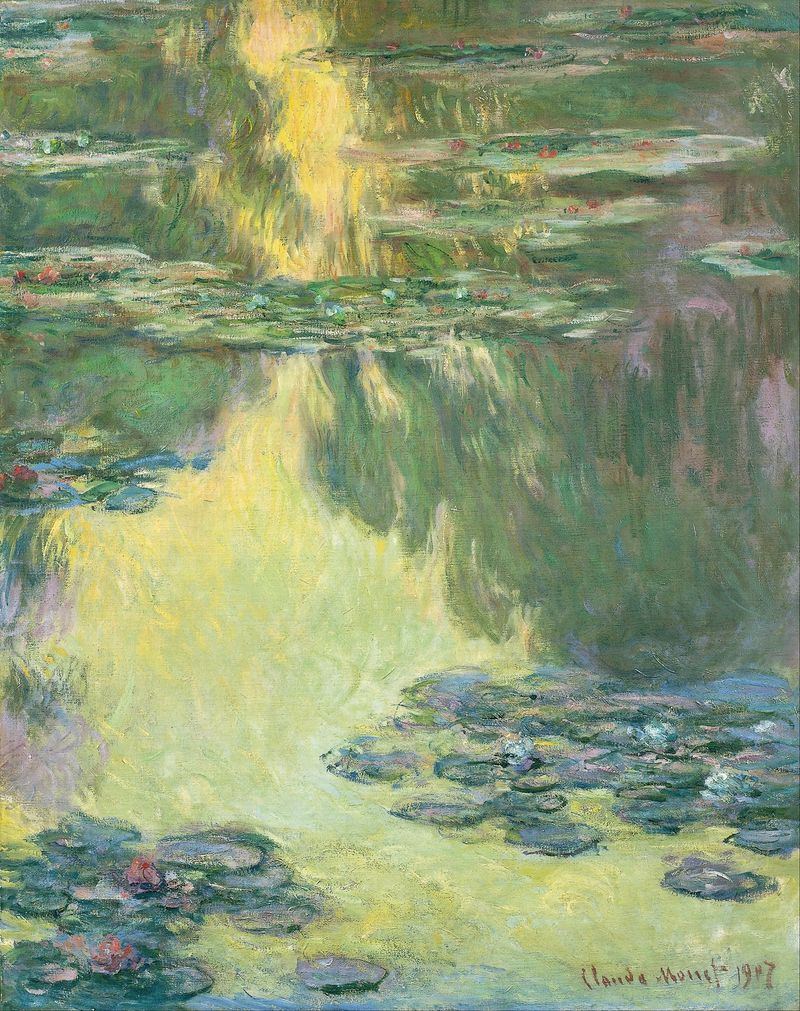
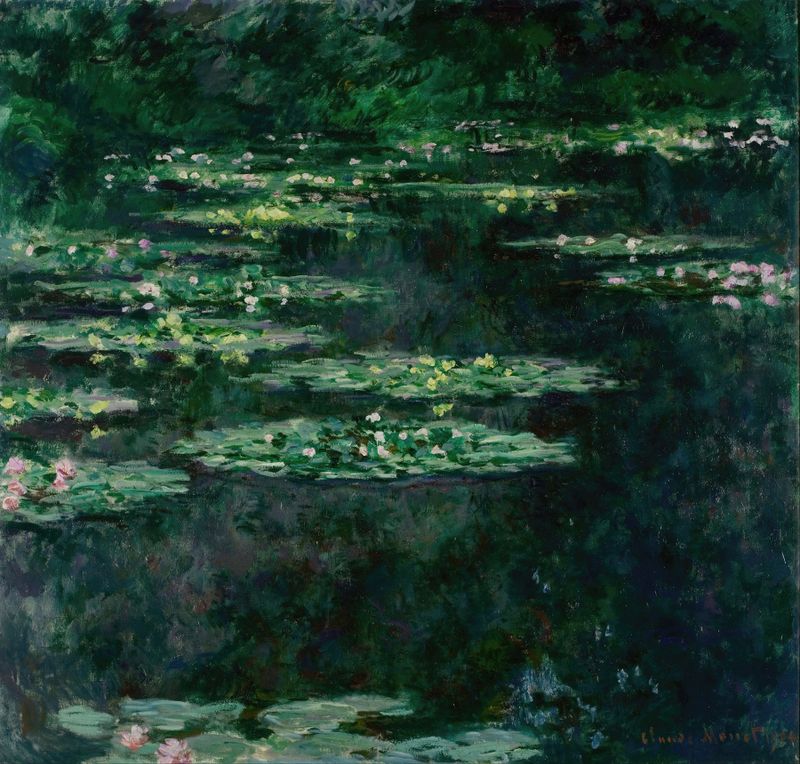
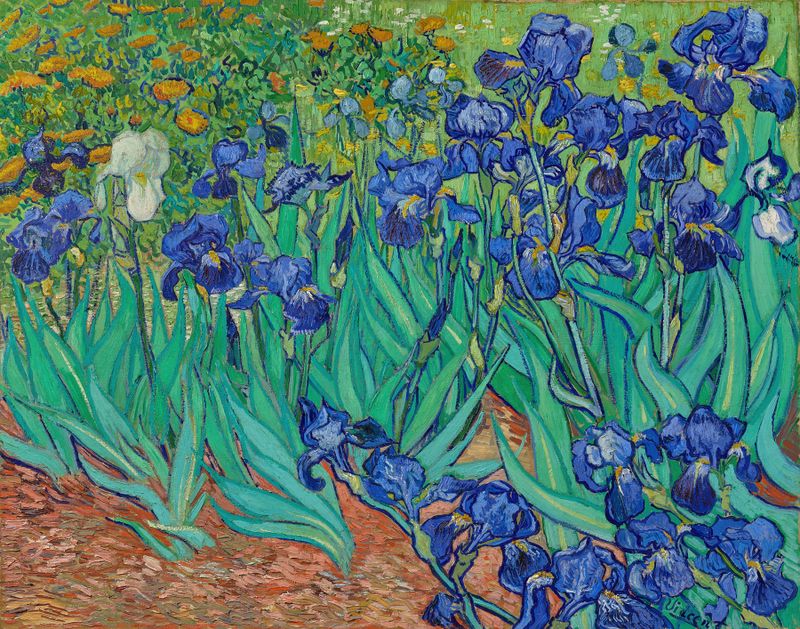
Could beauty survive in a century of chaos? In Jardin en Fleurs, the vibrant blooms whisper secrets of resilience amid the shadows of grief. Each petal, meticulously rendered, carries a weight that transcends mere aesthetics, inviting viewers to ponder the fleeting nature of life and joy. Look to the center of the composition, where a profusion of flowers bursts forth in a riot of color. The delicate brushstrokes create a sense of movement, as if the petals themselves are dancing in the gentle breeze.
Notice how the light bathes the scene, illuminating the warm yellows and deep reds while casting soft shadows that hint at the passing of time. The deliberate placement of the flowers draws the eye deeper into the canvas, inviting contemplation of what lies beyond the garden's borders. As you explore further, consider the interplay of light and dark that defines the painting. The vivid colors of the blossoms seem to celebrate life against a backdrop that suggests an underlying melancholy.
This contrast evokes a sense of longing, perhaps reflecting the artist's own experiences of loss and transformation. The garden, a symbol of beauty, stands resilient in its blooming, yet the shadows remind us of the fragility of such moments. In 1890, Robert William Vonnoh painted this piece during a period of personal introspection and an evolving art world. Living in Paris, he was influenced by the Impressionists, yet he sought to find his unique voice in an era marked by societal upheaval.
This work reflects not only his artistic ambitions but also the emotional landscape of a world grappling with change, making Jardin en Fleurs a poignant exploration of beauty amid turmoil.