
Javel — History & Facts
This truth resonates within the delicate strokes of the canvas, inviting the viewer to pause and reflect on the nature of nostalgia itself. The interplay of light and shadow evokes a haunting sense of longing, where the past intertwines with the present in a silent dance. Look to the center of the piece, where a solitary figure stands, poised yet melancholic, as if caught in a moment of introspection. The gentle swirls of color envelop the subject, melding warm golds with cooler blues, creating a harmonious yet bittersweet contrast.
Notice how the brushwork varies—some areas are soft and flowing, while others are sharp and defined, revealing the artist's emotional complexity and technical mastery. The juxtaposition of the figure's stillness against the vibrant background hints at an underlying tension between memory and reality. Each stroke seems to encapsulate a longing for days gone by, a yearning that is palpable yet elusive. Look closely at the faint outline of a forgotten landscape, a whisper of what once was, reminding us that nostalgia often carries with it both beauty and sorrow. In 1886, during his time in France, the artist was deeply immersed in the Impressionist movement, which was reshaping the world of art.
He sought to capture the ephemeral qualities of light and emotion, reflecting both personal experiences and broader societal changes. Lepère's work during this period often explored themes of memory and the passage of time, which resonate profoundly in this piece.
More Artworks by Auguste Louis Lepère
Browse all →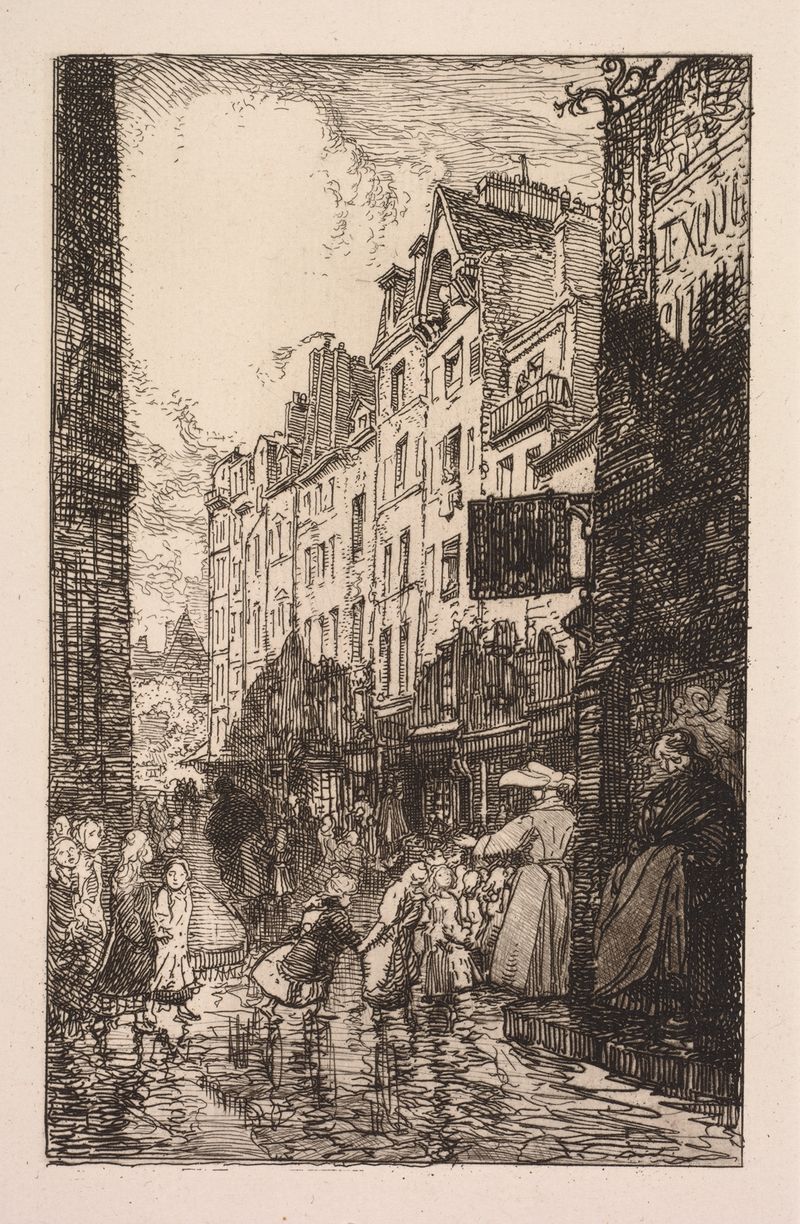
La Rue des Prêtres Saint-Séverin
Auguste Louis Lepère
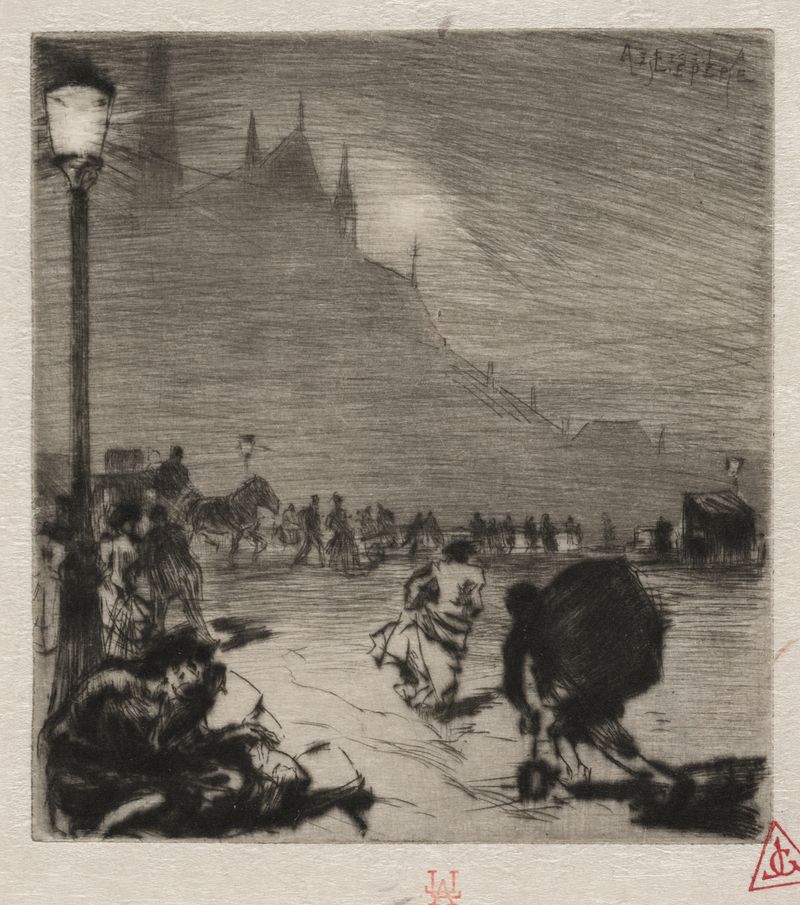
Au Coin du Pont-aux-Doubles
Auguste Louis Lepère
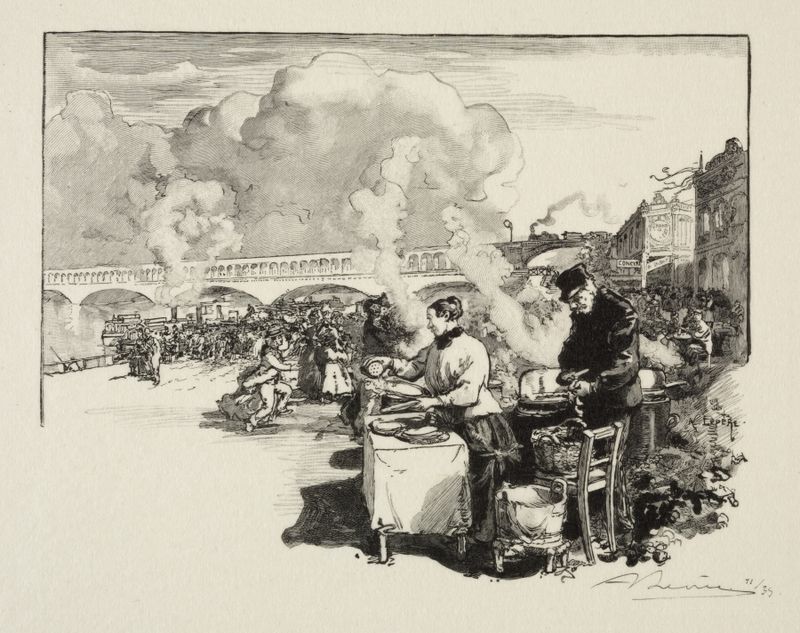
Debarcadère des bateaux-omnibus
Auguste Louis Lepère

La Seine, au quai de la Rapée
Auguste Louis Lepère
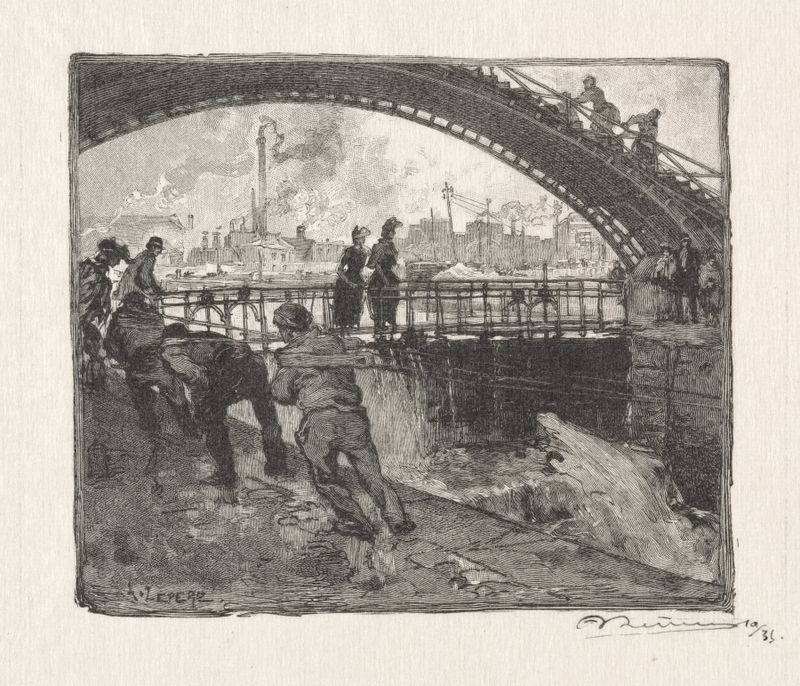
L’Ecluse du Canal St. Martin
Auguste Louis Lepère

Le Boulevard Montmartre, le Soir
Auguste Louis Lepère

Une Chasse au Mont Gérard
Auguste Louis Lepère
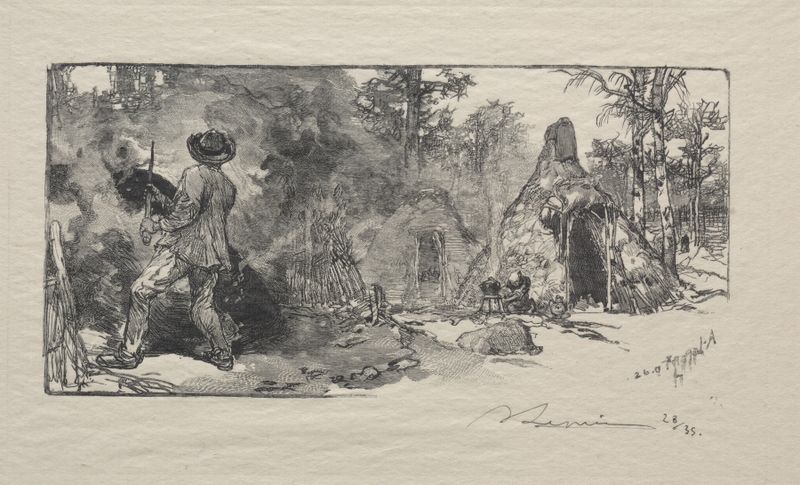
Les Charbonniere
Auguste Louis Lepère
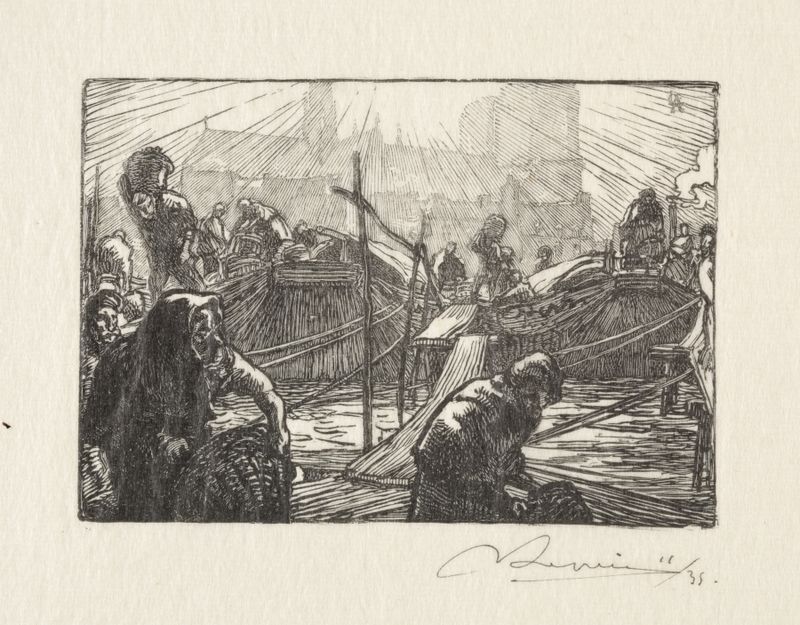
Notre Dame vue du Marché aux pommes
Auguste Louis Lepère

Le Palais des Arts Liberaux, Intèrieur
Auguste Louis Lepère





