Jay Hambidge — History & Facts
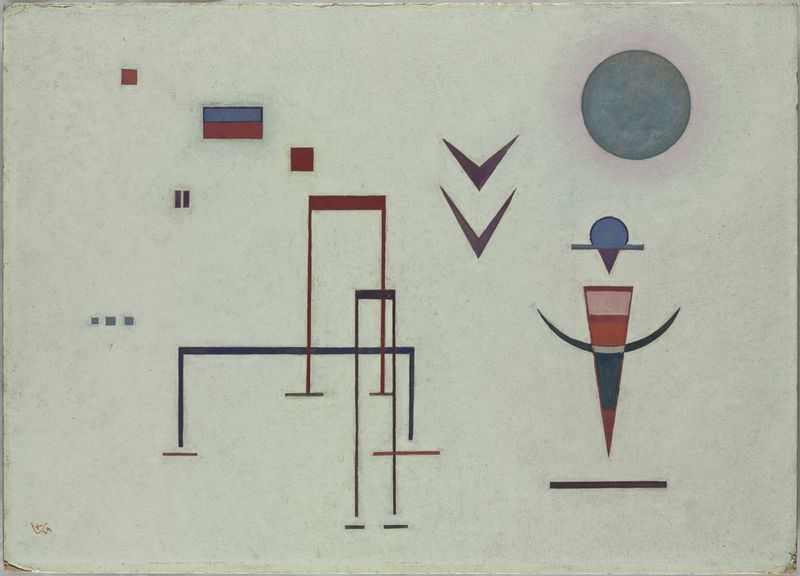
In an era of artistic revolution, the canvas becomes a pulse of innovation, beckoning viewers to engage with a world of dynamic possibility. Look to the swirling forms that coalesce in the center; they seem to dance with a synchrony that breathes life into the composition. The interplay of color—rich blues and vibrant oranges—draws the eye in, inviting you to explore the rhythmic patterns that resonate throughout. Notice how the geometric shapes intersect, each line tracing a path that suggests movement and transformation, reflecting the creative energy of a time ripe for change. Within the complexities of these forms lies an emotional tension that speaks volumes.
The harmony of colors contrasts with fragmented shapes, embodying the struggle between tradition and modernity. Each stroke carries the weight of an artist grappling with the bounds of expectation, daring to challenge the status quo in search of a new visual language. These nuances reveal a deeper narrative of growth—not just in art, but in the identity of a society on the brink of profound transformation. Created during the late 19th to early 20th century, this work emerged from Ross's exploration of abstraction, a significant phase in his career.
Located in a period marked by shifts toward modernism, he sought to redefine visual expression amidst changing philosophies. His environment was charged with artistic debates, as contemporaries like the Impressionists and Post-Impressionists influenced the landscape of American art. This context fueled his quest to capture the essence of movement and emotion through innovative techniques.
More Artworks by Denman Waldo Ross
Browse all →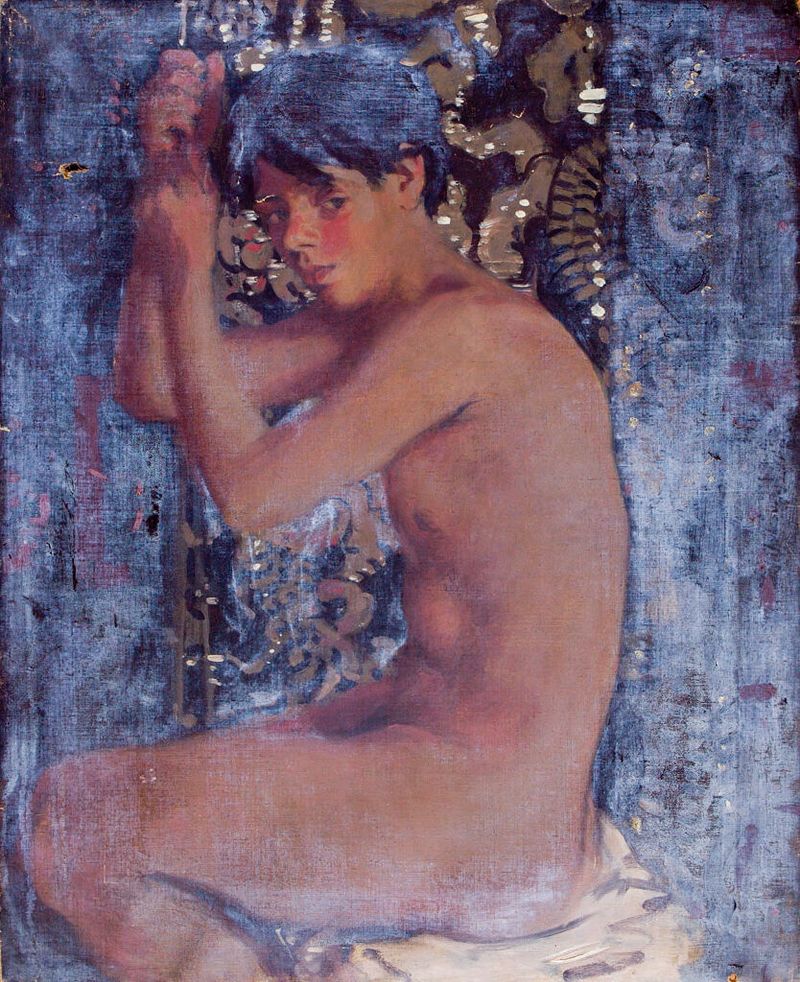
Portrait of a Seated Young Man
Denman Waldo Ross
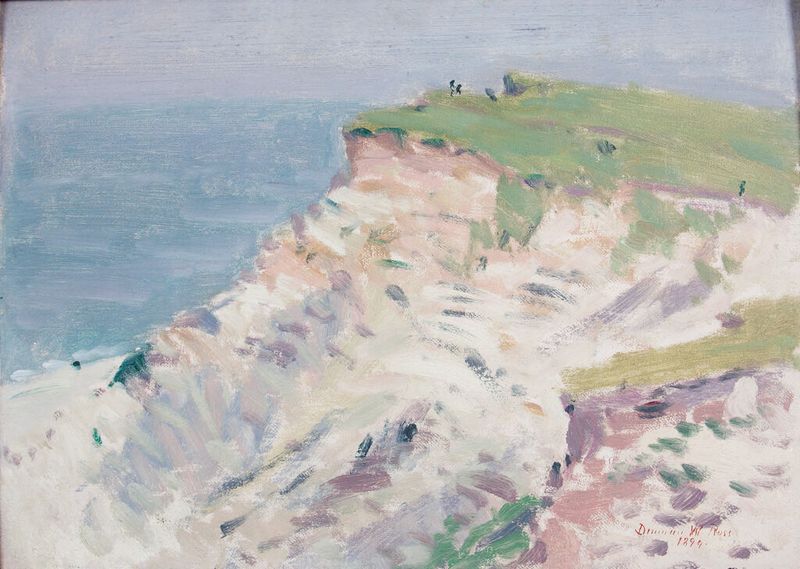
Highland Light, North Truro, Massachusetts
Denman Waldo Ross
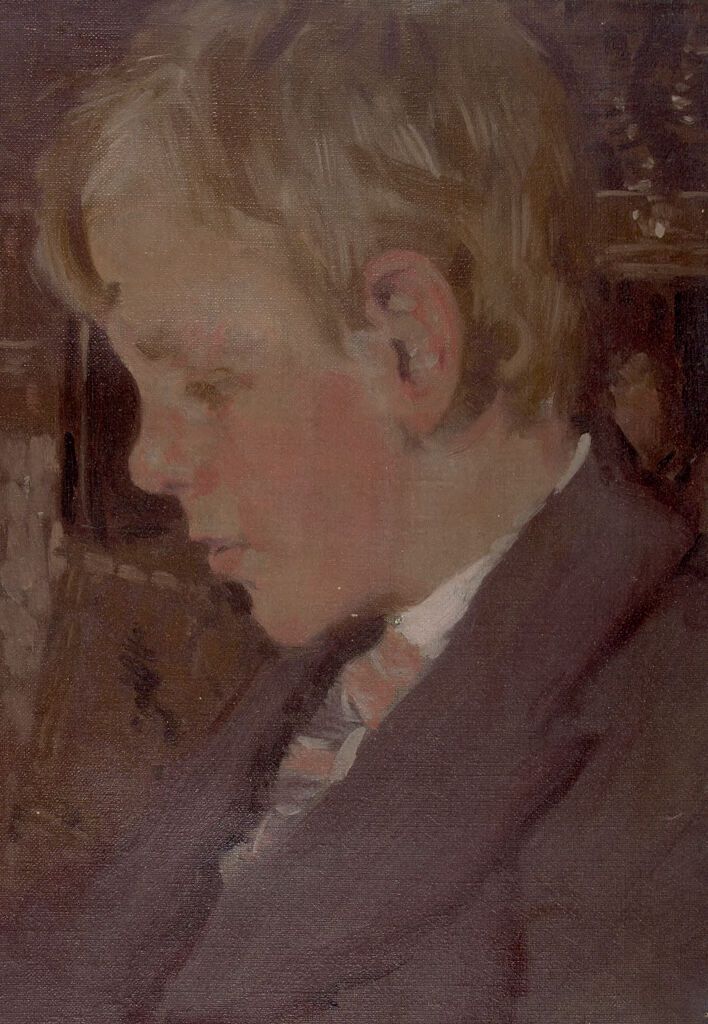
Profile Portrait of a Boy in Suit and Tie
Denman Waldo Ross
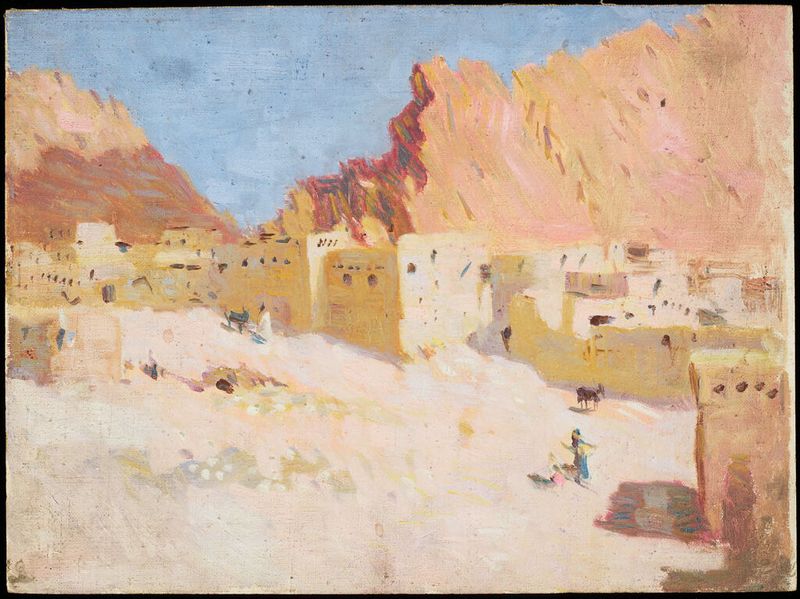
El Kantara, Near Biskra, Algeria
Denman Waldo Ross
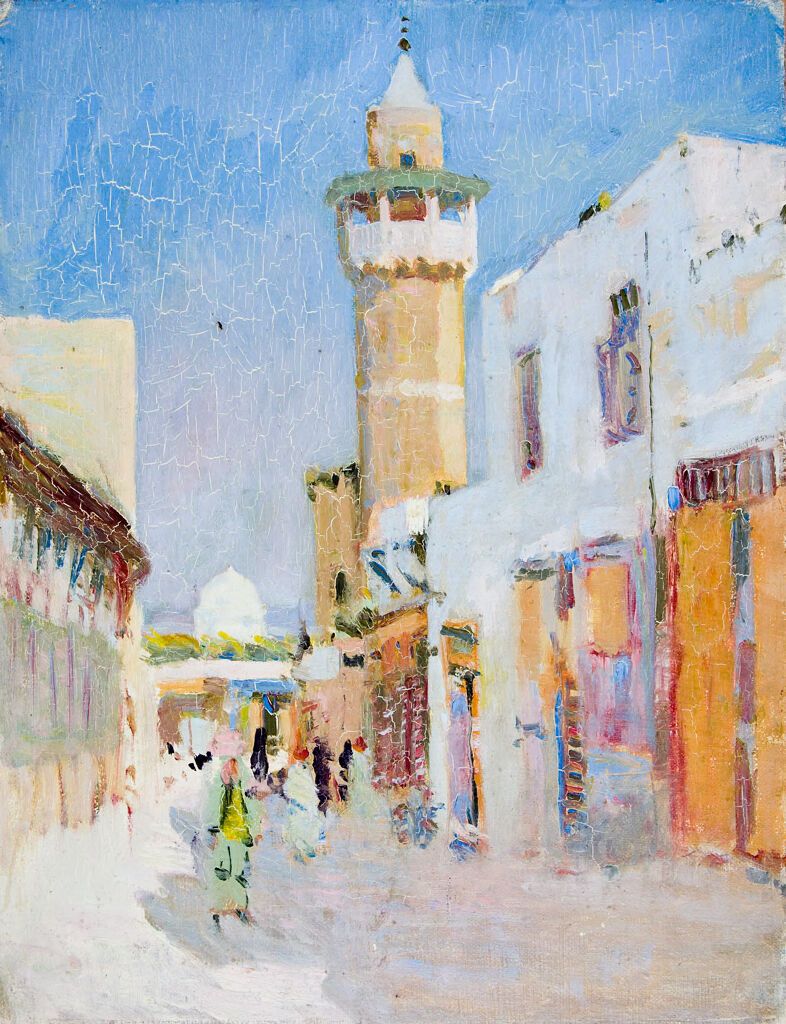
Tunis Street Scene
Denman Waldo Ross
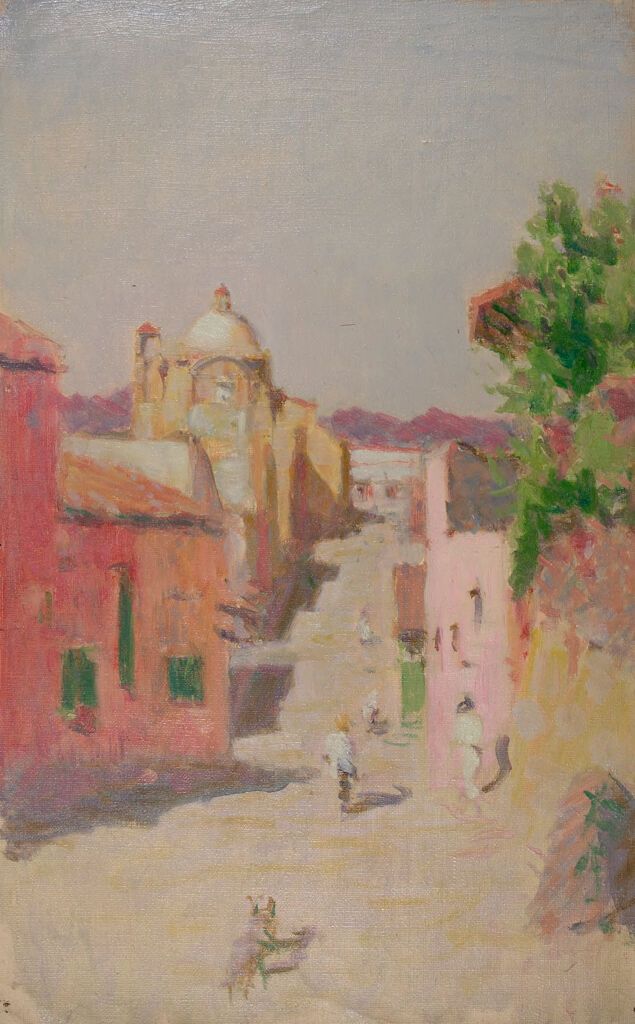
Street Scene with Animal and Figures
Denman Waldo Ross
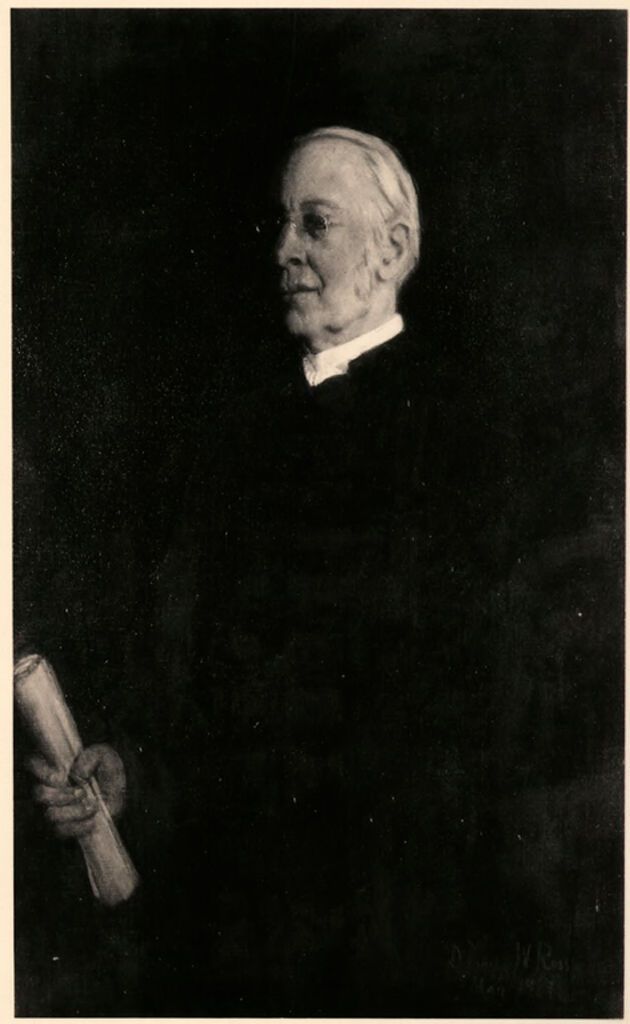
Charles William Eliot (1834-1926)
Denman Waldo Ross
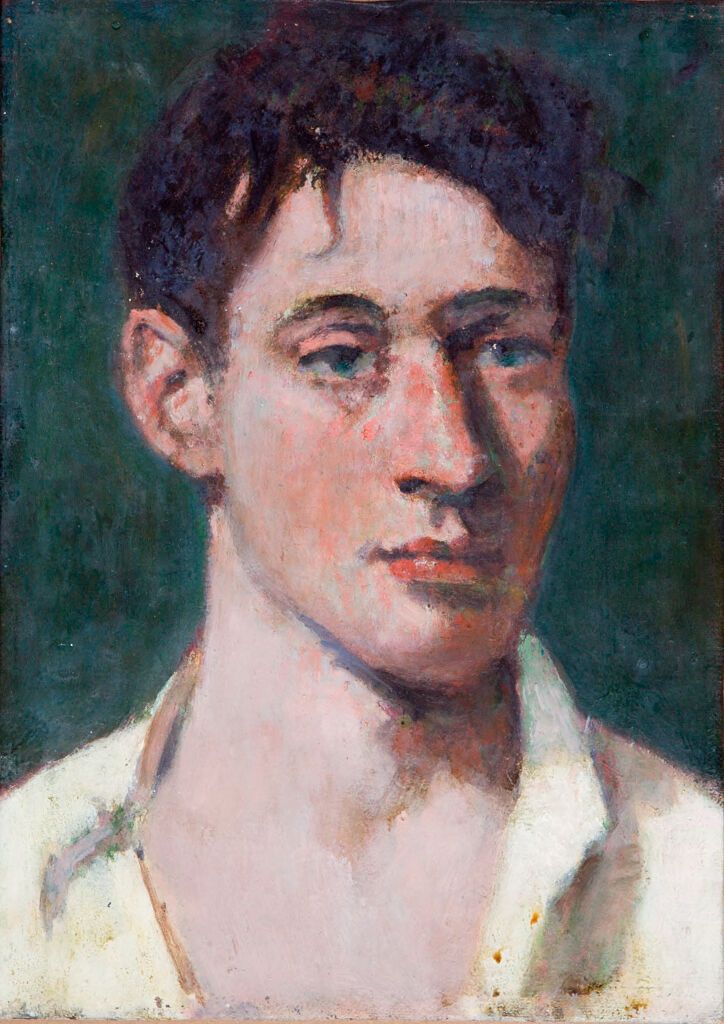
Portrait of a Young Man in White Shirt
Denman Waldo Ross
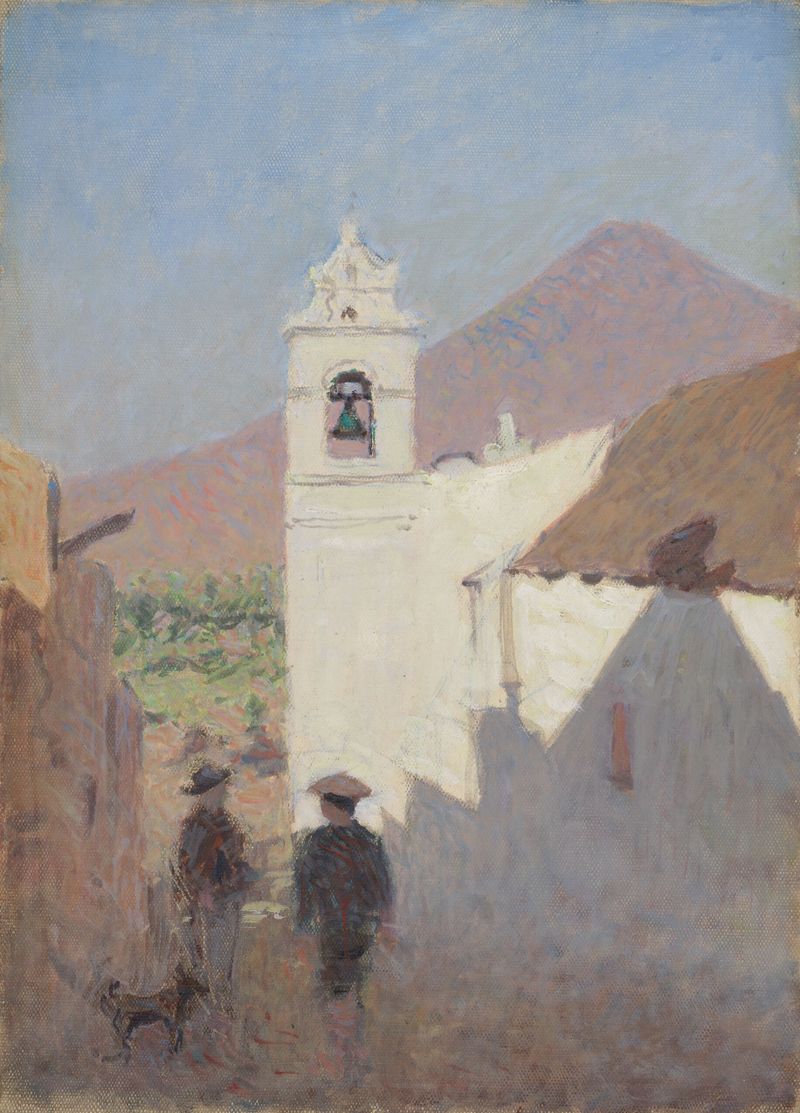
Village Near Arequipa, Peru
Denman Waldo Ross

York Harbor, Maine
Denman Waldo Ross