
Jean Hebuterne with large hat — History & Facts
When Amedeo Modigliani painted Jean Hebuterne with large hat in 1918, he was not only capturing his lover and muse but also creating one of the most enduring icons of their tragic romance. Jean Hébuterne, herself an artist, was just 20 when she met Modigliani in Paris, and their brief, intense relationship became the subject of gossip and fascination in the Montparnasse art world. The portrait stands as a haunting prelude to the couple’s fate: Modigliani died of tuberculosis in January 1920, and Hébuterne, pregnant with their second child, took her own life the very next day.
The painting thus resonates with the weight of their intertwined destinies, forever linking the sitter’s serene gaze to a story of love and loss. In this portrait, Jean sits quietly, her elongated neck and tilted head rendered in the unmistakable style of Modigliani, who often exaggerated proportions to create a sense of otherworldly elegance. The large, dark hat frames her pale face, casting a gentle shadow that draws attention to her almond-shaped eyes—one of which, in typical Modigliani fashion, is left without a pupil, suggesting a gaze turned inward. Her posture is reserved, hands folded in her lap, yet the subtle curve of her lips and the softness of her expression convey intimacy and trust.
Unlike the psychological tension found in portraits by Egon Schiele, Modigliani’s depiction of Jean is marked by calm and affection, making the viewer a quiet witness to their private world. The precise provenance of Jean Hebuterne with large hat is not fully documented, a common fate for many works by Modigliani from this tumultuous period. It is believed to have remained in private hands for much of the twentieth century, only gradually emerging into public view as interest in Modigliani’s work soared after his death. Today, the painting is recognized as a key example of the artist’s late style, created during his final years in Paris when his health was failing but his creative powers were undiminished.
The portrait’s enduring appeal lies not only in its graceful lines and muted palette but also in its role as a testament to the brief, passionate life shared by two young artists on the brink of modernity.
More Artworks by Amedeo Modigliani
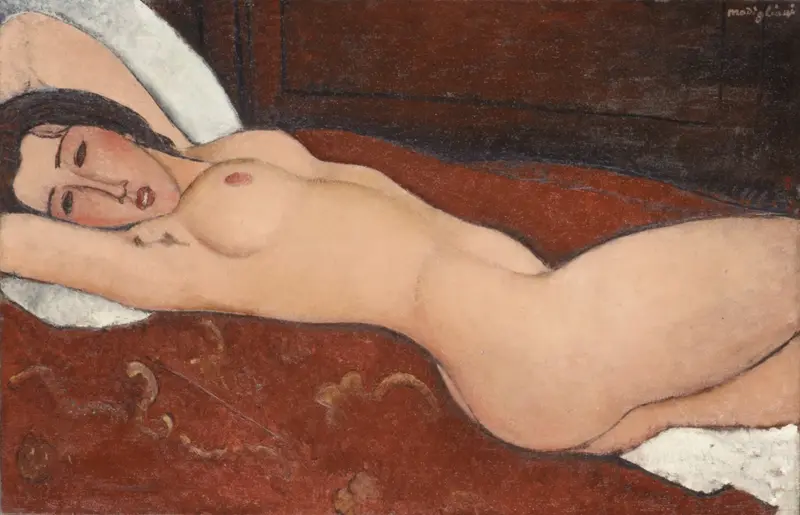
Reclining Nude
Amedeo Modigliani

Portrait Of Jeanne Hébuterne
Amedeo Modigliani

Jeanne Hébuterne
Amedeo Modigliani
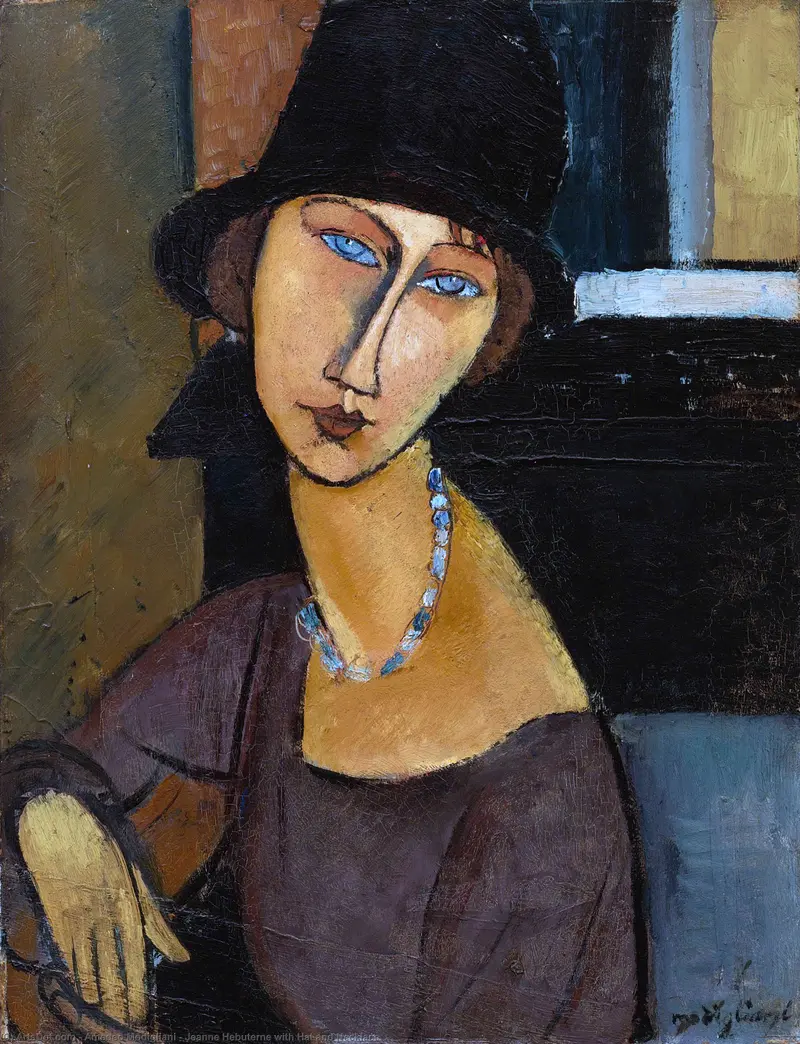
Jeanne Hébuterne with Hat and Necklace
Amedeo Modigliani
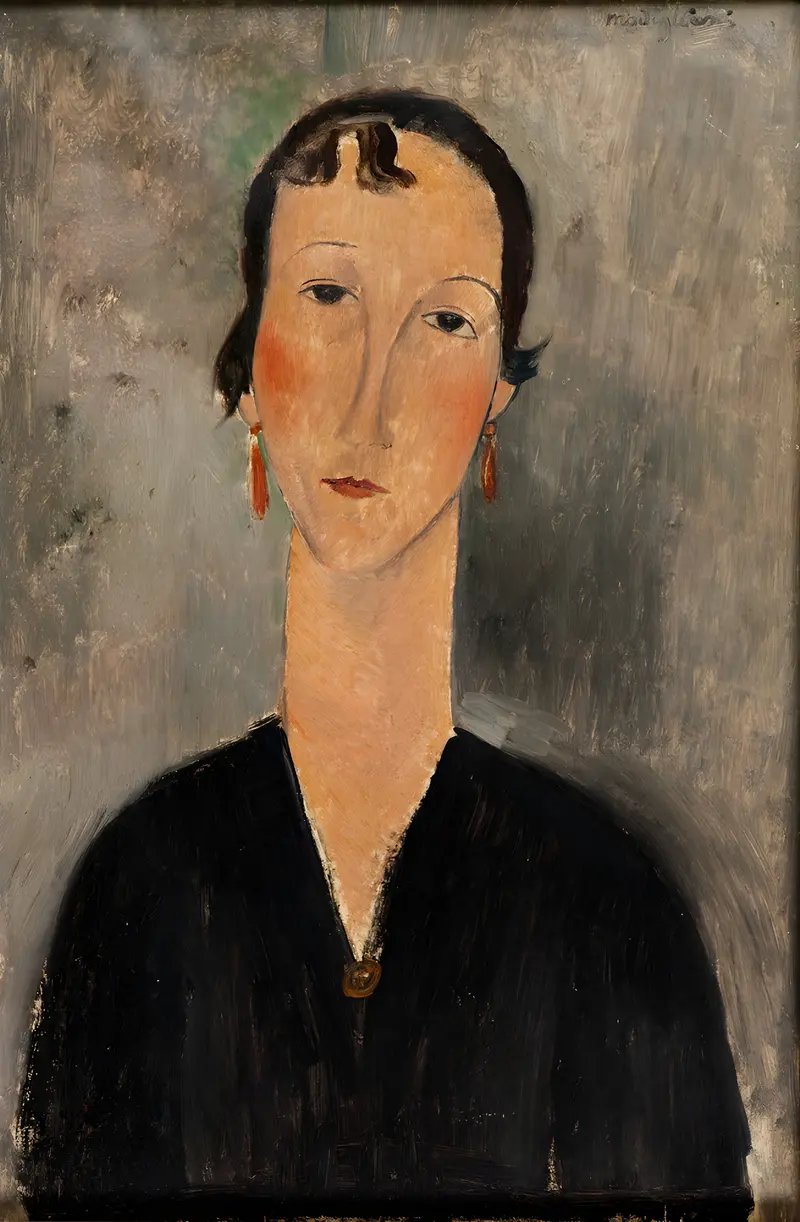
Femme aux boucles d'oreilles
Amedeo Modigliani
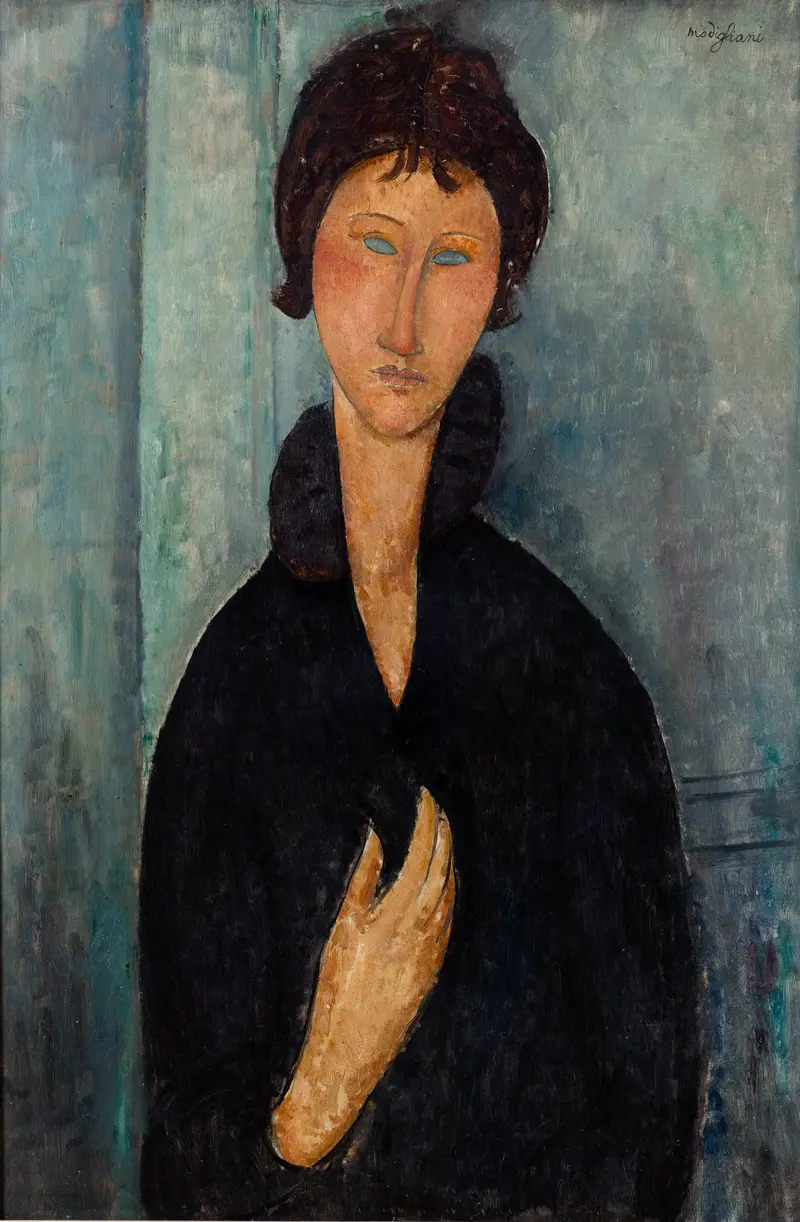
Femme aux yeux bleus
Amedeo Modigliani
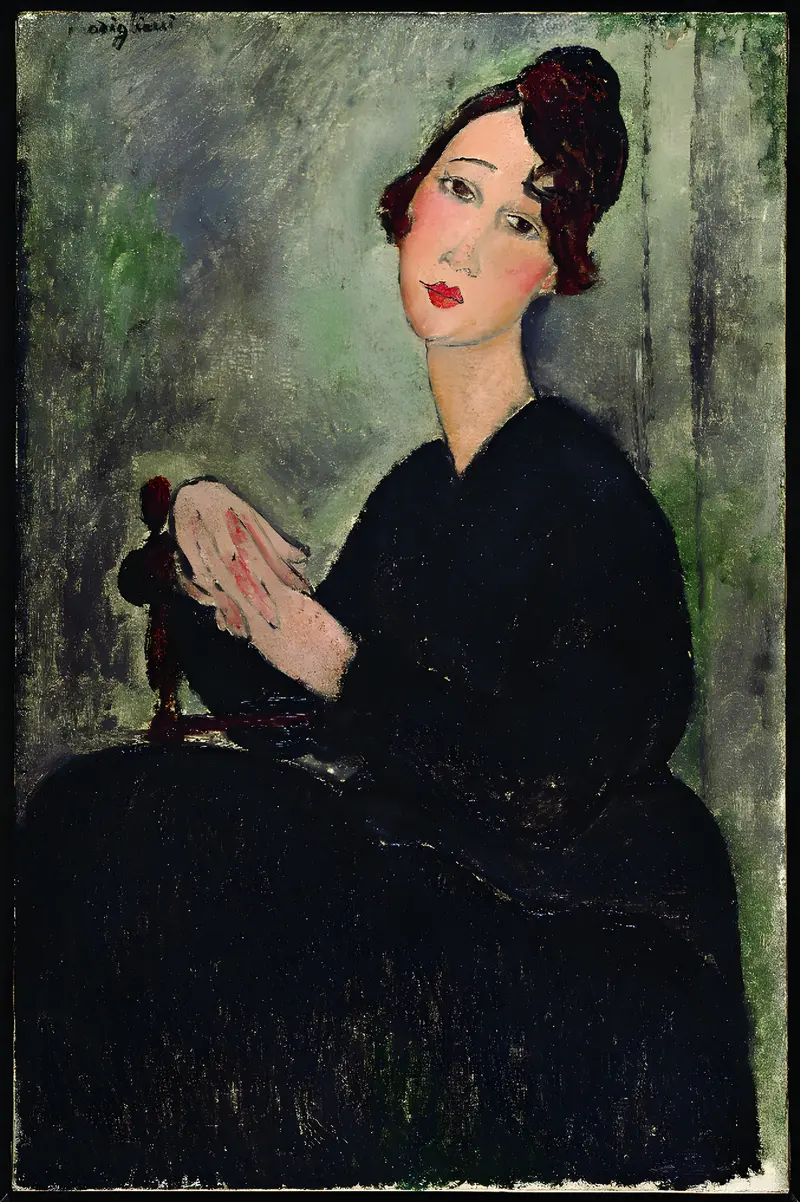
Portrait of Dedie
Amedeo Modigliani
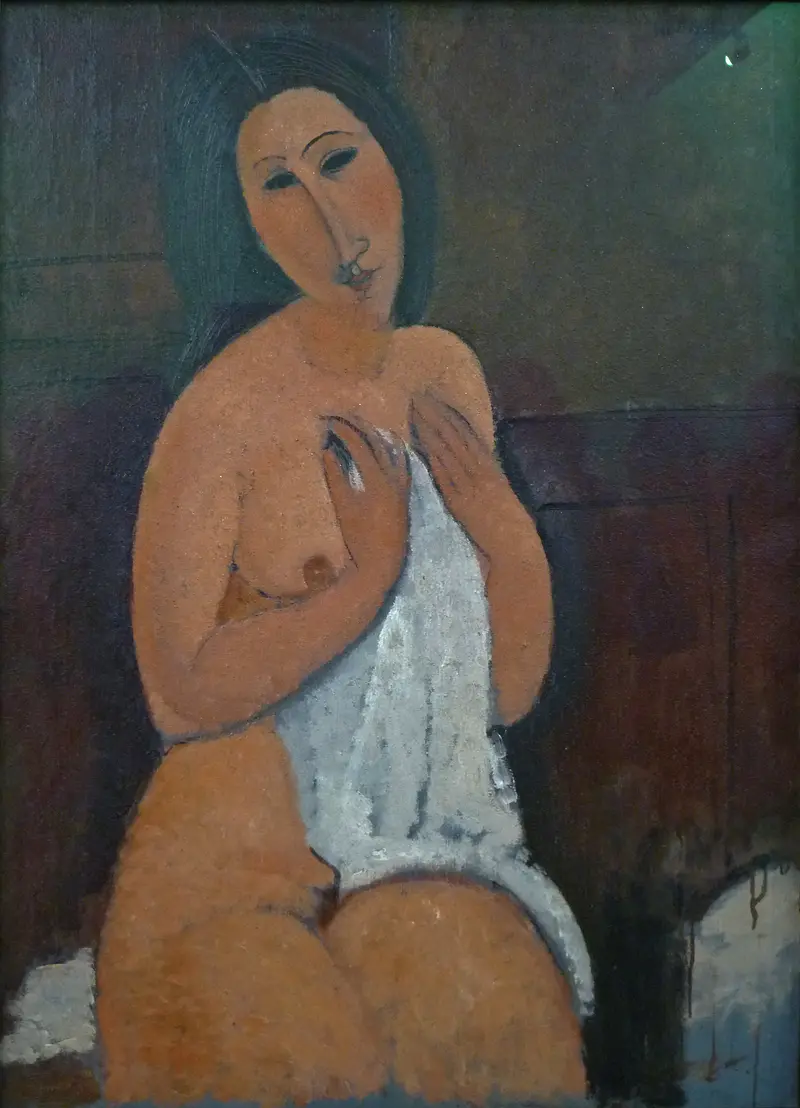
Seated nude with shirt
Amedeo Modigliani
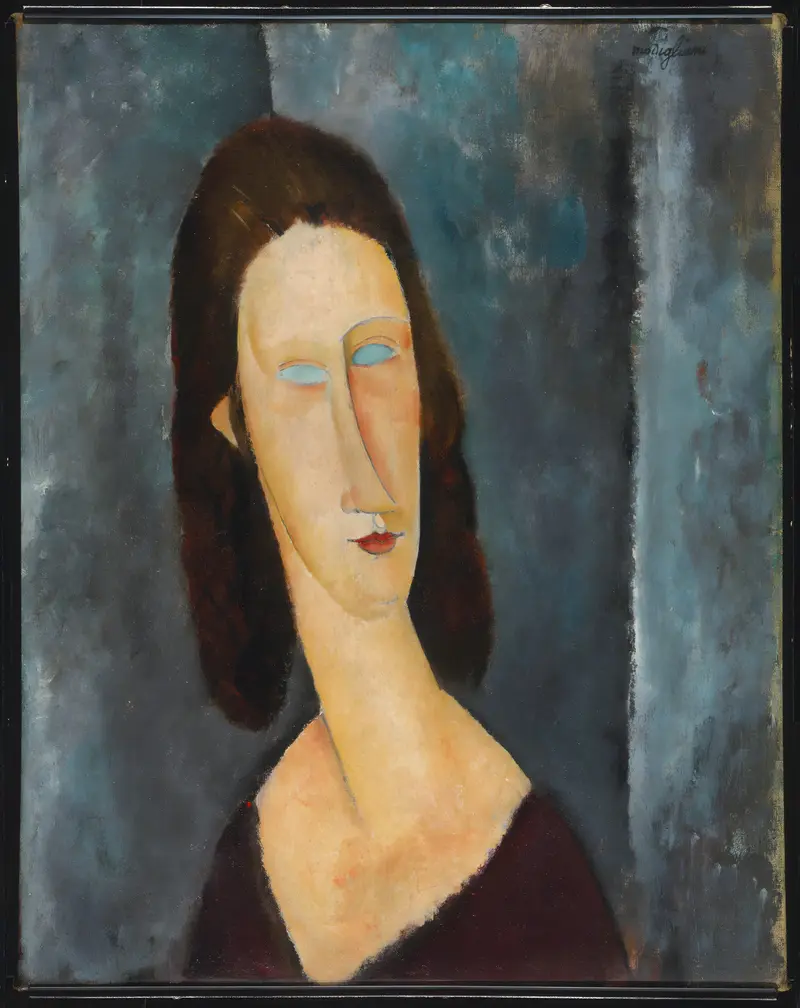
Blue Eyes (Portrait of Madame Jeanne Hébuterne)
Amedeo Modigliani
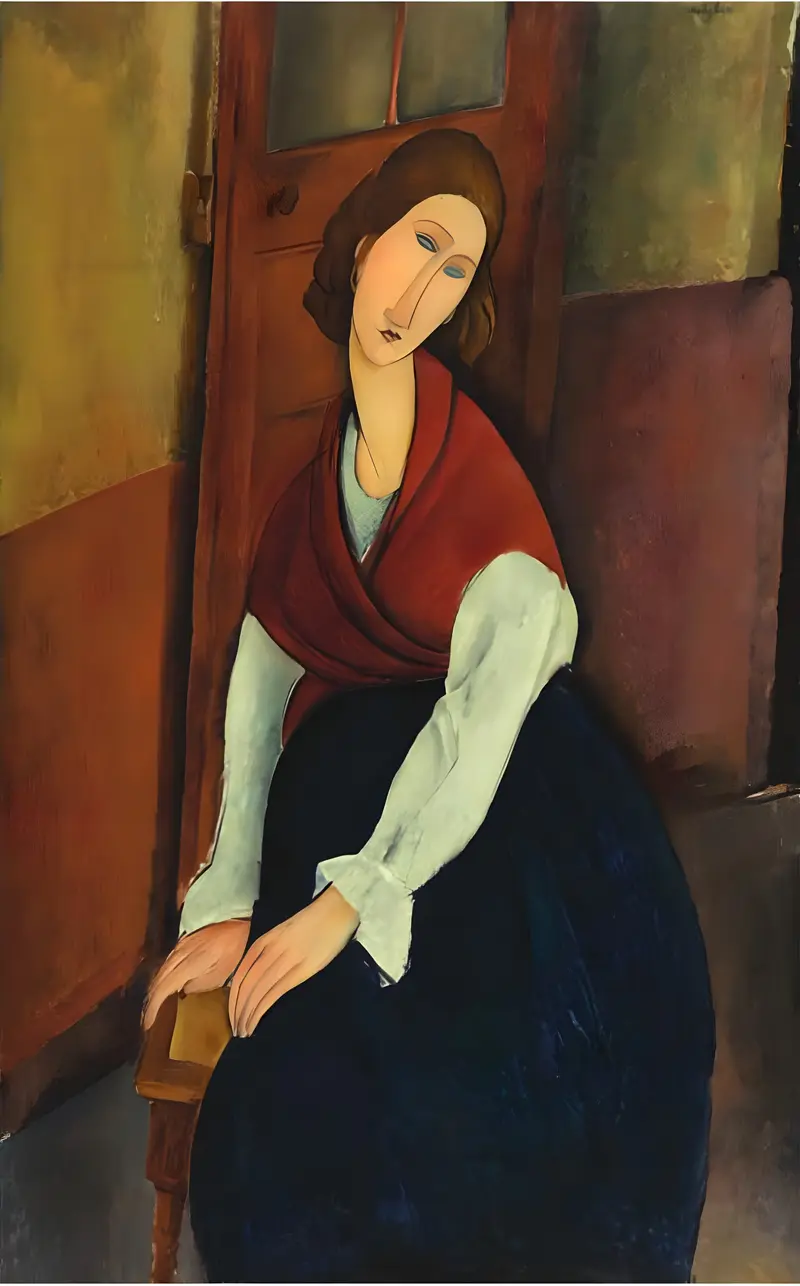
Jeanne Hebuterne in Red Shawl
Amedeo Modigliani





