
Jervoise Clarke-Jervoise (1734-1808) — History & Facts
In Jervoise Clarke-Jervoise (1734-1808), Francis Wheatley presents a formal portrait of the subject. The painting features a man dressed in elegant attire, with a dark coat and a white cravat. The background is a muted, soft color that enhances the figure's prominence.
Wheatley's use of light highlights the subject's facial features and expression, creating a sense of depth. The painting is executed in oil on canvas, a common medium for portraits during this period. Wheatley's technique includes smooth brushwork and careful attention to detail, particularly in the textures of the clothing and the subject's skin. The dimensions of the work are approximately 76 x 63 cm, making it a sizable portrait.
The composition is centered, focusing the viewer's attention on Clarke-Jervoise. Francis Wheatley was a prominent British painter known for his portraits and genre scenes. This work reflects the Romantic style, emphasizing individualism and emotional expression. An interesting fact about this portrait is that it captures Jervoise Clarke-Jervoise, a notable figure in British history, known for his contributions to the arts and society.
Wheatley's ability to convey character through his subjects is evident in this painting.
More Artworks by Francis Wheatley

Donnybrook Fair
Francis Wheatley

Donnybrook Fair
Francis Wheatley
Donnybrook Fair
Francis Wheatley
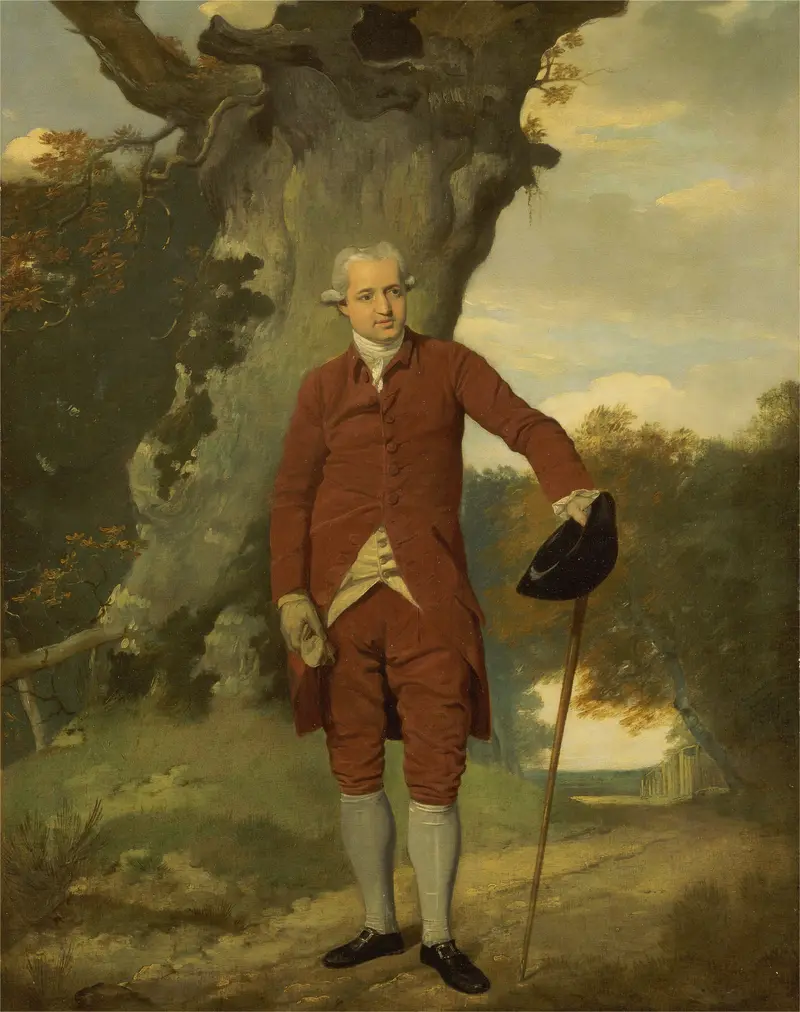
Portrait Of A Man, Possibly Mr. Barclay
Francis Wheatley
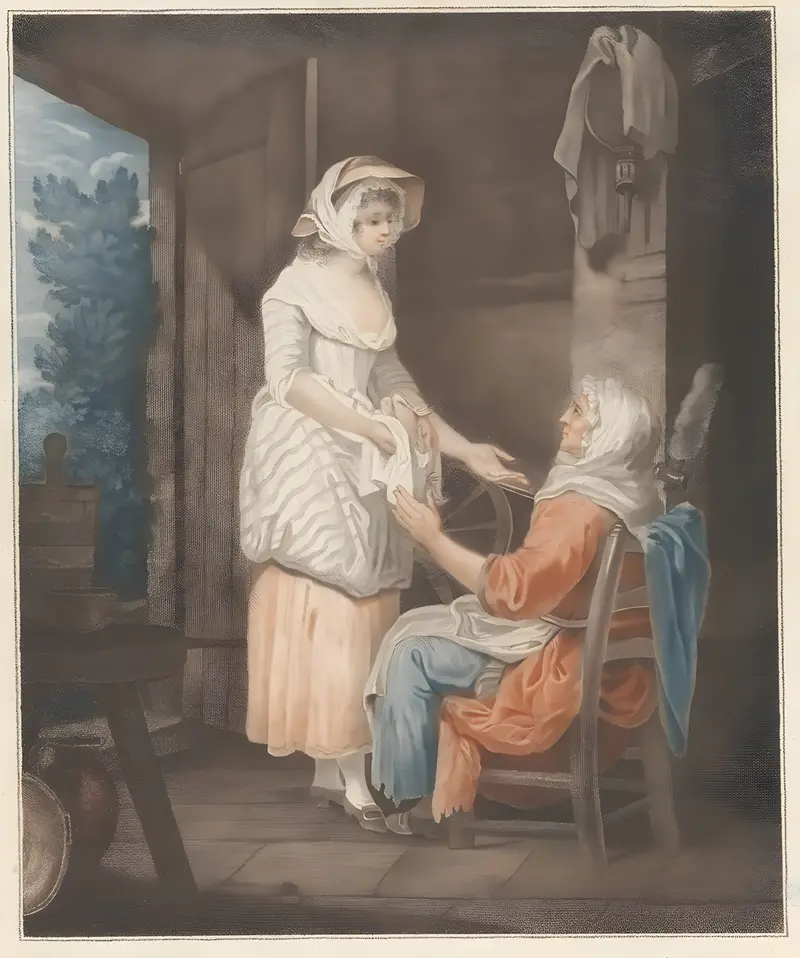
The Affectionate Daughter
Francis Wheatley
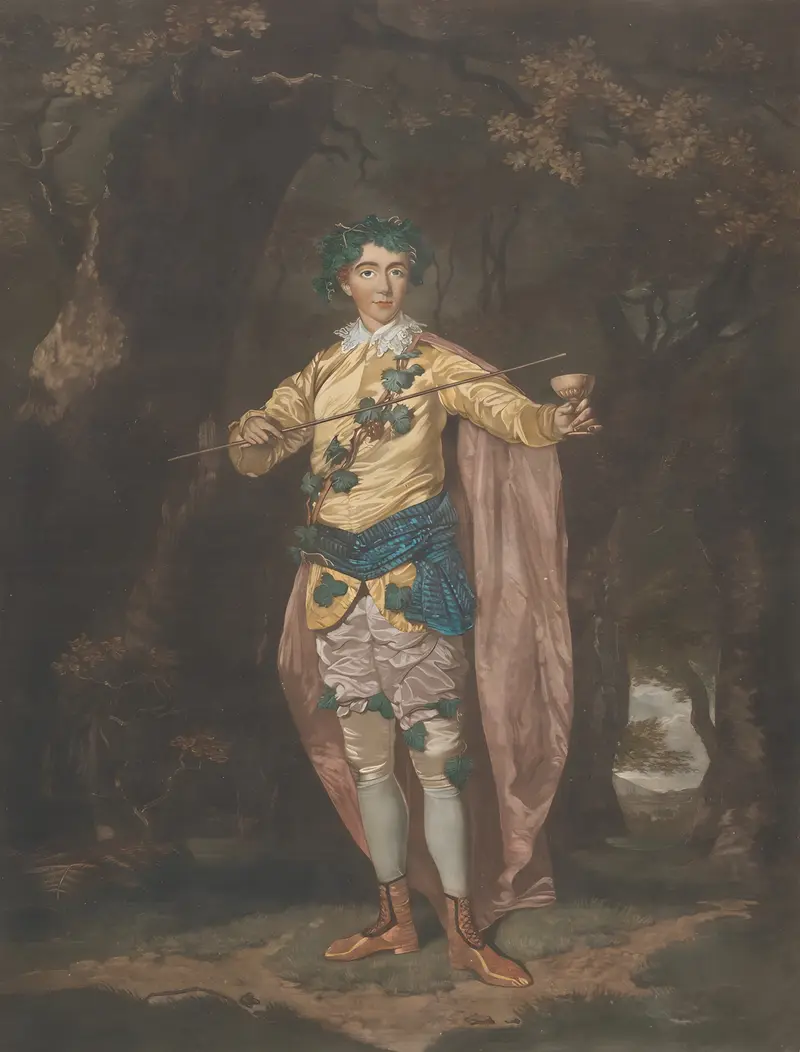
Anthony Webster as Comus
Francis Wheatley
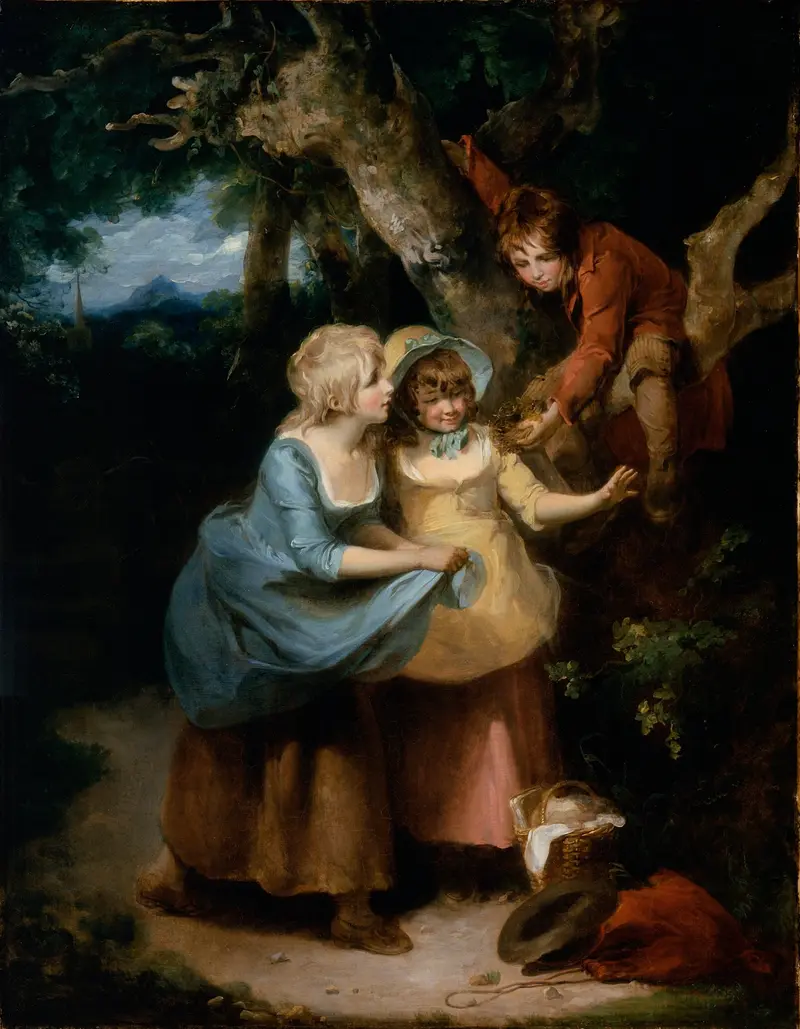
Spring
Francis Wheatley
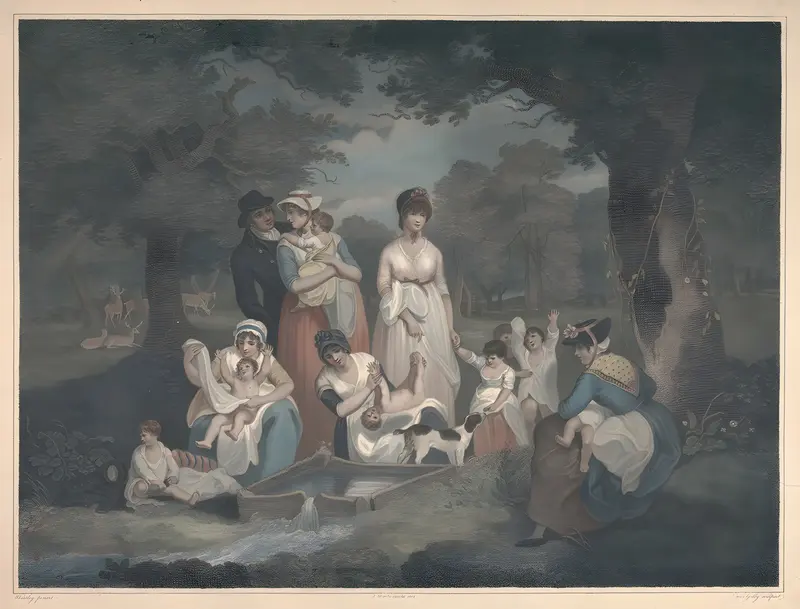
The Dipping Well in Hyde Park
Francis Wheatley
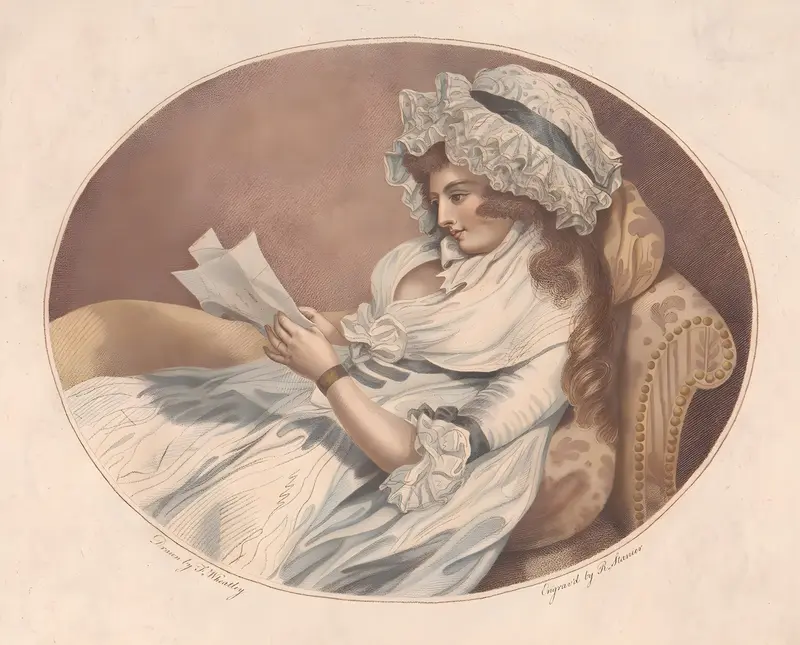
Lucy, Mrs. Wheatley
Francis Wheatley
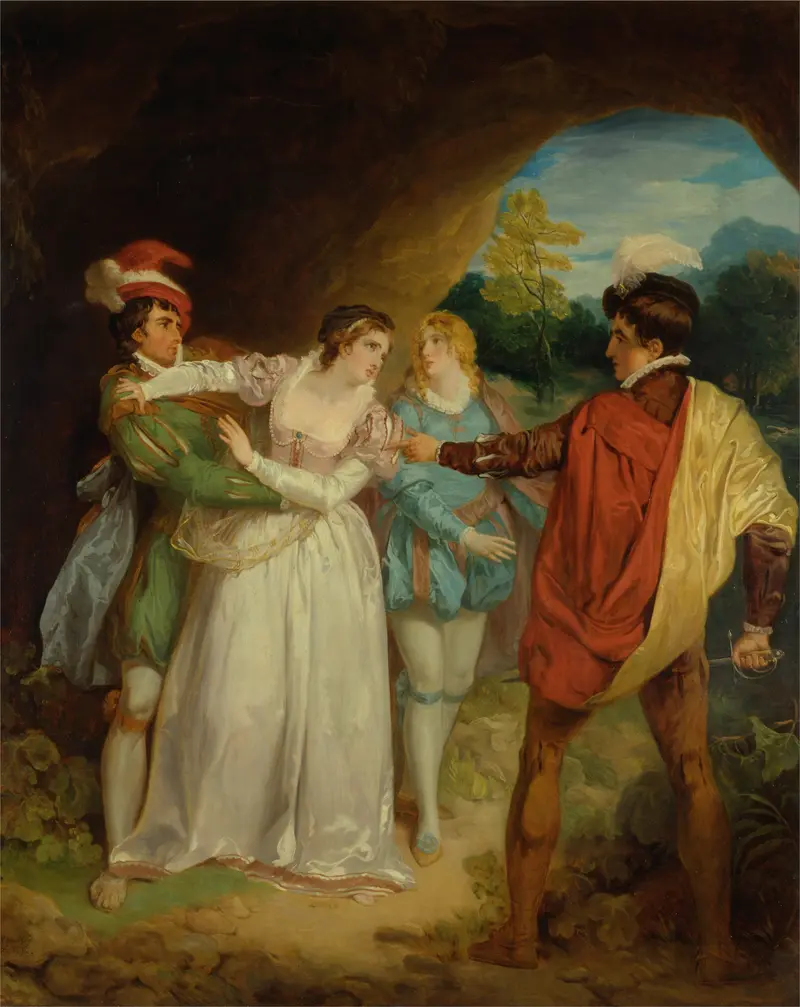
Valentine rescuing Silvia from Proteus, from Shakespeare’s ‘The Two Gentlemen of Verona,’ Act V, Scene 4, the Outlaws’ Cave
Francis Wheatley





