
The Dipping Well in Hyde Park — History & Facts
In The Dipping Well in Hyde Park, Francis Wheatley captures a lively scene filled with vibrant colors. The painting depicts a group of people gathered around a well, enjoying a sunny day in the park. Bright greens and blues dominate the landscape, reflecting the lush surroundings.
Figures are dressed in period attire, adding to the charm of the scene. The painting is executed in oil on canvas, a medium that allows for rich color and texture. Wheatley’s brushwork is visible, creating a sense of movement among the figures. The composition is balanced, with the well at the center drawing the viewer's eye.
The use of light and shadow enhances the three-dimensionality of the scene. Francis Wheatley was known for his depictions of everyday life in England during the late 18th century. This work reflects the Romantic interest in nature and leisure activities. Interestingly, The Dipping Well in Hyde Park not only showcases the social life of the time but also highlights the importance of public parks in urban life.
Wheatley's ability to capture the essence of leisure in a bustling city is a testament to his skill as an artist.
More Artworks by Francis Wheatley

Donnybrook Fair
Francis Wheatley

Donnybrook Fair
Francis Wheatley
Donnybrook Fair
Francis Wheatley
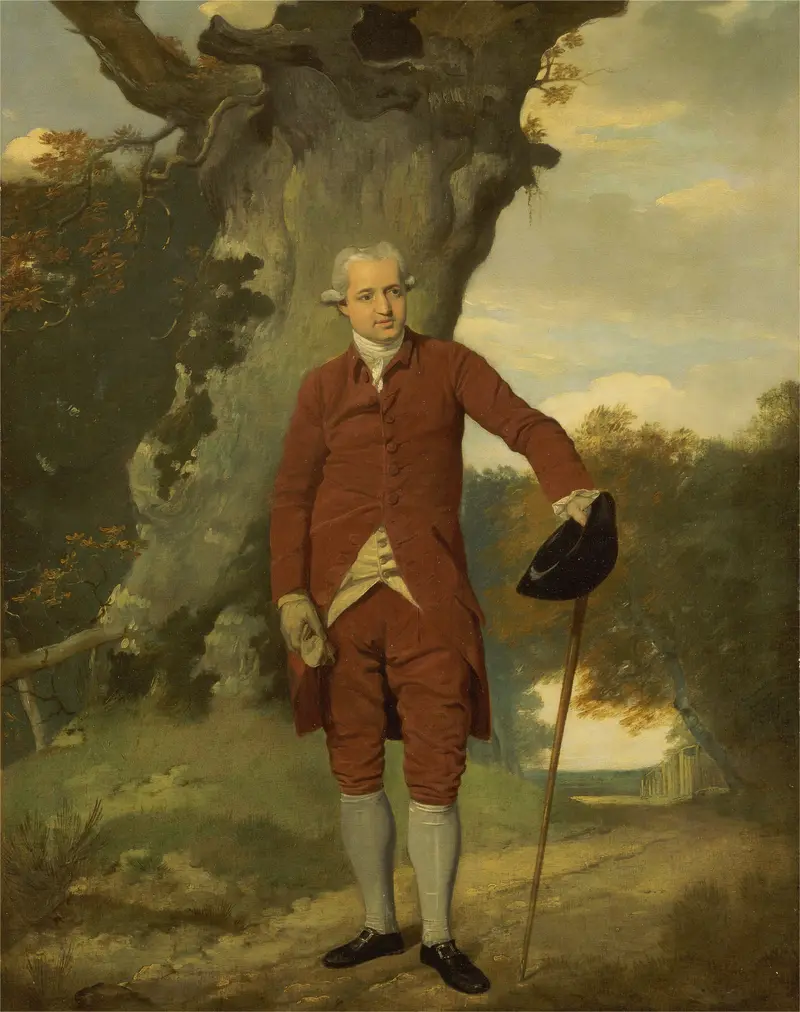
Portrait Of A Man, Possibly Mr. Barclay
Francis Wheatley
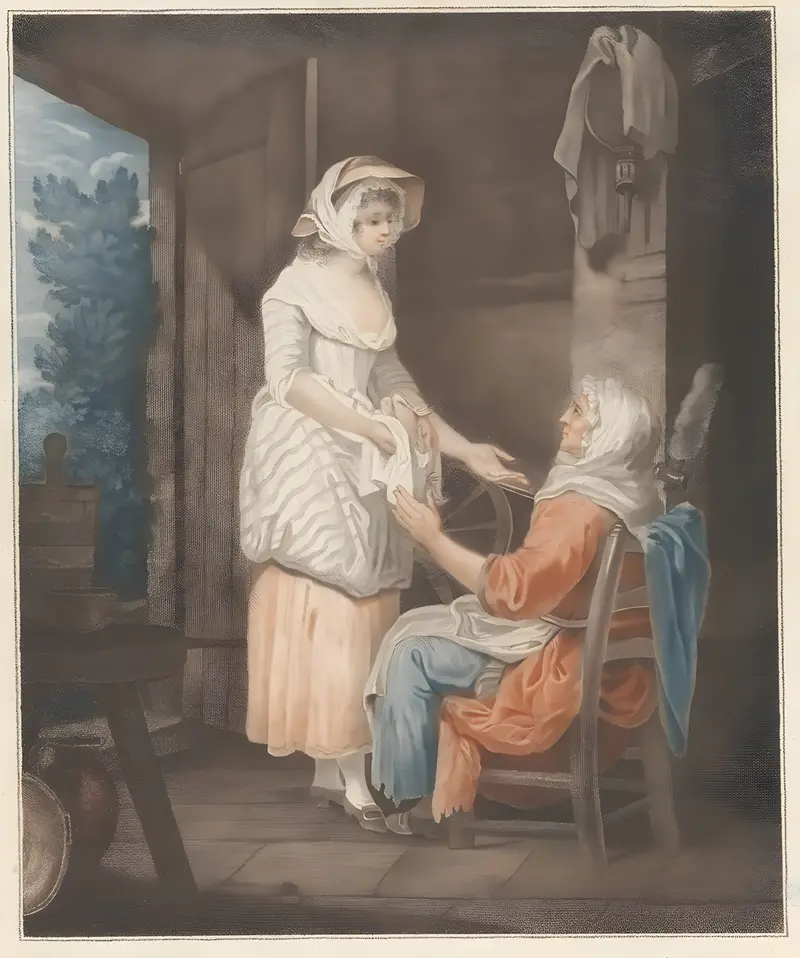
The Affectionate Daughter
Francis Wheatley
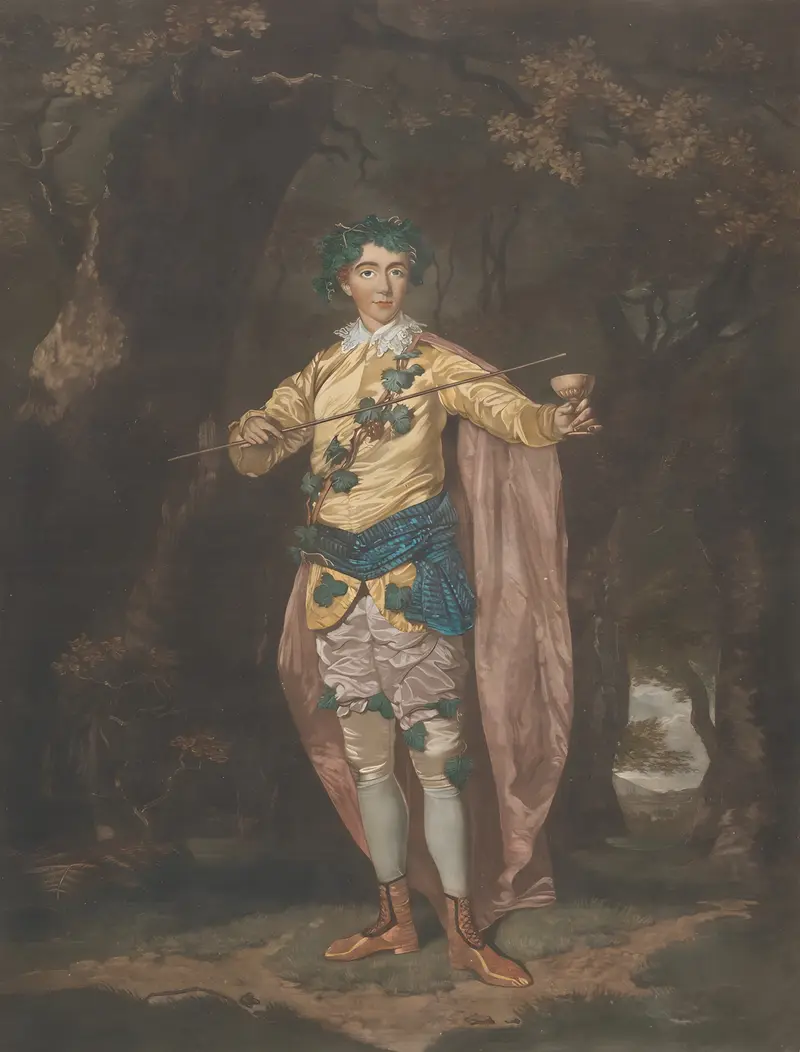
Anthony Webster as Comus
Francis Wheatley
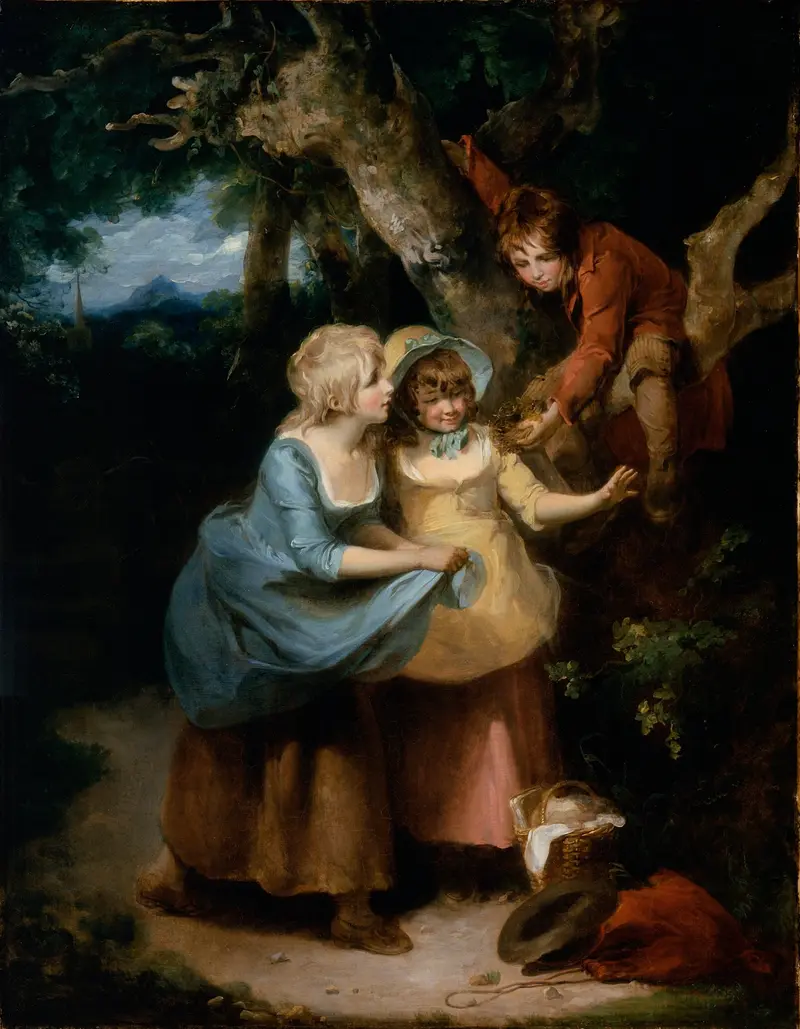
Spring
Francis Wheatley
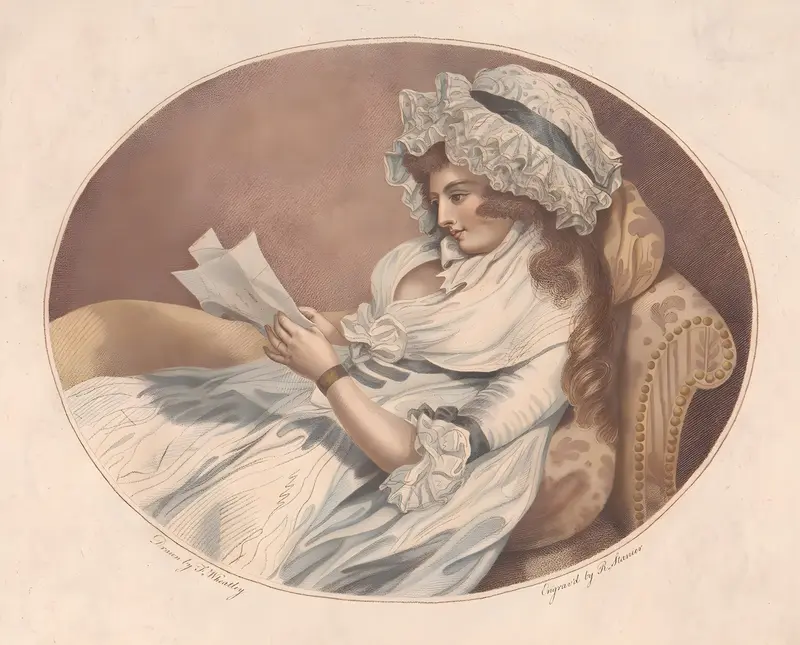
Lucy, Mrs. Wheatley
Francis Wheatley
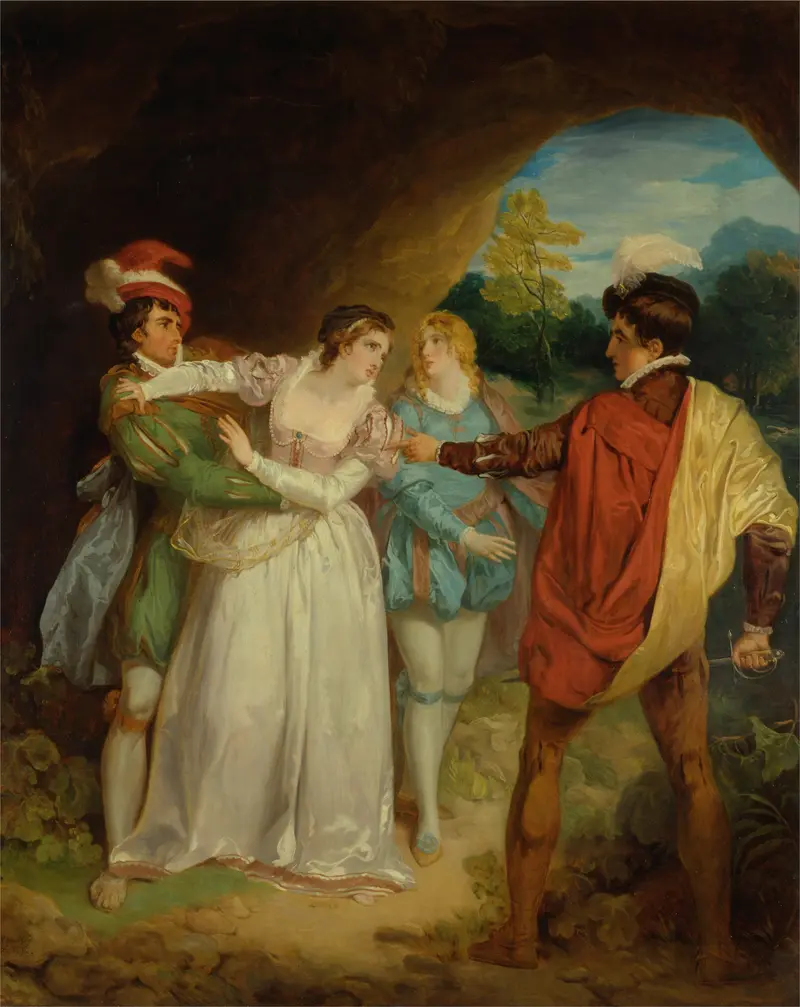
Valentine rescuing Silvia from Proteus, from Shakespeare’s ‘The Two Gentlemen of Verona,’ Act V, Scene 4, the Outlaws’ Cave
Francis Wheatley
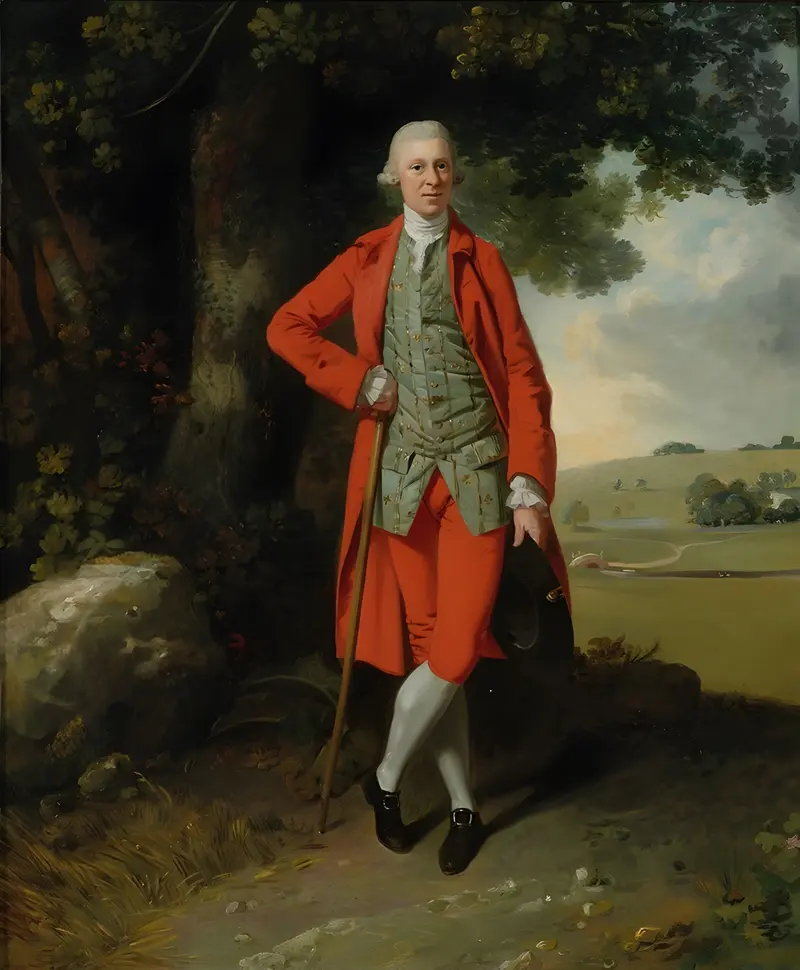
Portrait of A Country Squire, Said To Be Stephen Sullivan of Ponsbourne Park
Francis Wheatley
More Genre Scene Art

Banquet of the Officers of the St George Civic Guard
Frans Hals

Rembrandt and Saskia in the Scene of the Prodigal Son
Rembrandt van Rijn

Bal du moulin de la Galette
Pierre-Auguste Renoir

Quadrille at the Moulin Rouge
Henri de Toulouse-Lautrec

A Burial at Ornans
Gustave Courbet

When Will You Marry?
Paul Gauguin