
Jester and Two Bathing Women — History & Facts
In a world on the brink of revolution, what secrets linger beneath the surface of playful jesters and bathing figures? The juxtaposition of lightheartedness and hidden truths invites us to explore the depths of this intriguing moment. Look to the left at the jester, his vibrant outfit clashing with the serene nudity of the women. The artist employs delicate brushwork to capture the intricate folds of the garments, while soft, muted tones envelop the figures in a warm embrace. Notice how the light falls upon the water, accentuating the gentle curves and illuminating facets of intimacy and vulnerability.
This careful composition draws the eye toward the interplay of laughter and contemplation, capturing a fleeting yet profound connection. The scene whispers of hidden layers; the jester’s playful demeanor conceals a deeper commentary on societal norms, while the women’s poised solitude hints at the complexities of femininity. The contrast between the jester’s exuberance and the tranquil bathers evokes tension, suggesting that laughter often masks greater struggles. Each brushstroke seems to echo the unspoken realities of a society teetering between jest and upheaval—a reminder that the most profound truths are often veiled in humor. In 1541, the artist painted this work amidst the socio-political shifting landscape of Europe, characterized by rising tensions between the established order and new ideas.
Living in Nuremberg, Beham was deeply influenced by the Reformation, an era of profound change that challenged traditional beliefs and artistic expressions. His work reflects this turbulent backdrop, as he navigated the delicate balance between personal expression and the unfolding revolution.
More Artworks by Hans Sebald Beham
Browse all →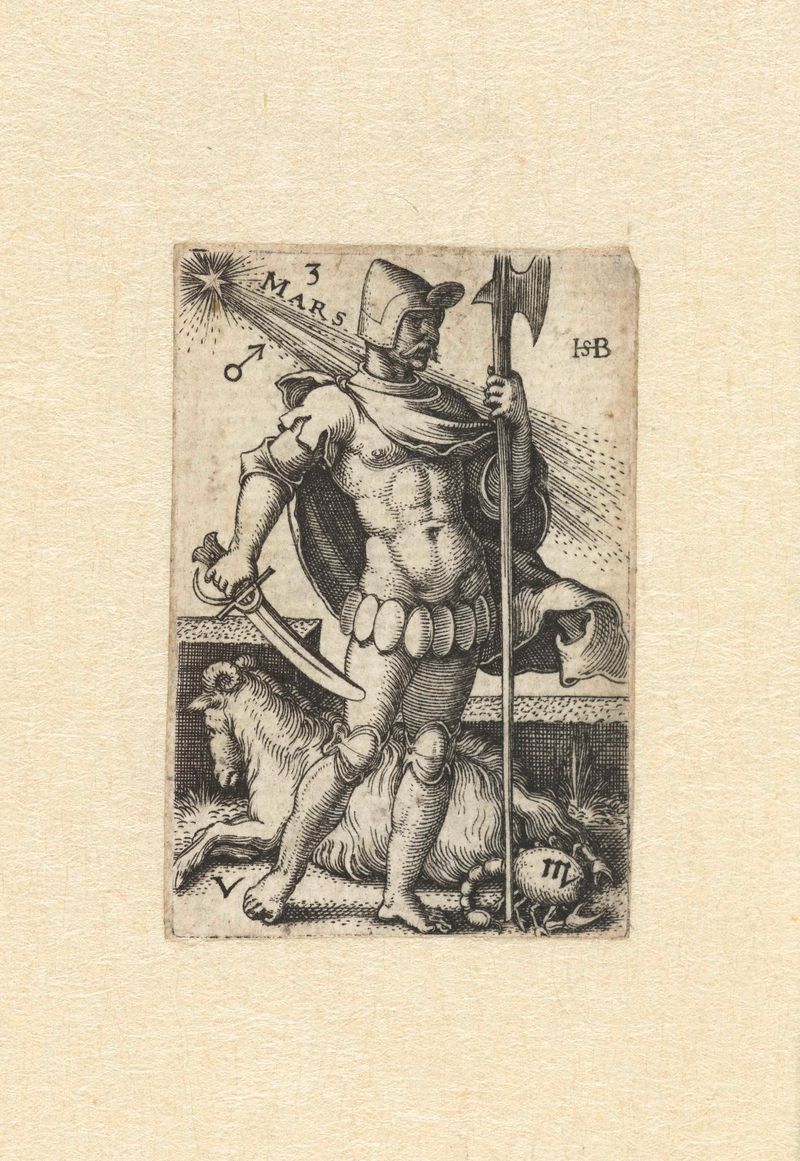
Mars met sterrenbeelden Ram en Schorpioen
Hans Sebald Beham

Achilles in gevecht met Hector
Hans Sebald Beham
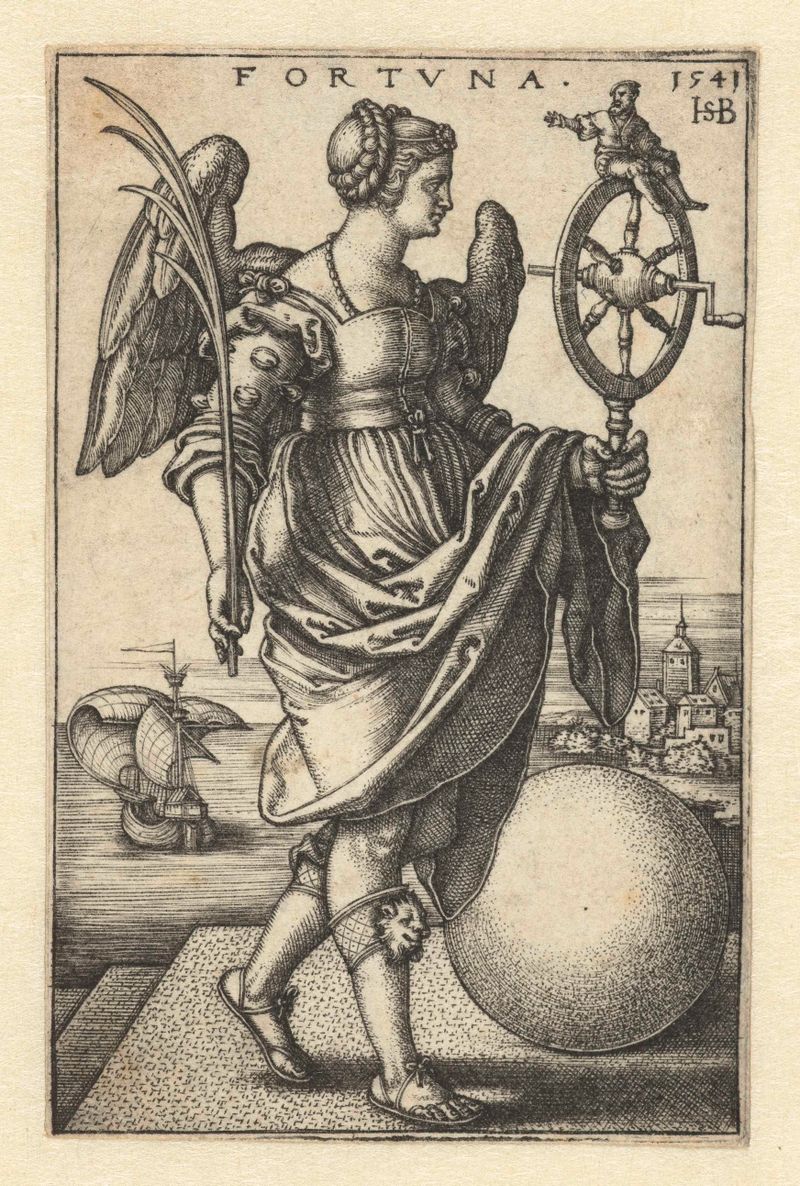
Fortuna
Hans Sebald Beham

Hercules worstelt met Antaeus
Hans Sebald Beham

Twee muzikanten met schalmey en doedelzak
Hans Sebald Beham

Voorzichtigheid (Prudentia)
Hans Sebald Beham

Hercules in gevecht met de Trojanen
Hans Sebald Beham
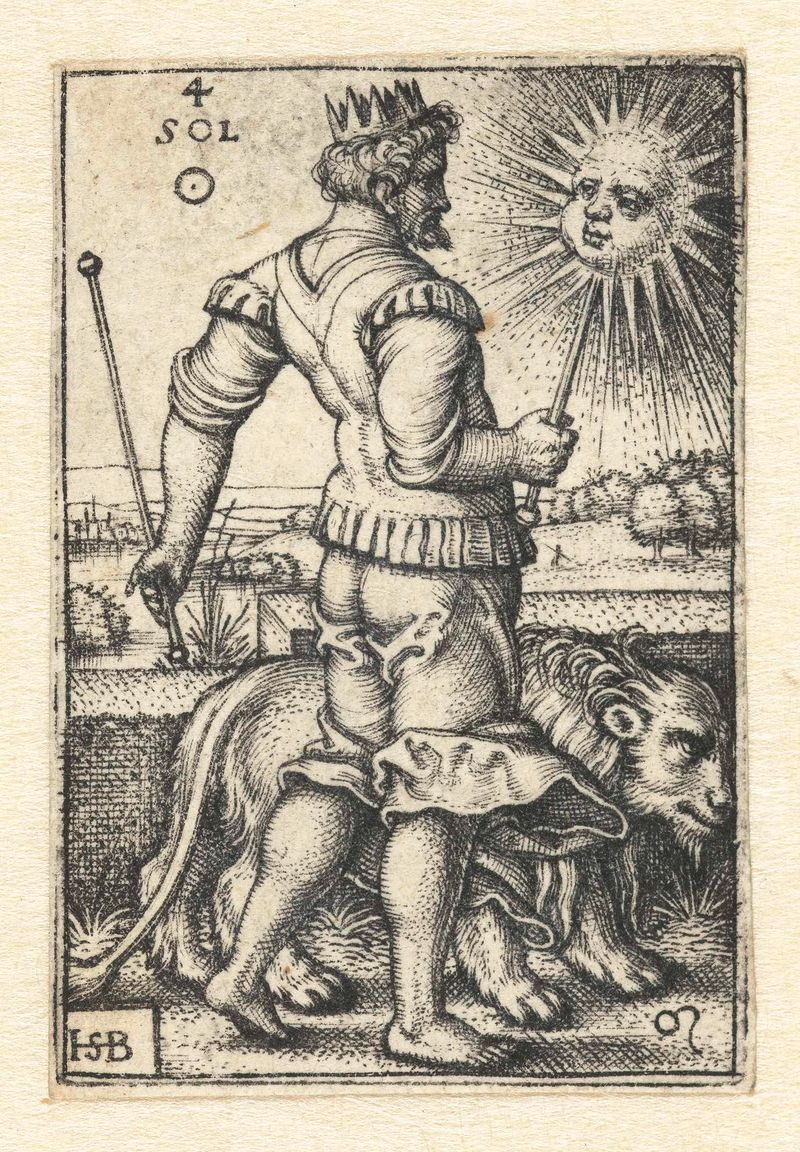
Apollo (Sol) met sterrenbeeld Leeuw
Hans Sebald Beham
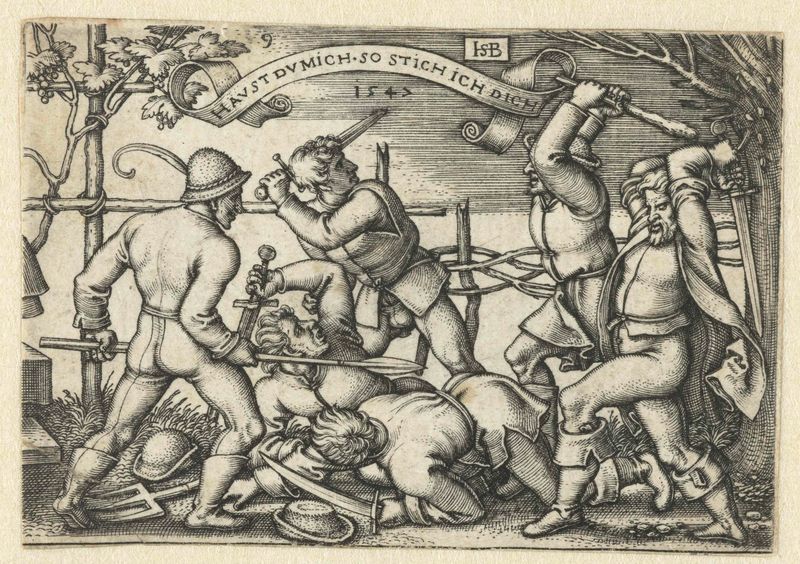
Vechtende boeren met zwaarden
Hans Sebald Beham
Hercules in gevecht met centaurs
Hans Sebald Beham





