
Job op de mestvaalt — History & Facts
This sentiment resonates deeply in the intricate work of Job op de mestvaalt, where splendor and suffering intertwine seamlessly. Look to the center of the piece, where Job, enveloped in a cloak of tattered fabric, sits amidst his despair, illuminated by a soft, ethereal glow. The meticulous detail in Dürer's depiction of Job's gaunt face and weary hands draws us into his world of anguish. Surrounding him, the rich textures of the earth and the delicate rendering of foliage contrast sharply with his plight, highlighting the tension between the lush beauty of nature and the inevitable suffering of the human condition. As you explore further, notice how the golden hues of the sky seem to mock Job’s affliction, casting a divine light that appears both oppressive and hopeful.
The small figures of his friends whispering nearby serve as a reminder of the isolation that often accompanies grief. This juxtaposition of vibrant colors against the somber scene reveals a complex dialogue between faith and doubt, urging us to consider the broader implications of human suffering and divine justice. In 1509, Dürer was immersed in the exploration of human emotion and spirituality, reflecting the turbulence of his time marked by religious reformation and philosophical inquiry. Created in Nuremberg, this work exemplifies his mastery of woodcut technique, as well as his capacity to evoke deep emotional resonance through visual storytelling.
More Artworks by Albrecht Dürer
Browse all →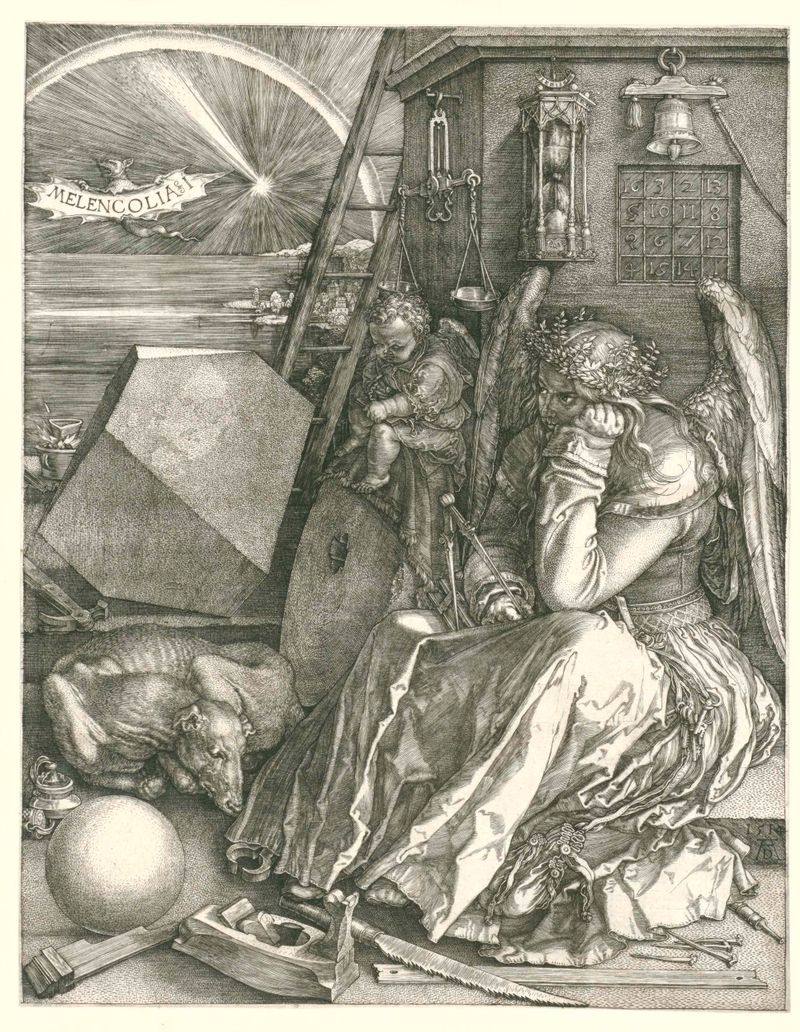
Melancholia
Albrecht Dürer
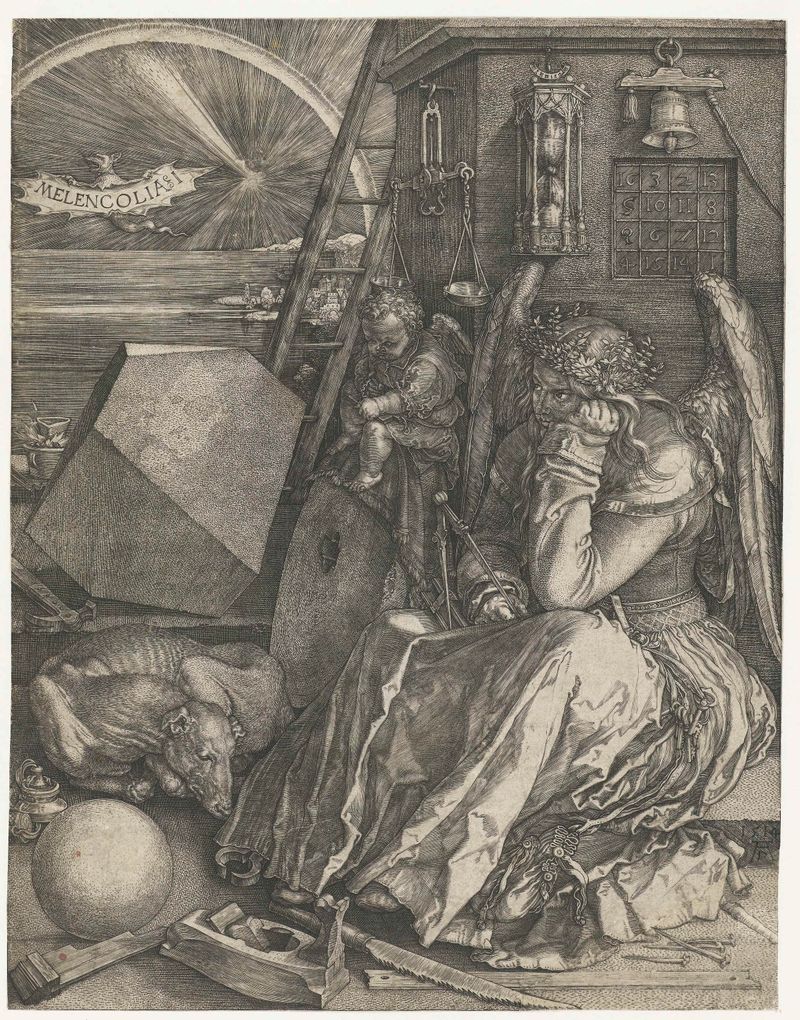
Melancholie
Albrecht Dürer
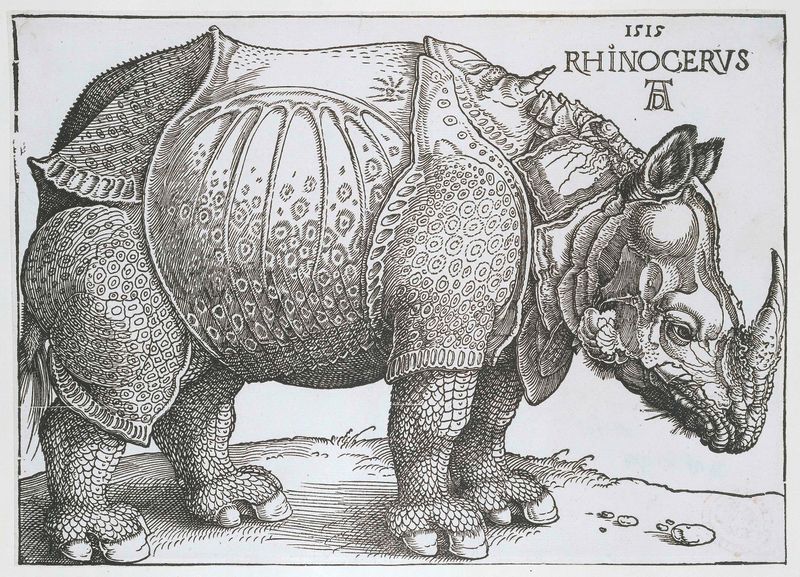
Neushoorn
Albrecht Dürer
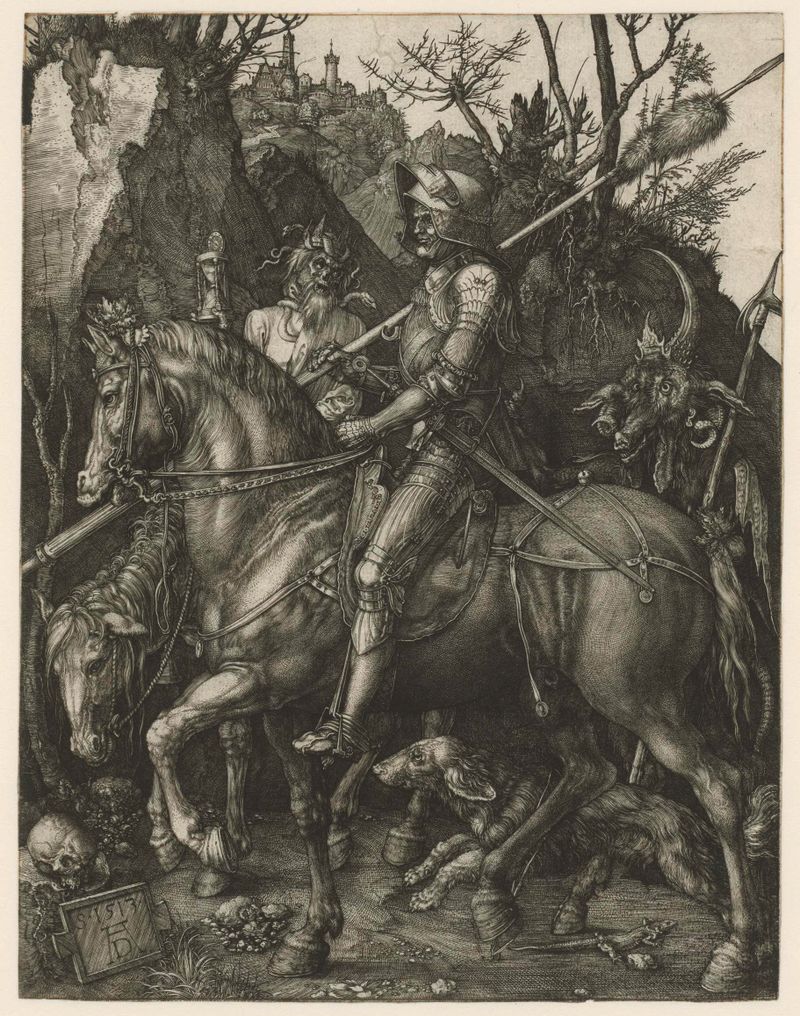
Knight, Death, and the Devil
Albrecht Dürer

De vier ruiters van de apocalyps
Albrecht Dürer
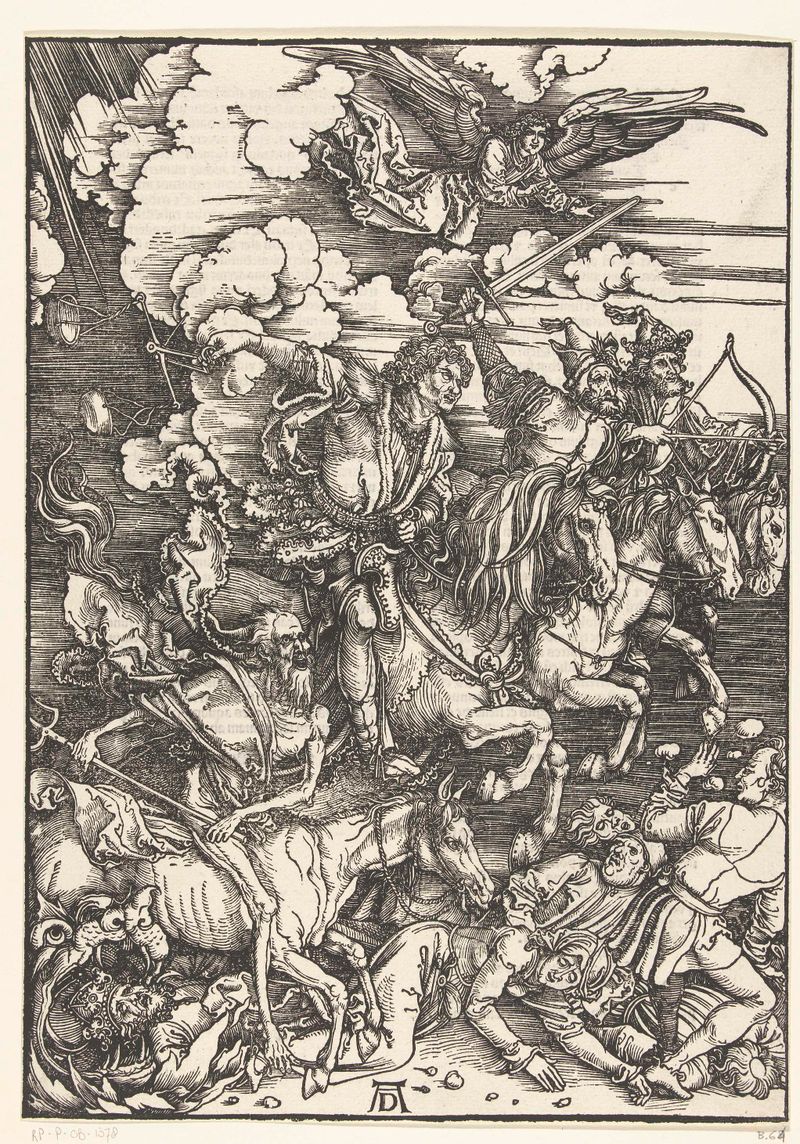
De vier ruiters van de apocalyps
Albrecht Dürer
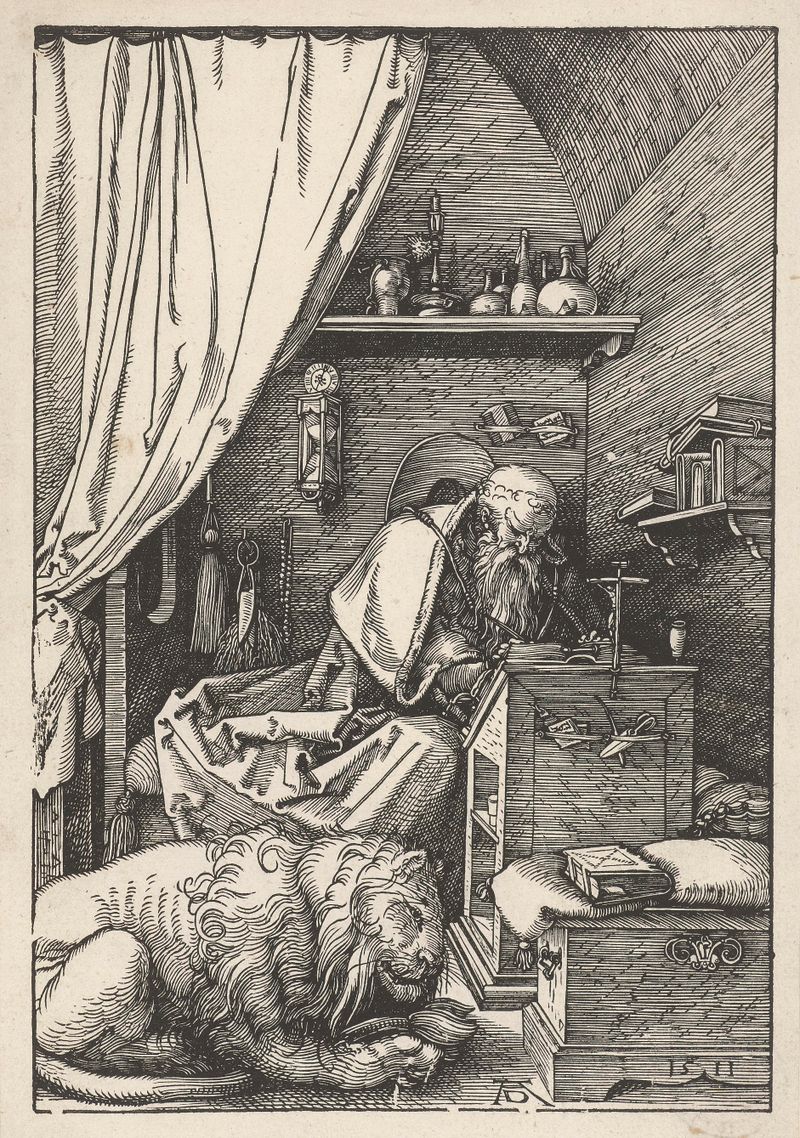
De Heilige Hiëronymus in zijn studeervertrek
Albrecht Dürer
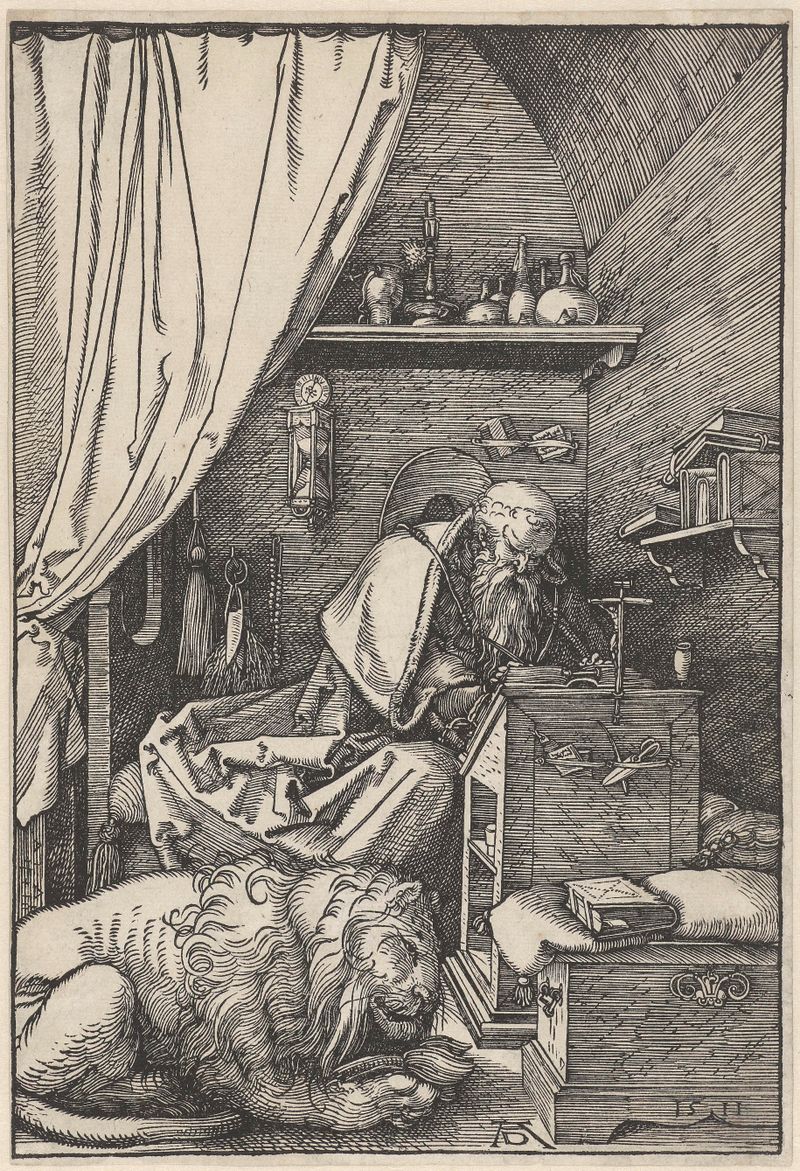
De Heilige Hiëronymus in zijn studeervertrek
Albrecht Dürer
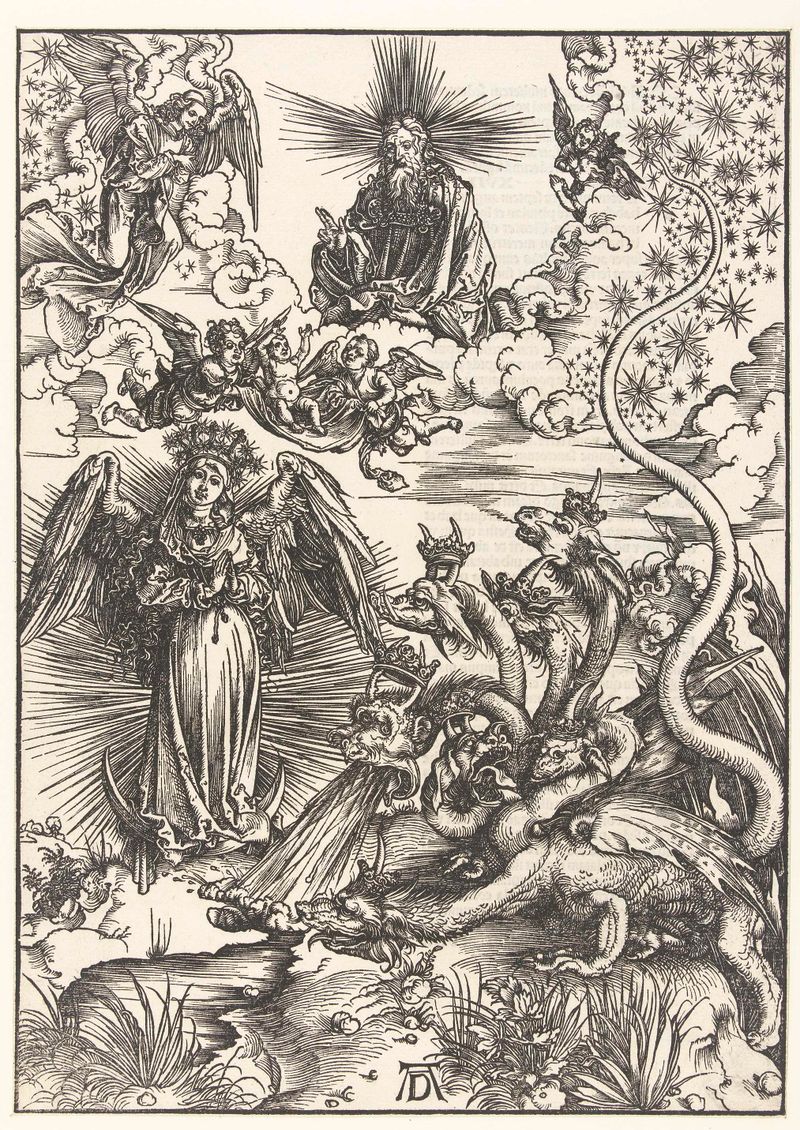
De apocalyptische vrouw en de zevenkoppige draak
Albrecht Dürer
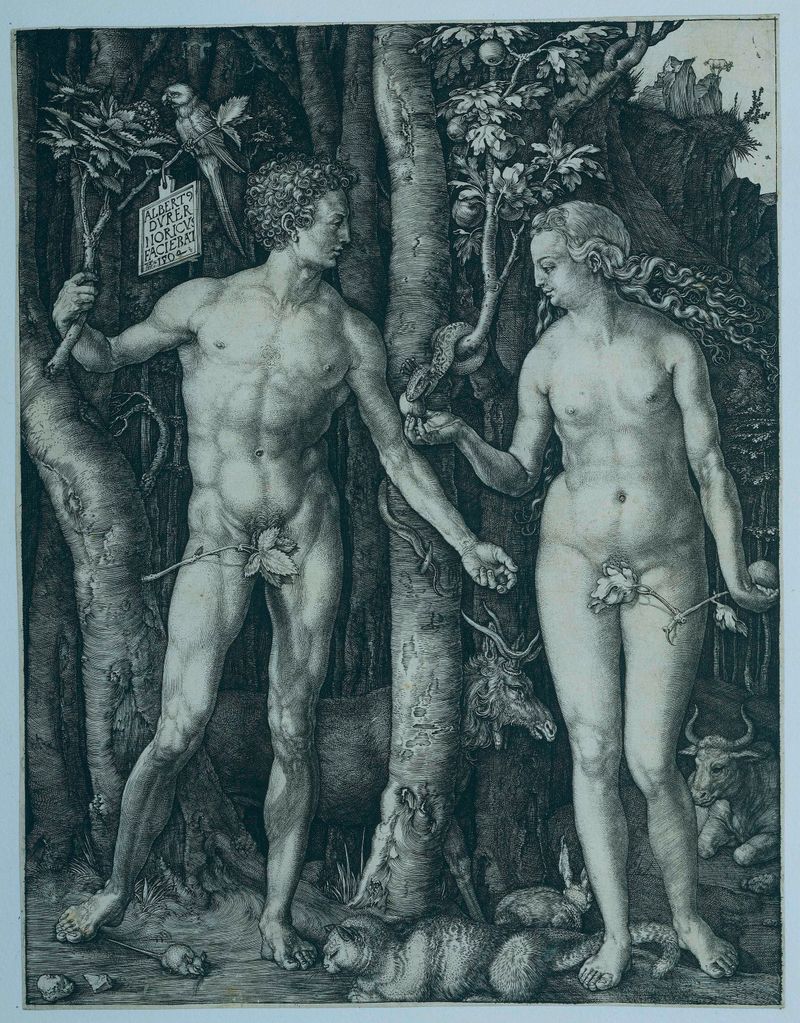
Adam en Eva
Albrecht Dürer
More Religious Art
Browse all →
The Return of the Prodigal Son
Rembrandt van Rijn

The Garden of Earthly Delights
El Bosco

Count Orgaz’ funeral
El Greco

The Hundred Guilder Print: the central piece with Christ preaching, the plate arched
Rembrandt van Rijn

The Descent from the Cross
Rogier van der Weyden

The return of the prodigal son
Rembrandt van Rijn