
Johanne Henriette Tidemand — History & Facts
It is the eyes that first draw you in—a gaze at once direct and gently amused, as if the sitter has just caught the viewer in a private joke. The sweep of light across her face, softly modeling the lines of age and experience, gives her presence a quiet authority. The crisp white of her lace cap and collar, rendered with almost tactile precision, frames her features and sets them apart from the darkness behind, as if she emerges from memory itself.
Every fold of fabric, every careful curl of hair beneath the cap, seems chosen to speak of dignity and care, but it is the slight upturn of her mouth that lingers, hinting at a warmth that outlasts the moment. Portraits like this one, painted in 1849 by Adolph Tidemand, belong to a tradition that valued the depiction of family and personal legacy as much as public achievement. In the mid-19th century, such works were often commissioned to honor parents or elders, capturing not only likeness but also the virtues admired in domestic life—restraint, wisdom, and affection. The sitter, Johanne Henriette Tidemand, is recorded as the artist’s mother, her identity and years carefully noted by the Norsk portrettarkiv.
While history has kept few traces of the painting’s journey, its presence in the Riksantikvaren collection today invites us to look closer, to find the story of a family and an era written not in grand gestures, but in the quiet confidence of a mother’s gaze.
More Artworks by Adolph Tidemand

Bridal Procession on the Hardangerfjord
Adolph Tidemand
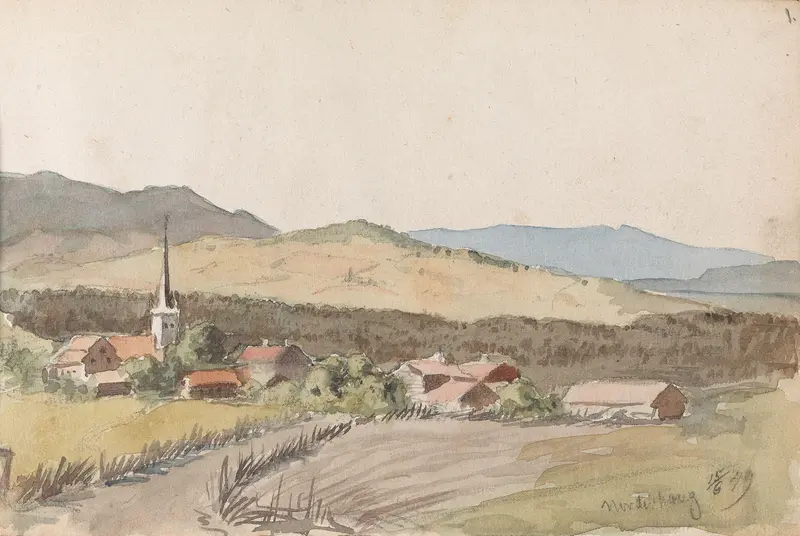
Fra Haugsbygd
Adolph Tidemand
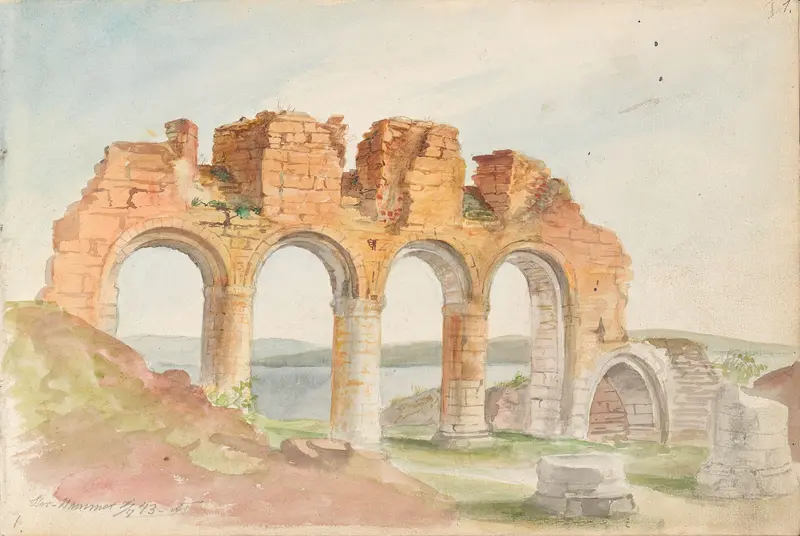
Domkirkeruinen, Hamar
Adolph Tidemand
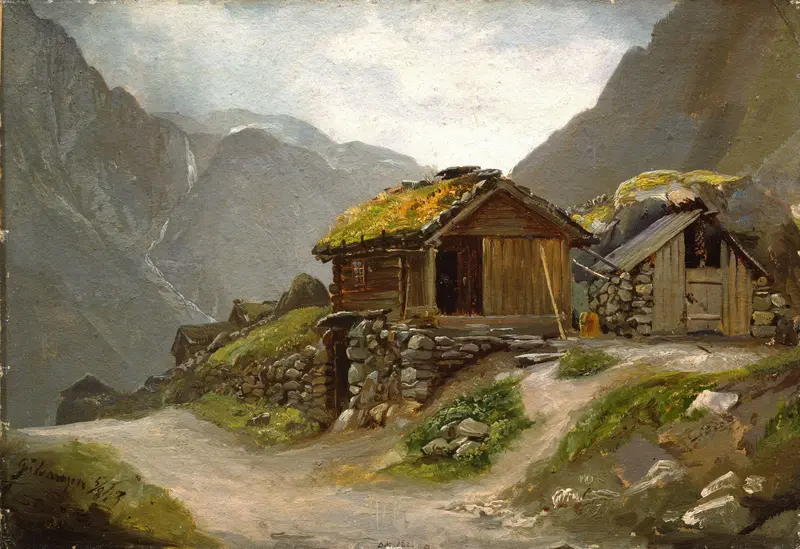
View from Gudvangen
Adolph Tidemand

View of Gudvangen
Adolph Tidemand
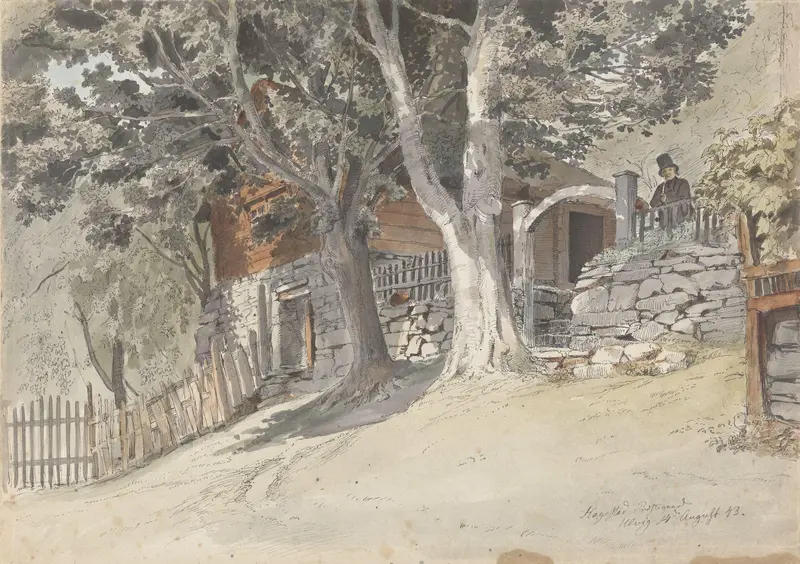
Hagestad prestegård, Ulvik i Hardanger
Adolph Tidemand
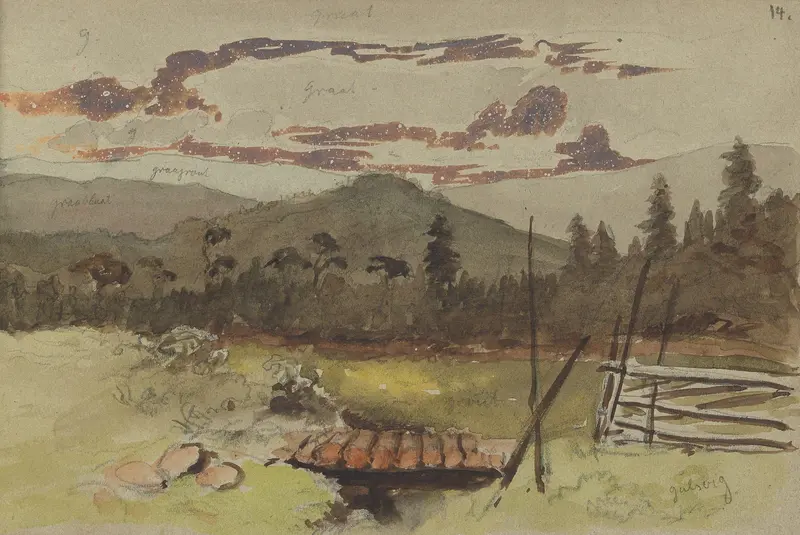
Fra Gulsvik
Adolph Tidemand
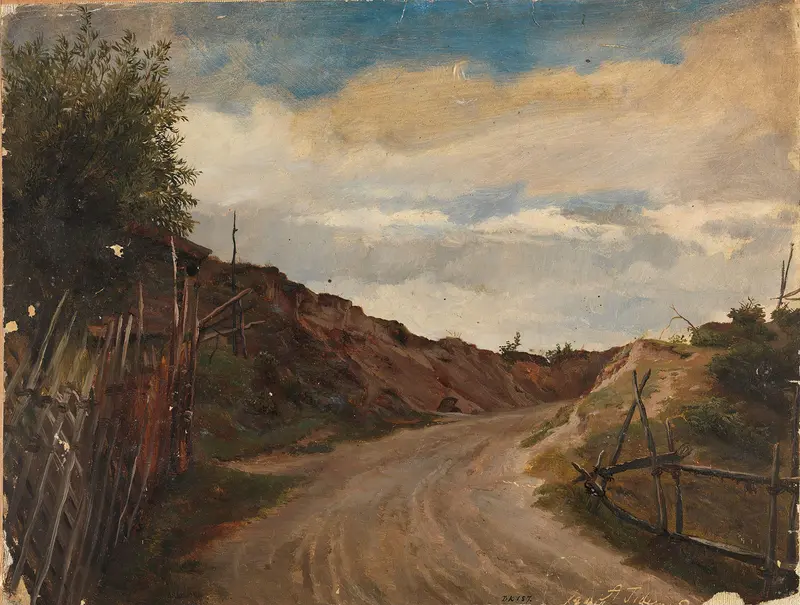
Country Road
Adolph Tidemand
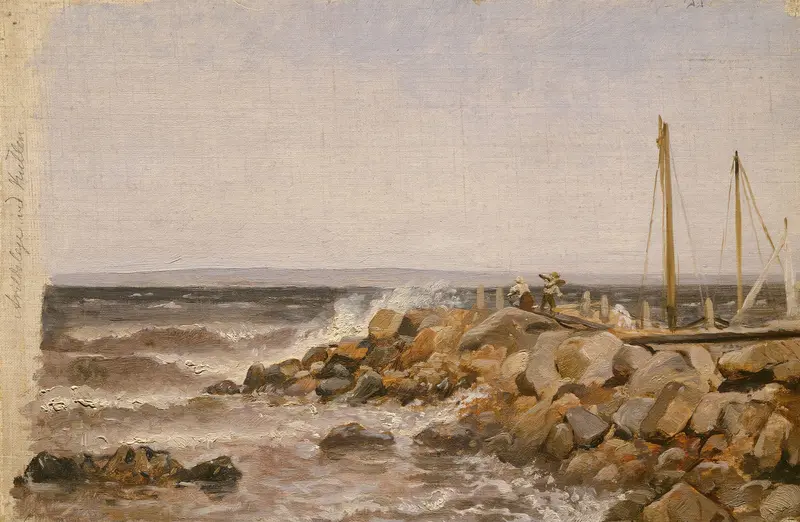
From Kullen in Sweden
Adolph Tidemand
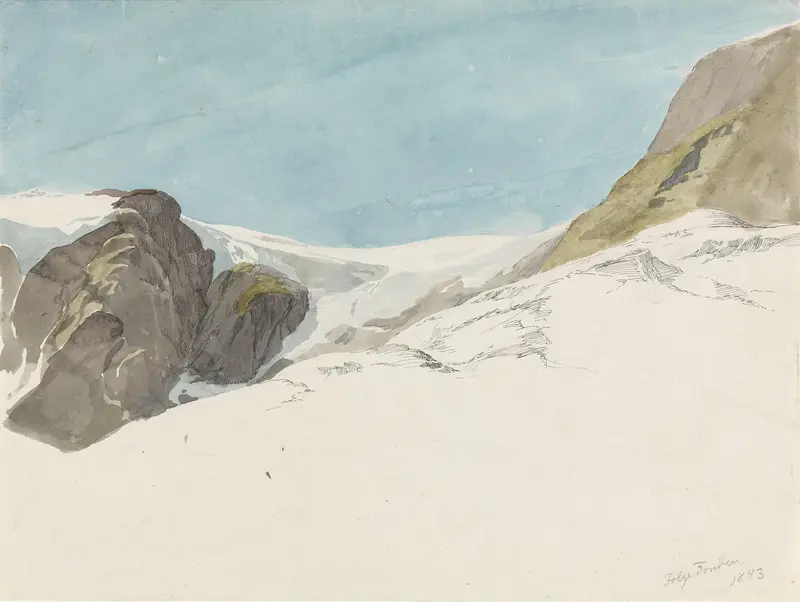
Untitled
Adolph Tidemand





