
Johannes de Evangelist aanschouwt de aanbidding van het lam — History & Facts
When did color learn to lie? In the world of art, every hue bears witness, yet some, like the luminous tones of Dürer’s work, awaken deeper truths and concealed narratives. Focus on the central figure, the beloved disciple, as he gazes in awe upon the celestial Lamb. The intricate details of his expression encapsulate a moment of divine revelation, drawing your eye to his reverent posture. Look closely at the lamb itself, surrounded by a radiant halo, its purity illuminated by a soft, divine light that contrasts starkly against the darker, ominous background.
Dürer’s masterful use of color and line not only defines form but also breathes life into the spiritual experience, enveloping the viewer in a sacred atmosphere. The emotional tension in this piece lies in its juxtaposition of humanity and divinity. The soft, delicate rendering of the Lamb reflects innocence and sacrifice, while the crowd's varying expressions range from wonder to despair, illustrating the spectrum of faith and doubt. Each figure stands not just as an observer, but as a participant in this sacred moment, merging the spiritual with the earthly.
The intricate details of their clothing and gestures serve to enhance the viewer's immersion, prompting reflection on individual faith amidst collective reverence. Created in 1511, this work emerged during a period of significant transition in the art world, as Northern Renaissance artists began to explore more complex themes of spirituality and humanity. Dürer, living in Nuremberg, was at the forefront of this movement, employing innovative techniques that melded intense realism with profound symbolism. In a time when Europe grappled with religious upheaval, this piece encapsulated a moment of awakening, where the divine and the emotional converged in a striking visual narrative.
More Artworks by Albrecht Dürer
Browse all →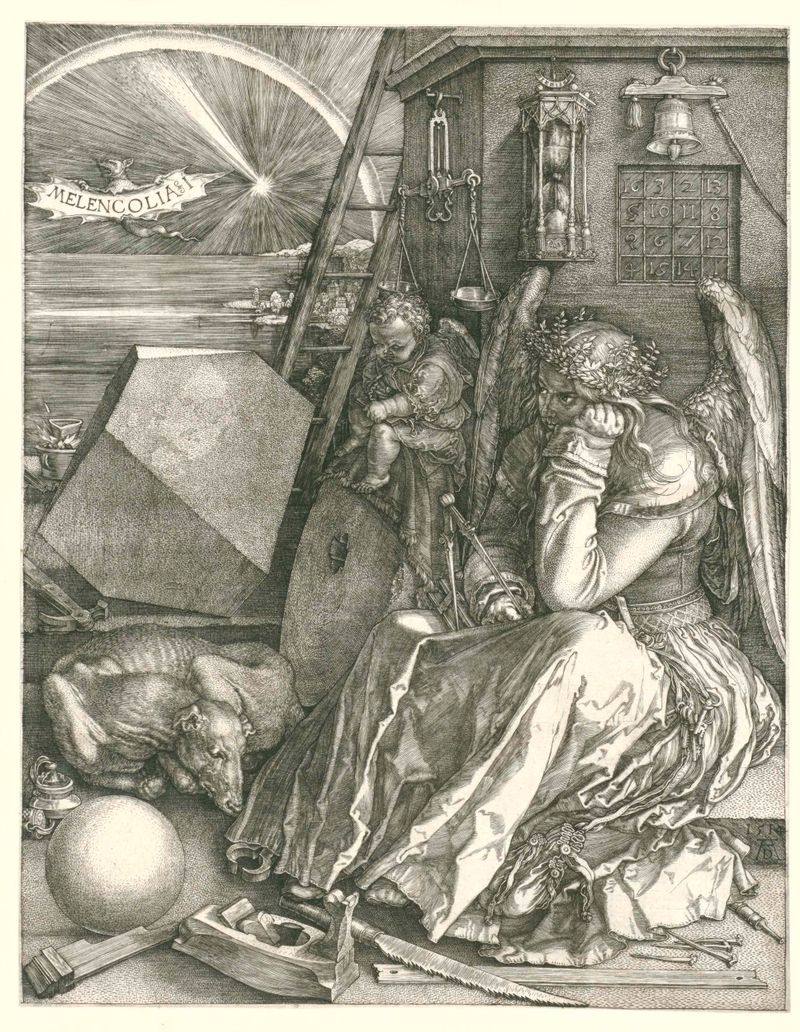
Melancholia
Albrecht Dürer
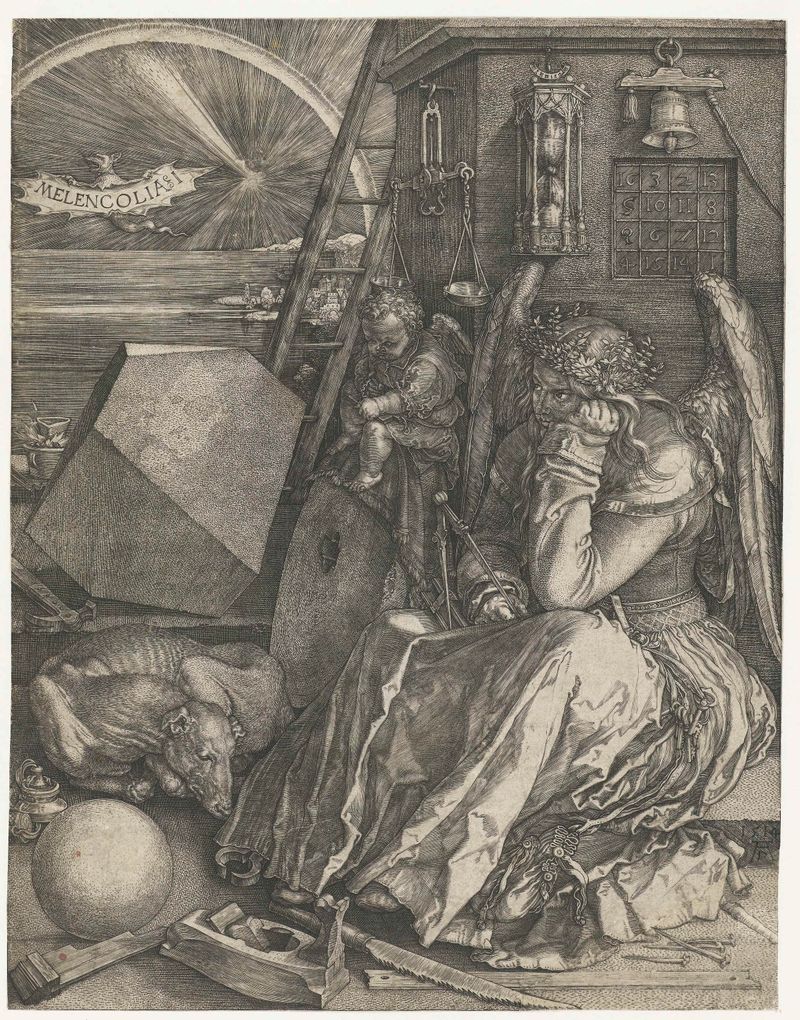
Melancholie
Albrecht Dürer
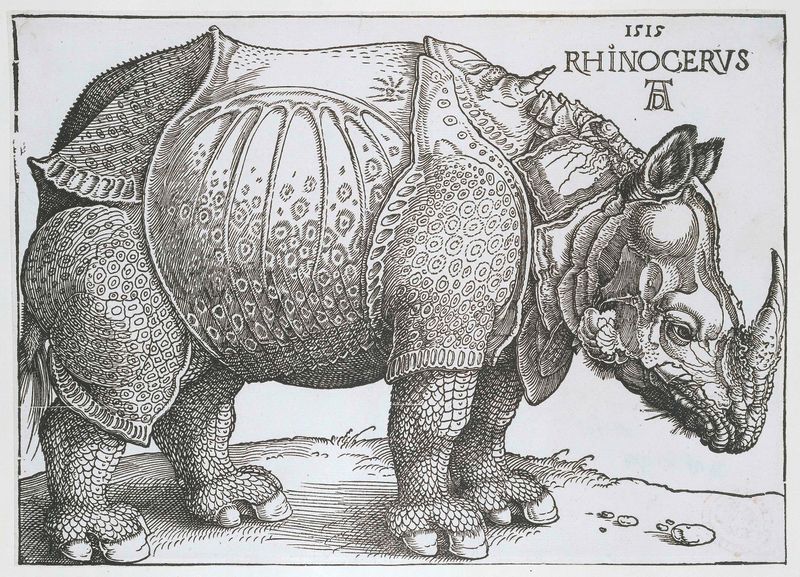
Neushoorn
Albrecht Dürer
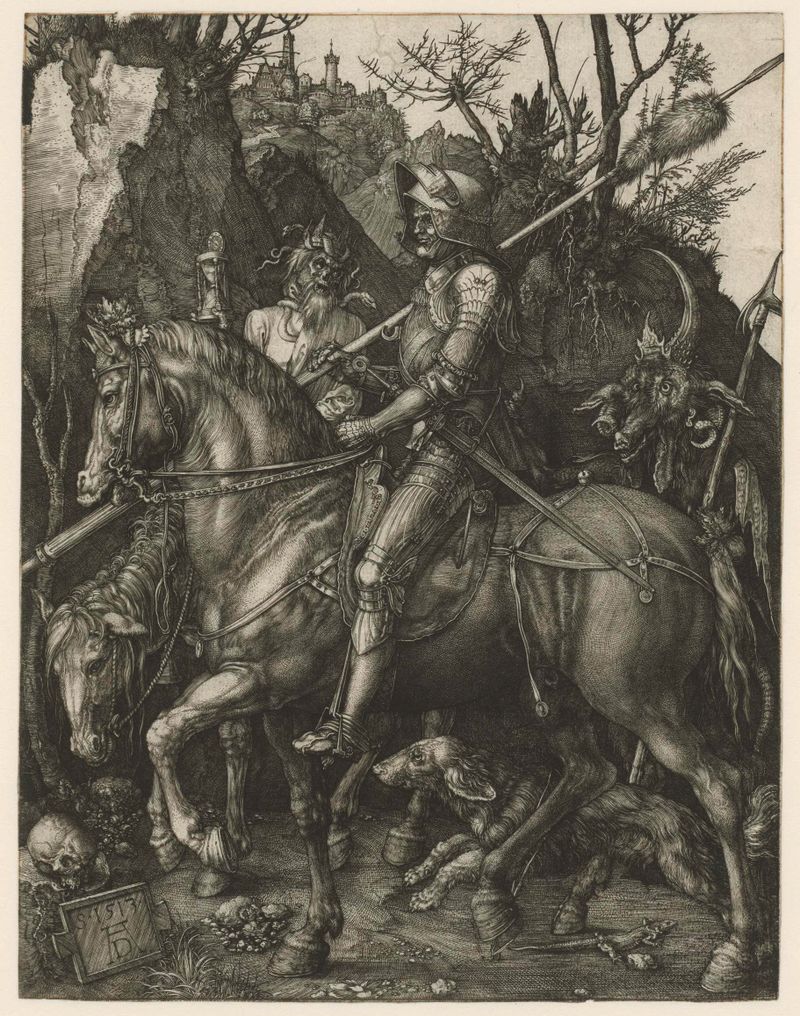
Knight, Death, and the Devil
Albrecht Dürer

De vier ruiters van de apocalyps
Albrecht Dürer

De vier ruiters van de apocalyps
Albrecht Dürer
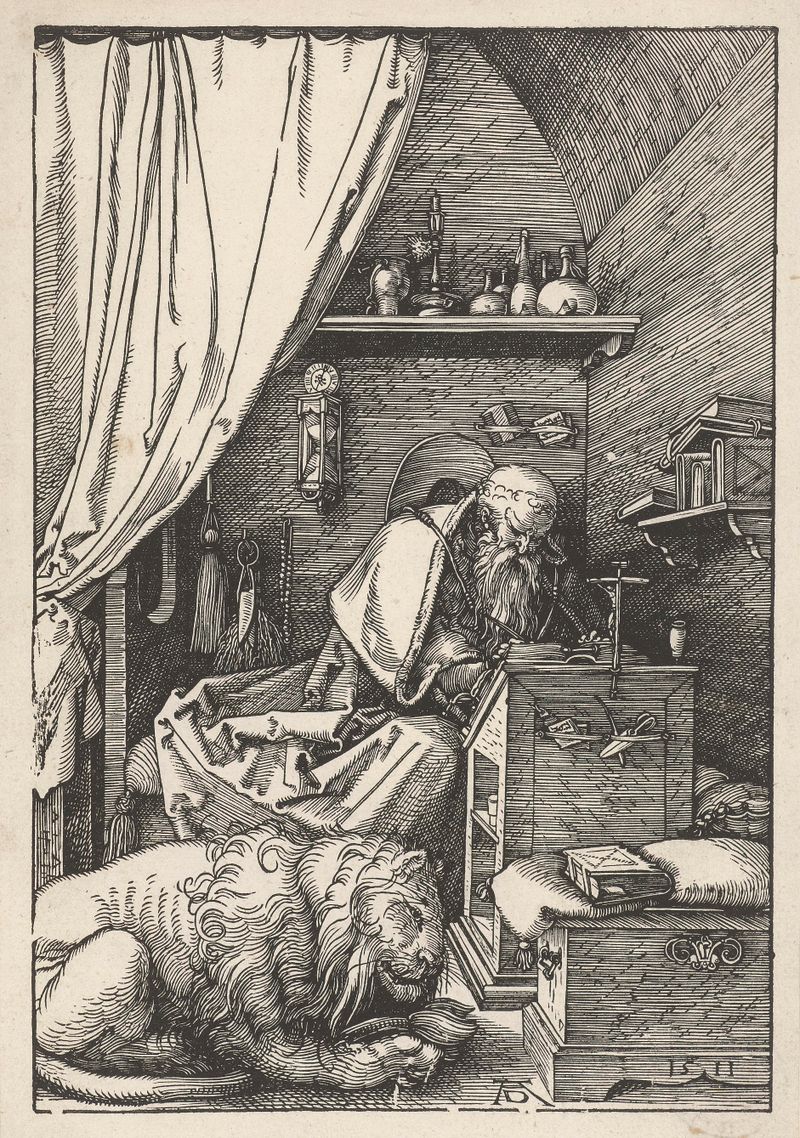
De Heilige Hiëronymus in zijn studeervertrek
Albrecht Dürer
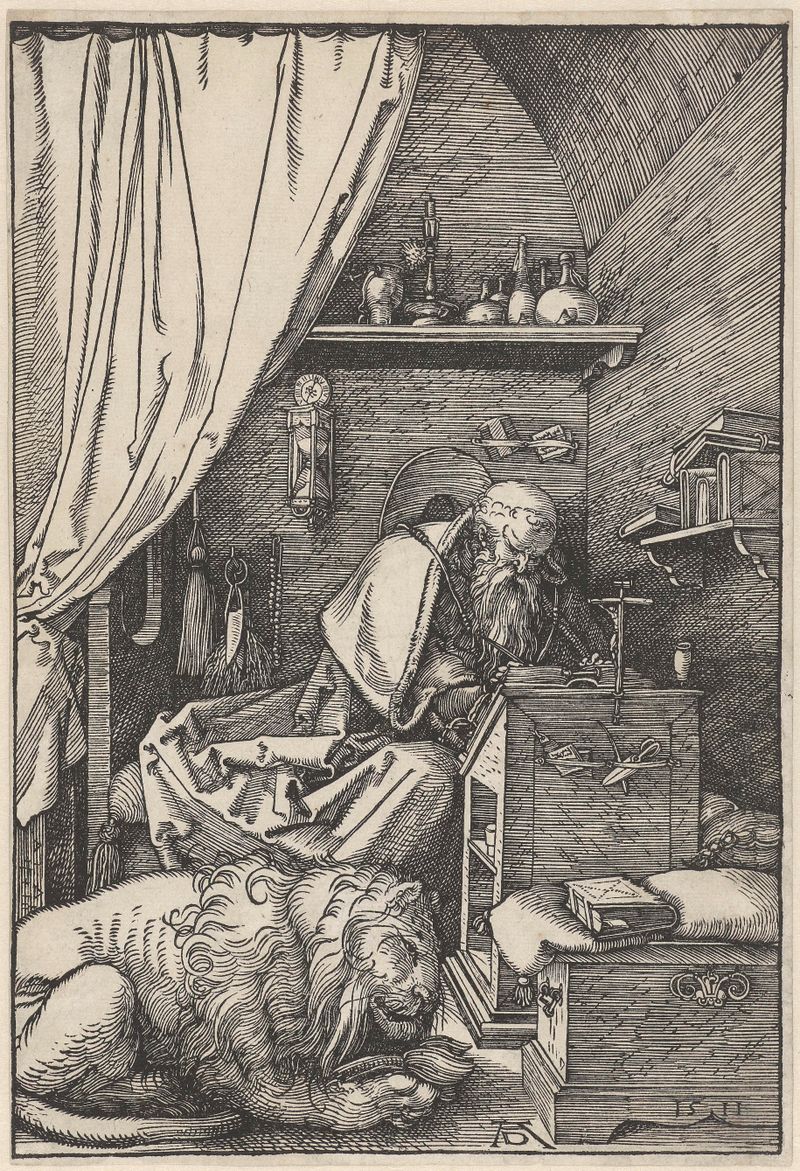
De Heilige Hiëronymus in zijn studeervertrek
Albrecht Dürer
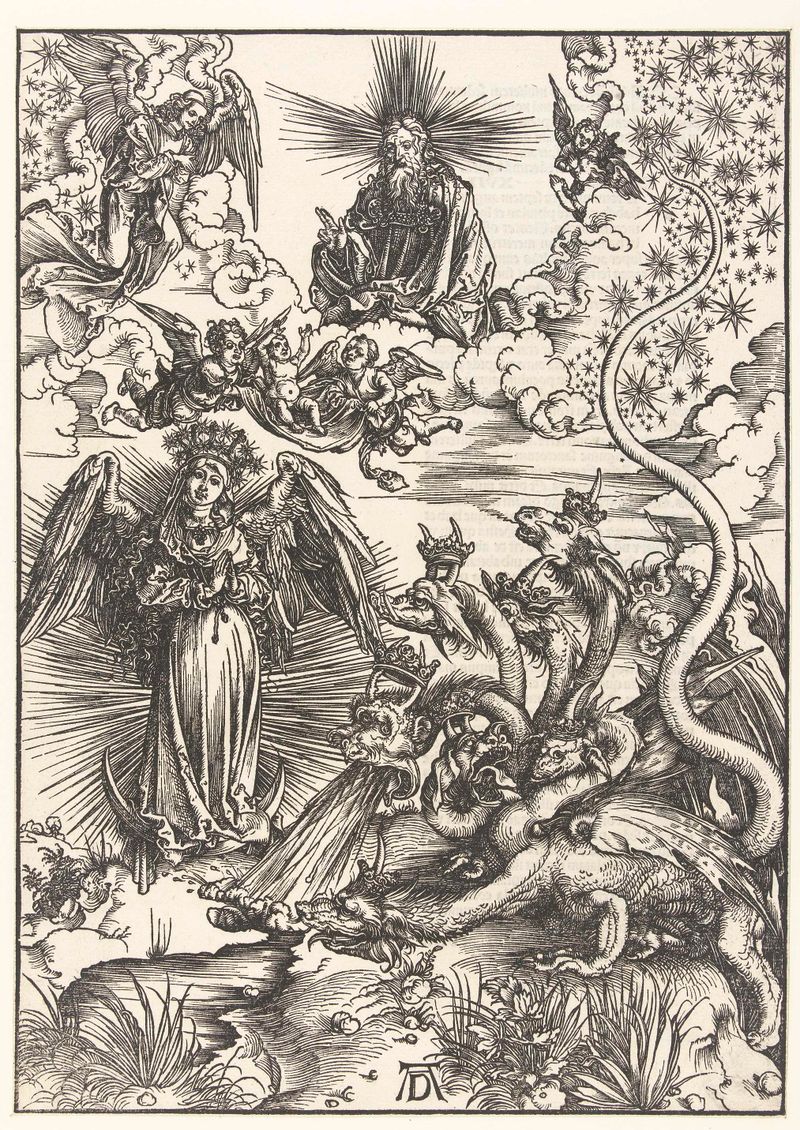
De apocalyptische vrouw en de zevenkoppige draak
Albrecht Dürer
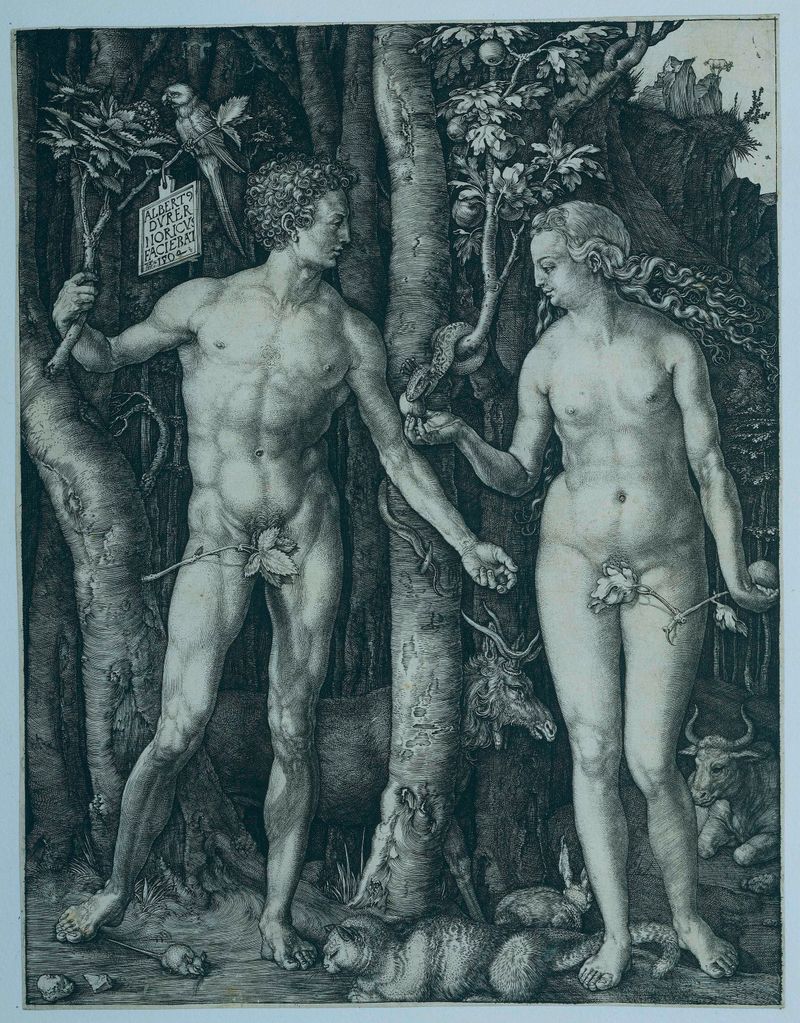
Adam en Eva
Albrecht Dürer
More Religious Art
Browse all →
The Return of the Prodigal Son
Rembrandt van Rijn

The Garden of Earthly Delights
El Bosco

Count Orgaz’ funeral
El Greco

The Hundred Guilder Print: the central piece with Christ preaching, the plate arched
Rembrandt van Rijn

The Descent from the Cross
Rogier van der Weyden

The return of the prodigal son
Rembrandt van Rijn