
Johannes de Evangelist knielt voor Christus temidden van zeven kandelaars — History & Facts
In a world where decay is inevitable, how do we preserve the sanctity of the moment? Look closely at the central figure, Johannes, kneeling in reverence before Christ amidst the seven candlesticks. The stark contrast between light and shadow draws your eye to the delicate interplay of spirituality and mortality. The candlesticks, rendered in meticulous detail, evoke a sense of transience; each flickering flame dances, both illuminating and vanishing in the same breath.
The rich color palette—a blend of deep browns, soft golds, and muted greens—further enhances this paradox of life’s vibrancy amid the looming specter of decay. As you explore the surrounding elements, notice the textures of the garments and the intricate woodwork. Each stitch and grain conveys not just artistry but a commentary on the passage of time. The seven candlesticks represent completion and divine revelation, yet their warmth flickers against the coolness of the figure’s contemplative pose.
This tension between the divine and the temporal suggests a deeper struggle: how faith endures in the face of inevitable dissolution. In 1511, Dürer was entrenched in the German Renaissance, a period marked by profound exploration of humanism and spirituality. At this time, he was returning to Nuremberg after a journey to Venice, grappling with the complexities of his artistic identity amidst burgeoning styles and techniques. The creation of this piece reflects not only his mastery of detail and composition but also the personal and artistic challenges he faced, solidifying his legacy as a pivotal figure in the evolution of Northern Renaissance art.
More Artworks by Albrecht Dürer
Browse all →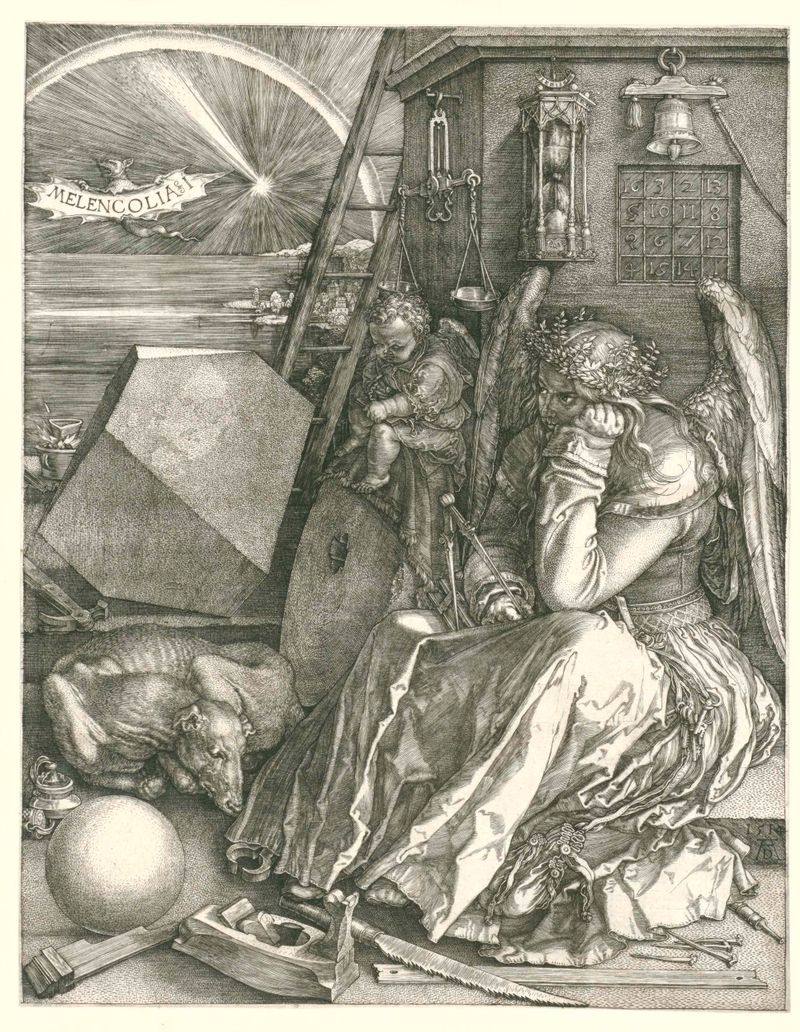
Melancholia
Albrecht Dürer
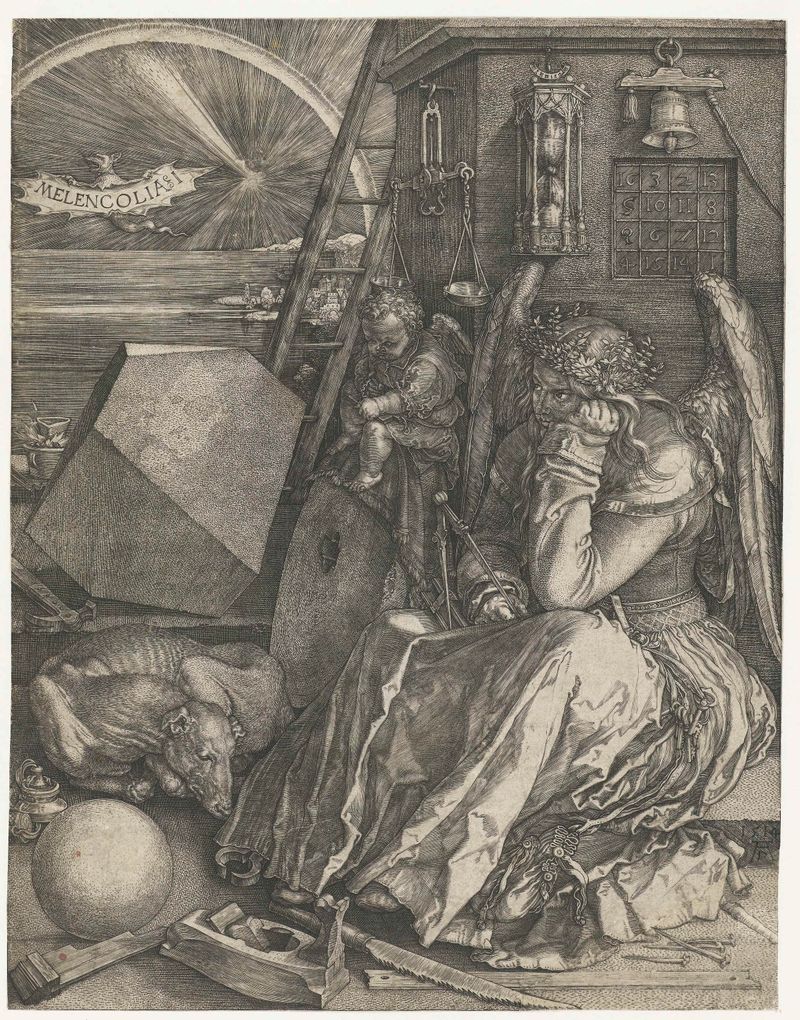
Melancholie
Albrecht Dürer
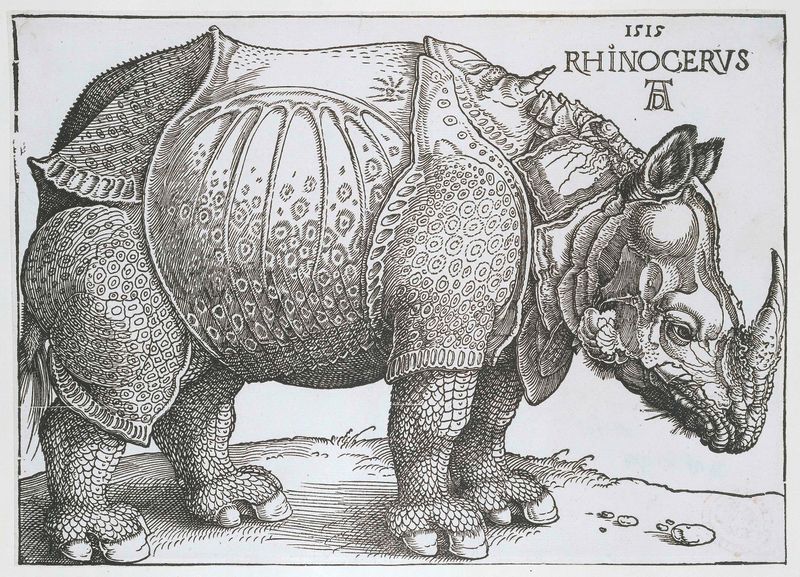
Neushoorn
Albrecht Dürer
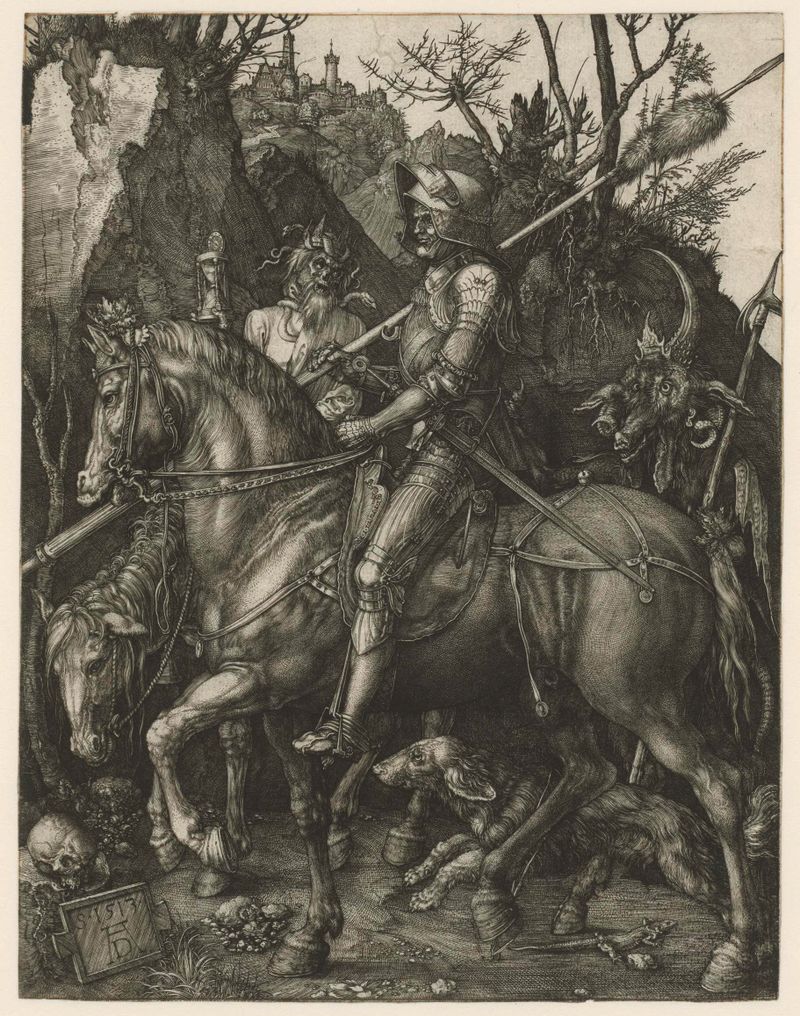
Knight, Death, and the Devil
Albrecht Dürer

De vier ruiters van de apocalyps
Albrecht Dürer

De vier ruiters van de apocalyps
Albrecht Dürer
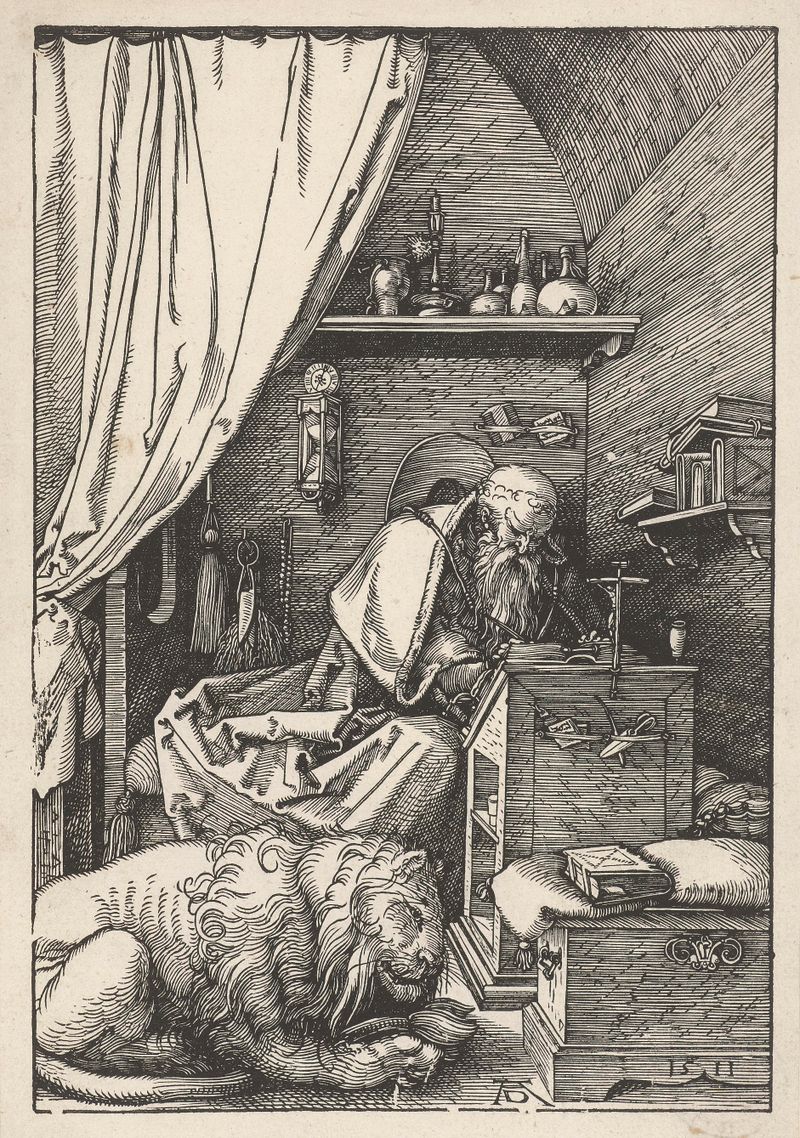
De Heilige Hiëronymus in zijn studeervertrek
Albrecht Dürer
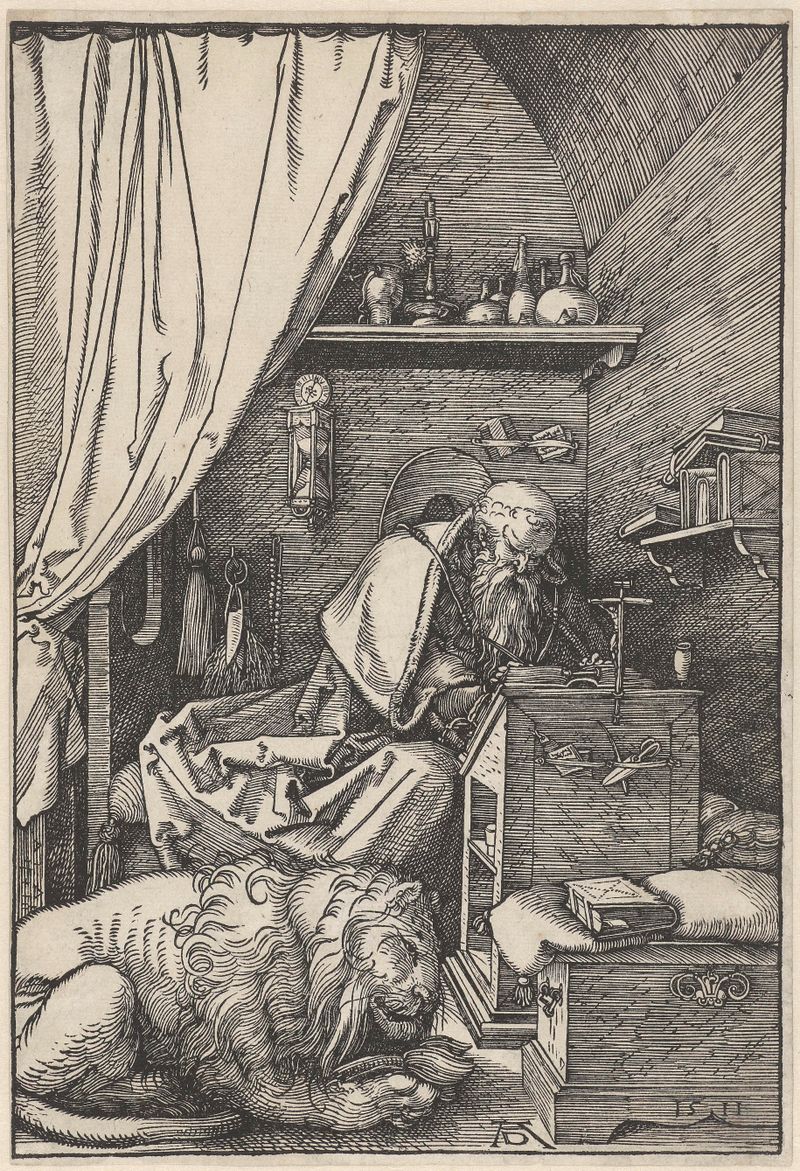
De Heilige Hiëronymus in zijn studeervertrek
Albrecht Dürer
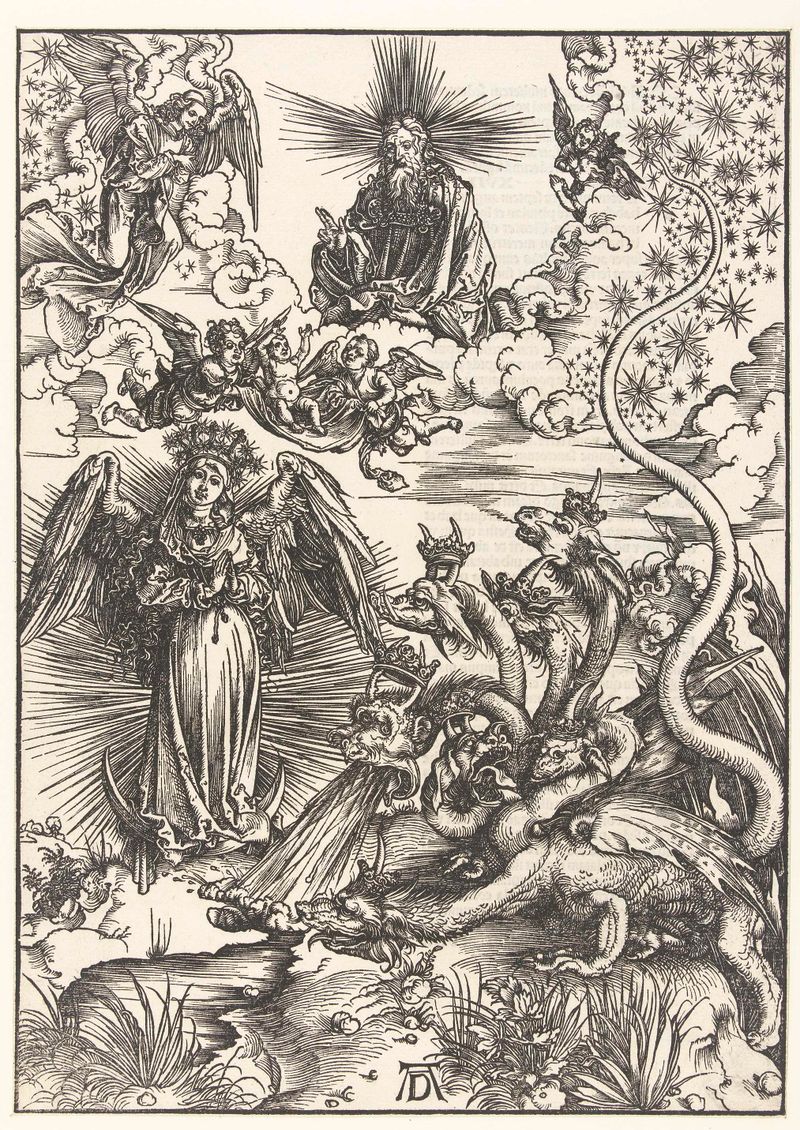
De apocalyptische vrouw en de zevenkoppige draak
Albrecht Dürer
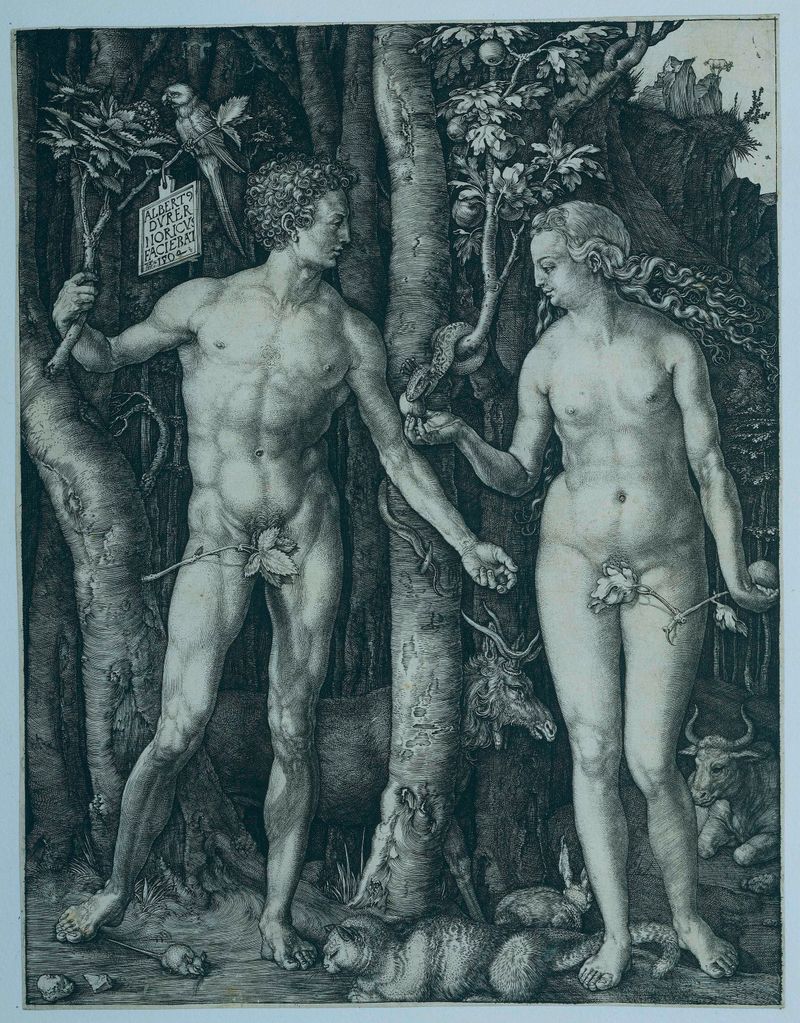
Adam en Eva
Albrecht Dürer
More Religious Art
Browse all →
The Return of the Prodigal Son
Rembrandt van Rijn

The Garden of Earthly Delights
El Bosco

Count Orgaz’ funeral
El Greco

The Hundred Guilder Print: the central piece with Christ preaching, the plate arched
Rembrandt van Rijn

The Descent from the Cross
Rogier van der Weyden

The return of the prodigal son
Rembrandt van Rijn