
John Ruskin (1819-1900) — History & Facts
In a world saturated with noise and ceaseless motion, silence can be a profound revelation, inviting reflection and introspection. Focus your gaze on the serene expression of the subject, where the gentle contours of the face reveal a deep well of thought. Notice how the light delicately bathes one side, creating a soft glow that contrasts with the shadowed areas, emphasizing the complexity of the character captured. The rich, earthy tones of the background add depth, drawing attention to the figure while simultaneously grounding the composition within a naturalistic framework. Beneath the surface, this portrait captures more than just a likeness; it embodies the quiet strength of introspection.
The subtle play of light and shadow speaks to the duality of public persona versus private reflection, allowing the viewer to ponder the thoughts swirling in the artist's mind. The careful brushwork, with its delicate strokes, evokes a sense of reverence, suggesting that silence is not merely the absence of sound but a rich tapestry of emotions waiting to be explored. Created between 1876 and 1880, this work reflects the period of artistic experimentation and introspection for its creator. At the time, the art world was shifting towards capturing emotional truth rather than mere likeness, influenced by the burgeoning Impressionist movement.
Moore, immersed in this rich dialogue about the nature of art, aimed to capture the essence of his subject, John Ruskin, a pivotal figure in the arts and social thought, further enriching the conversation of the era.
More Artworks by Charles Herbert Moore
Browse all →
Mount Washington
Charles Herbert Moore

High Peak and Round Top (Catskill) in Winter
Charles Herbert Moore

The Catskill Mountains
Charles Herbert Moore

Upland Pasture
Charles Herbert Moore
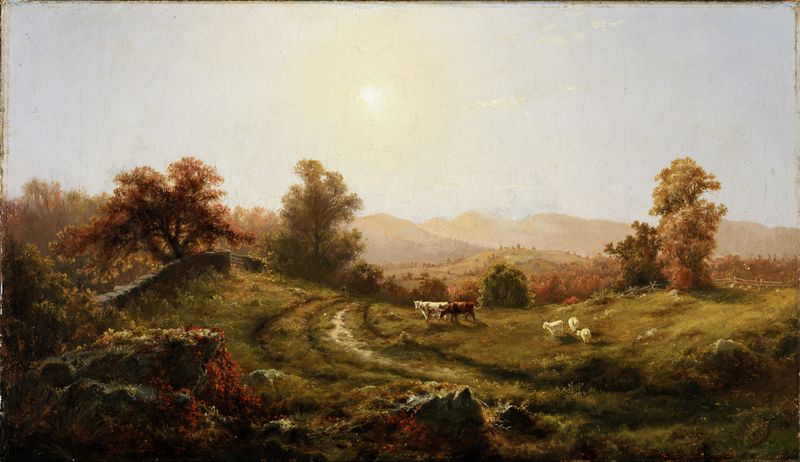
Landscape
Charles Herbert Moore
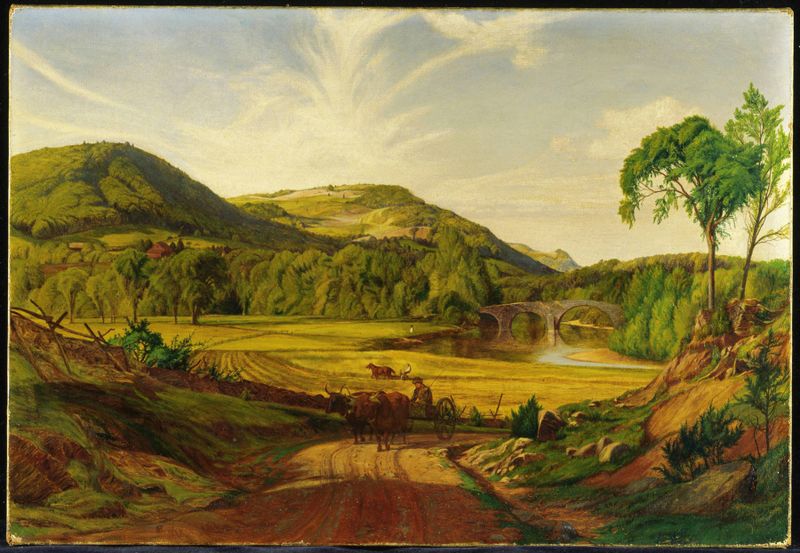
Leeds Bridge
Charles Herbert Moore

Study of the Head of the Sleeping Saint Ursula, after Carpaccio, in the Academy of Venice
Charles Herbert Moore
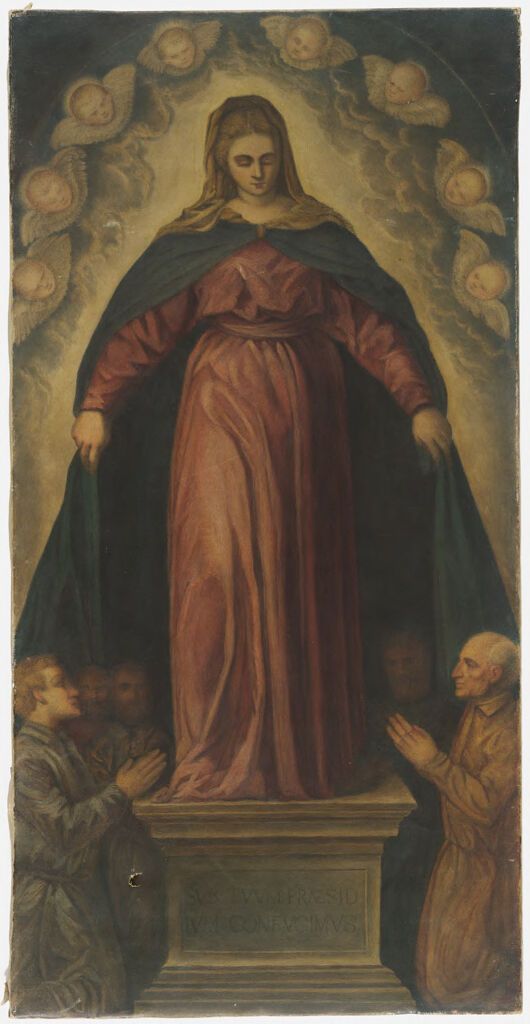
Reduced Study of Tintoret's "Madonna of the Faithful," in the Academy of Venice
Charles Herbert Moore

Study, Reduced to One-Quarter Size, of the Angel in Veronese's Annunciation, in the Uffizi Gallery at Florence
Charles Herbert Moore
More Portrait Art
Browse all →
Las meninas
Diego Velázquez

Self-portrait with a Bandaged Ear and Pipe
Unidentified artist

Girl with a Pearl Earring
Johannes Vermeer

The Sampling Officials of the Amsterdam Drapers’ Guild, Known as ‘The Syndics’
Rembrandt van Rijn

The Hundred Guilder Print: the man seen on the back in the lower left corner
Rembrandt van Rijn

Portrait of Dr Gachet
Vincent van Gogh