
Landscape — History & Facts
In a moment of stillness, a landscape unfolds, inviting viewers to pause and reflect on the beauty of nature's quietude. Look to the foreground, where a serene river meanders, mirroring the soft blues and greens of the sky above. The gentle brushwork creates a delicate interplay between light and shadow, enhancing the sense of depth. Notice how the vibrant hues of foliage contrast with the muted tones of the water, guiding your gaze towards the horizon, where hills gently roll beneath a sky suffused with warmth. Beneath this tranquil surface lies an emotional tension, a longing for connection with nature.
The untouched landscape hints at both beauty and solitude, embodying the duality of hope and melancholy. The interplay of light suggests the passage of time, while the stillness of the scene invites introspection, urging the viewer to contemplate their own place within this vast, tranquil world. In 1859, the artist found himself deeply engaged in the American landscape tradition, capturing the essence of nature while navigating the complexities of a rapidly changing society. At this time, he was influenced by both Romantic ideals and the burgeoning realism movement, seeking to convey a personal experience of the natural world.
This work serves as a testament to his dedication to portraying the sublime beauty of the American landscape, reflecting both his artistic vision and the era's evolving sensibilities.
More Artworks by Charles Herbert Moore
Browse all →
John Ruskin (1819-1900)
Charles Herbert Moore

Mount Washington
Charles Herbert Moore

High Peak and Round Top (Catskill) in Winter
Charles Herbert Moore

The Catskill Mountains
Charles Herbert Moore

Upland Pasture
Charles Herbert Moore
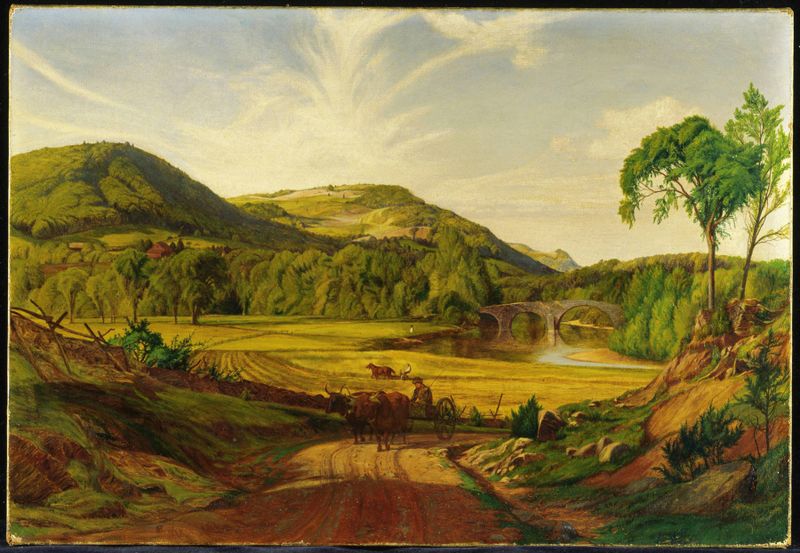
Leeds Bridge
Charles Herbert Moore

Study of the Head of the Sleeping Saint Ursula, after Carpaccio, in the Academy of Venice
Charles Herbert Moore
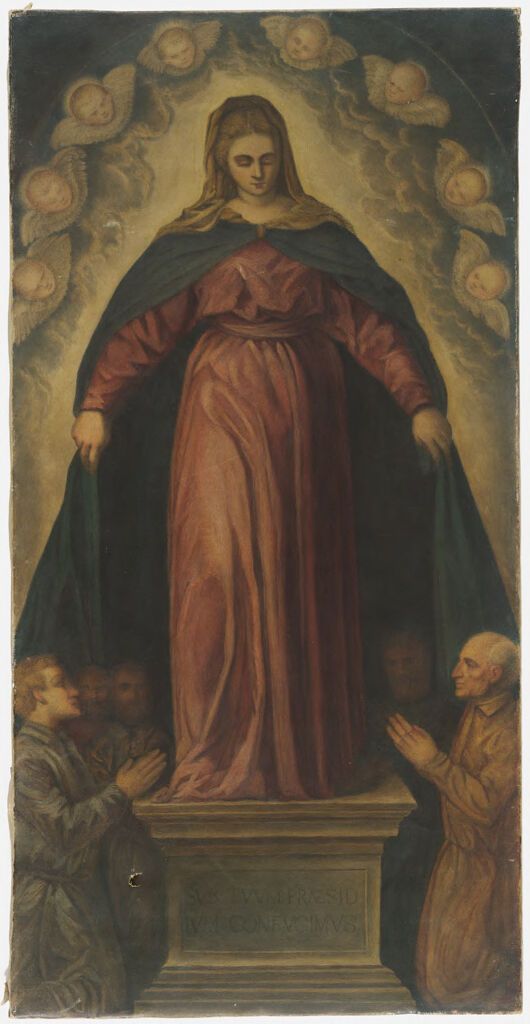
Reduced Study of Tintoret's "Madonna of the Faithful," in the Academy of Venice
Charles Herbert Moore

Study, Reduced to One-Quarter Size, of the Angel in Veronese's Annunciation, in the Uffizi Gallery at Florence
Charles Herbert Moore





