
Leeds Bridge — History & Facts
Who listens when art speaks of silence? In Leeds Bridge, the stillness of the setting contrasts sharply with the underlying tension of its time and place. Look to the center where the bridge arches gracefully over the calm water, its weathered stones a testament to resilience. Notice how the muted palette of browns and grays envelops the scene, while the delicate play of light highlights the edges of the bridge, casting subtle reflections on the water's surface. The careful composition draws your eye along the bridge, inviting you to contemplate the journey of those who traverse it, yet the absence of figures evokes a haunting emptiness. Beneath the serene exterior lies a profound disquiet.
The bridge, a symbol of connection and passage, also stands as a silent witness to the violence that permeated the industrial landscape of 19th-century England. The juxtaposition of the tranquil water and the imposing structure creates a tension that hints at both strength and fragility. The absence of life can be interpreted as a poignant commentary on societal upheaval — a reminder of the human cost of progress. Charles Herbert Moore painted Leeds Bridge in 1868 during a period marked by rapid industrialization and urbanization in England.
As artists began to grapple with modernity, Moore sought to capture the essence of industry and its effects on everyday life. Working in Leeds, he immersed himself in the bustling environment, reflecting on the contrasts between the natural and the man-made, a tension that echoes through this poignant piece.
More Artworks by Charles Herbert Moore
Browse all →
John Ruskin (1819-1900)
Charles Herbert Moore

Mount Washington
Charles Herbert Moore

High Peak and Round Top (Catskill) in Winter
Charles Herbert Moore

The Catskill Mountains
Charles Herbert Moore

Upland Pasture
Charles Herbert Moore
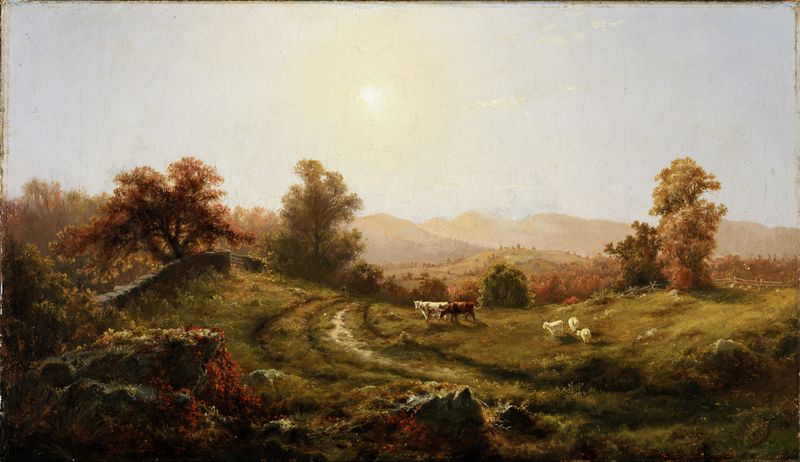
Landscape
Charles Herbert Moore

Study of the Head of the Sleeping Saint Ursula, after Carpaccio, in the Academy of Venice
Charles Herbert Moore
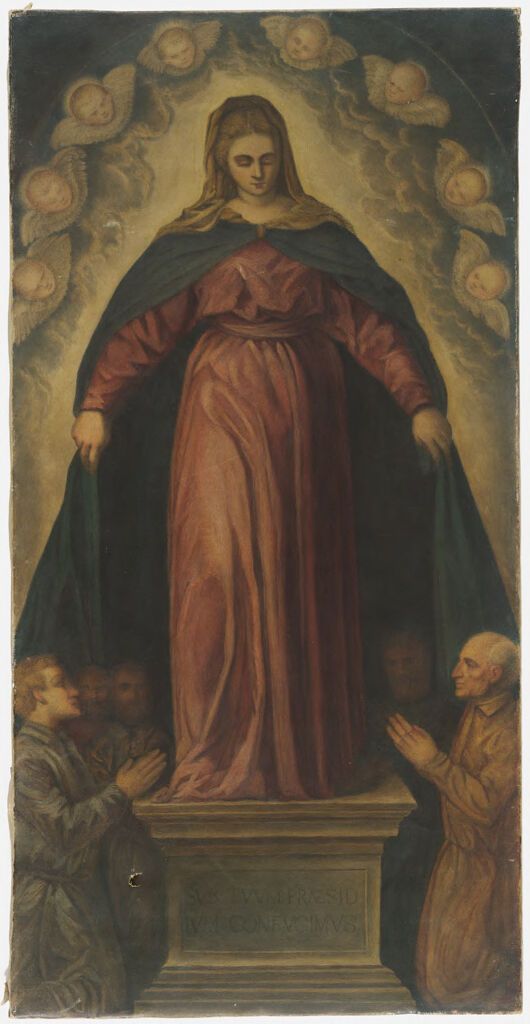
Reduced Study of Tintoret's "Madonna of the Faithful," in the Academy of Venice
Charles Herbert Moore

Study, Reduced to One-Quarter Size, of the Angel in Veronese's Annunciation, in the Uffizi Gallery at Florence
Charles Herbert Moore





