
Upland Pasture — History & Facts
In the realm of artistry, destiny often lingers, waiting to be captured on canvas. The quiet yet profound emotions that emerge from the landscape invite contemplation and reflection. Focus on the rich green of the pasture, where nature's hues meld seamlessly with the tranquil blue sky above. Notice the delicate brushwork in the foreground, each stroke of paint revealing the playful dance of light over the grass.
The gentle undulation of the hills draws the eye further back into the scene, hinting at the vastness that lies beyond the immediate beauty. The artist's palette, dominated by earthy tones, evokes a sense of warmth and familiarity, inviting viewers to step into this serene world. As you linger longer, hidden narratives unfold amidst the fields. The contrast between the lush greenery and the distant, shadowy mountains symbolizes the tension between the known and the unknown—the familiarity of the pasture against the enigmatic horizon.
Subtle hints of sunlight breaking through the clouds suggest a fleeting moment of clarity, a glimpse into the destiny that intertwines all living things. Each brushstroke contributes to a meditative quality, urging viewers to reflect on their place within this broader tapestry of life. Created in Caaterskill, New York, during the late 19th century, the artist was deeply influenced by the American landscape movement. At this time, he sought to capture the tranquility of nature in a world that was increasingly industrial and chaotic.
The evolving dialogue in the art world around realism and romanticism found expression in Upland Pasture, reflecting both personal and cultural quests for deeper meaning and connection to the land.
More Artworks by Charles Herbert Moore
Browse all →
John Ruskin (1819-1900)
Charles Herbert Moore

Mount Washington
Charles Herbert Moore

High Peak and Round Top (Catskill) in Winter
Charles Herbert Moore

The Catskill Mountains
Charles Herbert Moore
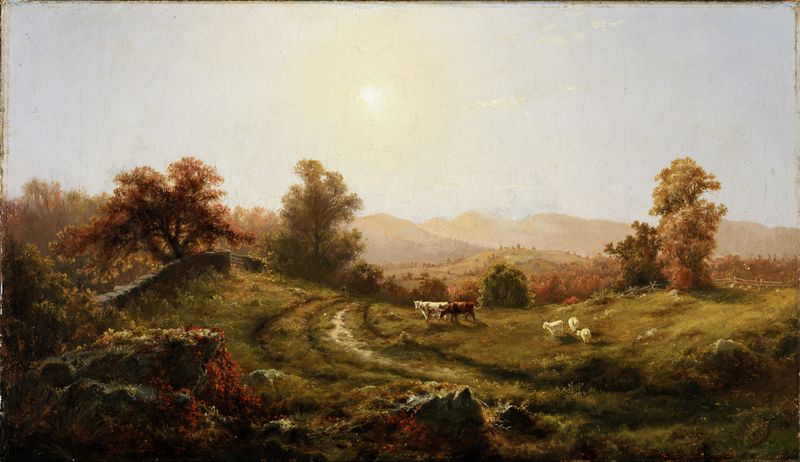
Landscape
Charles Herbert Moore
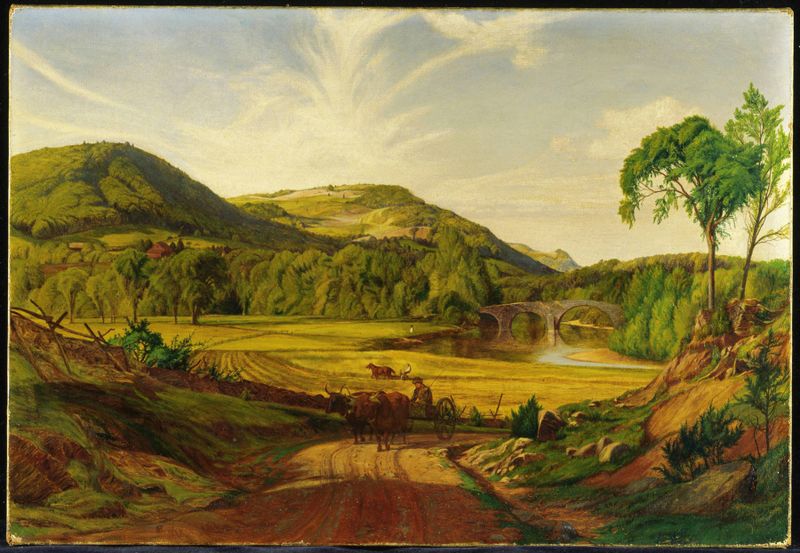
Leeds Bridge
Charles Herbert Moore

Study of the Head of the Sleeping Saint Ursula, after Carpaccio, in the Academy of Venice
Charles Herbert Moore
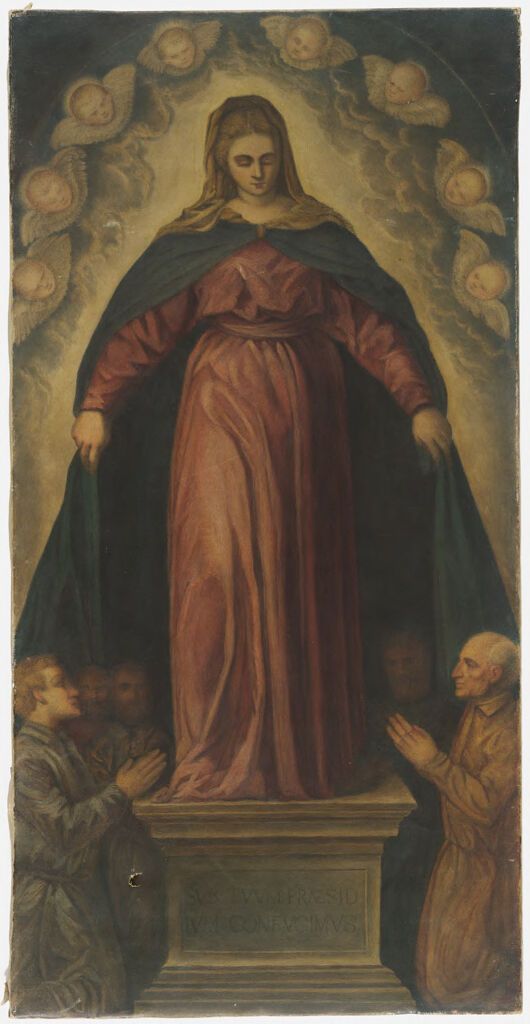
Reduced Study of Tintoret's "Madonna of the Faithful," in the Academy of Venice
Charles Herbert Moore

Study, Reduced to One-Quarter Size, of the Angel in Veronese's Annunciation, in the Uffizi Gallery at Florence
Charles Herbert Moore





