Jug (Bartmann jug) with coats of arms — History & Analysis
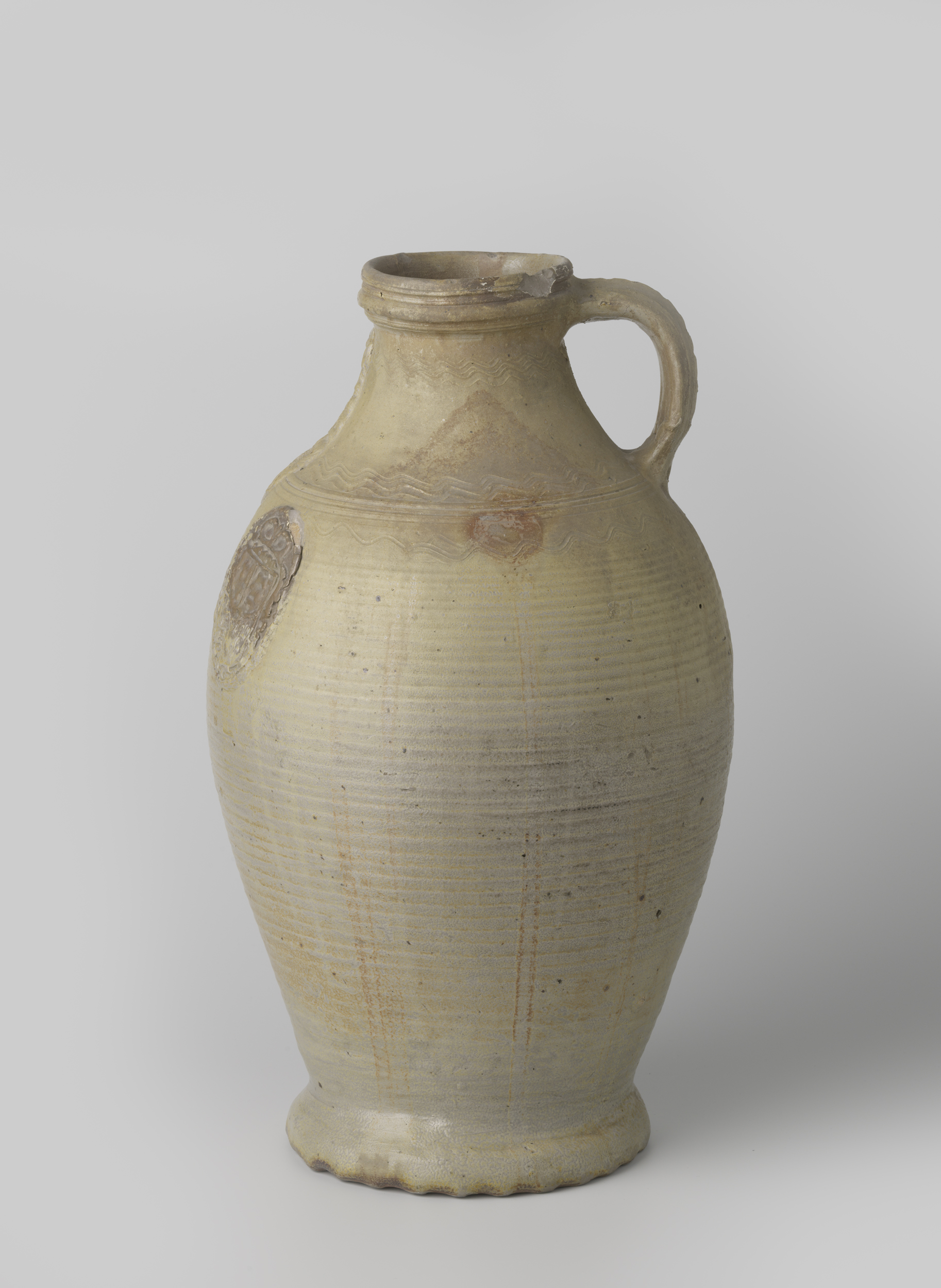
“Under the brush, chaos becomes grace.” The decay of time whispers through the elegant curves and intricate designs of a forgotten jug. In its surface, we see not just a vessel, but a narrative of fading glory, a testament to artistry that defies oblivion. Look closely at the body of the jug, where coats of arms intertwine with delicate, swirling patterns. Notice how the muted earth tones blend seamlessly, yet hints of vibrant hues stubbornly persist, reminding us of vitality once cherished.
The interplay of light and shadow creates an almost tactile quality, inviting the viewer to reach out and feel the essence of its history. Beneath the surface, the jug reveals the tension between beauty and decay. Erosion of detail hints at a story of neglect, while the coats of arms symbolize legacy and heritage—echoing the inevitable passage of time. Each imperfection becomes a poignant reminder of the fragility of existence, a dance between honor and decay that resonates deeply.
This jug, crafted by an unknown artist around the turn of the 17th century, speaks to a period of both artistic flourishing and societal upheaval. Emerging from a time when craftsmanship was revered, the work reflects the shifting values of culture amid the rise of more ephemeral, mass-produced objects. In a world teetering between magnificence and decline, this artifact stands as a silent observer of history, inviting contemplation on the ephemeral nature of life itself.